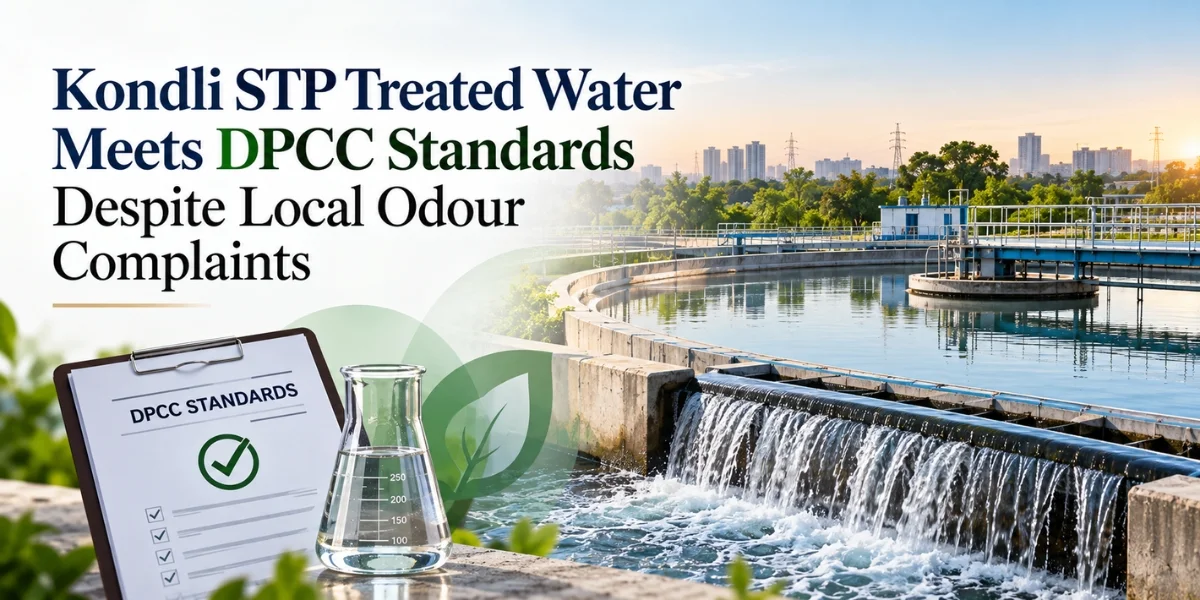
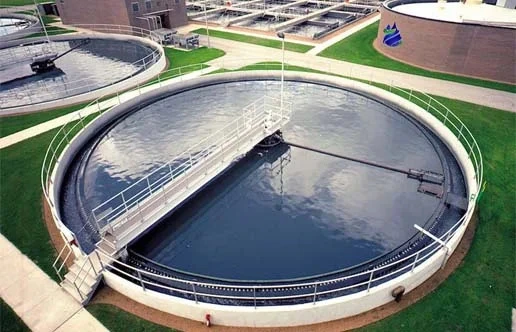
Residents near Kondli have been complaining about a foul smell coming from the area's sewage treatment plant cluster, but according to the Delhi Pollution Control Committee's (DPCC) own laboratory testing, the treated water itself is meeting prescribed standards. The inspection, reported on September 26, 2026, found the odour complaint technically baseless as far as effluent quality is concerned, which is a more nuanced outcome than either "everything's fine" or "the plant is failing," and worth unpacking.
What the Inspection Actually Found
DPCC's lab analysis confirmed that the treated water being discharged from the Kondli STPs falls within the standards set for parameters like BOD, COD and suspended solids. That's a meaningful result on its own terms: it means the four-phase Kondli STP cluster, which treats wastewater from East Delhi neighbourhoods including Preet Vihar, Jagriti Vihar, Dallupura, Kondli and Ghadoli, is currently doing the core job it's supposed to do, cleaning sewage to an acceptable discharge standard.
But "the water meets standards" and "there's no foul odour" aren't the same claim, and residents' complaints haven't necessarily been invalidated just because the lab results came back clean. Odour at an STP can come from multiple points in the treatment process, sludge handling, aeration tanks, or upstream sewer lines carrying industrial waste, that don't always show up directly in a standard effluent-quality test.
The Kondli Cluster Has a History Worth Knowing
This isn't Kondli's first brush with scrutiny, and the plant's recent record is genuinely mixed rather than uniformly good or bad. In August 2026, the National Green Tribunal directed Delhi's pollution body to recover Rs 10 lakh from the Kondli STPs, acting on a 2023 application by Nature Foundation India that alleged the plants weren't complying with norms and were releasing "poisonous" gases affecting nearby residents. Notably, the NGT's own order acknowledged that samples tested in April 2026 showed the Kondli STPs working according to prescribed standards, broadly consistent with this latest September inspection, while still directing DPCC to keep monitoring the plants given their proximity to residential areas.
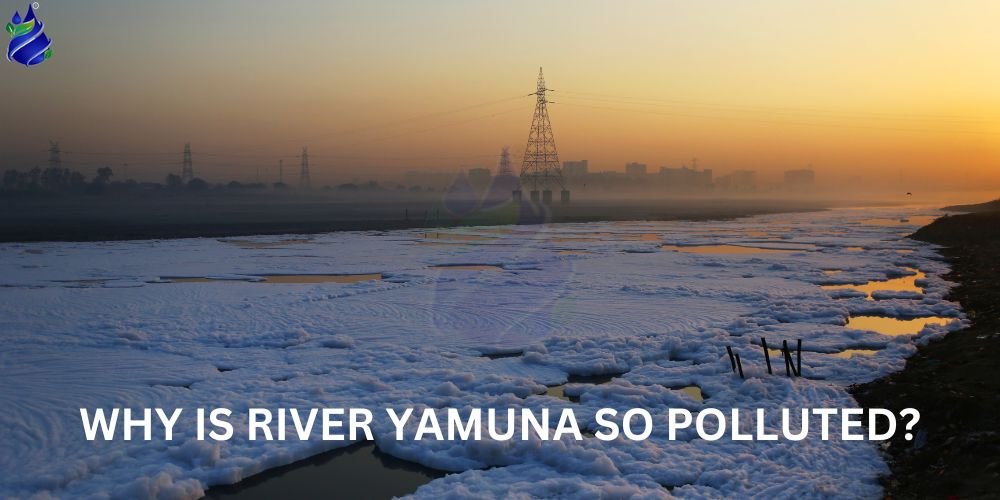
There's also a separate, structural issue that's been flagged independently: treated effluent from the four Kondli STPs and the nearby Chilla STP is discharged into the Shahdara drain before reaching the Yamuna, and that drain itself carries a mix of treated and untreated sewage from unregulated inflows. Delhi Jal Board CEO Kaushal Raj Sharma has acknowledged that treated water can end up mixing with polluted drain water at an outfall near the Kondli-Chilla belt, visible as foam formation and colour change, essentially getting re-polluted after treatment, before it ever reaches the river. A proposal to route treated effluent through a dedicated conduit directly into the Yamuna, bypassing the compromised drain, is reportedly under consideration.
Why "Meets Standards" Isn't the End of the Story
Put together, the picture at Kondli is less a simple pass/fail and more a reminder of how many separate things have to go right for a treatment plant's output to actually translate into a cleaner river: the plant itself has to perform (which, per this inspection, it currently is), the conveyance infrastructure carrying that treated water onward has to stay uncontaminated (which, per DJB's own admission, it isn't always), and the surrounding community's quality-of-life concerns, like odour, need their own investigation rather than being considered settled by an effluent-quality test alone.
For a plant cluster sitting this close to residential neighbourhoods, consistent, well-maintained operation across every stage, not just the final discharge point, matters disproportionately. That's really the underlying lesson from Kondli's recent run of inspections: a sewage treatment plant passing its lab test is necessary, but it isn't sufficient on its own to resolve every concern the people living next to it actually have.
Key Highlights
- DPCC lab testing found Kondli STP's treated water within prescribed standards, reported September 26, 2026.
- The finding addresses effluent quality specifically; it does not necessarily resolve separate resident complaints about foul odour.
- In August 2026, the NGT ordered Rs 10 lakh recovered from the Kondli STPs over a 2023 complaint, while also noting April 2026 samples showed compliant performance.
- DJB has separately acknowledged that treated effluent from Kondli and Chilla STPs can mix with untreated sewage in the Shahdara drain before reaching the Yamuna.
- A proposal to route treated effluent directly into the Yamuna via a dedicated conduit, bypassing the compromised drain, is reportedly under consideration.
Sources & Further Reading
This article draws on reporting from Amar Ujala (September 26, 2026), The Print on the NGT's August 2026 order, and The Tribune on the Shahdara drain mixing issue.