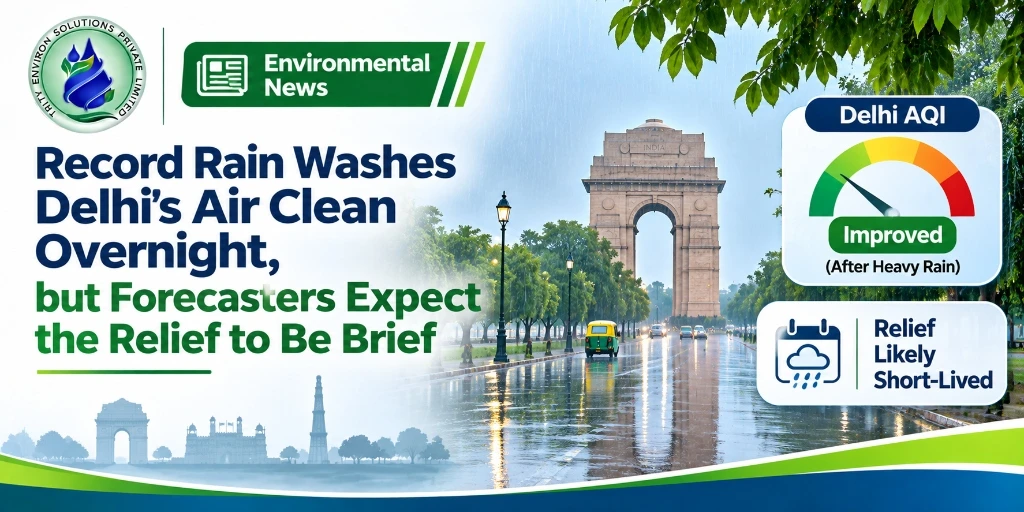
Delhi's air went from "severe" to "satisfactory" in a single day. The city's Air Quality Index (AQI) fell from 363 on Thursday morning to 78 on Friday, October 30, after rain that the Safdarjung observatory measured as the heaviest October day in four years.
The improvement is real, but forecasters say it may not last once the skies clear.
The Numbers
Air quality
- Thursday, October 29, morning: AQI 363, "severe", per AQI.in data cited by NDTV
- Friday, October 30, morning: AQI 78, "satisfactory"
- ANI's reading: an AQI of 93 near India Gate, also "satisfactory", on the CPCB scale (51 to 100)
The reports differ because they use different stations, times and sources. All are in the "satisfactory" band, and the same story reports a fall from several days of "poor" air to clean air.
Rain and temperature
- Rainfall: 61.4 mm in the 24 hours to Friday morning at Safdarjung, according to IMD data cited in the report, which called it the wettest October day in four years
- Local high: up to 49 mm at Jharoda Kalan, per ANI
- Maximum temperature: 25.4°C at Safdarjung, 5.6°C below normal and the lowest October maximum in four years
- Minimum temperature: 17.2°C at Safdarjung per APN Live, and 19.2°C per ANI. The figures differ by source
What Caused the Rain
APN Live reported that three systems met over Delhi-NCR.
- A western disturbance over the Western Himalayas
- An induced cyclonic circulation over South Punjab
- Bay of Bengal winds linked to the remnants of Cyclone Arnab
ANI described the cause as the remnants of Cyclone Arnab interacting with a western disturbance. Both sources attribute the rain to the interaction of these systems.
Why Rain Cleans the Air So Quickly
This section is general background and not a finding from the reports.
Rain helps clear pollution in three ways.
- Washout: falling drops capture fine particles and carry them to the ground
- Settling dust: wet surfaces and roads stop dust being thrown back into the air
- Mixing: the weather systems that bring rain also bring stronger winds and a deeper mixing layer, which disperses what remains
A fall of nearly 300 AQI points in 24 hours is large but not unusual for a heavy rain event after a spell of poor air.
Why the Relief May Not Last
Skymet's warning
Skymet's Mahesh Palawat warned that air quality could return to the "poor" category within a day or two as skies clear and temperatures rise. He said it could worsen further in the second week of November as Diwali approaches. These are forecasts, not outcomes.
What the forecast showed
- October 30: generally cloudy, very light to light rain and isolated thunderstorms
- October 31: partly cloudy skies
- November 1 and 2: mainly clear and stable, with daytime highs of 28 to 31°C
Clear skies and falling wind speeds are the conditions that let emissions build up again.
What happened next
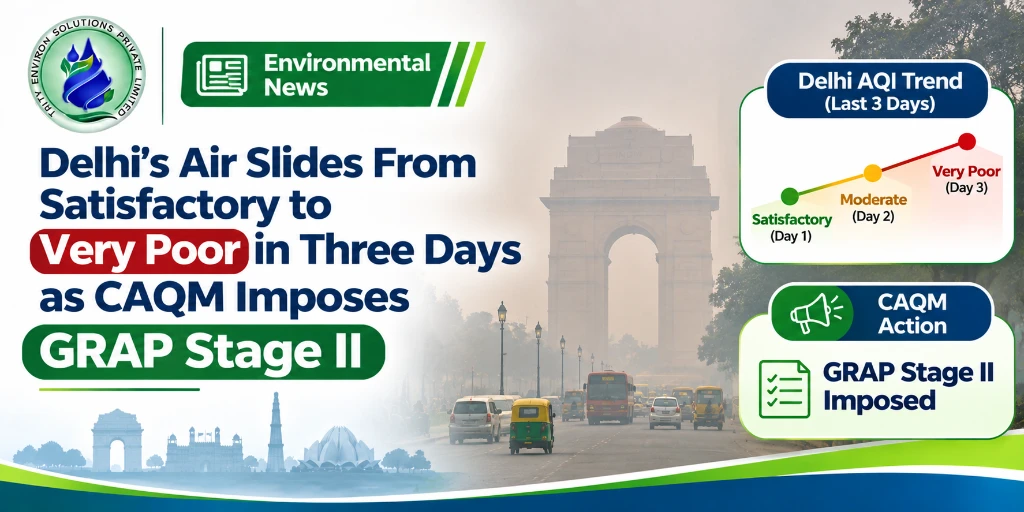
The forecast proved right. Delhi's AQI stood at 117 on October 31 and rose to 261 on November 1 and 324 on November 2, according to The Pioneer. The Commission for Air Quality Management then invoked GRAP Stage II across the NCR. Business Standard reported an AQI of 373 on November 4. So the October 30 reading proved to be a brief break, not a turnaround.
Why Baselines Matter More Than a Single Day
Delhi's air has repeatedly responded fast to weather and then slipped back. A Centre for Science and Environment analysis reported on September 30 found only one "good" air day in the 92 days of the 2026 monsoon, despite 576.9 mm of rainfall, because high baseline emissions rebuild pollution quickly once rain stops. CSE noted its findings show associations and not proof of cause.
The October 30 episode fits that pattern. Rain removed the pollution already in the air. It did not remove the sources that make more.
What Residents Can Do While the Air Is Clean
- Check the AQI before planning outdoor exercise, rather than relying on how the sky looks
- Use the clean spell to ventilate homes
- Stock up on masks and filters before the season worsens
- Avoid burning waste or leaves, which adds to pollution on windless days
What Facility Managers and Industry Should Do
A clean day is a useful time to prepare for restrictions.
- Service diesel generator sets and use them as standby power only
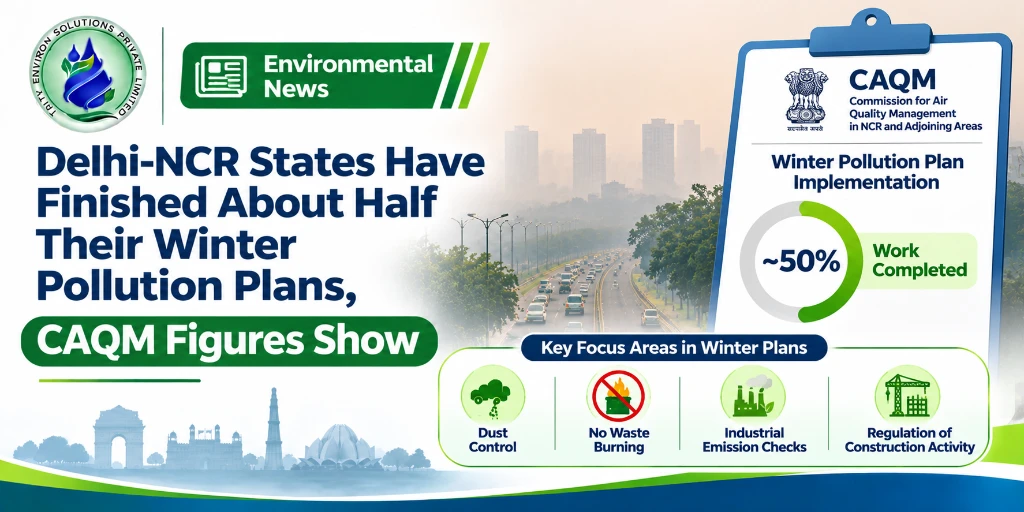
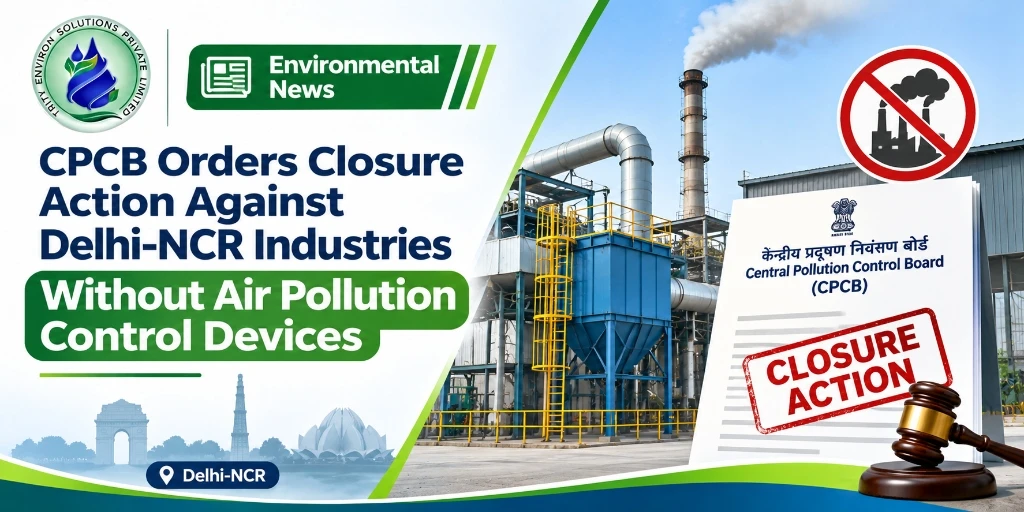
- Check that stack emissions are within consent limits and that analysers are calibrated. Our SOx NOx gas analyser page covers stack gas monitoring equipment
- Keep dust controls active at construction sites and material yards
- Keep monitoring records ready for inspection
The Mumbai Haze
The ANI report also noted a thin haze over Mumbai on Friday morning, with visibility reduced. Monitoring stations across the Mumbai Metropolitan Region logged varying pollution levels. The report gave no numeric AQI for Mumbai, so none is stated here. For a closer look at Mumbai's readings, see how its official and private networks differed on October 26.
The Temperature Side of the Story
The rain also made October 30 unusually cold. The maximum at Safdarjung was 25.4°C, 5.6°C below normal, and maximums fell by 4 to 6°C over 24 hours, according to APN Live. ANI noted that the minimum was about 3.1 degrees above normal because of persistent cloud cover.
Why cold air can trap pollution later
This is general background. As skies clear, nights cool quickly and a shallow layer of cold air sits near the ground. Emissions from traffic, industry and burning then stay close to the surface, which is why November AQI often rises quickly once rain ends. The reports do not link the October 30 weather to any later reading directly, but the forecast of clear and stable conditions from November 1 fits this pattern.
What to Watch Next
- Daily CPCB bulletins for how quickly the AQI rises after the rain
- Stubble-burning share estimates as skies clear
- Whether CAQM moves between GRAP stages as readings change
- The Diwali week forecast
Delhi's clean air on October 30 was real, but it was a result of the weather. Lasting improvement depends on cutting the emissions that rebuild pollution within days.