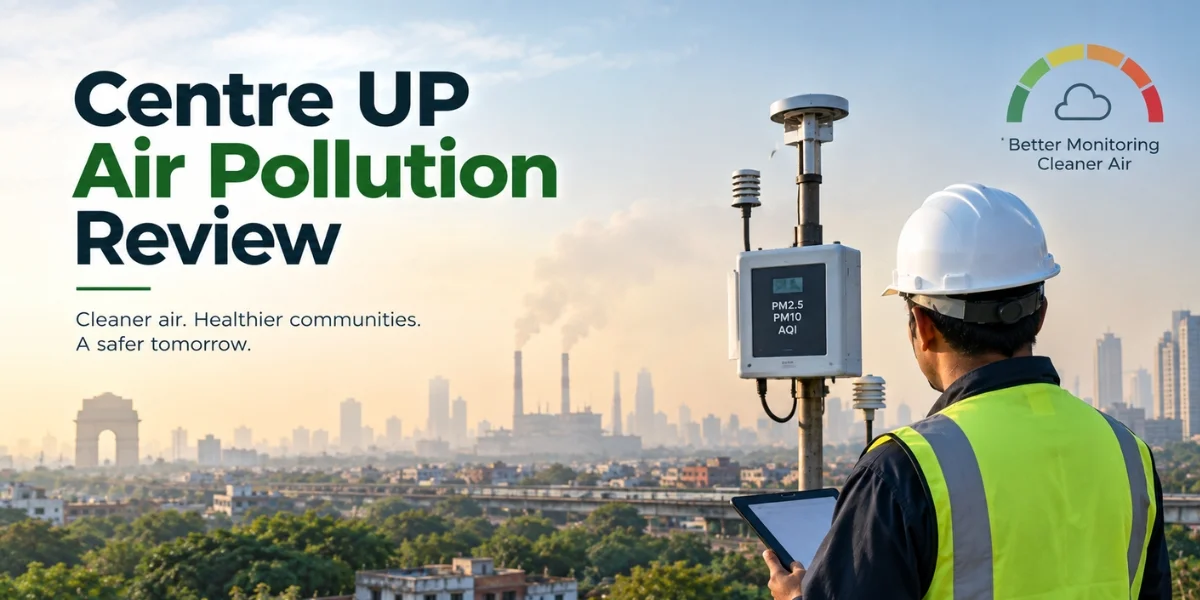
Union Minister for Environment, Forest and Climate Change Bhupender Yadav held a review meeting with Uttar Pradesh Chief Minister Yogi Adityanath in Lucknow on September 18, 2026, to assess progress on measures to improve air quality across the Delhi-NCR districts of Uttar Pradesh. The meeting is part of a series of state-by-state reviews the Centre has been conducting with NCR states ahead of the winter pollution season.
What Was Discussed
The review covered Uttar Pradesh's Air Pollution Action Plan for Delhi-NCR, spanning the period from September 2026 to March 2027, and focused on eight NCR districts including Noida, Ghaziabad and Meerut. Discussions covered road dust, electric mobility, end-of-life vehicle enforcement, industrial emissions, construction and demolition waste, municipal solid waste, biomass burning and crop-residue management.
Yadav emphasised the need for accelerated implementation, stronger inter-agency coordination and strict enforcement to achieve a substantial reduction in air pollution levels before winter sets in. He said the window before winter needed to be used to implement pollution control measures in mission mode, with timely execution and effective coordination critical to visible improvement.
Industrial Emissions and Enforcement
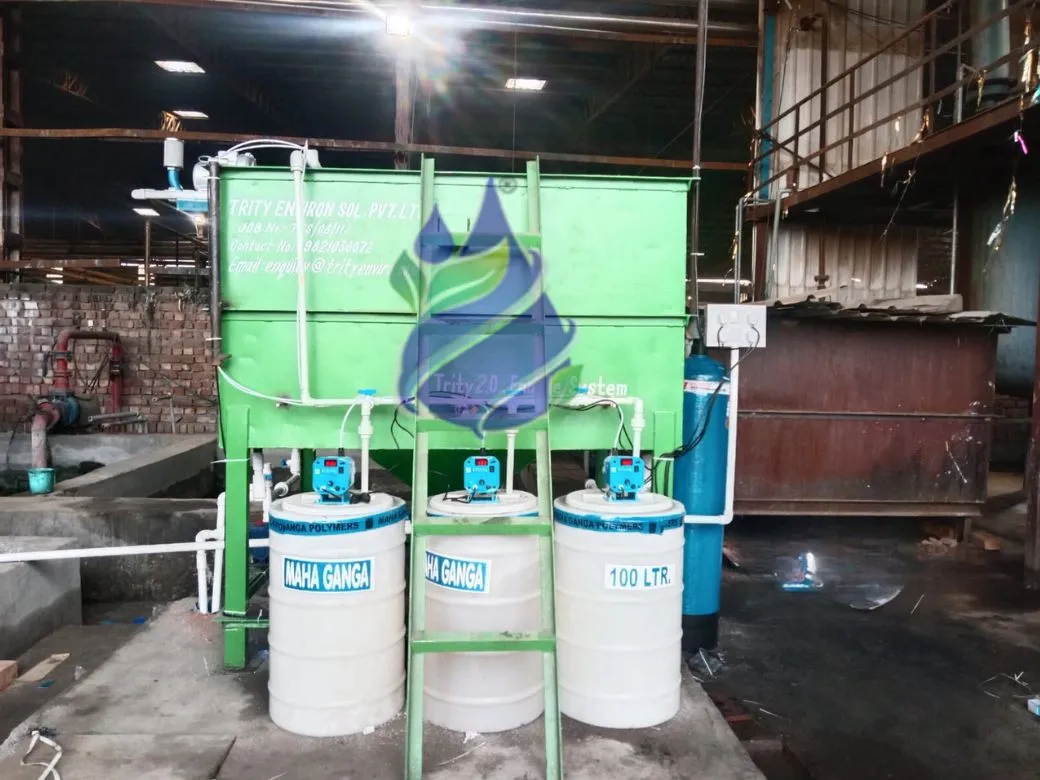
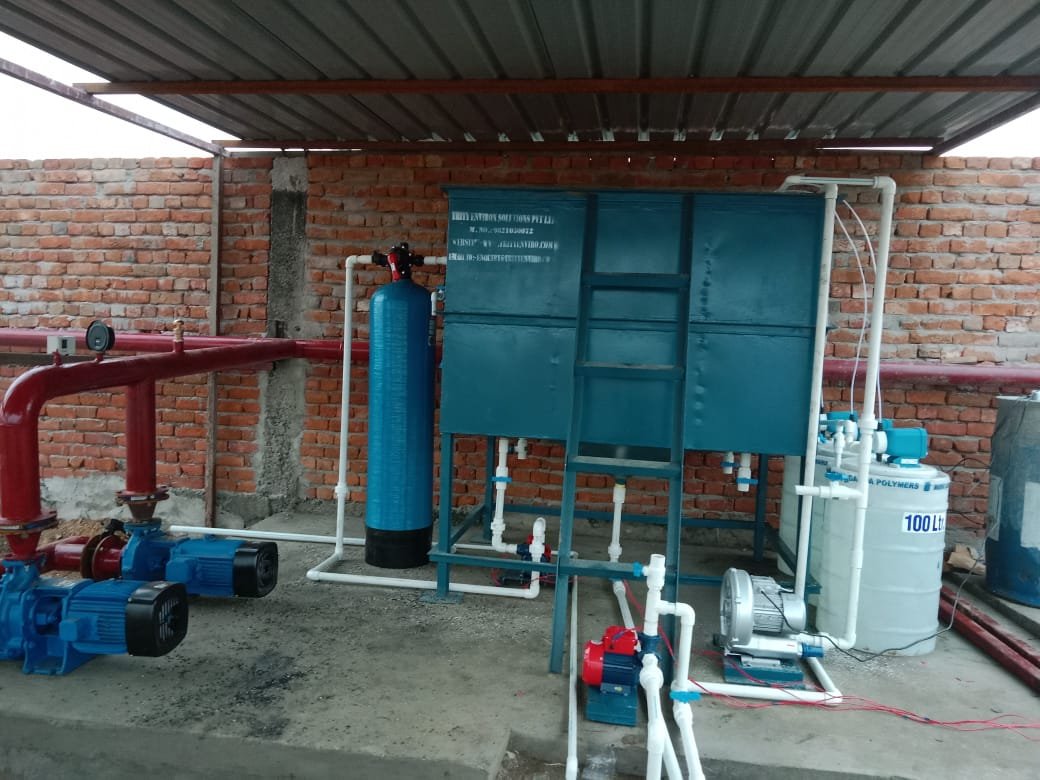
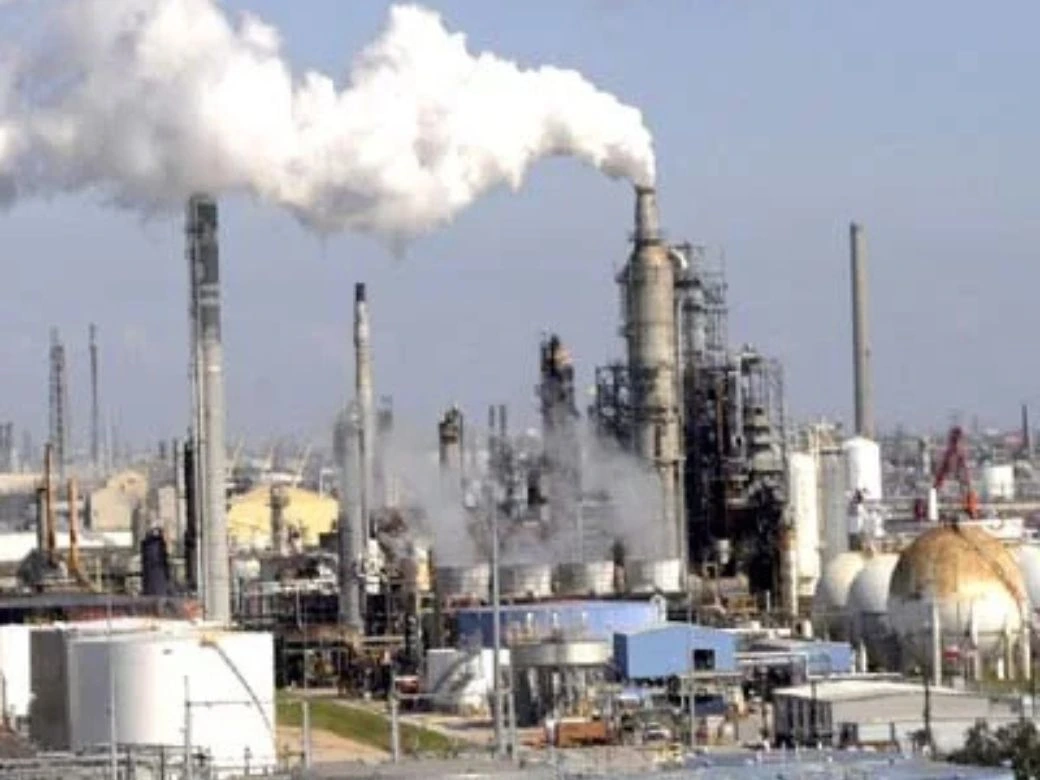
On industrial pollution, the Minister called for accelerated installation of Online Continuous Emission Monitoring Systems (OCEMS) and Air Pollution Control Devices (APCDs) across industrial units, alongside regular inspections and continued review of remaining non-compliant industries.
Dust, Waste and Stubble Burning
On road dust, the Minister called for end-to-end paving and greening of roads with local-species shrubs and grasses during the monsoon, with focused attention on high-dust stretches. The meeting also reviewed implementation of the Solid Waste Management Rules and Construction and Demolition Waste Management Rules, including stakeholder consultations with housing societies, and asked Uttar Pradesh to expedite the establishment of secondary collection centres for construction waste. On crop residue, the state government was asked to bridge gaps in the procurement of Crop Residue Management (CRM) machinery ahead of the stubble-burning season.
Part of a Wider Round of State Reviews
Yadav noted that similar review meetings had already been held with the Chief Ministers of Haryana and Delhi, describing the Lucknow meeting as the latest in this sequence. The meeting was attended by the Secretary of the Ministry of Environment, Forest and Climate Change, the Chairperson of the Commission for Air Quality Management (CAQM), and senior officials from the Central Pollution Control Board (CPCB) and the Uttar Pradesh State Pollution Control Board (UPSPCB).
Adityanath welcomed the measures discussed and directed state officials to act on them in a time-bound manner.
Why Coordinated Review Meetings Matter
Delhi-NCR's air pollution sources span multiple states, which is why the Centre has been holding these reviews on a state-by-state basis rather than treating the region as a single administrative unit. Industrial emissions, in particular, are addressed through continuous monitoring systems that need to be properly calibrated and linked to central monitoring infrastructure to be effective, a point industrial operators in the region should note ahead of stricter winter enforcement.
Key Highlights
- Union Minister Bhupender Yadav and UP CM Yogi Adityanath reviewed Delhi-NCR air pollution measures in Lucknow on September 18, 2026.
- The review covered eight NCR districts of UP, including Noida, Ghaziabad and Meerut.
- Focus areas included road dust, industrial OCEMS/APCD compliance, C&D waste, municipal solid waste, and stubble burning.
- The meeting follows similar Centre-led reviews already held with Haryana and Delhi.
- Senior CAQM, CPCB and UPSPCB officials were present alongside state government representatives.
Sources & Further Reading
This article is based on reporting from EQ Magazine (citing MoEFCC's press release) and The Aarch News, both dated September 18, 2026.