The same rules Delhi-NCR relaxes every spring are back on from this week, right on schedule for the months that test them hardest.
What Kicked In on October 1
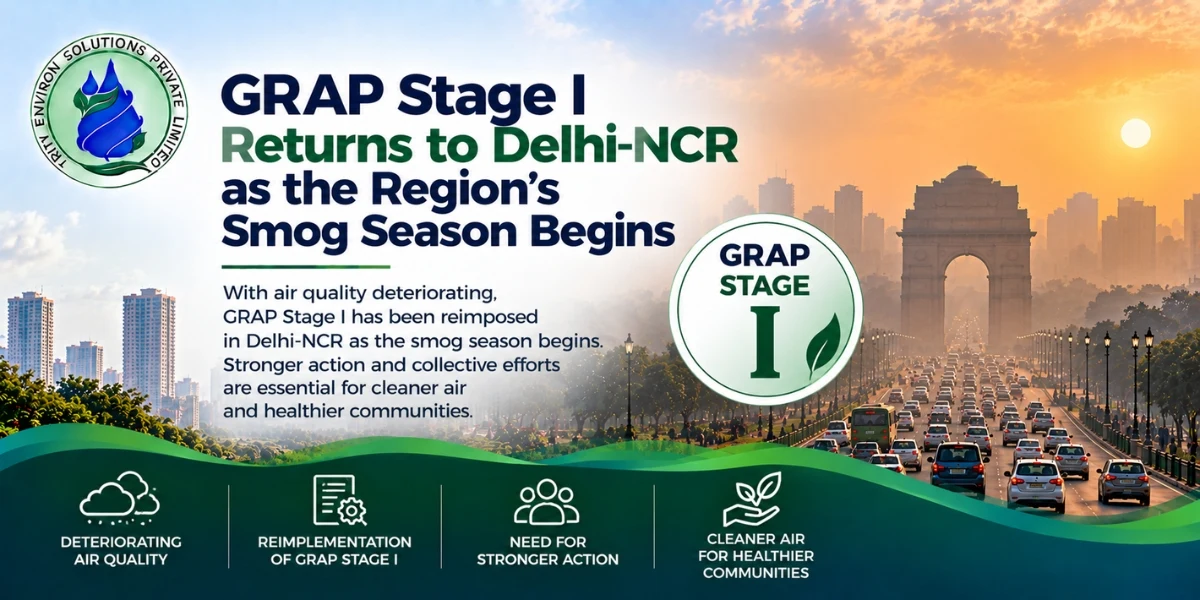
Graded Response Action Plan (GRAP) Stage I measures took effect across Delhi-NCR from October 1, 2026, under the Commission for Air Quality Management's (CAQM) seasonal framework. Under Stage I, vehicles without a valid Pollution Under Control Certificate (PUCC) face restrictions on fuel access, alongside tighter oversight of construction dust mitigation and continued curbs on open burning and unauthorised waste burning across the region.
GRAP escalates through four stages as air quality worsens, with each stage layering additional restrictions, covering diesel generators, specific categories of older vehicles, and eventually broader construction bans, on top of the one before it.
Why the Timing Is Never a Surprise, But Still Matters
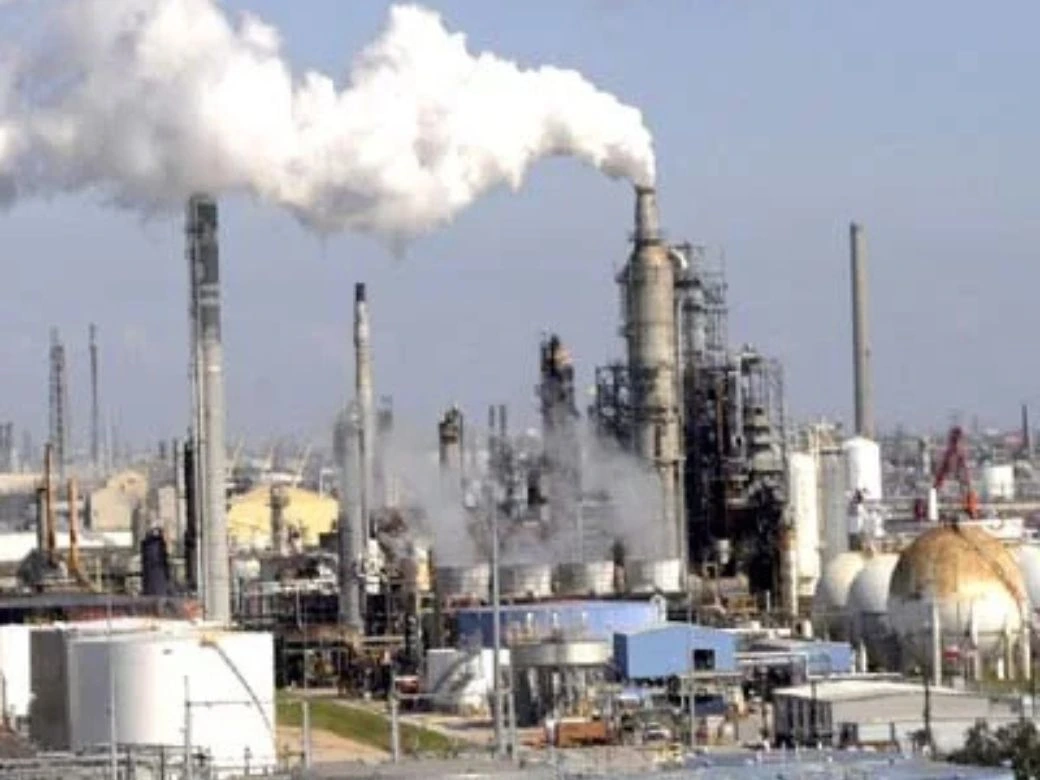
Delhi-NCR's pollution authorities activate GRAP on the same rough calendar every year, because the underlying drivers, falling wind speed, temperature inversion, and the start of the stubble-burning season in neighbouring states, follow a predictable seasonal pattern. What varies year to year is how prepared the region's enforcement machinery actually is when the restrictions kick in, and how quickly non-compliant vehicles, construction sites, and industrial units get flagged once inspections ramp up.
This year's GRAP Stage I activation follows closely behind two other enforcement moves already underway across the region: Delhi's new AI-powered command centre tracking construction and dust violations at over 700 sites, and CAQM's enforcement task force, which logged 197 inspections and 85 violations across NCR in the weeks immediately before GRAP took effect.
What This Means for Builders and Industry Across NCR
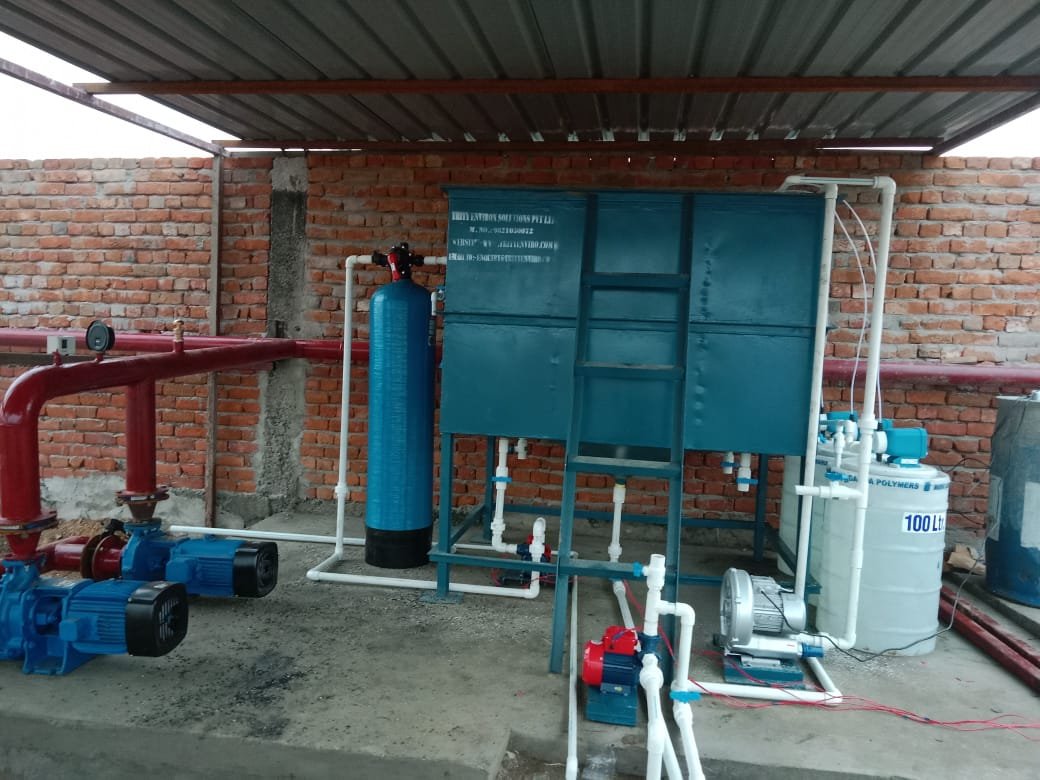
Construction sites across Delhi-NCR face the most immediate operational impact from Stage I, since dust mitigation compliance is one of the first things enforcement teams check once the season begins. Sites that have not yet brought their wastewater and runoff management up to standard alongside their dust controls tend to be the same sites that struggle during GRAP inspections, since both point to the same underlying gap in how seriously a project treats environmental compliance day to day, rather than only when enforcement visits are expected.
What to Watch as the Season Progresses
GRAP's escalation to Stage II and beyond depends entirely on how Delhi-NCR's air quality actually trends over the coming weeks, which in turn depends on factors largely outside any single agency's control, including wind patterns and the pace of stubble burning in Punjab and Haryana. For now, Stage I's return marks the start of a season-long enforcement cycle that typically tightens steadily through November before easing again in the new year.
Key Highlights
- GRAP Stage I took effect across Delhi-NCR from October 1, 2026
- Stage I restricts non-PUCC vehicle fuel access and tightens construction dust and burning rules
- The activation follows closely behind CAQM's 197-inspection enforcement sweep and Delhi's new AI command centre launch
- Further GRAP stages will depend on how air quality trends through November