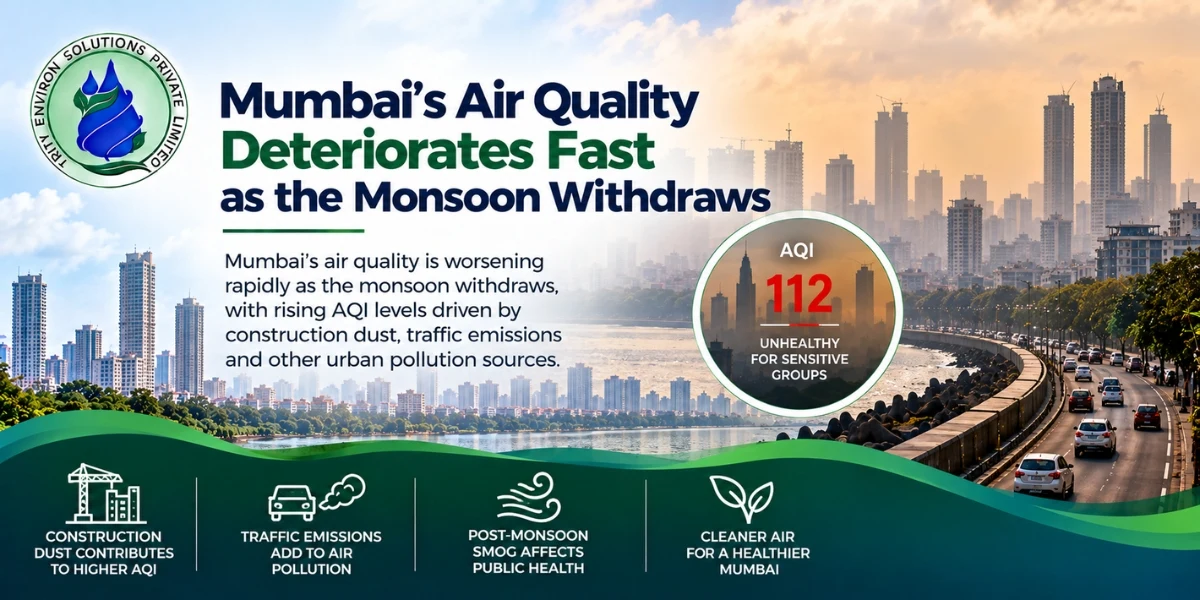
Mumbai's air usually gets a break during the monsoon. This year, that break ended almost as soon as the rain stopped.
What the Numbers Show
Mumbai's Air Quality Index has crossed 100 at multiple monitoring stations as the monsoon withdraws, with readings as high as 199 recorded at Mulund, 126 at Vasai, and above 100 at Sewri, Mazgaon and BKC, according to monitoring data reported in the first week of October 2026. Several other stations across the city, including Colaba, Bhandup and Chembur, sat just below the 100 mark, indicating the deterioration is citywide rather than confined to a single pollution hotspot.
Sumaira Abdulali of the Awaaz Foundation noted that the AQI surged "almost immediately after the rains stopped, well before winter has even begun," a pattern environmental groups say reflects how quickly construction, vehicular, and road dust pollution resume once the monsoon's natural air-washing effect ends.
Why This Happens Every Year
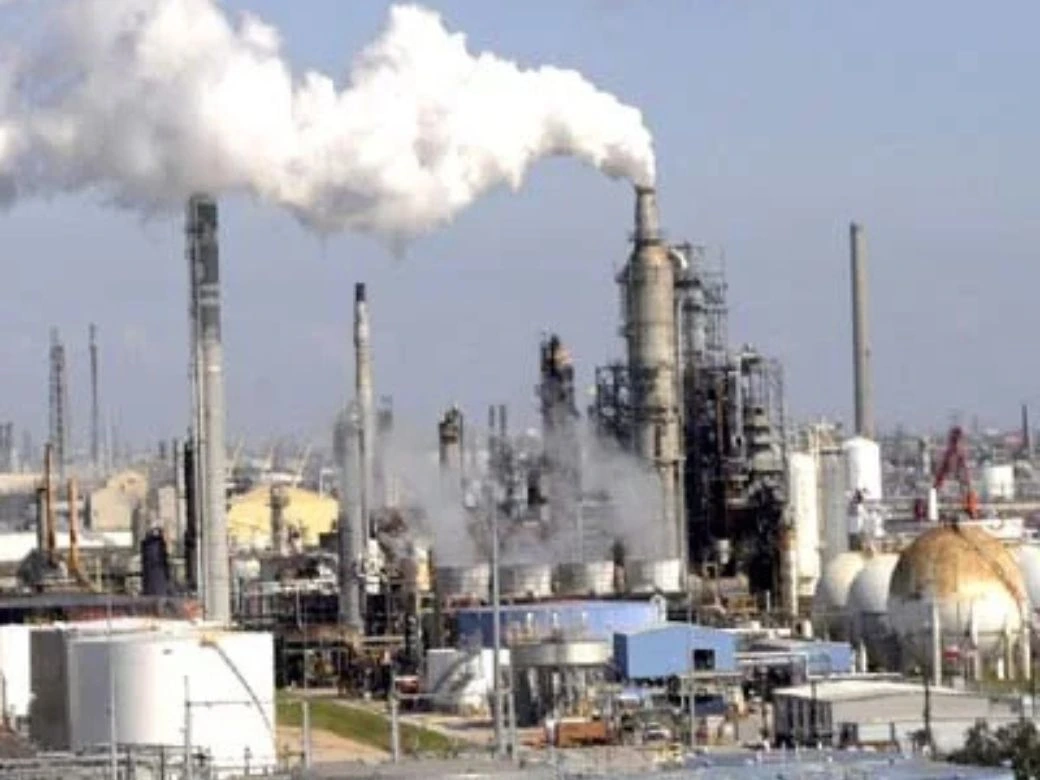
Mumbai's monsoon temporarily suppresses several of the city's biggest pollution sources: rain settles road dust, construction activity slows in wet conditions, and humidity keeps particulate matter from accumulating in the lower atmosphere the way it does in dry, still air. The moment the rain stops, all three reverse within days, which is part of why Mumbai's post-monsoon AQI spike has become a predictable seasonal pattern rather than a one-off event.
IMD Chief Scientist Sunil Kamble pointed to a drop in wind speed, down to around 10 km/h, among the lowest recorded in recent weeks, combined with rising humidity and reduced visibility, as contributing meteorological factors layered on top of the usual pollution sources.
What BMC Has Committed To
The Brihanmumbai Municipal Corporation has rolled out a 2026 air pollution action plan identifying roughly 10 pollution hotspots per ward and committing to stricter construction dust checks across the city, with Worli recording the poorest AQI, at 169, among the readings cited in that plan's early rollout. Greenpeace's Avinash Kumar Chanchal and other environmental groups have been pressing the civic body on whether these commitments translate into sustained enforcement rather than a seasonal announcement.
Why Enforcement on Dust Keeps Falling Short
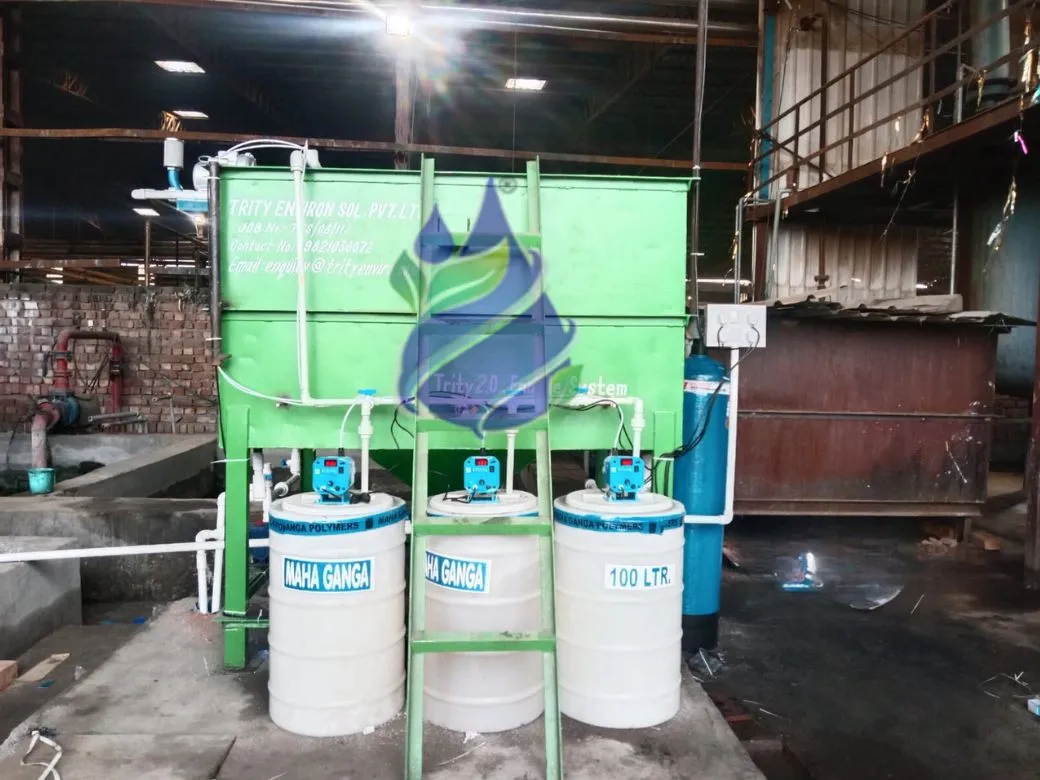
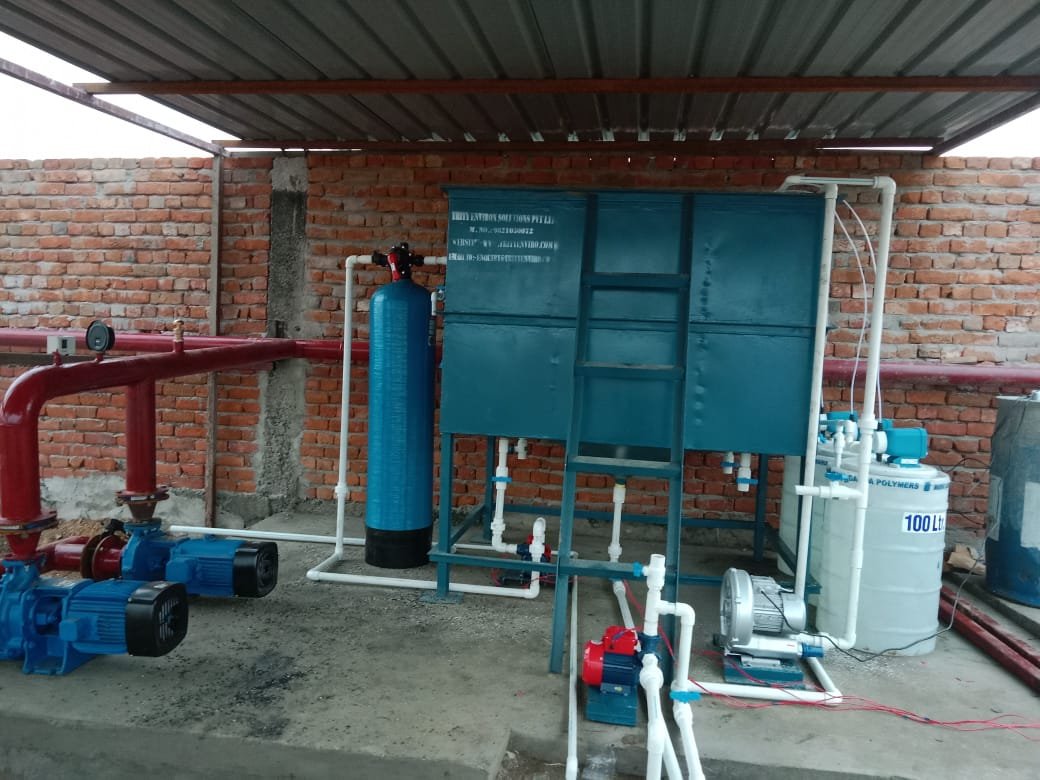
Construction dust control largely depends on contractors actually using the mitigation measures they are required to, such as covering debris and using water sprinklers, rather than any gap in the rules themselves. Where larger developments are involved, dust is frequently only one part of a bigger environmental compliance picture that also includes how a site manages its wastewater, since construction sites generating washdown and curing water without a functioning wastewater treatment setup face the same kind of scrutiny gap that construction dust has had for years.
Key Highlights
- Mumbai's AQI has crossed 100 at multiple stations as the monsoon withdraws, reaching 199 at Mulund
- Experts attribute the spike to resumed dust, traffic and construction activity once rain-driven suppression ends
- BMC's 2026 action plan targets roughly 10 pollution hotspots per ward
- Worli recorded the city's poorest AQI reading, at 169, in the plan's early rollout