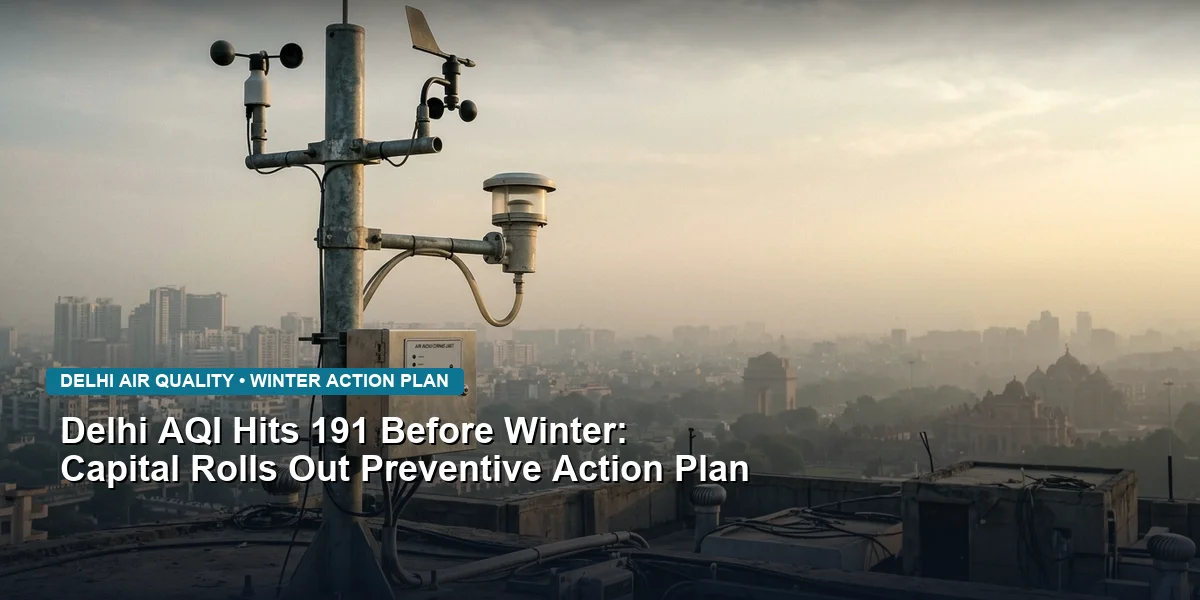
Delhi's air quality slipped into the "poor" category on Wednesday, October 21, and the Commission for Air Quality Management (CAQM) responded by invoking Stage I of the Graded Response Action Plan (GRAP) across the National Capital Region.
A day later, Delhi Traffic Police held an inter-state meeting to plan border enforcement of the new directions. Here is what the data shows and what the restrictions mean on the ground.
What Happened on October 21
Delhi's Air Quality Index (AQI) was 179 on October 20, in the "moderate" band. By 2 pm on October 21 it had risen to 244, which is "poor".
The numbers reported
- 244 at 2 pm on October 21, up from 179 a day earlier (Business Today and ANI)
- Outlook reported 227 at 7 am, 245 in the CPCB 24-hour average bulletin at 4 pm, and 248 by 8 pm
- It was the first "poor" reading of the season in Delhi, and the most polluted day after Dussehra in five years, according to Outlook
- In 2021, the AQI reached 284 on the day after the festival
Stations that went "very poor"
Outlook listed seven monitoring stations in the "very poor" range on Wednesday:
- Pusa: 329
- Chandni Chowk: 326
- Jahangirpuri: 313
- Punjabi Bagh: 312
- Patparganj: 304
- Mandir Marg: 303
- Vivek Vihar: 302
Why the Air Worsened
The reports do not agree on a single cause, and CAQM's own statement did not name one. Outlook cited several contributing factors.
- Dussehra celebrations, including effigy burning and fireworks
- Falling night temperatures and light winds that let traffic emissions, industrial smoke and dust build up
- Slow north-westerly winds carrying smoke from farm fires upwind
- Stubble burning's estimated share of Delhi's PM2.5 was 3.9% on Wednesday
What GRAP Stage I Means
GRAP is a set of emergency measures that apply in stages as air quality worsens. Stage I applies when the AQI is between 201 and 300. The GRAP sub-committee directed all NCR agencies to enforce Stage I actions immediately. The order covers Delhi and the NCR districts of Haryana, Uttar Pradesh and Rajasthan.
Measures reported this week
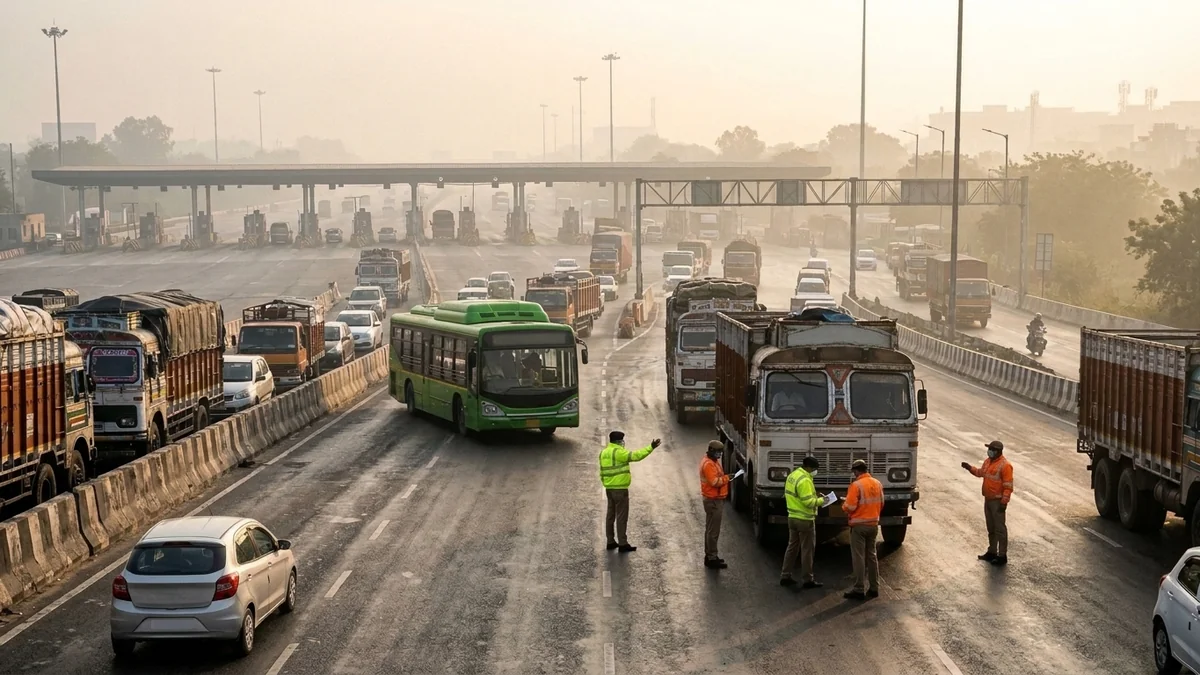
- Buses: intercity and interstate buses from listed states, including Haryana, Uttar Pradesh, Rajasthan and Punjab, may not enter Delhi unless they meet BS-VI standards or run on electricity or CNG
- Diesel generator sets: regulations on DG sets have taken effect
- Dust control: agencies were told to expand mechanical road sweeping. Delhi Minister Manjinder Singh Sirsa said mechanical sweepers would cover 100% of roads from October 21
- Public transport: additional CNG and electric buses, Metro and RRTS services. Delhi Metro adds 20 weekday trips from Thursday
- Eateries: Business Today reported a ban on coal and firewood in tandoors at hotels, restaurants and open eateries
What citizens are asked to do
- Keep vehicle engines tuned and tyre pressure correct
- Carry a valid Pollution Under Control Certificate
- Avoid idling at red lights
- Use public transport or carpool
- Avoid burning waste or leaves
Police Plan Border Enforcement
On Thursday, October 22, Delhi Traffic Police held an inter-state coordination meeting with civic agencies and police from neighbouring states and districts. The Tribune reported it on October 23. The article says "Thursday" without giving the date, so October 22 is inferred.
Decisions reported
- A dedicated WhatsApp group for real-time coordination and monitoring of action taken
- Non-compliant inter-city and inter-state buses to be turned back at Delhi-NCR borders. Only EV, CNG and BS-VI diesel buses are allowed, subject to conditions
- Display boards at Delhi's borders stating that prohibited vehicles will not be allowed in
- Action to align the differing operating periods for vehicles in Delhi and neighbouring states
- Strict enforcement of no-entry timings and checks on overloaded and non-destined vehicles
- Action against vehicles carrying construction and demolition material in violation of norms
The Government's Position
Sirsa said Delhi's air has been badly polluted for 10 to 12 years. He said this year recorded 214 days of "good" or "moderate" air, the highest in 12 years apart from the COVID-affected year. He listed dust control, road carpeting and a shift to electric vehicles as long-term measures. These are the minister's statements as reported by Outlook, not independently verified figures.
Context From Earlier This Month
This is not a sudden break from nothing. A Centre for Science and Environment analysis reported on September 30 found Delhi had only one "good" air day in the 92 days of the 2026 monsoon, even with heavy rainfall. CSE linked this to high baseline emissions from vehicles, industry and waste burning.
Delhi's winter plan already includes the "No PUCC, No Fuel" rule from October 1 at 500 fuel stations and entry restrictions for non-BS-VI vehicles registered outside Delhi from November 1, as reported by Down To Earth on October 5. Last year, Delhi first turned "poor" on October 14 (AQI 211) and reached "very poor" on October 20 (AQI 345), according to Outlook.
What Comes Next
IMD and IITM forecasts say air quality will likely stay "poor" in the coming days. If the AQI crosses 300, CAQM's sub-committee can move to a higher stage with tougher restrictions. It said it would keep monitoring and review as forecasts change.
Signs to watch
- Daily CPCB bulletin averages over the next week
- Stubble-burning share estimates on Thursday and Friday
- Whether border turn-backs actually reduce non-compliant bus entry
- Any decision on a higher GRAP stage
What Industry and Facility Managers Should Do Now
Stage I does not shut industry, but it signals tighter scrutiny. Units in the NCR should treat it as a prompt to check their own compliance.
- Service diesel generators and confirm they are used only as standby power
- Keep dust controls active at construction sites and material yards
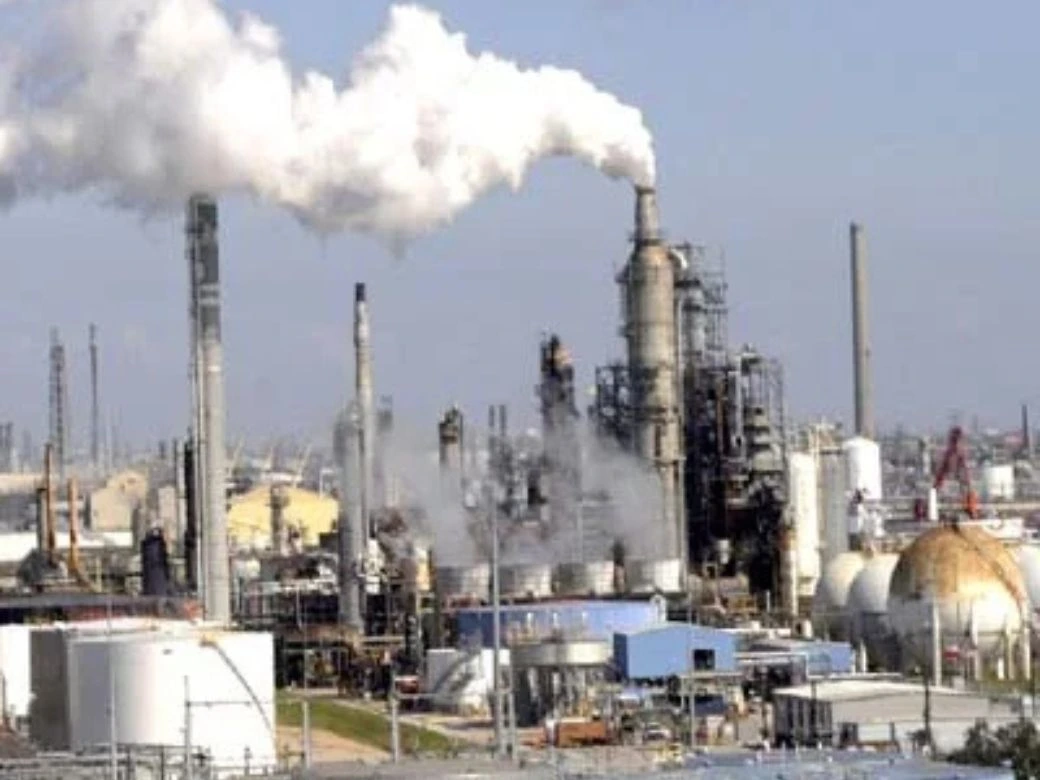
- Make sure stack emissions stay within consent limits. Calibrated SOx NOx gas analysers let operators see deviations in real time rather than after an inspection
- Keep monitoring records ready for inspection