Uttar Pradesh's two NCR districts bordering Delhi, Gautam Budh Nagar and Ghaziabad, continue to face significant sewage treatment gaps under the broader Yamuna Action Plan. A status report reviewed by the Union Home Minister in July 2026 has directed UP to prepare a time-bound action plan and complete all pending sewage treatment and pollution-abatement projects on drains flowing toward the Yamuna by January 2028.
Ghaziabad's Contribution to the Shahdara Drain
Although no drain from Uttar Pradesh falls directly into the Yamuna, five drains, one from Ghaziabad and four from the Loni Nagar Palika Parishad, discharge into Delhi's Shahdara drain, accounting for an estimated 40-45 percent of its flow before it eventually joins the Yamuna. These include the Sahibabad, Indrapuri, Bantla, Lal Bagh and DLF Ankur Vihar drains.
A joint survey found that these five primary drains receive wastewater from 286 secondary drains, including 232 carrying domestic sewage and 54 carrying industrial effluent, together discharging around 205 MLD. The Sahibabad drain alone contributes 101 MLD. Laboratory analysis of samples collected in March 2026 showed pollution levels far exceeding prescribed standards across all the drains reviewed.
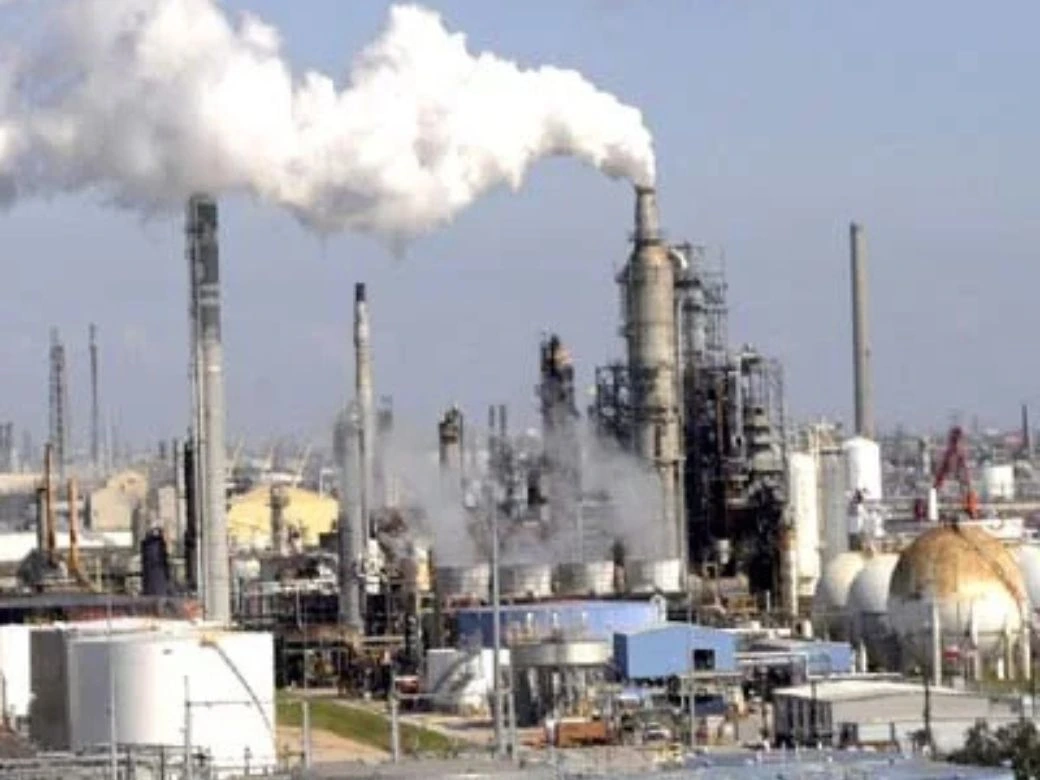
The report also notes enforcement action in Ghaziabad, where a joint task force constituted by the district administration shut down 244 unauthorised industrial units over a four-month period and disconnected their electricity supply. The Uttar Pradesh Pollution Control Board (UPPCB) continues regular inspections of authorised industries, while UPSIDA has been designated the nodal agency for surveying industrial effluent and establishing Common Effluent Treatment Plants across the Yamuna's NCR industrial belt.
Gautam Budh Nagar: Noida's Drain Interception Plan
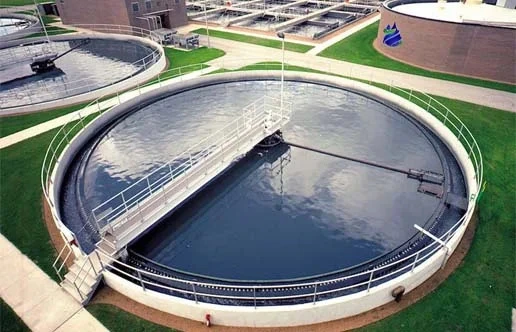
In Gautam Budh Nagar, the Noida Authority board approved a phased initiative in January 2026, in partnership with CSIR-NEERI, to intercept and treat wastewater from 24 active drains before it reaches the Kondli drain and, ultimately, the Yamuna. The project uses technologies including Moving Bed Biofilm Reactor (MBBR) systems and bioremediation, with a target of visibly cleaner river water by 2028.
Several drains have already been intercepted under this plan: Drain D20 at the sewage pumping station in the Hosiery Complex area, and Drains D6, D7 and D8 at sump wells in Sector 33. Drain D2 required no further work, being dry, while Drain D5, which carries already-treated effluent from STP-54, merges into an irrigation drain in Sector 23. The Authority has set a further deadline of June 2026 to intercept Drains D10 and D11 at the Sector 50 STP and Drain D18 at the Bhangel sewage pumping station in Sector 106. For drains carrying particularly high pollution loads, the Authority has cleared construction of dedicated new STPs.
Why This Matters for the Yamuna Action Plan
Gautam Budh Nagar and Ghaziabad's drain networks are structurally significant to the Yamuna's overall pollution load precisely because, even though no UP drain enters the river directly, their discharge flows into shared drains, such as Shahdara and Kondli, that do. This means gaps in either district's treatment infrastructure directly undermine progress being made further downstream in Delhi, regardless of how much capacity Delhi itself adds.
Closing these gaps depends on the same combination of interventions used elsewhere along the river: intercepting drains before they carry untreated flow further downstream, expanding effluent treatment capacity for industrial discharge, and sustained enforcement against unauthorised industrial units.
Key Highlights
- UP has been directed to complete Yamuna-related sewage and pollution-abatement projects in its NCR districts by January 2028.
- Five Ghaziabad-linked drains contribute 40-45% of the Shahdara drain's flow, carrying around 205 MLD from 286 secondary drains.
- A Ghaziabad task force shut down 244 unauthorised industrial units over a four-month period.
- Noida Authority, with CSIR-NEERI, is intercepting and treating wastewater from 24 drains before it reaches the Kondli drain and the Yamuna.
- UPSIDA has been made the nodal agency for surveying industrial effluent and setting up CETPs across the region's industrial belt.
Sources & Further Reading
This article draws on reporting from Webnewswire, July 2026, on the Union Home Minister-reviewed status report, and WaterToday, January 2026, on the Noida Authority's CSIR-NEERI drain interception plan.