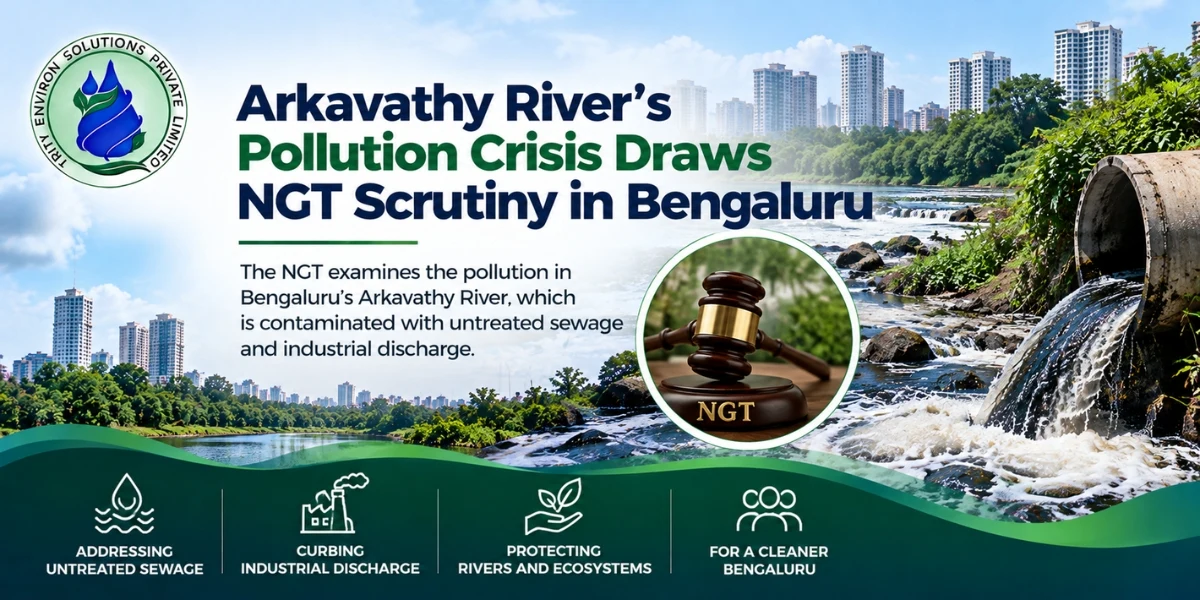
A river that once supplied drinking water to Bengaluru is now struggling to support the wildlife living along its banks. That decline has finally reached the National Green Tribunal.
A River in Visible Decline
The Arkavathy, which originates near Bengaluru and once fed the city's drinking water supply before groundwater and borewells took over that role, has been pushed deeper into crisis by a steady inflow of untreated sewage and industrial discharge from the urban areas it passes through. The river's deteriorating condition drew national attention after reports of an elephant dying after exposure to its polluted waters, with a calf seen staying by her side.
The National Green Tribunal has separately sought a response from the Karnataka government over Arkavathy pollution, adding formal regulatory pressure to what environmental groups in Bengaluru have been documenting for years.
Where the Pollution Is Coming From
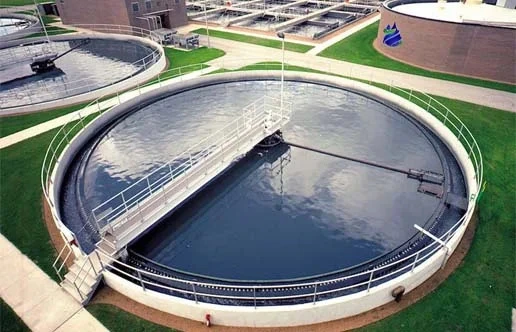
Much of the load reaching the Arkavathy traces back to the same structural gap found in rivers across fast-growing Indian cities: sewage generation has outpaced the sewage treatment capacity built to handle it. Bengaluru's own civic water utility, the BWSSB, has been working to expand its jurisdiction and treatment capacity, including a planned 475 MLD sewage treatment plant, but new capacity takes years to plan, approve, and build, while the city's wastewater volume keeps growing in the meantime.
A Bengaluru-based NGO has separately flagged significant gaps in how national water quality monitoring programmes track rivers like the Arkavathy, arguing that the data collected does not fully capture how bad conditions have actually become in several stretches.
Why This Keeps Happening to Peripheral Rivers
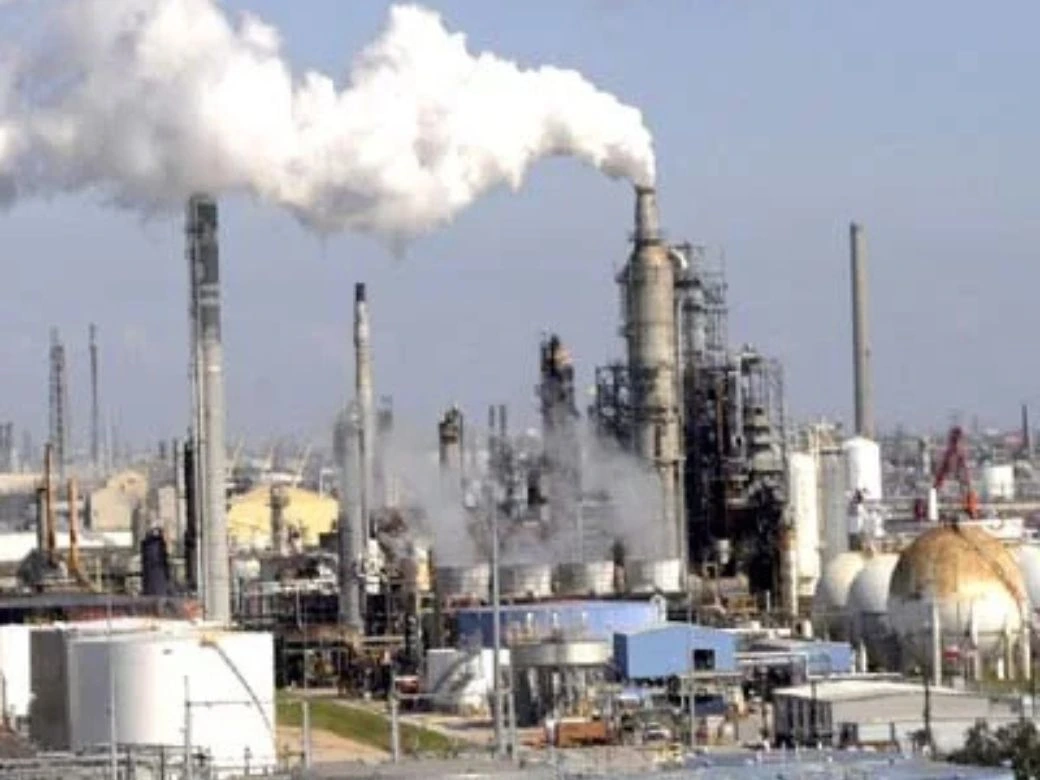
Rivers on a city's outskirts, like the Arkavathy relative to central Bengaluru, often receive the overflow and runoff that a city's core sewage network was never designed to fully intercept. Industrial units operating along the catchment add their own discharge into the same mix, frequently without adequate pre-treatment.
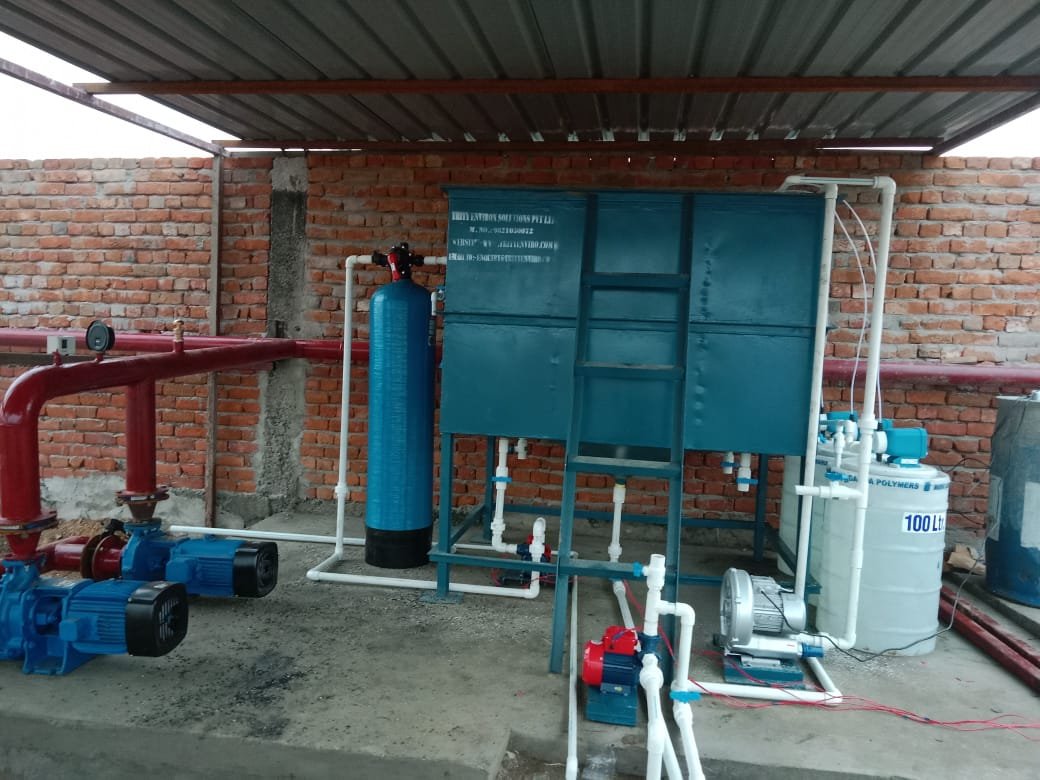
The fix is rarely a single intervention. It typically combines expanded municipal sewage treatment plant capacity with mandatory effluent treatment plant systems at every industrial unit discharging into the catchment, since a city-scale STP cannot compensate for unchecked industrial effluent entering upstream of it.
What Comes Next
With the NGT now formally seeking a state response, Karnataka's pollution control authorities face pressure to show a concrete remediation timeline for the Arkavathy, not just acknowledgment of the problem. Given how long rivers in a similar position elsewhere in India have taken to show measurable recovery, that timeline is likely to be measured in years rather than months.
Key Highlights
- Untreated sewage and industrial discharge have worsened pollution in Bengaluru's Arkavathy river
- The NGT has sought a formal response from the Karnataka government
- BWSSB is expanding sewage treatment capacity, including a planned 475 MLD STP
- A local NGO has flagged gaps in how national water monitoring tracks the river's actual condition