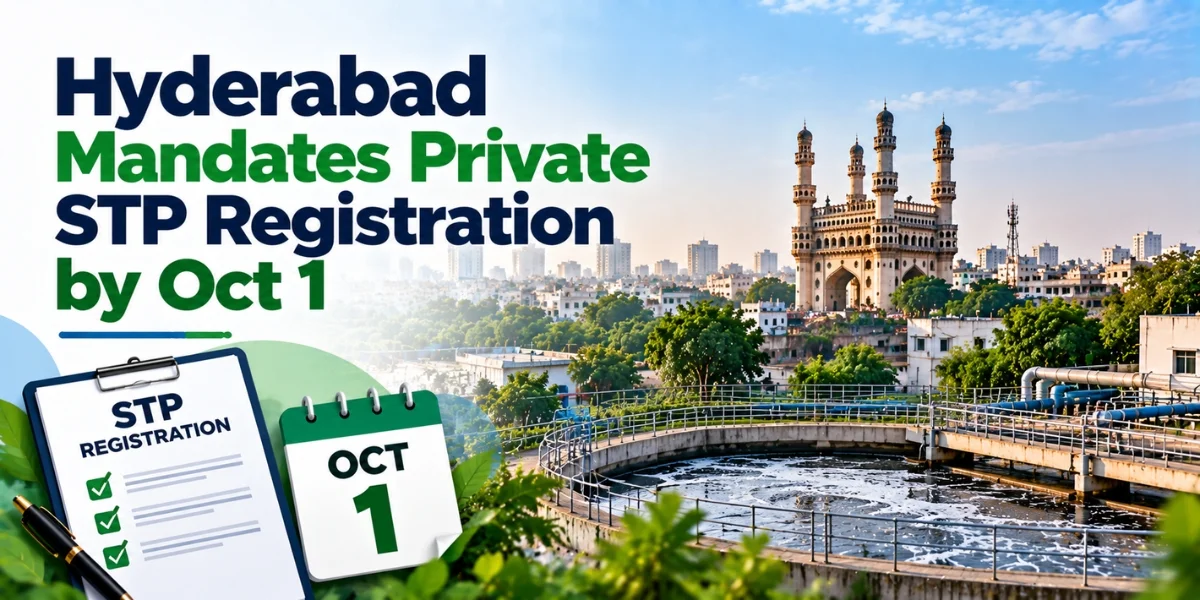
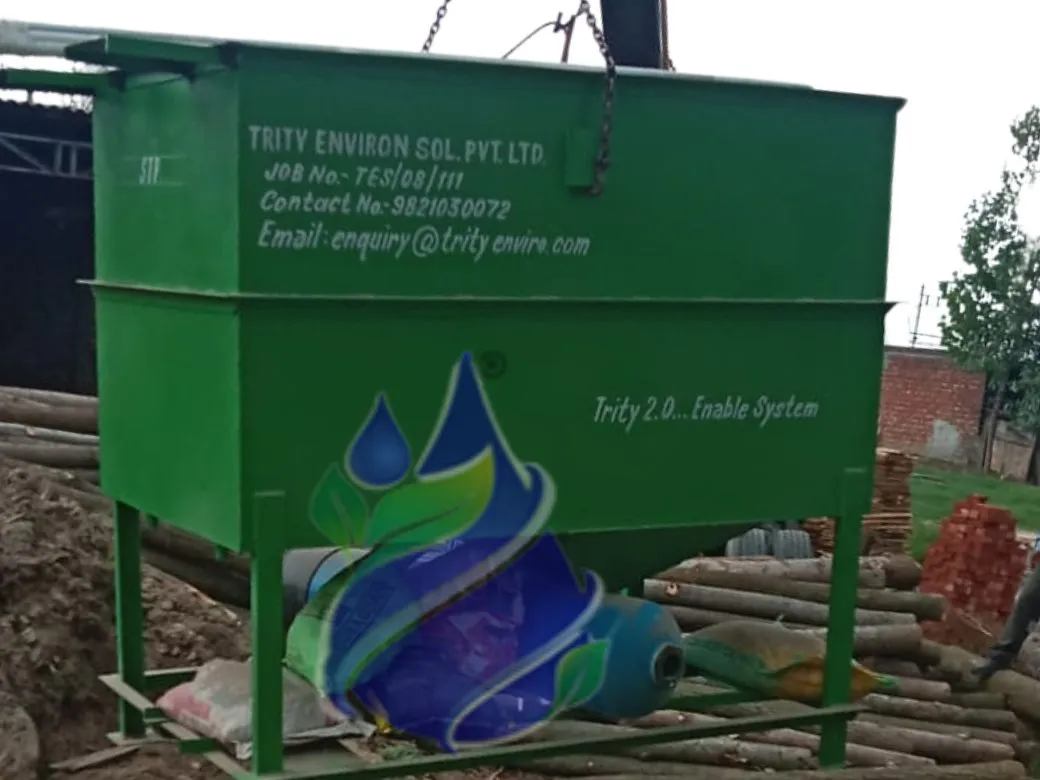
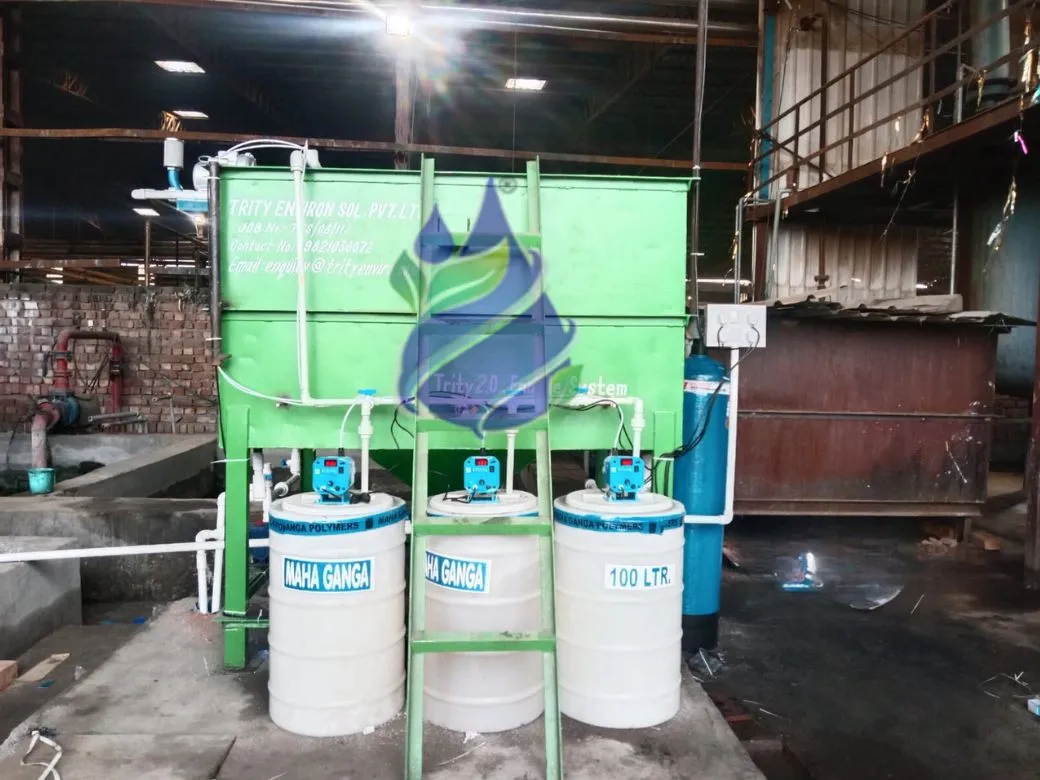
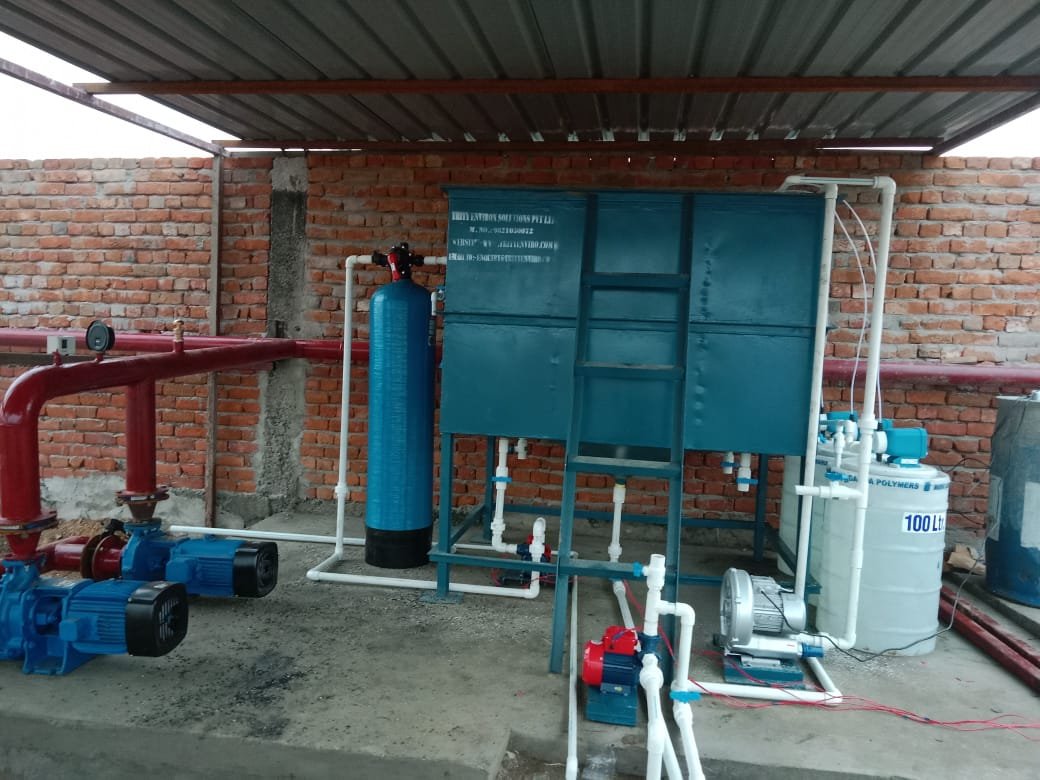
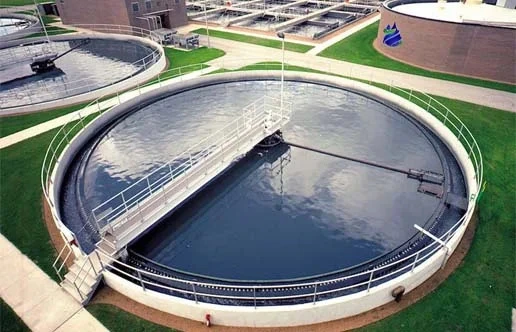
The Hyderabad Metropolitan Water Supply and Sewerage Board (HMWSSB) has asked all Resident Welfare Associations and private operators running sewage treatment plants (STPs) in the city to register by October 1, 2026, as part of an initiative to build a certified network of treated-wastewater suppliers. The move, announced in a press release, is aimed at promoting reuse of treated wastewater and strengthening water conservation across HMWSSB's jurisdiction.
What Registration Involves
Private STPs across the Core Urban Region Economy (CURE) area, operated by government bodies, private residential colonies and industries, will be surveyed and geo-tagged for inclusion in an HMWSSB database. Officials will record each plant's treatment capacity, daily treated-water output, and key quality parameters, including chemical oxygen demand (COD), biological oxygen demand (BOD), pH and total suspended solids (TSS).
Plants that opt in will be registered as certified treated-water suppliers and will be inspected periodically to confirm they continue to meet prescribed quality standards. Registered facilities can update real-time treated-water availability through an online portal, helping route supply to nearby users seeking non-potable water.
Where the Treated Water Will Be Used
HMWSSB intends to promote treated wastewater for non-potable applications, including gardening, industrial operations, cleaning and construction. Making this water available closer to where it is generated is intended to reduce reliance on freshwater sources for uses that do not require drinking-water quality.
Part of a Broader Water Reuse Push
This registration drive builds on an earlier phase of the same programme launched in April 2026, and follows a separate initiative announced in July 2026, under which HMWSSB proposed two public-private partnership projects to supply treated wastewater from its own Attapur and Nagole STPs to industrial and commercial hubs, including data centres, manufacturing units and IT parks in the Chandan Valley and Future City corridors. Officials have noted that HMWSSB's own STPs have an aggregate installed treatment capacity of around 1,878 MLD, much of which remains available for non-potable reuse if properly routed to demand centres.
Together, these initiatives reflect a shift toward treating both public and privately operated sewage treatment plants as part of a single citywide water-reuse network, rather than managing large utility STPs and smaller private plants as entirely separate systems.
Key Highlights
- HMWSSB has set an October 1, 2026 deadline for private STPs to register for a citywide treated-wastewater supply network.
- Registered plants will be geo-tagged, with capacity, output and quality parameters (COD, BOD, pH, TSS) recorded in a central database.
- Treated water is intended for non-potable uses: gardening, industrial operations, cleaning and construction.
- Registered STPs will be inspected periodically and can update treated-water availability via an online portal.
- The drive follows HMWSSB's own PPP plans to supply treated water from its Attapur and Nagole STPs to industrial and IT corridors.
Sources & Further Reading
This article is based on reporting from Telangana Today and NewsMeter, both published September 2026.