For years, raw sewage flowed straight into one of Mumbai's most visible water bodies. That has now changed, at least on paper, with the civic body rerouting the waste elsewhere.
What Changed at Powai Lake
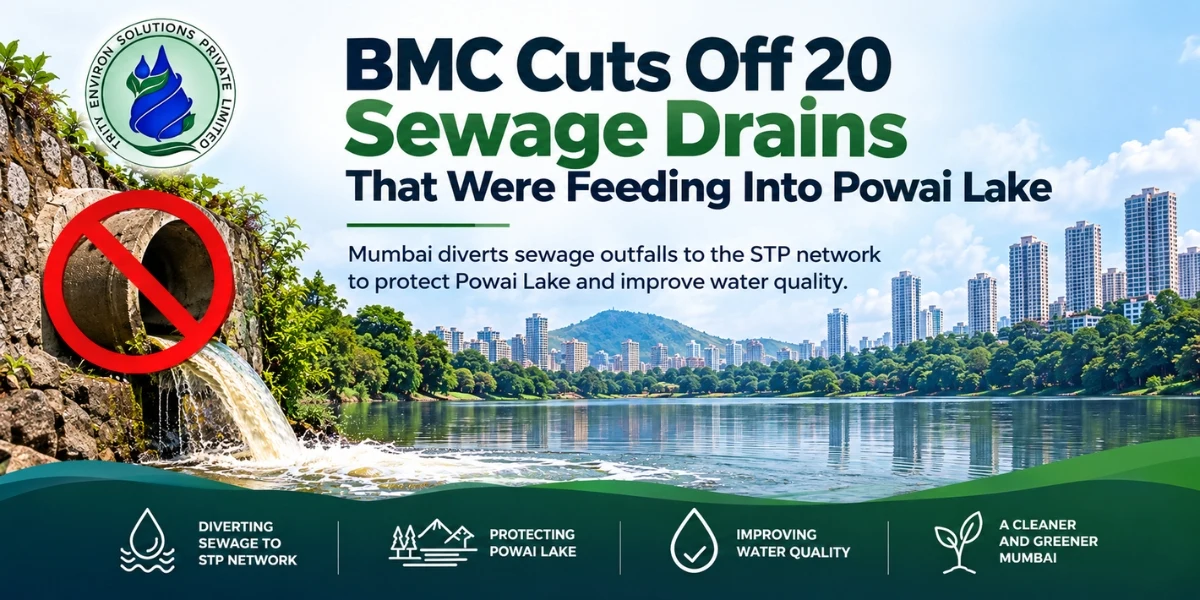
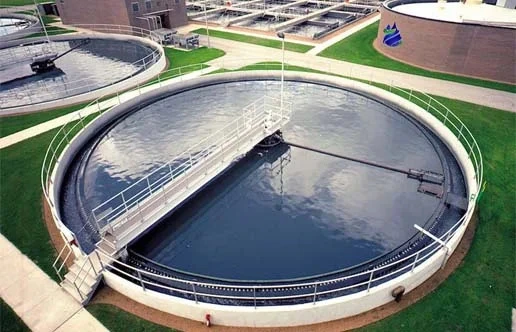
The Brihanmumbai Municipal Corporation (BMC) has diverted 20 sewage outfalls that were discharging untreated waste directly into Powai Lake, sending the flow instead into the city's sewage treatment plant network. The diverted flow is being split roughly between a new STP, the existing Bhandup facility, and the Mithi River drainage system, rather than being dumped straight into the lake.
This is a lake that sits inside the IIT Bombay campus boundary and has long been treated as a symbol of how unchecked urban sewage can degrade a water body that was never designed to absorb it.
Why This Took So Long
Powai Lake has been a known pollution hotspot for over a decade. Environmental groups, including the Mumbai-based NatConnect Foundation, have repeatedly flagged the lake's deteriorating water quality, running awareness campaigns urging residents to actually look at what the lake had become rather than assume it was clean because it looked scenic from a distance.
The National Green Tribunal has previously pushed BMC on untreated discharge into the lake, with civic authorities facing scrutiny over delayed compliance. A full-scale sewage treatment plant to permanently handle this catchment is targeted for completion by May 2027, meaning the current diversion is an interim fix rather than the final solution.
IIT Bombay has also run its own water quality monitoring on the lake, tracking parameters like dissolved oxygen and coliform levels over extended periods to build a record of how the water body responds as interventions like this one are rolled out.
What This Means in Practice
Diverting the outfalls does not clean the lake overnight. It stops new untreated sewage from entering, which is the necessary first step before any natural or assisted recovery in water quality can begin. For a lake inside an active academic campus, with recreational and ecological value attached to it, this distinction matters.
The Bigger Pattern
Powai Lake's problem was never really about the lake. It was about having nowhere designed to send the sewage in the first place, so the nearest water body absorbed it by default. That pattern repeats across Indian cities wherever treatment capacity has not kept pace with what gets flushed, washed, and drained every day.
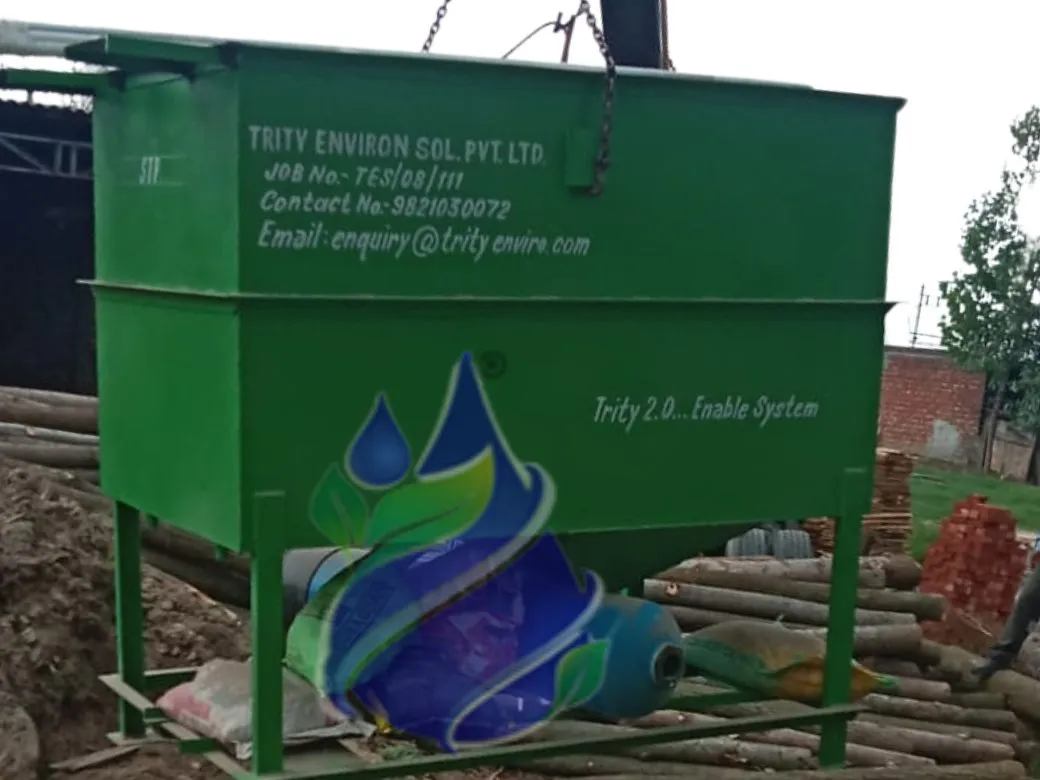
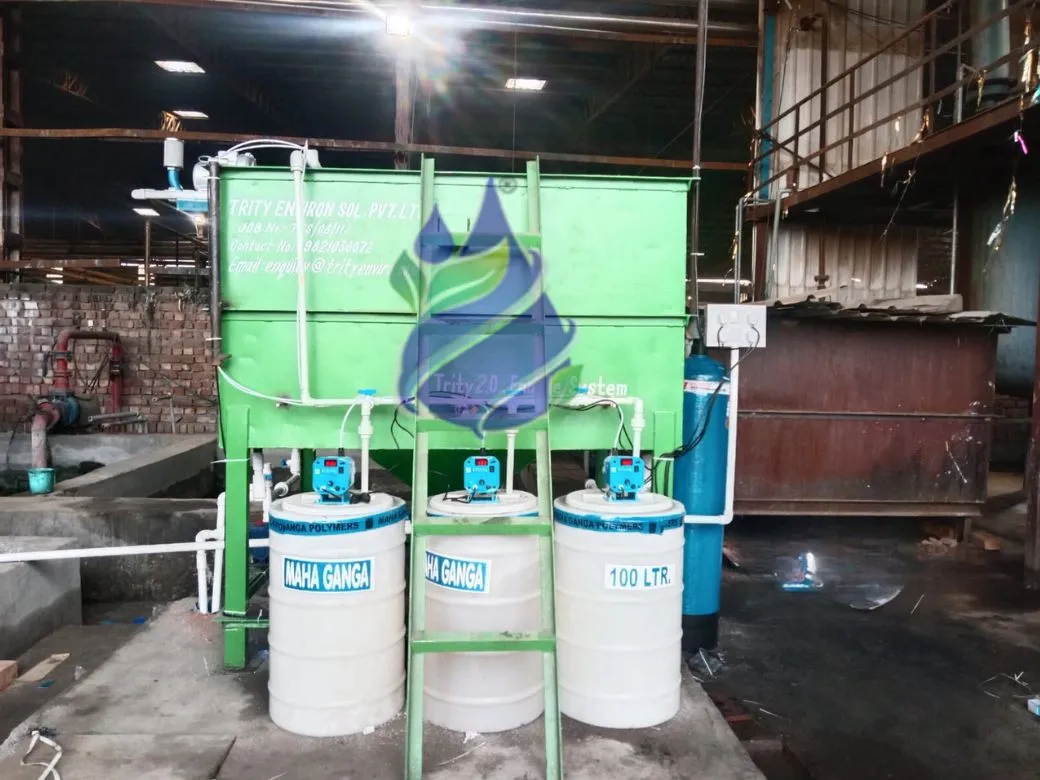
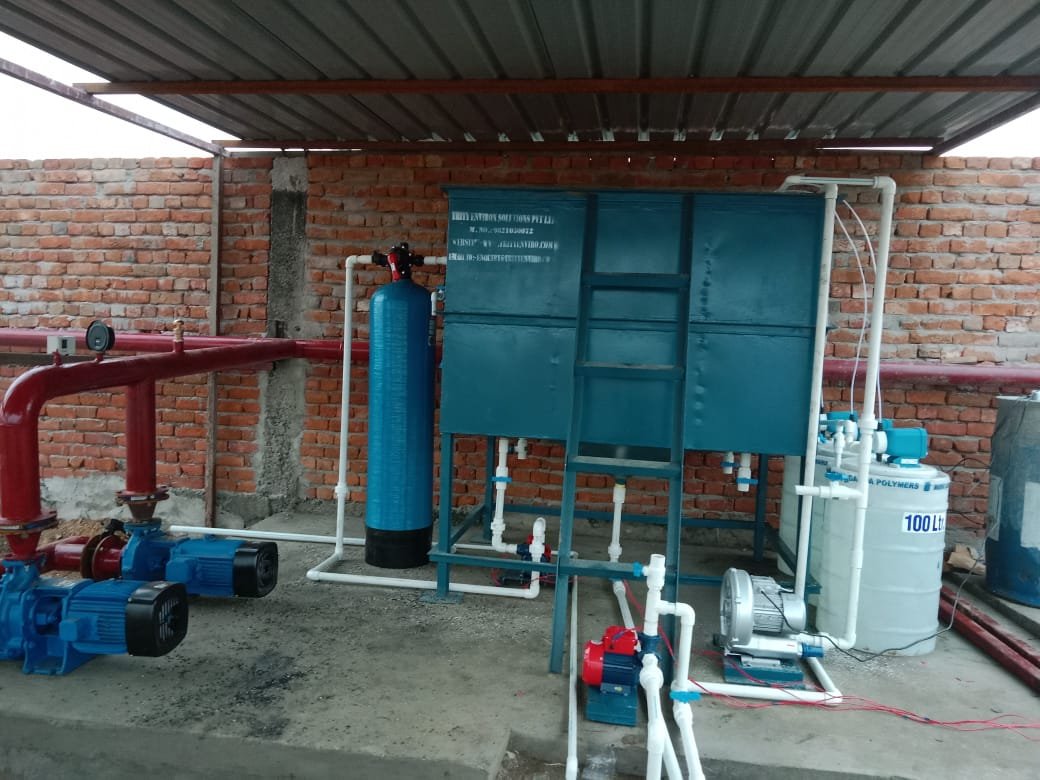
Permanent fixes look less like diversion and more like capacity: treatment plants sized correctly for the catchment they serve, with effluent treatment plant systems in place wherever commercial or institutional campuses discharge process water alongside domestic sewage. Retrofitting outfalls after the fact, as Mumbai has done here, is almost always more disruptive and expensive than designing treatment capacity in from the start.
Key Highlights
- BMC has diverted 20 sewage outfalls away from Powai Lake into the STP network
- Flow is being split across a new STP, the Bhandup facility, and the Mithi River drainage system
- A dedicated STP for this catchment is targeted for completion by May 2027
- IIT Bombay has run extended water quality monitoring on the lake
- NatConnect Foundation and NGT scrutiny preceded this diversion