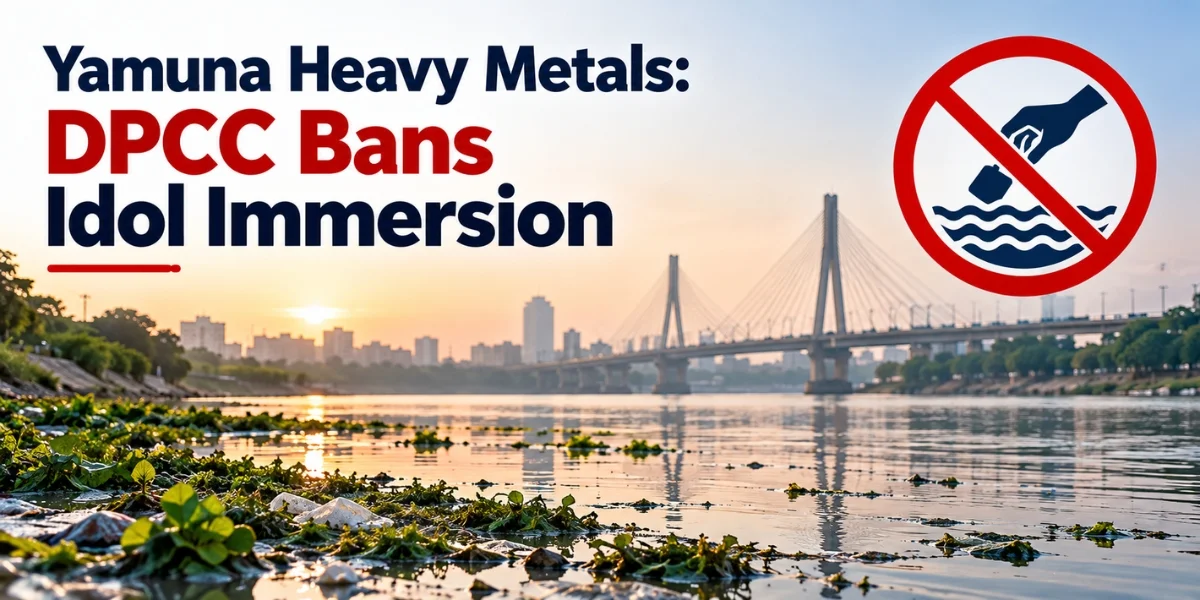
The Delhi Pollution Control Committee (DPCC) has prohibited idol immersion in the Yamuna and other water bodies across the city this festive season, citing the risk of heavy-metal contamination from chemical paints and dyes used on idols. The order, issued ahead of the September-October 2026 immersion period, directs district magistrates to enforce the restriction and requires concerned agencies to submit weekly action-taken reports through October.
Why DPCC Issued the Order
According to DPCC, idol immersion contributes to silting and a measurable deterioration in water quality, including changes in dissolved oxygen, biochemical oxygen demand and heavy-metal concentrations. Chemical paints and dyes commonly used on idols may contain hazardous elements such as mercury, chromium, lead and cadmium, which the committee says pose risks to aquatic life and public health when released into the river.
The order draws on earlier National Green Tribunal directions dated January 13 and September 16, 2015, which prohibit the disposal of waste, puja material, food grains, oil and other materials into the Yamuna except at designated locations. Violators face environmental compensation of Rs 50,000, deposited with DPCC, while violations under Section 33A of the Water Act can attract penalties under Section 41, including imprisonment of up to six years.
How Heavy Metals Enter the Yamuna
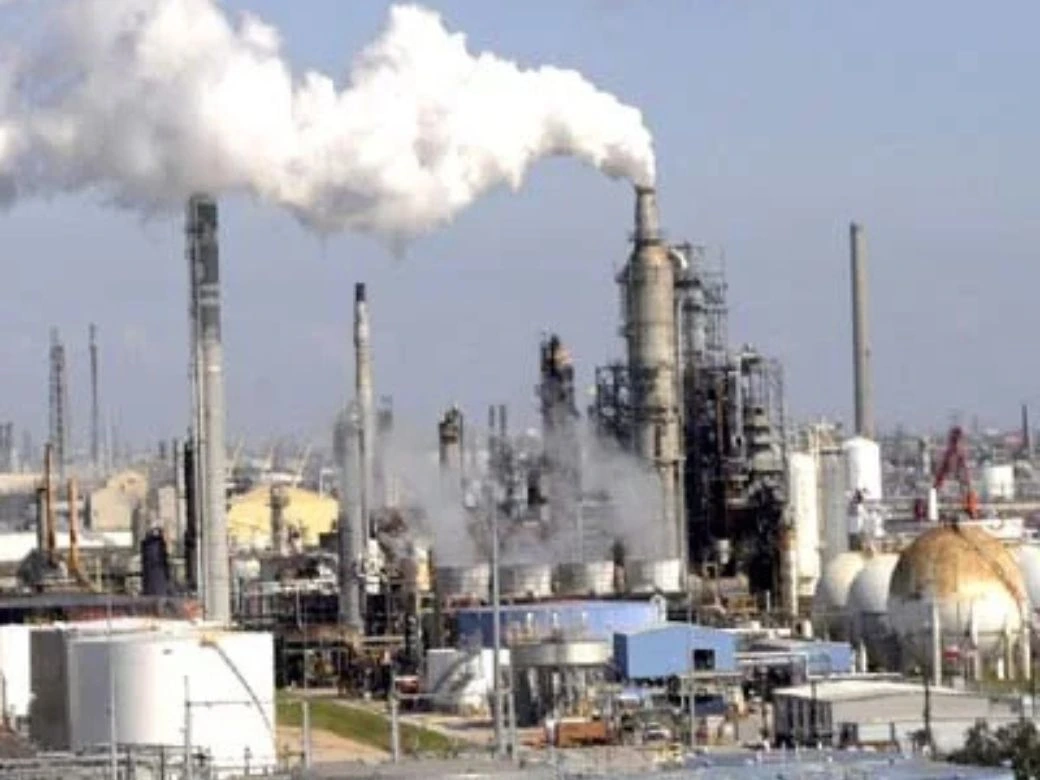
Idol immersion is one seasonal contributor to heavy-metal presence in the river, alongside the larger, year-round sources of industrial effluent and domestic sewage. Past CPCB assessments conducted after immersion events have recorded sharp short-term increases in certain metals, with chromium and iron levels rising well above permissible limits for a period following major immersion days, before gradually declining as the river dilutes and disperses the load.
Separately, longer-term academic water-quality studies of the Delhi stretch of the Yamuna have consistently identified the Najafgarh and Shahdara drains as major intermixing points where industrial and domestic discharge measurably raises heavy-metal concentrations compared with upstream sections of the river.
What This Means for Water Treatment and Monitoring
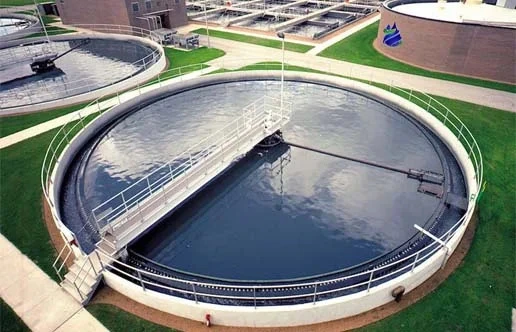
DPCC has said it will assess water quality before, during and after this year's immersion period against CPCB-prescribed parameters, with urban local bodies asked to create temporary immersion facilities and artificial ponds near residential areas as an alternative to river immersion.
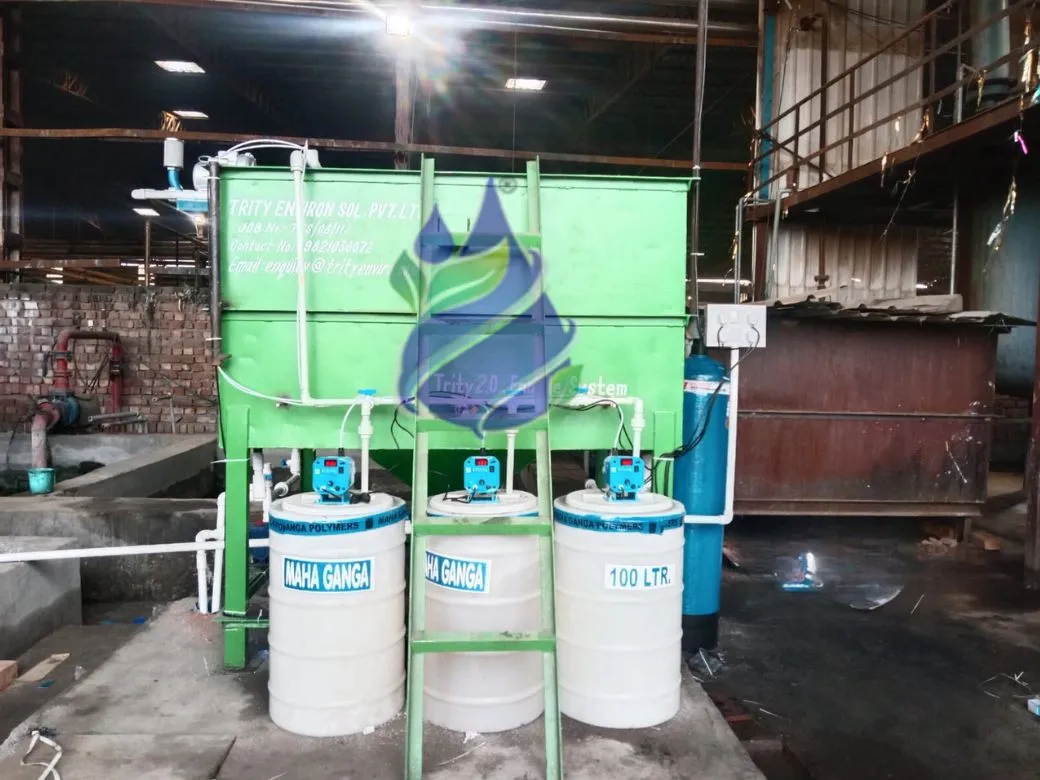
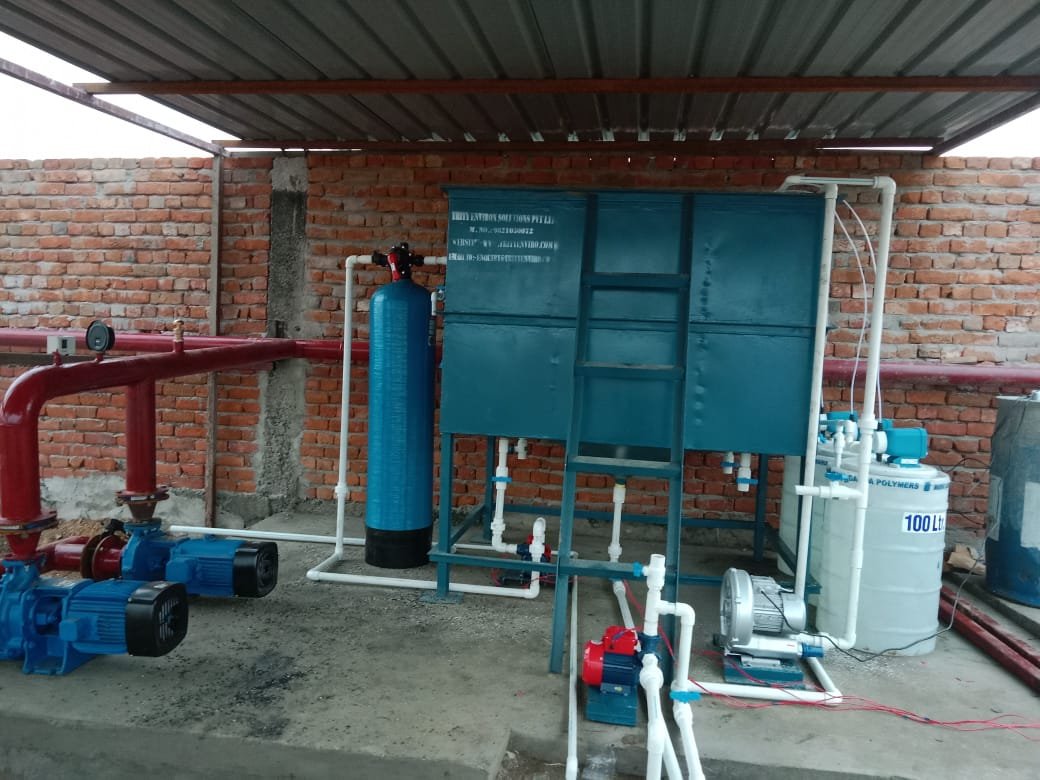
Heavy metals are more difficult to remove from water than organic pollutants, and typically require specific treatment approaches rather than standard biological treatment alone. This is one reason continuous monitoring of industrial effluent at the source remains important, since preventing heavy metals from entering a drain in the first place is generally more effective than attempting to remove them once they have dispersed into a large water body like the Yamuna.
Key Highlights
- DPCC has banned idol immersion in the Yamuna and other Delhi water bodies for the September-October 2026 festive season.
- The order cites contamination risks from mercury, chromium, lead and cadmium in idol paints and dyes.
- Weekly action-taken reports are required from concerned agencies through October 2026.
- Violations can attract environmental compensation of Rs 50,000 and, under the Water Act, penalties including imprisonment.
- Idol immersion adds to existing heavy-metal pressure on the Yamuna from industrial effluent and domestic sewage discharged via drains such as Najafgarh and Shahdara.
Sources & Further Reading
This article is based on reporting from the Deccan Chronicle, citing the Delhi Pollution Control Committee's order, and background on Yamuna heavy-metal studies from CPCB-cited assessments referenced in peer-reviewed water-quality literature.