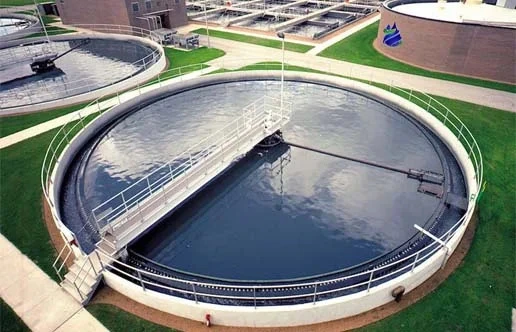
Here's a number worth sitting with: India's cities generate an estimated 52,644 million litres of sewage every single day, but the country's installed treatment capacity is only about 31,885 MLD. That leaves a gap of more than 20,700 MLD, roughly 39 percent of everything the country's urban areas flush, wash and drain each day, according to findings the Parliamentary Standing Committee on Housing and Urban Affairs presented in August 2026.
The Gap Is Actually Worse Than the Headline Number
Installed capacity and effective capacity are two very different things, and this is where the picture gets more uncomfortable. Of that 31,885 MLD of installed treatment capacity, only around 22,491 MLD is reportedly actually being utilised, meaning a meaningful chunk of the capacity that exists on paper isn't functioning at full tilt in practice, whether due to ageing equipment, inconsistent power supply, or plants simply not receiving the sewage flow they were designed for.
Reuse numbers are the smallest slice of all: treated-wastewater reuse stands at just 6,013 MLD nationally, despite rising demand for alternative water sources from industries, power plants, construction projects, agriculture and urban landscaping, all sectors that don't need drinking-water-quality water and could, in theory, be running substantially on treated effluent instead of freshwater.
Why AMRUT 2.0 Was Supposed to Fix This
The committee's review specifically flagged slow progress on sewerage and septage-management projects under AMRUT 2.0, the central government's flagship urban water scheme. Tender delays and weak local-body capacity to execute large infrastructure projects were cited as recurring bottlenecks, which is a polite parliamentary way of saying that having a scheme and a budget line doesn't automatically translate into pipes getting laid and plants getting commissioned on schedule.
This isn't a new pattern for Indian sewage infrastructure. The CPCB's own National Inventory of Sewage Treatment Plants has documented similar structural gaps for years, and the specific figures shift from report to report depending on methodology and which cities are covered, but the underlying story stays remarkably consistent: urban India keeps growing faster than its capacity to treat what it produces.
What This Means City by City
National averages hide a lot of local variation, and this is really where the gap becomes concrete. Delhi's own installed capacity has climbed from 749 MGD to 814 MGD over the past year, still short of the roughly 1,000 MGD it generates daily. Faridabad is racing to add 90 MLD across three new CETPs. Bengaluru just proposed nine new STPs targeting a reported 1,215.5 MLD shortfall of its own. Every one of these city-level stories is a local instance of the same national arithmetic problem this Parliamentary review just put a number on.
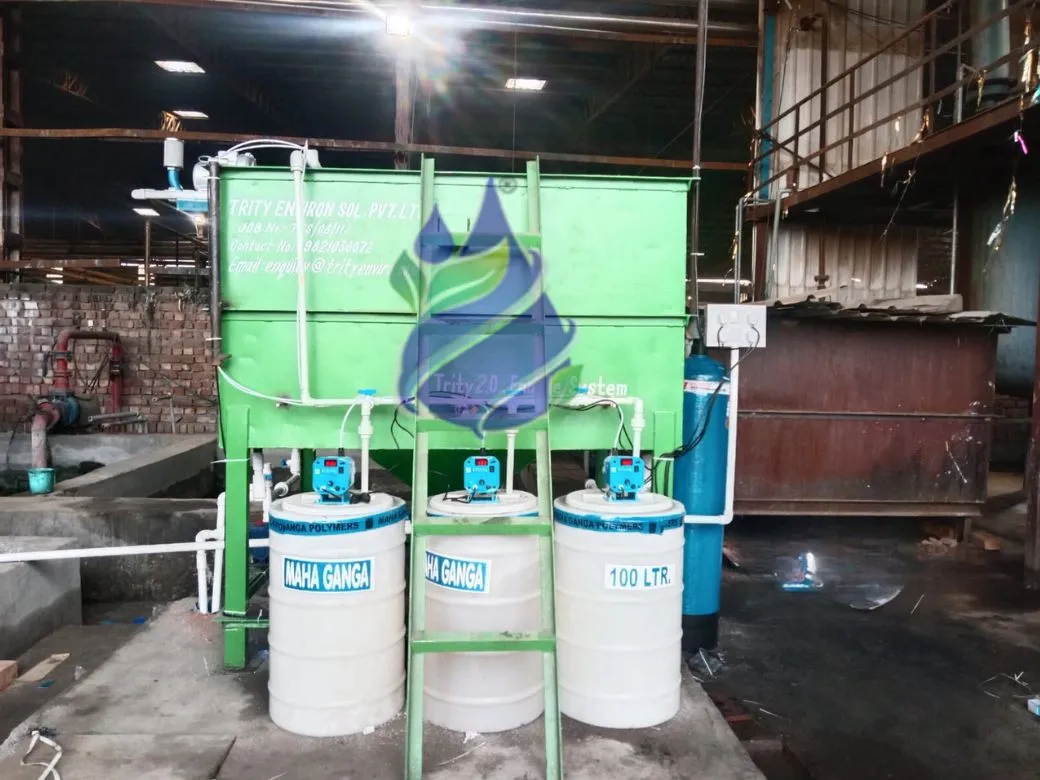
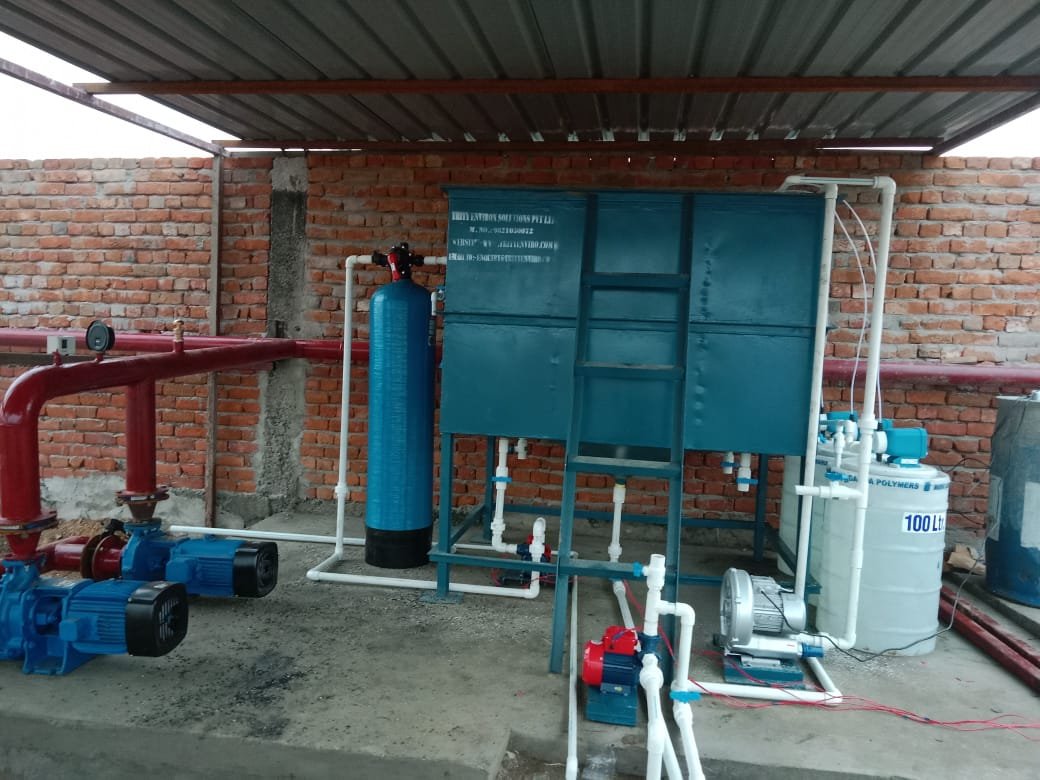
For industries, municipalities and developers navigating this landscape, the practical takeaway is straightforward: capacity built today against a currently-known gap will likely still be catching up with actual demand by the time it's commissioned, which is exactly why consistent, well-maintained sewage treatment and effluent treatment infrastructure, built with room for growth rather than just current demand, matters more than ever.
Key Highlights
- India's urban areas generate approximately 52,644 MLD of sewage daily, against installed treatment capacity of about 31,885 MLD.
- The resulting treatment gap exceeds 20,700 MLD, per the Parliamentary Standing Committee on Housing and Urban Affairs.
- Of the installed capacity, only around 22,491 MLD is actually being utilised in practice.
- Treated-wastewater reuse stands at just 6,013 MLD nationally, far below potential demand from industry, agriculture and construction.
- The committee flagged tender delays and weak local execution capacity as key reasons AMRUT 2.0 sewerage progress remains slow.
Sources & Further Reading
This article is based on reporting from WaterToday, published August 5, 2026, citing findings from the Parliamentary Standing Committee on Housing and Urban Affairs.