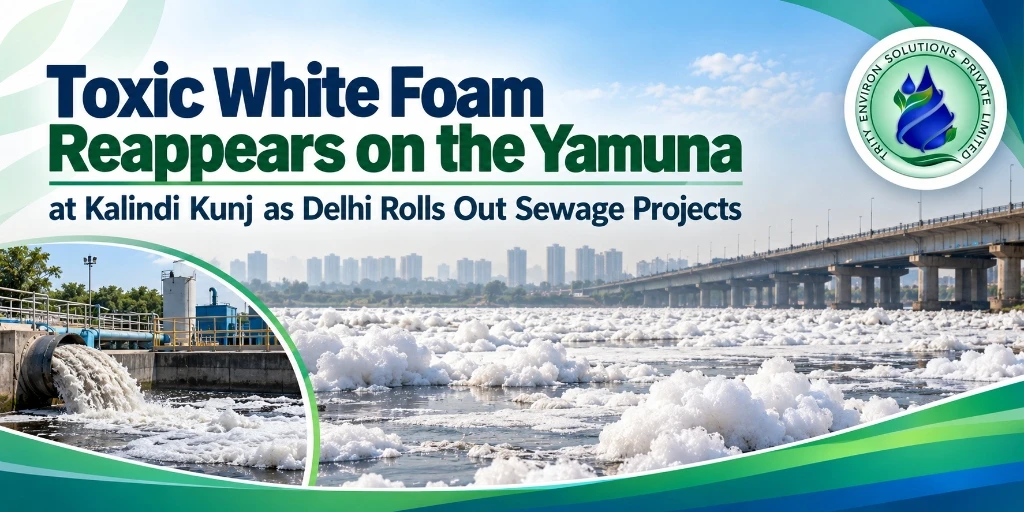
Thick white foam has returned to the Yamuna near Kalindi Kunj in Delhi, covering large stretches of the river. Business Today and DNA reported the sight on October 25.
It came days after Chief Minister Rekha Gupta inaugurated Yamuna revival projects worth about Rs 9,000 crore. The reports describe the foam as "thick chemical foam" but do not say where it comes from.
What the Reports Say
- White foam covers large stretches of the river near Kalindi Kunj, with visuals showing sheets drifting across the water
- Neither report identifies a source or cites a test result
- Gupta said the government was "working day and night" toward a clean Yamuna
- The foam appeared alongside a rise in the capital's air pollution, which both reports mention as a "double blow" for Delhi
What the reports do not give matters as much as what they do. There is no official statement on the cause, no lab result and no word yet from the Delhi Pollution Control Committee (DPCC) or the Delhi Jal Board (DJB) in the coverage reviewed.
The Projects Launched Days Earlier
On October 22, Union Home Minister Amit Shah inaugurated and laid foundation stones for 43 DJB projects worth Rs 8,941.22 crore, as reported by The Tribune.
- A new 124 MGD sewage treatment plant at Okhla
- Upgrades to eight existing STPs
- 29 decentralised STPs and pumping stations for unauthorised colonies and villages
- 1,034 km of new sewers
The stated goal is that no untreated wastewater generated in Delhi reaches the Yamuna through drains. Works are to be completed in two to two-and-a-half years, with visible improvement in about a year and a half.
Why the foam does not contradict the plan
Foam seen on October 25 reflects the state of the river today. The new plants are not yet built. The foam is a reminder of the gap between announcement and outcome, not evidence about the new projects.
Why Yamuna Foam Forms
This section is general background, not a finding about this event.
Foam on polluted rivers generally forms when the water carries surfactants, which are the cleaning agents in detergents and soaps, along with organic matter and phosphates. When water falls over a barrage or gate, turbulence whips air into it and the surfactants hold the bubbles together.
Typical contributors
- Household detergents entering drains from homes and laundries
- Industrial and commercial washing discharges
- Organic matter from untreated sewage
- Turbulence at barrages and weirs, which turns the pollutants into froth
The foam itself is made of air, water and surfactants. What it signals is that the water below carries a heavy pollution load. Whether any specific batch contains harmful chemicals can only be shown by testing.
Where Foam Usually Shows Up
This is general background on how the river is laid out, not a finding from this report.
Kalindi Kunj lies on the Yamuna near the Okhla barrage, at the southern end of Delhi's stretch. Water that has already collected pollution from drains upstream passes over the barrage here. Turbulence at gates and weirs is where foam is most likely to form and be seen.
So foam at Kalindi Kunj tells us about the load the river is carrying by the time it leaves the city. It does not say which drain it came from. Answering that needs sampling at several points upstream.
What readers should not conclude
- That the foam is proof of any single industry or colony
- That the new projects have failed, because none is built yet
- That the foam is harmless because it is mostly air, since the water beneath it carries the pollutants
What the Water Data Shows
DPCC data for September 2026, reported by The Pioneer on October 9, gives a sense of the load.
- BOD at ISBT Bridge was 30 mg/L in September, up from 28 mg/L in August, against a water quality criterion of 3 mg/L
- Faecal coliform rose at Wazirabad, Nizamuddin Bridge and Asgarpur between August and September
BOD measures the oxygen that microbes need to break down organic matter. A figure ten times the criterion indicates heavy organic pollution. These are September readings, not measurements of the October 25 foam.
The Same Day, a Hazier Sky
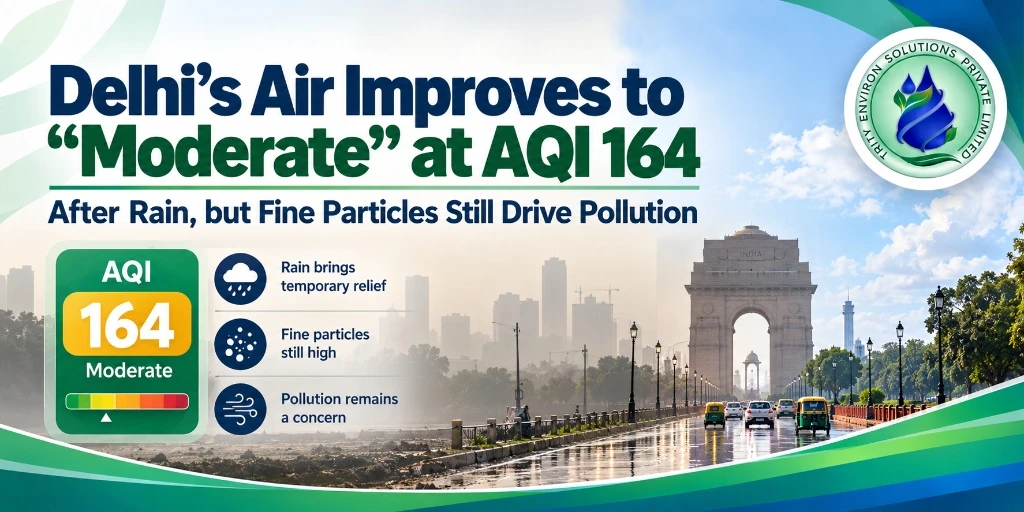
The foam was reported with Delhi's air quality. Business Today and DNA put the overall Delhi-NCR AQI at 168, with PM2.5 and PM10 as the main pollutants. Station readings varied from about 110 at PGDAV College, Sriniwaspuri, to above 180 at several other locations.
DNA described 168 as "unhealthy". That label belongs to the US AQI scale. On India's National AQI, a reading of 168 falls in the "moderate" band. The two scales use different breakpoints, so readers should check which one is meant. The Business Standard bulletin for the following Monday gave Delhi's CPCB AQI as 164, "moderate".
What Would Actually Reduce Foam
Foam is a symptom, and it falls when the load falls.
At the source
- Connect drains to sewers so household detergent goes to a plant, not the river
- Check industrial and commercial washing units for illegal discharge
- Enforce limits on phosphate and surfactant content where rules allow
At the plant
- Run STPs at design capacity with working biological treatment
- Verify outlet BOD, COD and phosphate regularly
- Keep a structured operation and maintenance contract so plants keep meeting norms after commissioning
For buildings and institutions
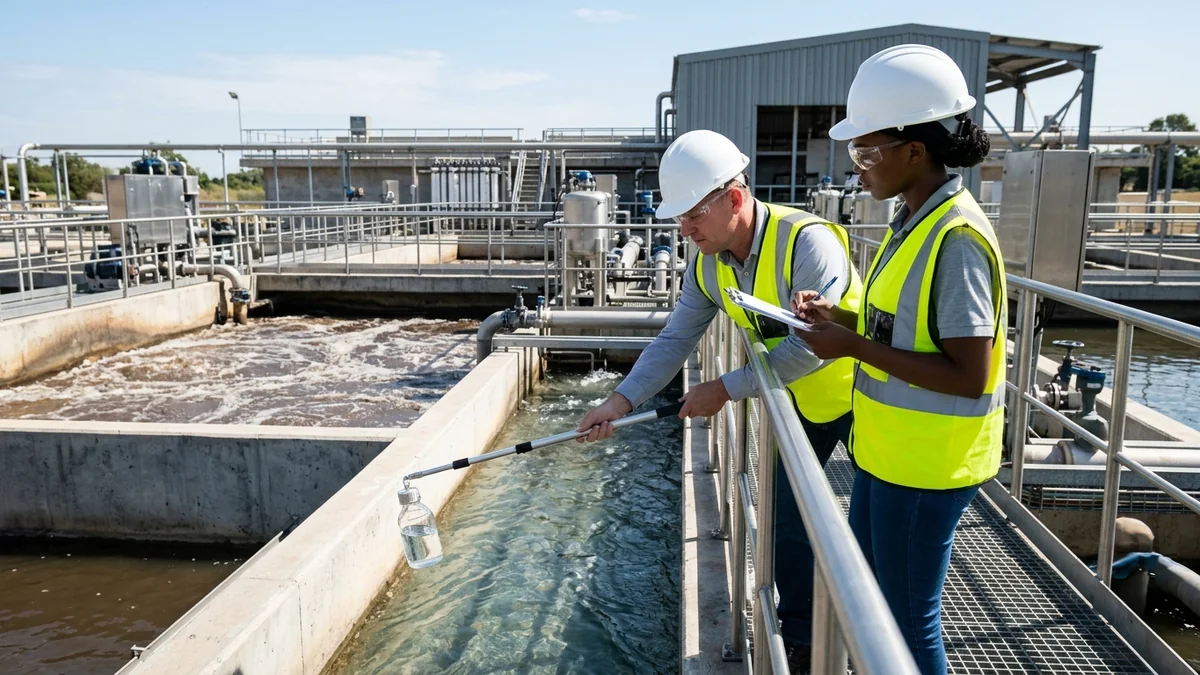
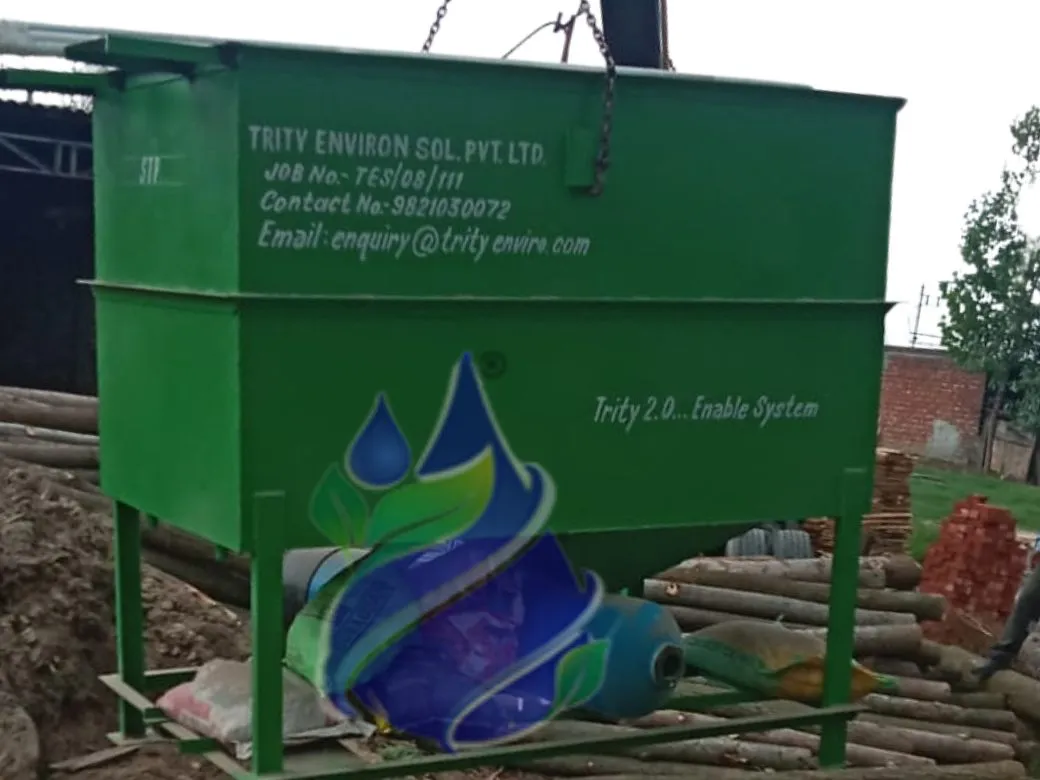
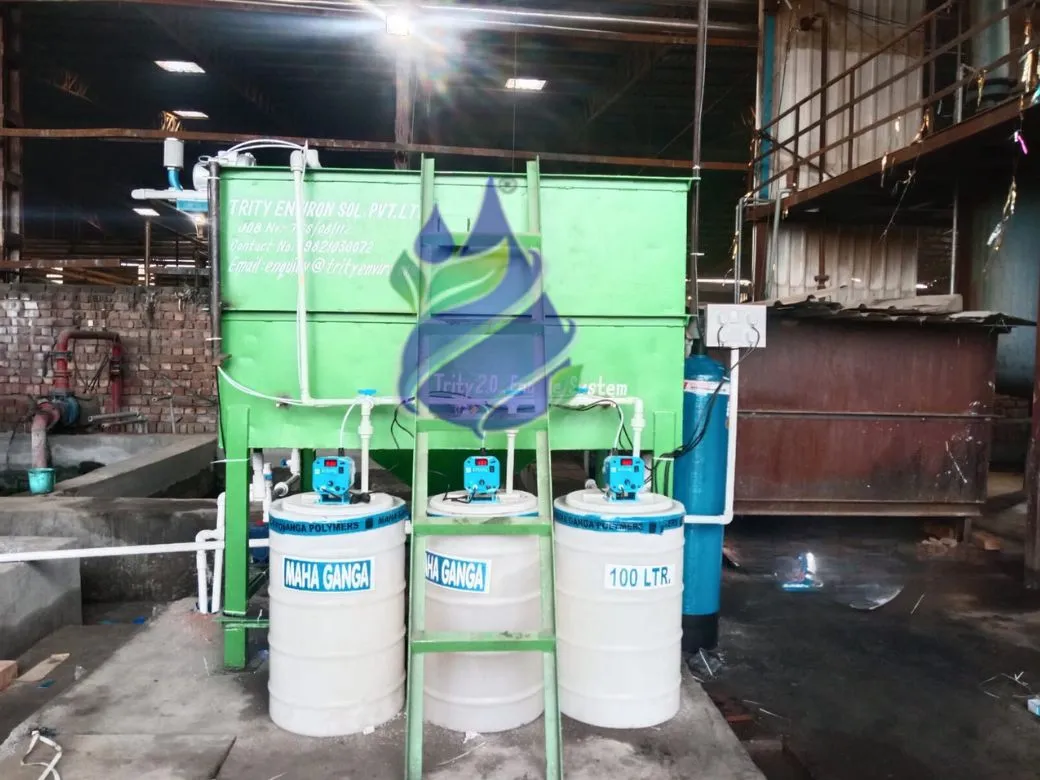
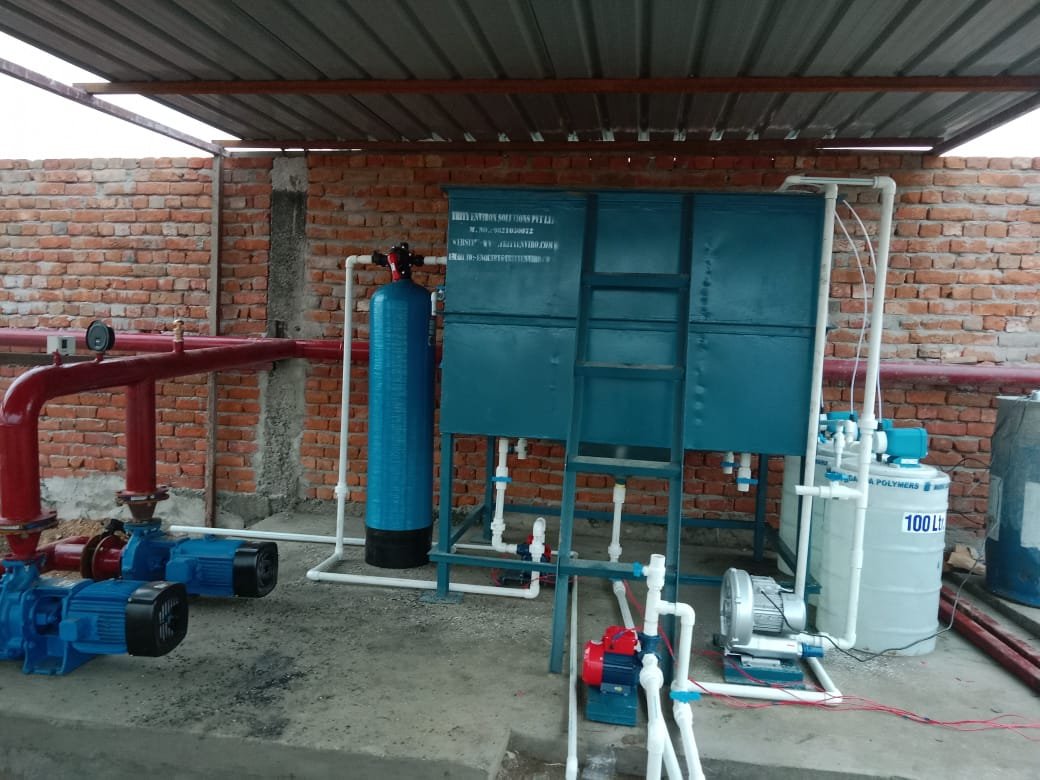
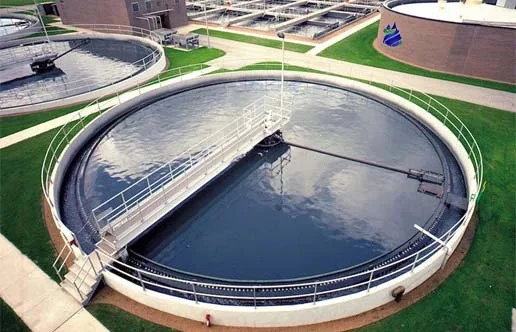
Large societies, campuses and commercial buildings can treat their own wastewater. A well-run sewage treatment plant keeps a building's discharge off the drains, and treated water can be reused for flushing and gardening.
Why Visible Symptoms Draw Attention
A river's condition is easy to judge when foam, colour or smell change. Laboratory numbers such as BOD, COD and faecal coliform tell more, but they reach the public with a delay, usually in monthly reports.
That is why the Rs 8,941.22 crore package will be judged on two tests.
- Outlet and in-river data at Wazirabad, ISBT Bridge, Nizamuddin and Asgarpur
- What residents and officials can see at points like Kalindi Kunj
Both need to improve for the claim of a clean river to hold. The government has set a target of May 2029.
What to Watch Next
- Whether DPCC or DJB publish a test result or statement on the foam
- Whether foam persists at the Okhla barrage and Kalindi Kunj over the coming days
- DPCC's October water quality data, due after the month ends
- Whether construction on the new STPs begins on schedule
Clear statements from the agencies would help separate the visible symptom from the cause.