The Delhi Jal Board (DJB) has approved one of the largest sewer network expansions the city has seen, awarding contracts to lay nearly 989 km of new sewer pipelines across 244 colonies and 57 villages. Announced by Water Minister and DJB Chairman Parvesh Sahib Singh after the Board's 179th meeting, the project aims to connect around 8 lakh households that currently have no sewer connection at all.
What the Sewer Network Expansion Covers
The nearly 989 km of new sewer lines are intended to bring house sewer connections to colonies and villages that have so far relied on informal drainage or open discharge. DJB estimates the project, worth close to Rs 1,600 crore, will benefit close to 33 lakh residents once complete, with work expected to be finished within 18 months of award.
A Change in How Sewer Infrastructure Will Be Maintained
Beyond simply laying new pipe, the Board has changed how these contracts are structured. All new sewer contracts will now include 15 years of mandatory operation and maintenance by the same contractor that builds the network, a departure from earlier practice where construction and upkeep were often handled separately. Officials say this is intended to make contractors directly accountable for the long-term condition of the infrastructure they build, rather than treating installation and maintenance as separate, disconnected obligations.
The Board has also introduced a performance-linked payment system for sewage treatment plant operators, tying part of their payment to the quality of treated water they actually deliver rather than to plant uptime alone.
Why Sewer Connectivity Is the Other Half of the Treatment Gap
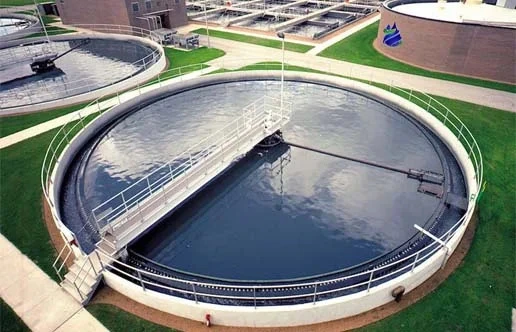
Delhi's sewage treatment capacity has been rising, from 749 MGD to 814 MGD over the past year through plant upgrades, alongside 28 new decentralised sewage treatment plants approved at the same meeting. But treatment capacity only reduces pollution if the sewage it is meant to treat actually reaches a plant in the first place. Households in unconnected colonies and villages currently have no way to route their wastewater to any sewage treatment plant, regardless of how much capacity exists elsewhere in the city, which is why this sewer expansion is being pursued alongside, not instead of, new treatment capacity.
Key Highlights
- DJB has approved laying nearly 989 km of new sewer pipelines across 244 colonies and 57 villages.
- The project, worth close to Rs 1,600 crore, aims to connect around 8 lakh currently unsewered households.
- Around 33 lakh residents are expected to benefit once the network is complete, with an 18-month completion target.
- New sewer contracts now include a mandatory 15-year operation and maintenance obligation for contractors.
- A performance-linked payment system has also been introduced for sewage treatment plant operators, tied to treated water quality.
Sources & Further Reading
This article is based on reporting from the Daily Pioneer and Daily Pioneer's companion coverage of DJB's 179th meeting, held in late July 2026.