Delhi and neighbouring NCR states have sharply stepped up pollution hotspot inspections over the past few weeks, combining ward-level monitoring teams, a Commission for Air Quality Management (CAQM) directive to identify and map hotspots regionally, and an active enforcement drive that has inspected tens of thousands of industrial and construction sites across the region so far this year.
Delhi's 47 Hotspots Placed Under Focused Monitoring
Delhi's Lieutenant Governor Taranjit Singh Sandhu and Chief Minister Rekha Gupta have directed senior officials to take stricter, hotspot-specific action against dust, vehicular emissions and industrial pollution, placing 47 identified air pollution hotspots across all 13 districts under focused monitoring. Thirteen senior officers, at the rank of Additional Chief Secretary, Principal Secretary and Secretary, have been assigned responsibility for specific hotspots, with officials directed to ensure regular monitoring and greater accountability.
CAQM's Regional Hotspot Mapping Directive
Separately, CAQM has directed Haryana, Rajasthan and Uttar Pradesh to identify pollution hotspots within their own NCR districts and prepare detailed, hotspot-specific action plans, rather than treating air pollution as a single undifferentiated regional problem. Delhi has been asked to update its existing hotspot list and submit a revised implementation plan reflecting current conditions.
Ward-Level Teams and Night Inspections
As part of the winter 2026-27 action plan finalised by Union Minister Bhupender Yadav and Delhi Environment Minister Manjinder Singh Sirsa, Delhi has deployed 78 dedicated Sub-Divisional Teams across the city's 39 sub-divisions, with two teams per sub-division led by AEE or JEE-level officers from the Delhi Pollution Control Committee (DPCC). A further 256 ward-level teams, including 250 for the Municipal Corporation of Delhi, four for the New Delhi Municipal Council and two for the Delhi Cantonment Board, operate on a 24/7 basis.
These teams conduct inspections, including during night hours, targeting biomass burning, construction and demolition dust, industrial pollution, use of unapproved fuels and illegal waste dumping. Their responsibilities also include bringing construction sites within the ambit of the Dust Portal, checking compliance with CAQM Direction No. 76 on diesel generator sets, and inspecting decentralised construction waste storage centres.
CAQM's Enforcement Task Force: Inspection Numbers So Far
At its 139th meeting, CAQM's Enforcement Task Force (ETF) reviewed enforcement activity across NCR for the two-week period from August 24 to September 7, 2026, during which 150 inspections were conducted: 98 in the industrial sector, 45 related to diesel generator sets, and seven at construction and demolition sites.
A special inspection drive was also carried out in Nuh, Haryana, on September 3, where eight teams from CAQM's Flying Squads, working alongside district administration, police and the Haryana State Pollution Control Board (HSPCB), inspected 35 premises. Of these, 13 units were found compliant, seven were locked and scheduled for reinspection, and other cases were referred for further action.
Cumulatively, as of September 14, 2026, CAQM's Flying Squads have inspected 28,547 units or projects across NCR, resulting in 1,829 Closure Directions and 1,479 Resumption Orders issued after compliance was verified. A further 126 cases have been transferred to the respective State Pollution Control Boards or the DPCC for final decisions, with 224 entities still under review for resumption.
Why This Matters for Industrial Operators
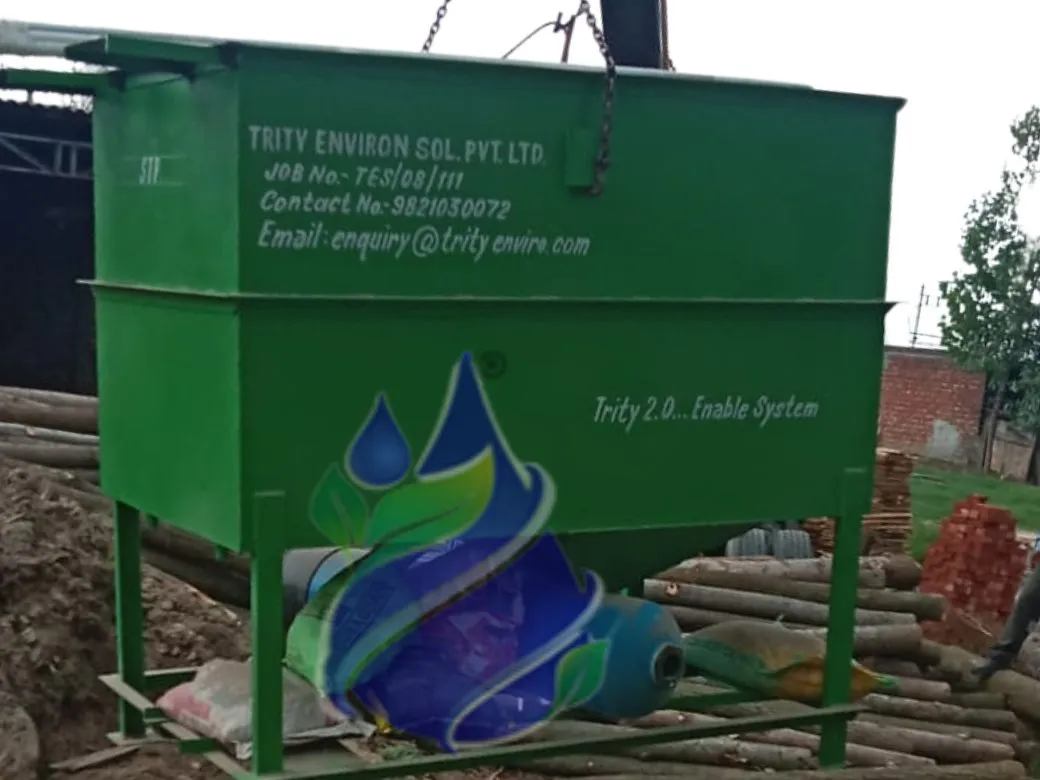
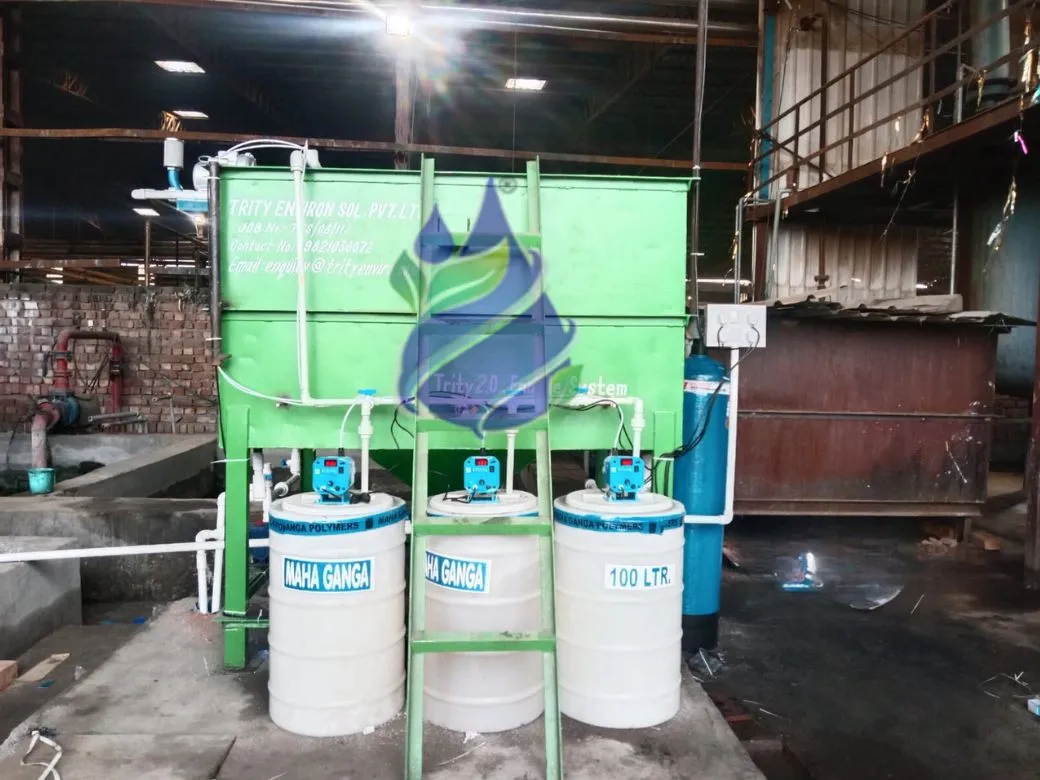
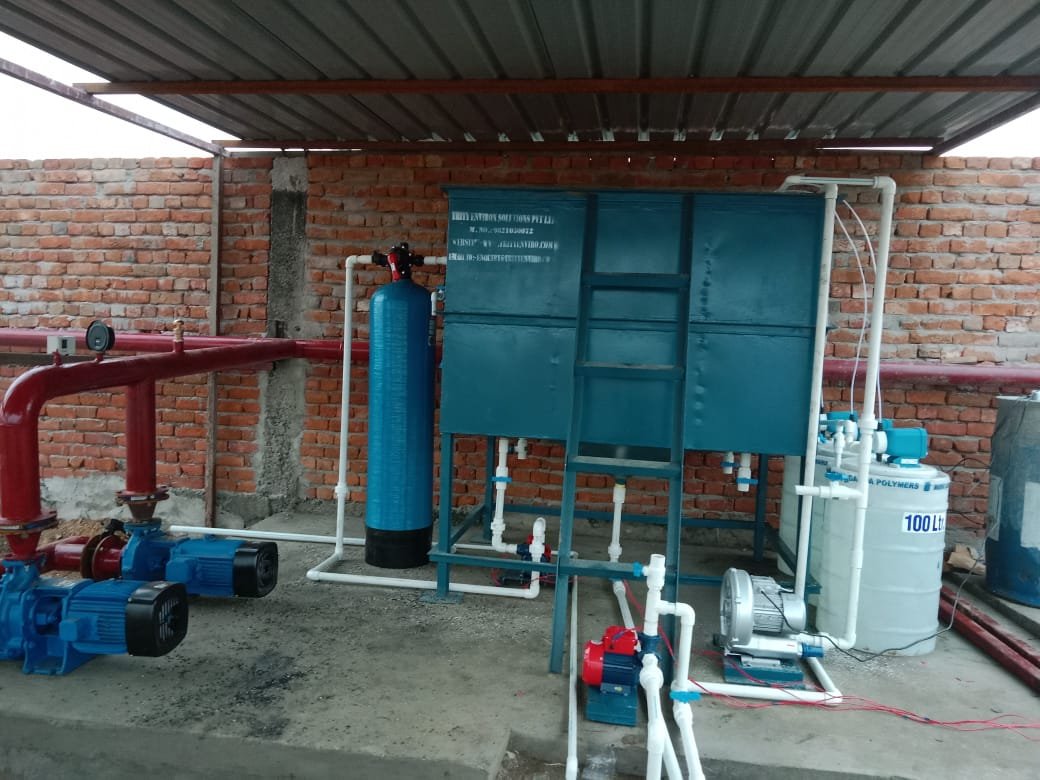
For industries operating in NCR, particularly those in or near an identified hotspot, this level of inspection activity means functioning, properly calibrated emission monitoring and pollution-control equipment is no longer optional groundwork, it is what determines whether a unit avoids a Closure Direction during a routine or surprise inspection. Reliable operation of a wastewater or effluent treatment system, alongside compliant air pollution controls, reduces the risk of enforcement action across both categories.
Key Highlights
- Delhi has placed 47 identified pollution hotspots across all 13 districts under focused monitoring, with 13 senior officers assigned responsibility.
- CAQM has directed Haryana, Rajasthan and UP to identify their own NCR hotspots and prepare dedicated action plans.
- Delhi has deployed 78 sub-divisional teams and 256 ward-level teams operating 24/7, including night inspections.
- CAQM's Enforcement Task Force recorded 150 inspections in a two-week period in late August and early September 2026 alone.
- Cumulative NCR-wide inspections by CAQM's Flying Squads stand at 28,547 units, resulting in 1,829 Closure Directions to date.
Sources & Further Reading
This article draws on reporting from Elets eGov, Urban Acres, and The News Mill, covering developments between September 3 and September 18, 2026.