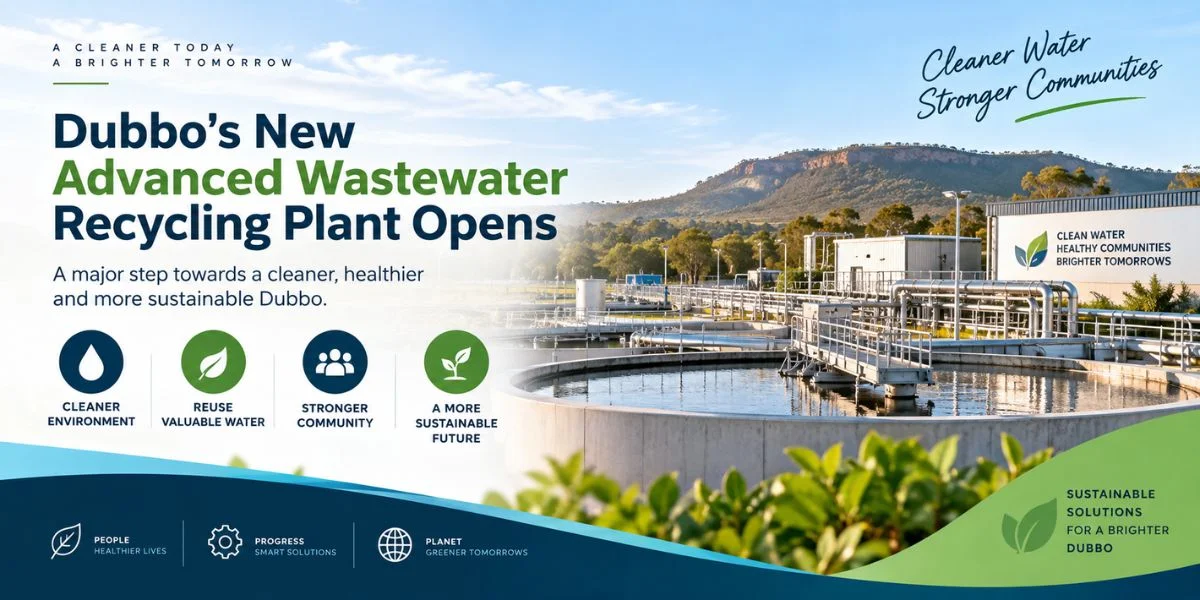
Dubbo Regional Council and renewable energy company Squadron Energy have switched on a new advanced wastewater treatment plant at the Dubbo Sewage Treatment Plant site, north of the city, in a milestone for regional water security in central New South Wales. As inland Australian communities face growing pressure on freshwater supplies from population growth, drought cycles and industrial development, projects that recover usable water from existing wastewater streams are becoming an increasingly important part of regional planning, and Dubbo's new facility is one of the more advanced examples built in the country to date.
What Is the New Advanced Wastewater Treatment Plant?
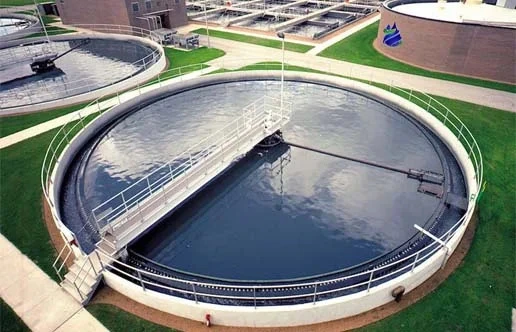
The facility is described as an advanced wastewater treatment plant, or AWTP, built specifically to take effluent that has already passed through Dubbo's existing sewage treatment plant and put it through a further stage of purification. Rather than being discharged to the Macquarie River or sent to an irrigation property once treated to a standard level, this portion of the water is now processed further so it can be reused for non-drinking purposes.
Location and Project Partners
The plant is located within the Dubbo Sewage Treatment Plant precinct, north of Dubbo. It was delivered as a public-private partnership between Dubbo Regional Council and Squadron Energy, one of Australia's major renewable energy developers, with construction beginning in August 2025 and the plant switched on in September 2026. Squadron Energy contributed part of the project cost in exchange for access to recycled water to support construction of its wind farm and energy storage projects in the region, reducing the extent to which that construction work draws on the town's drinking water supply.
Treatment Capacity
According to Dubbo Regional Council, the plant is designed to treat up to approximately 700 megalitres of water a year, equivalent to roughly two megalitres, or about 80 percent of an Olympic-size swimming pool, of additional recycled water capacity per day. The project has been reported as a $7.8 million investment, jointly funded by the council and Squadron Energy. These figures come from council and project reporting at the time of the plant's opening.
How the Advanced Treatment Technology Works
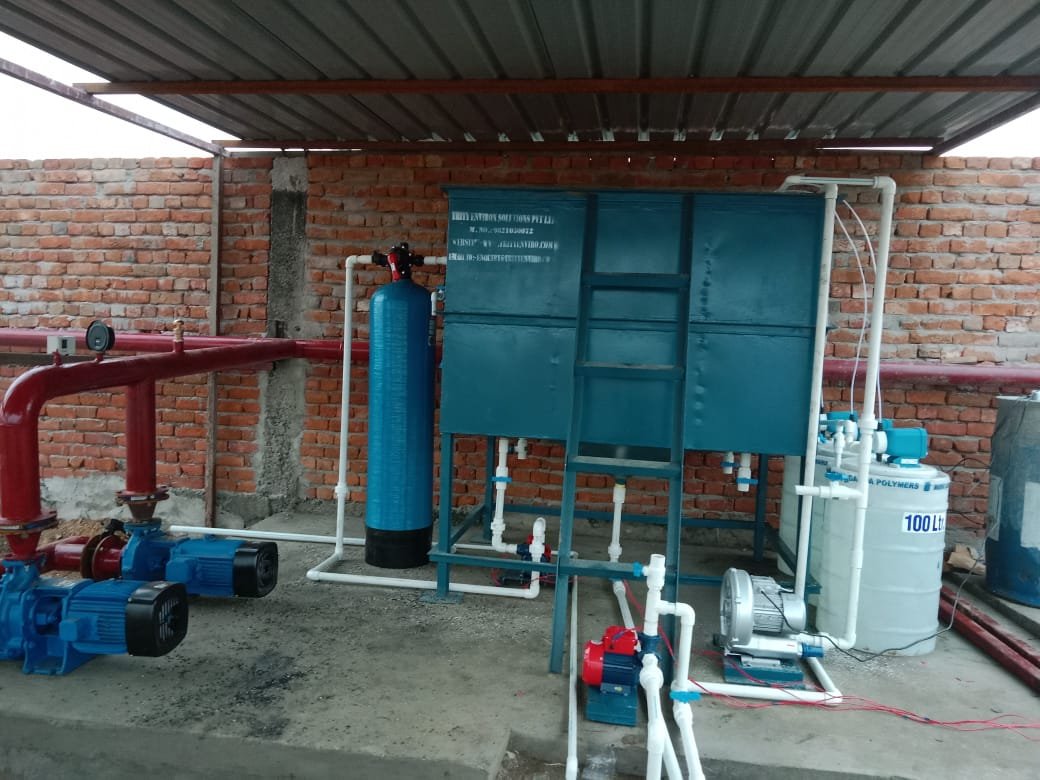
The plant applies a further, tertiary treatment and disinfection stage to effluent already processed by the adjacent sewage treatment plant. Reporting on the project describes the core technology as an advanced oxidation process built around a titanium dioxide-based catalyst, developed and trialled internationally before being built at commercial scale in Dubbo. The system's developer has stated that the design allows strong oxidation chemistry to be achieved without continuously dosing large volumes of treatment chemicals, and has described the approach as significantly more efficient at breaking down persistent contaminants than conventional advanced oxidation methods. These are claims made by the technology's developer rather than independently verified performance figures, and should be read as such.
Importantly, the recycled water from this plant is not currently approved for drinking. Council representatives have confirmed the facility is not seeking drinking-water approval at this stage, and the water is intended for non-potable uses such as construction, dust suppression and concrete batching, with further uses, including irrigation of parks and recreational land, reportedly being explored in partnership with a university research program.
Why Wastewater Recycling Matters for Regional Water Security
Regional and inland cities like Dubbo often rely on a mix of river extraction and groundwater to meet both household and industrial water needs, a balance that becomes harder to maintain during drought or periods of high demand. By recovering water that would otherwise be returned to the river or sent to irrigation land, advanced treatment plants like this one create an additional, more drought-resilient water source that does not compete directly with the drinking water supply.
This matters particularly where new industrial or infrastructure development, such as renewable energy construction, would otherwise place extra demand on limited town water. Directing recycled water toward these uses can help preserve drinking water capacity for households while still allowing regional development to proceed.
The Broader Importance of Water Reuse
Dubbo's plant reflects a wider shift across Australia and other water-stressed regions toward treating wastewater as a resource rather than a waste stream to be disposed of. Wastewater reuse of this kind is increasingly used to support agriculture, industry and urban landscaping without placing additional strain on rivers, aquifers and other natural water sources.
Achieving this reliably depends on advanced tertiary treatment that can consistently remove the contaminants standard sewage treatment leaves behind, which is precisely the role this kind of plant is designed to play. As more regions look to secure additional water sources without new dams or long-distance pipelines, sustainable wastewater management is likely to remain a central part of that planning, supported by ongoing applied research into treatment technology aimed at making these systems more efficient over time.
Key Highlights
- A new advanced wastewater treatment plant has opened at the Dubbo Sewage Treatment Plant site in Dubbo, New South Wales.
- The $7.8 million project was jointly funded by Dubbo Regional Council and Squadron Energy under a public-private partnership.
- The plant is designed to treat up to approximately 700 megalitres of water annually.
- Recycled water will initially support construction activity, including Squadron Energy's regional wind energy projects, reducing pressure on drinking water supply.
- The water is not currently approved for drinking, with further non-potable uses such as park irrigation under consideration.
Conclusion
Dubbo's new advanced wastewater treatment plant is a practical example of how inland communities can extend their available water resources without drawing further on rivers or groundwater. As regional Australia balances population growth, industrial development and a changing climate, facilities that recover and reuse wastewater are likely to play a growing role alongside traditional water supply infrastructure, supporting more sustainable, drought-resilient water management over the long term.
Source & Further Reading
This article is based on reporting from the Daily Liberal, Dubbo, NSW and ABC News, along with public project information published by Dubbo Regional Council.