A city cannot keep pumping groundwater at more than double the safe rate and call it a temporary problem. Gurugram's courts have stopped treating it as one.
What's Being Proposed
Hearing a case on Gurugram's worsening water situation, the Punjab and Haryana High Court has described the city's groundwater position as "grim," noting that extraction currently runs at 212.77 percent of the replenishable limit, more than double what the aquifer can sustainably support. The bench has proposed a complete ban on borewell extraction, covering both registered and unregistered borewells, alongside geo-tagging and sealing of existing ones and a freeze on new construction that lacks an assured surface water supply.
The court has also floated judicial oversight of local water-body restoration, to be supervised by a former judge, reflecting how far coordination between agencies such as GMDA, HSVP, the Municipal Corporation of Gurugram, and the Central Ground Water Board has fallen short so far.
Where Treated Wastewater Fits In
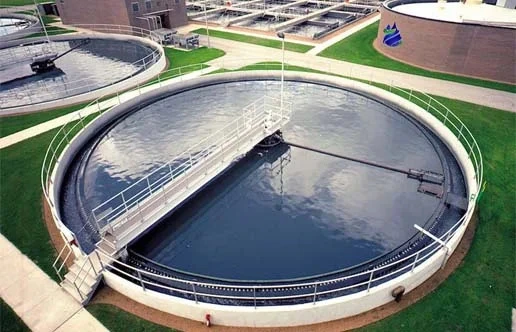
Central to the way forward being discussed is a "zero discharge, maximum reuse" approach: mandating tertiary-level sewage treatment and routing a much larger share of that treated water into industrial use, rather than letting industry continue to draw on groundwater or fresh surface supply for processes that do not require drinking-water quality. GMDA has separately set a target of reaching 100 percent reuse of tertiary-treated water across the city within six months, to be directed toward irrigation, industrial operations, groundwater recharge, and firefighting.
This is not a new ambition for Gurugram. A recycled-water pipeline has been in the tendering process for some time, and GMDA has previously spoken about maximising treated water use in the city, but the gap between stated targets and what actually reaches industrial users has persisted long enough that the court is now treating it as a structural failure rather than a timeline slip.
Why Industrial Reuse Is the Practical Lever Here
Groundwater bans are blunt instruments unless there is a real alternative supply behind them. For industrial users, especially units that need large, steady volumes of process water rather than potable water, tertiary-treated wastewater is usually the most realistic substitute, since it does not compete with the city's drinking water supply the way drawing down a shared aquifer does.
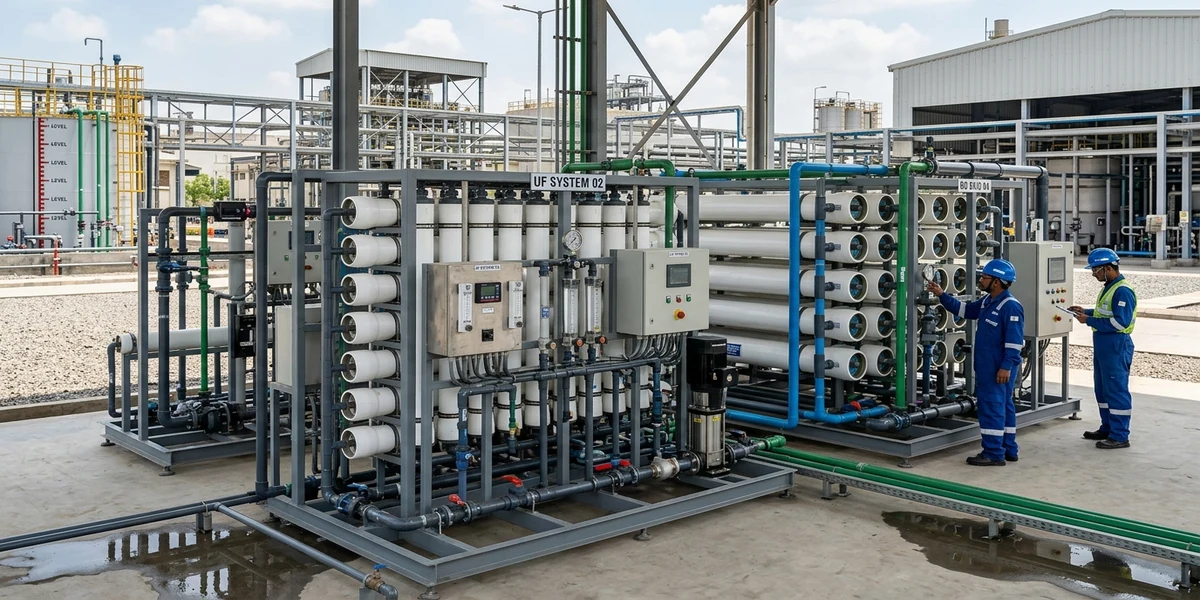
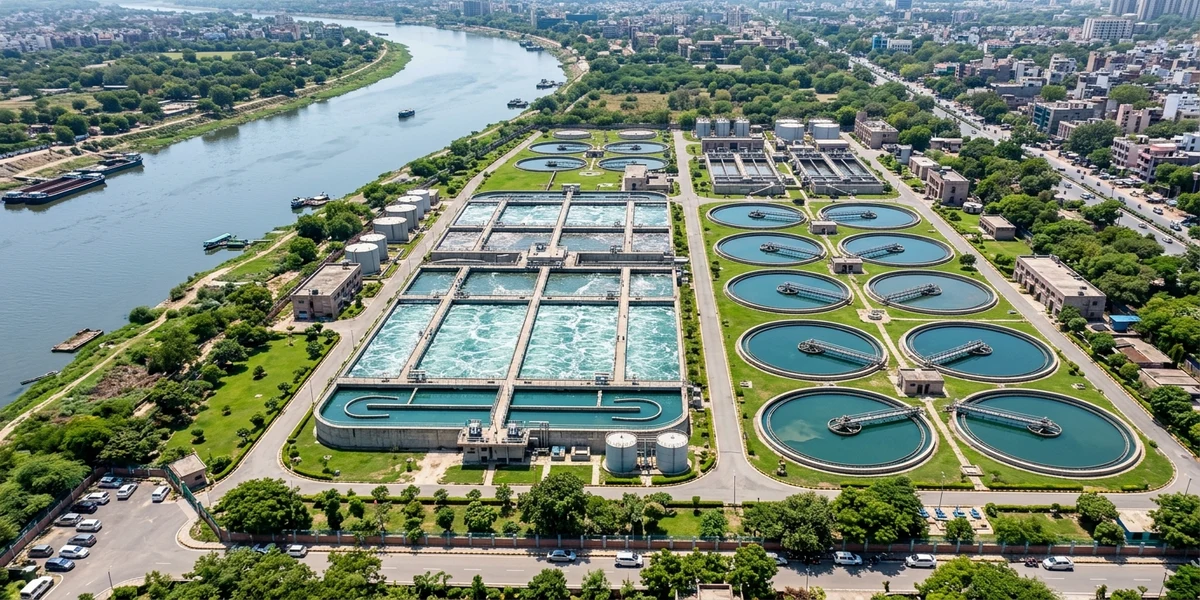
Making that substitution work at scale depends on two things most cities underinvest in simultaneously: sewage treatment plant capacity sized to actually cover the city's generation, and a distribution network that gets the treated output to the industrial users who could use it instead of groundwater. Gurugram's recycled-water pipeline tendering suggests the second piece is finally moving, but a pipeline only helps if there is enough tertiary-treated volume behind it to meet industrial demand.
What Comes Next
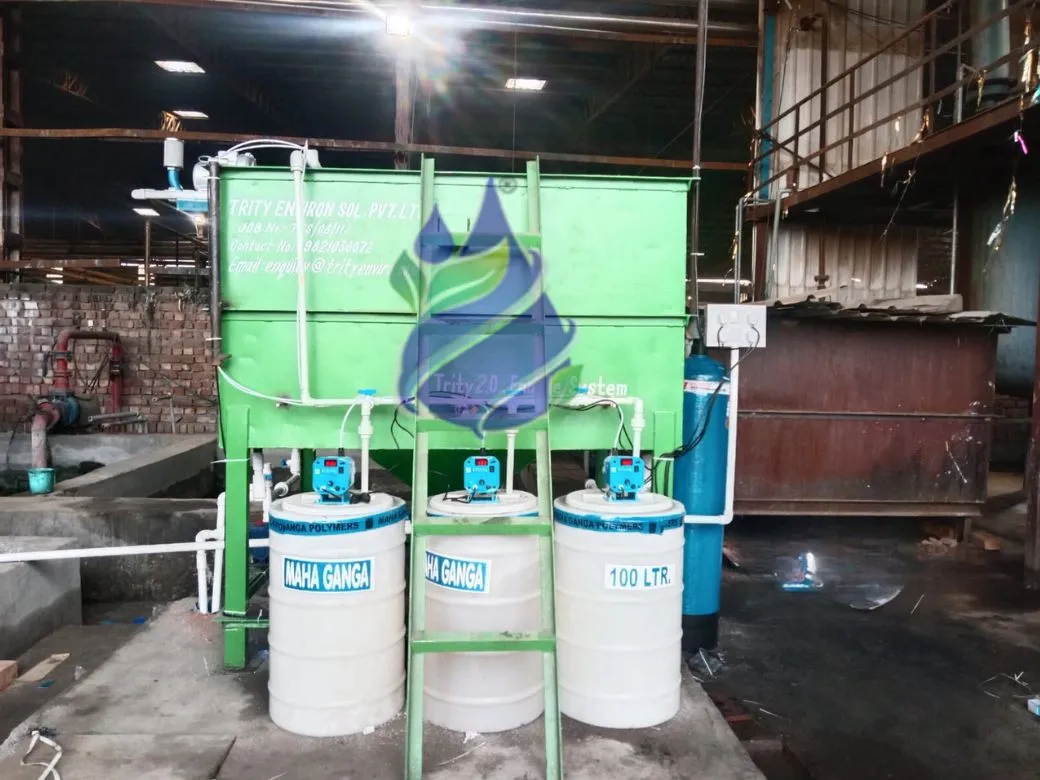
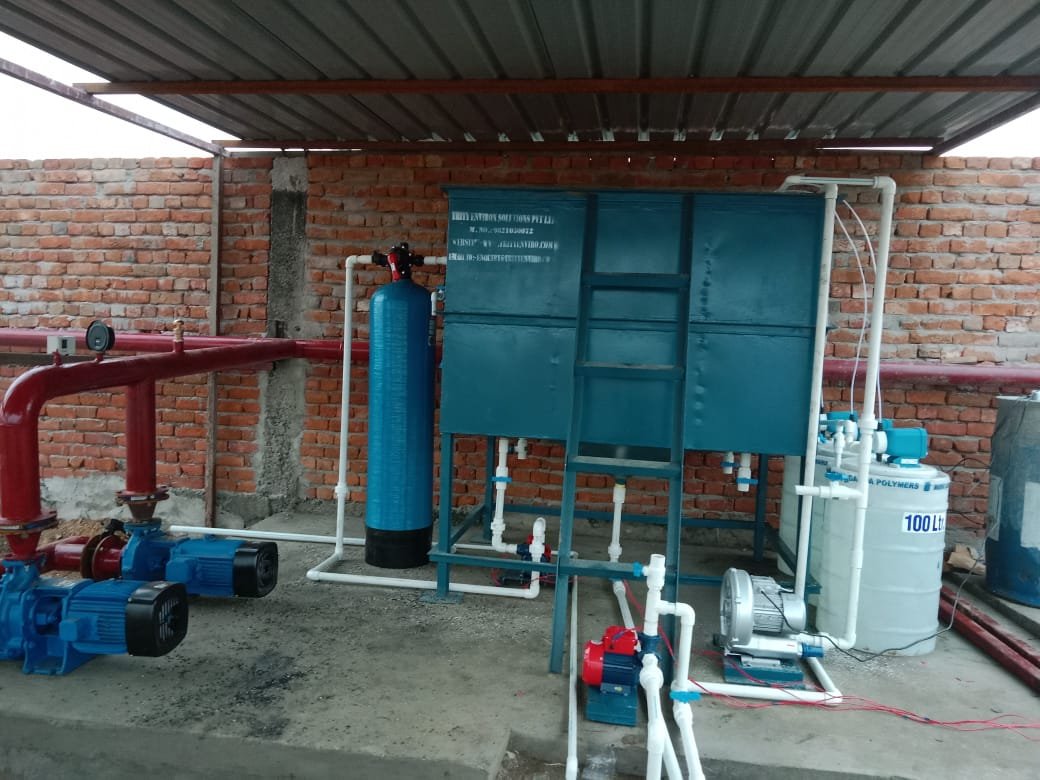
With the High Court pushing for enforceable measures rather than voluntary targets, Gurugram's industrial users are likely to face a tightening timeline on where their process water is allowed to come from. Units that get ahead of that shift, by building their own treatment and reuse capacity rather than waiting for the city's shared infrastructure to catch up, are the ones least exposed when enforcement actually arrives.
Key Highlights
- Gurugram's groundwater extraction is running at 212.77 percent of the replenishable limit
- The Punjab and Haryana High Court has proposed a borewell ban, geo-tagging, sealing, and a construction freeze tied to assured water supply
- A "zero discharge, maximum reuse" approach is central to the proposed way forward, mandating tertiary treatment and industrial reuse
- GMDA has set a six-month target for 100 percent reuse of tertiary-treated water citywide