
 ISO 9001:2015 & QCI Approved
Tube Settler Media Manufacturer in India
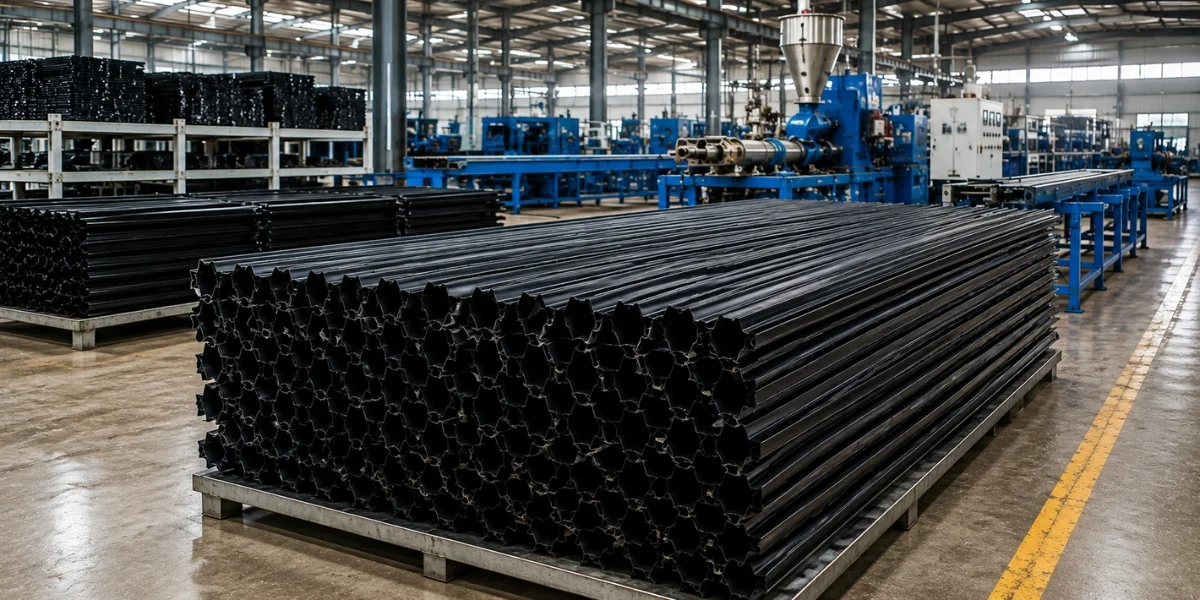
Trity Environ Solutions is a specialised tube settler media manufacturer in India, producing PVC and PP inclined-tube modules that multiply the effective settling area of a clarifier without increasing tank volume. Our media lets existing tanks handle 2 to 4 times higher surface overflow rate, with pan India supply and technical sizing support.
SPCB / CPCB Norm Compliant
Heavy Fabrication
More Settling Area, Same Tank, No New Civil Work
Sedimentation efficiency depends on surface area, not tank volume, which is the entire principle behind tube settler media: stacking multiple inclined channels inside a single clarifier multiplies the effective settling area severalfold within the same footprint. A tank fitted with tube settlers can process 2 to 4 times the flow of a conventional unit under equivalent conditions, achieving effluent TSS typically below 20 mg/L versus 30 to 60 mg/L from open settling. This makes tube settlers one of the most cost-effective upgrades available wherever an existing municipal sewage treatment unit or industrial effluent plant clarifier is underperforming or space-constrained.
Dealing with an undersized clarifier or a space-constrained retrofit? Request a free technical assessment and our engineering team will size the right module configuration for your tank.
WHY THIS SYSTEM?
Key Benefits of Tube Settler Media Manufacturer in India
Engineered for high effective settling area, low effluent TSS, and long service life with zero moving parts.
Multiplies Effective Settling Area
Increases effective settling area severalfold within the same tank footprint, since settling efficiency depends on surface area rather than tank volume.
2 to 4x Higher Surface Overflow Rate
Handles 2 to 4 times higher surface overflow rate than a conventional clarifier, letting existing tanks process significantly more flow without expansion.
Lower Effluent TSS
Achieves effluent TSS typically below 20 mg/L, compared to 30 to 60 mg/L from open settling tanks operating at the same footprint.
Zero Moving Parts, Low Maintenance
Requires no moving parts, electrical connections, or chemical dosing, cutting maintenance down to periodic inspection and occasional high-pressure washing.
15 to 25 Year Service Life
Delivers 15 to 25 years of service life in typical municipal and industrial applications, offsetting media cost through reduced civil construction.
Inlet Distribution Ruins More Installations Than Bad Media Ever Does
Non-uniform inlet flow across the settler cross-section is the single most common cause of poor tube settler performance, since uneven upflow velocity creates dead zones in some tubes and hydraulic overload in others, regardless of media quality. Trity Environ Solutions includes inlet distribution design guidance with every supply, because module specification alone doesn't guarantee performance if the water entering the zone isn't evenly spread.
Sludge Hopper Capacity Is Easy to Underestimate on Paper
If the sludge hopper beneath the tube settler zone can't be withdrawn frequently enough, accumulated solids rise into the tube zone itself and progressively choke performance, often mistaken for a media defect rather than an operational gap. Trity Environ Solutions accounts for sludge storage volume and withdrawal frequency during sizing, backed by an Annual Maintenance Contract for ongoing plant support. Talk to our team about AMC coverage for your clarifier.
Tube Settlers Work Alongside the Rest of the Treatment Train
A well-performing tube settler clarifier still depends on what happens before and after it. Upstream, attached growth biofilm media or physico-chemical dosing determines the floc characteristics reaching the settler, while downstream, our sludge dewatering press or continuous dewatering centrifuge handles the settled sludge for final disposal.
SYSTEM CONFIGURATIONS
Types of Tube Settler Media Manufacturer in India Configurations
Configurations selected to match your effluent chemistry, operating temperature, and tank geometry.
PVC Tube Settler Media
High-density PVC modules for municipal sewage and general industrial applications operating below 55°C at near-neutral pH, the most cost-effective standard option.
PP Tube Settler Media
PP modules for elevated temperature service, strongly acidic or alkaline environments, and applications prioritizing long-term chemical resistance over upfront cost.
Tube Cell Size Selection
Standard 25mm, 35mm, or 50mm tube diameters, with smaller cells offering higher surface area but requiring better inlet flow distribution to avoid fouling.
Custom Module Fabrication
Non-standard module dimensions fabricated for retrofitting into existing tank geometries that don't match catalogue sizes, common in older clarifier upgrades.
STEP-BY-STEP WORKFLOW
How the Tube Settler Media Manufacturer in India Process Works
A lamella settling process engineered for consistent, high-rate suspended solids removal.
01
Uniform Inlet Distribution
Water enters the settler zone from below through a distribution system designed to create even upflow velocity across the full tank cross-section.
02
Inclined Tube Settling
Suspended particles settle onto the lower tube walls within the short settling distance created by the 60-degree inclined channel geometry.
03
Sludge Sliding & Collection
Settled solids slide down the inclined tube walls under gravity and accumulate in the sludge hopper below the settler zone.
04
Clarified Water Collection
Clarified water continues rising through the tubes and exits at the top, collected by a surface launder for discharge or further treatment.
COMMON INQUIRIES
Frequently Asked Questions
Q1. What is tube settler media and how does it work?
Tube settler media is a modular, inclined-tube system installed inside a clarifier that increases effective settling area by dividing the tank into shallow parallel channels, letting suspended solids settle over a much shorter distance than open-tank settling.
Q2. How much space can tube settlers save compared to a conventional clarifier?
A clarifier fitted with tube settlers typically achieves the same settling performance as a conventional tank 40 to 60 percent larger in footprint, since settling efficiency depends on surface area rather than tank volume.
Q3. Should I choose PVC or PP tube settler media?
PVC suits most municipal and general industrial applications below 55°C at near-neutral pH, while PP is better for elevated temperatures or strongly acidic or alkaline effluent requiring superior chemical resistance.
Q4. Can tube settlers be retrofitted into an existing clarifier?
Yes, retrofit installation is one of the most common applications, with most rectangular clarifiers accommodating standard modules with minimal structural modification beyond a support structure and launder height adjustment.
Q5. How often does tube settler media need maintenance?
Under normal conditions, tube settlers need visual inspection every three to six months and high-pressure washing annually or when fouling is visually detected, with no moving parts or electrical maintenance required.
Q6. What causes poor performance in a tube settler installation?
Non-uniform inlet flow distribution and inadequate sludge hopper withdrawal frequency are the two most common causes of underperformance, often mistaken for a media quality issue rather than a design or operational gap.
CATALOGUE
Related Engineering Products
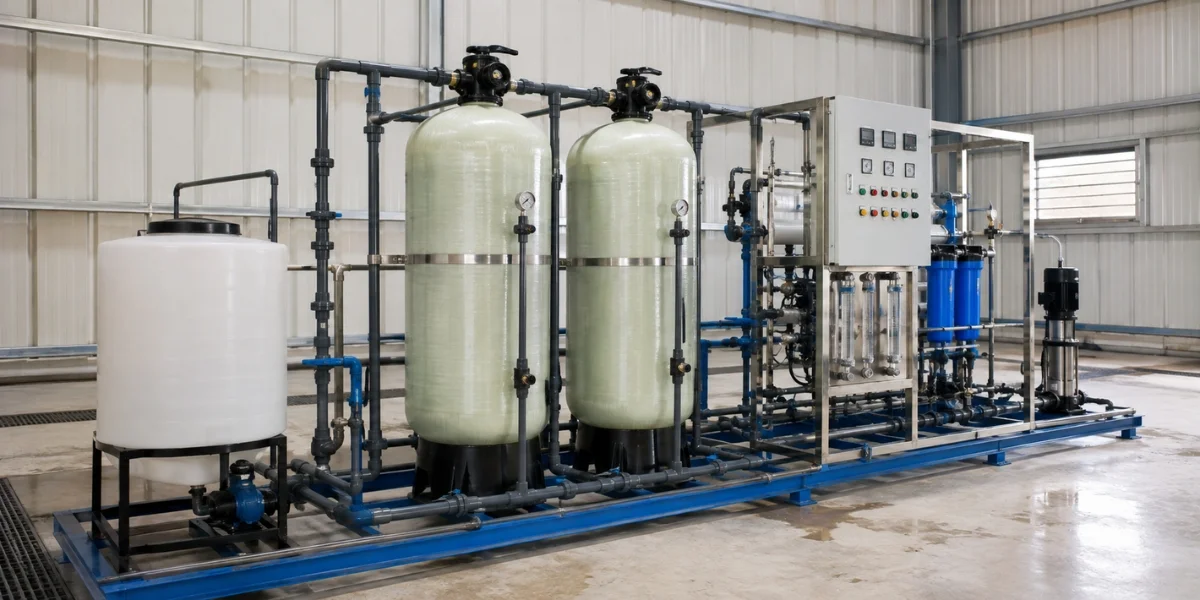
RO & Water Recycling Plant Manufacturer in India
Trity Environ Solutions manufactures RO and water recycling systems for industries and commercial facilities, engineered for reliable purity and reuse.
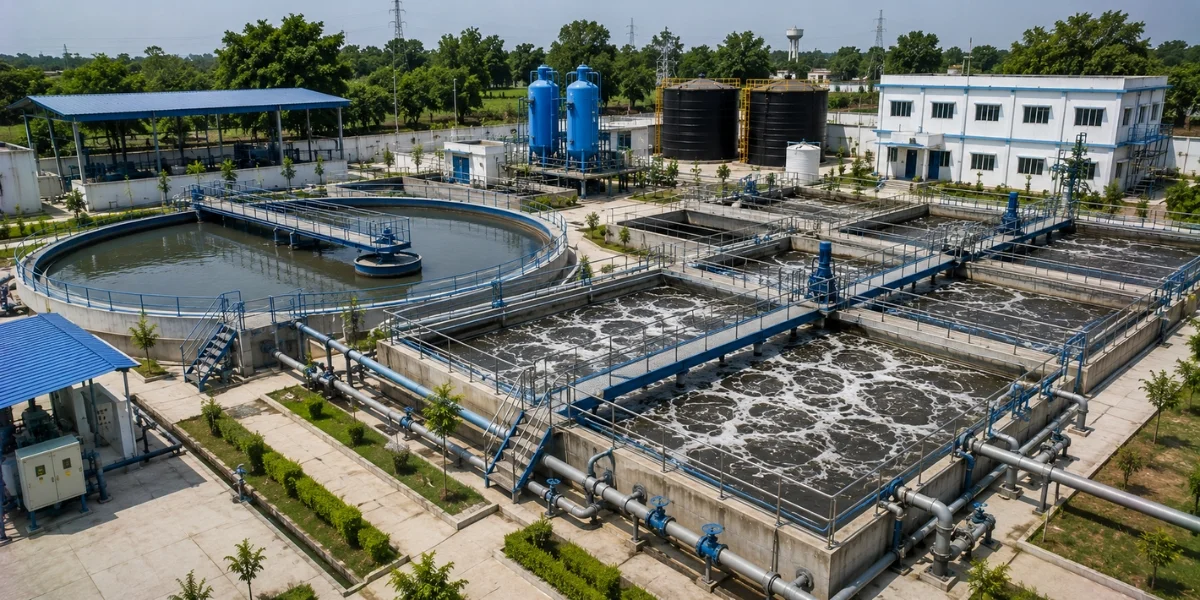
Tertiary Treatment Plant Manufacturer in India
Trity Environ Solutions manufactures tertiary treatment plants that polish treated water beyond secondary treatment, enabling genuine reuse and stricter discharge compliance.
Wastewater Recycling System Manufacturer in India
Trity Environ Solutions manufactures wastewater recycling systems using UF and RO technology, turning treated wastewater into reuse-grade water for cooling, flushing, and gardening.
PAN-INDIA CAPABILITIES
Regional Solutions & State Coverage
TECHNICAL KNOWLEDGE
Related Insights & Engineering Guides
PROVEN EXCELLENCE
Featured Turnkey Installations











Need a Custom Water or Wastewater Treatment Solution?
Our engineering team can help design the right system for your capacity, industry, and compliance requirements.

