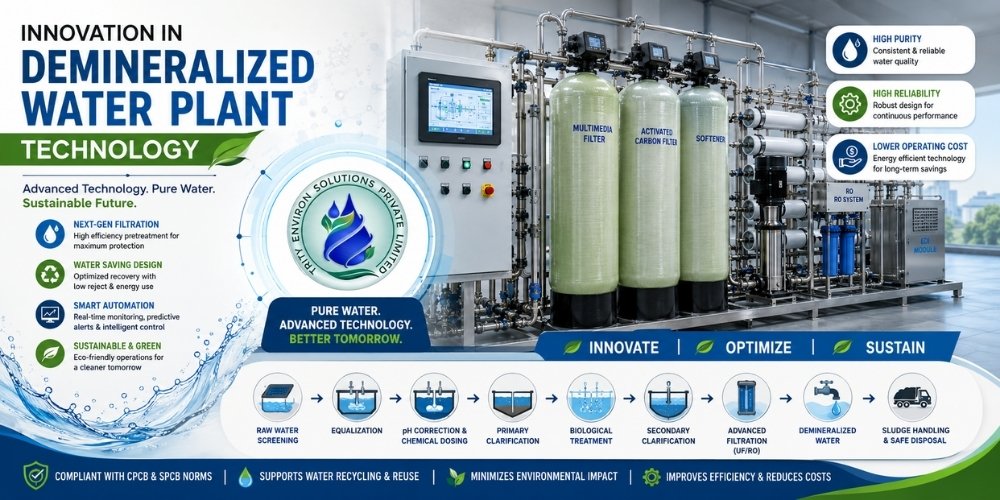
Innovation in Demineralized Water Plant Technology
Real innovations reshaping DM water plant technology: electrodeionization, RO-EDI hybrid systems, resin-wafer EDI, and AI-driven optimization. What's changed and why it matters.

 ISO 9001:2015 & QCI Approved
ETP, STP and water treatment plants are built for different jobs. Learn how to tell them apart and what to tell a supplier before you ask for a quote.
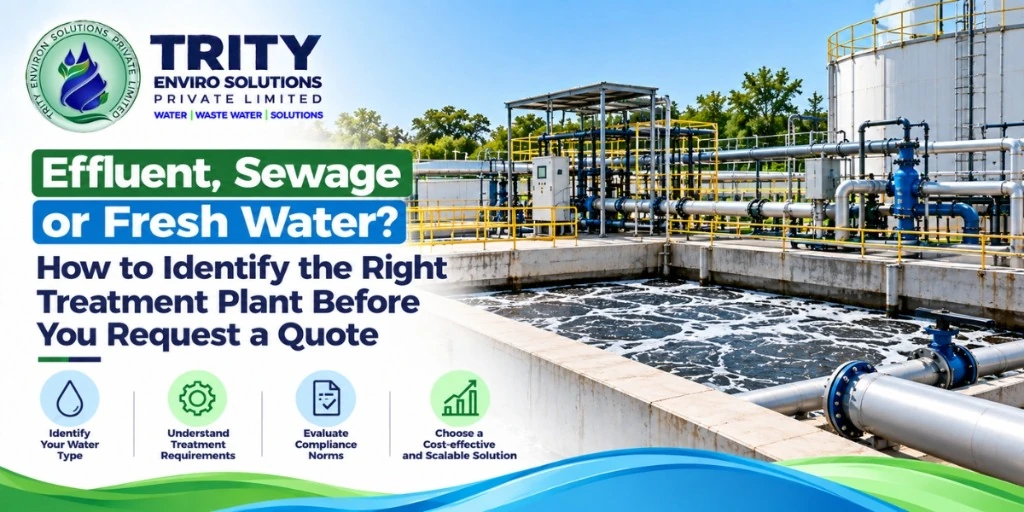
Plenty of water projects go wrong at the very first step. A hotel manager asks for an RO plant when the real problem is a failing sewage plant. A factory owner asks for an STP because the discharge looks like sewage, but it carries dye, oil and solvents. A housing society asks for an ETP because the word sounds more serious. The supplier, wanting the order, quotes what was asked for.
Months later the plant is not working. The wrong biology, the wrong chemicals or the wrong pre-treatment was chosen because the water was never identified properly. Money was spent, compliance is still pending, and the project starts again.
The cure is simple. Before you ask for a quote, identify what kind of water you are dealing with: effluent, sewage or fresh (raw) water. Each needs a different type of plant. Within each type, the details of your water decide the design. This guide explains how to tell the types apart, what to measure, what to share with a supplier and how to compare quotes fairly. It is written for owners, plant managers, facility heads and project teams who want a plant that works the first time.
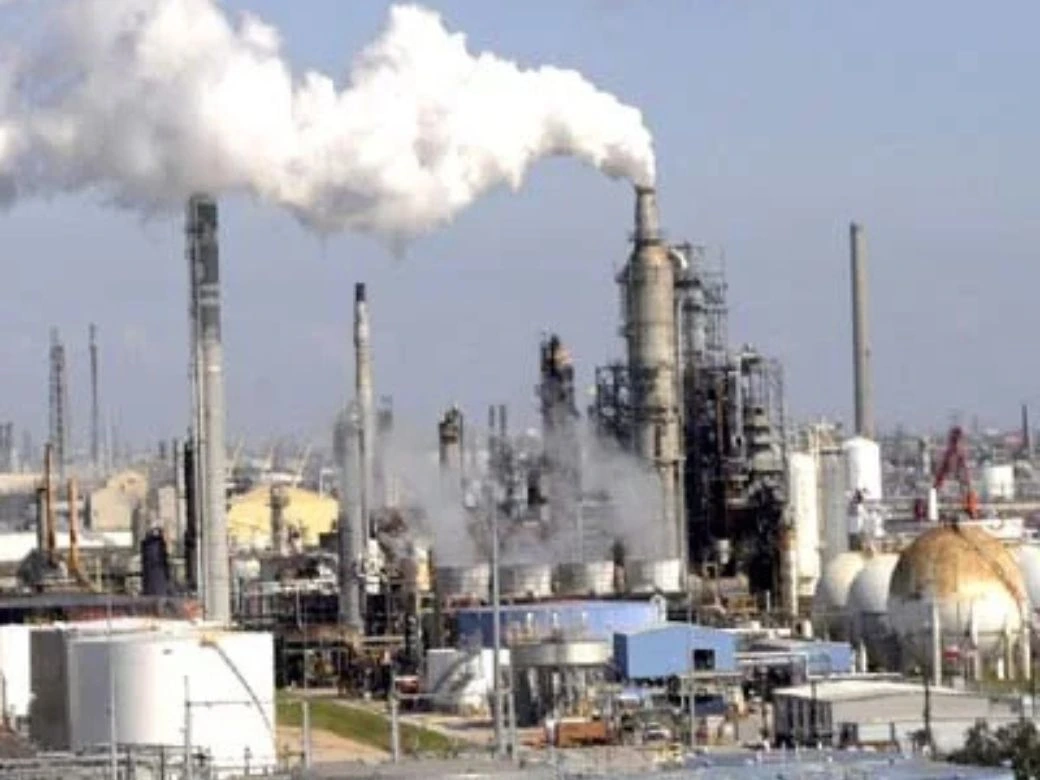
Effluent is wastewater from industrial or commercial processes. It comes from production, cleaning, cooling, washing and chemical operations. Its composition depends entirely on the industry. Textile effluent carries dye, salt and high COD. Pharma effluent carries solvents and active ingredient residues. Food effluent carries fats and high BOD. Electroplating effluent carries heavy metals. Because effluent varies so much, an effluent treatment plant is designed around the specific industry and process, and it often combines physico-chemical and biological treatment.
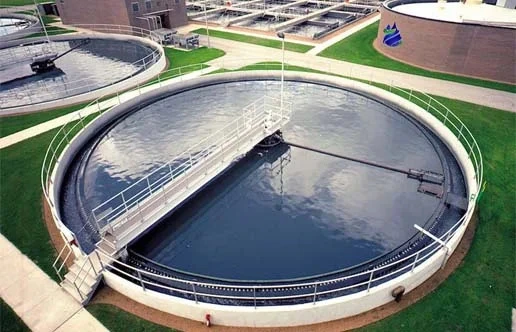
Sewage comes from toilets, bathrooms, kitchens and washing in homes, offices, hotels, hospitals and campuses. Its composition is fairly consistent across sites. Raw domestic sewage typically has BOD in the range of about 200 to 350 mg/L and COD roughly 400 to 600 mg/L, with suspended solids and nutrients. A sewage treatment plant uses biological treatment, such as MBBR, SBR, MBR or extended aeration, followed by clarification, filtration and disinfection. Our comparison of MBBR vs SBR vs MBR helps you choose the process.
Fresh water, also called raw water, is the clean or relatively clean source that you want to make usable. It might be borewell water, municipal supply, surface water or tanker water. You do not treat it to dispose of it. You treat it to improve its quality for drinking, boilers, cooling or process. The treatment depends on what is in it: turbidity, iron, hardness, TDS or bacteria. A water treatment plant uses filters, softeners, carbon, RO, UF or DM, depending on the need. See our article on selecting a water treatment plant for industries for how these combine.
Ask three questions in order:
1. Is the water coming into the plant, or leaving it? If it is a source you want to improve before use, you need a water treatment plant. If it is waste you need to treat before discharge or reuse, you need an ETP or STP.
2. If it is waste, where does it come from? From toilets, kitchens and bathrooms only, it is sewage. From manufacturing, processing, laboratories or workshops, it is effluent.
3. If it is both, can the streams be separated? Often they can, and treating them separately is cheaper and more reliable.
Hotels, hospitals, schools and offices mostly generate sewage, with some kitchen and laundry wastewater that needs grease traps. Factories generate effluent from the process and sewage from the canteen and toilets. Residential projects generate sewage and, sometimes, grey water from baths and washing, which can be recycled through a grey water treatment plant.
Real sites are rarely clean cases. A hospital produces sewage but also laboratory and radiology effluent, which has its own concerns. See our pages on hospital STP and hospital ETP. A food unit produces effluent that behaves like very strong sewage, with high BOD and fats. A laundry or a car wash produces effluent that contains detergents and oil. A commercial kitchen sends grease laden water that can overwhelm a standard STP.
When streams are mixed, the safest approach is to sample each stream separately and then the combined flow. If the process effluent is small, you may route it to the ETP and the domestic flow to the STP. If it is large and varied, an ETP may take the entire flow. In some cases a hybrid ETP and STP plant is the right answer. The decision should come from lab data, not from assumption.
Another grey area is the combined problem of source water and wastewater. A site may need both a water treatment plant and a wastewater system, and may recycle treated wastewater through tertiary treatment and RO to reduce raw water use. A good supplier can design these as a connected system. Our wastewater treatment plant page explains how the pieces fit.
Consider a 120 room hotel. Rooms and bathrooms produce sewage with light grey water. The kitchen adds grease and food particles. The laundry adds hot, alkaline water with detergent. A swimming pool adds backwash water. The hotel also buys water that needs softening and RO for drinking and boilers. A sensible plan is an STP for combined domestic flow with grease traps in the kitchen and an equalisation tank to handle laundry peaks, a water treatment train for the incoming supply and, where space allows, tertiary treatment of STP output for flushing and gardening. This single site needs three kinds of treatment, and quoting only one would leave gaps. The same thinking applies to hospitals, campuses and factories with canteens.
The more data you give, the better and more accurate the quote. Collect this before you contact suppliers.
If you do not know the flow of a sewage stream, our guide on how to calculate STP capacity shows how to estimate it from occupancy and water use.
A good proposal is specific. It should state the design flow and the influent quality it assumes, the process flow and why that process was chosen, the guaranteed outlet quality, the main equipment with specification and make, the tanks and civil scope, the electrical and instrumentation scope, the power and chemical consumption, the sludge handling method, the delivery and commissioning schedule, the warranty and what the maintenance contract includes.
Be careful with a proposal that does not mention your water data, uses a generic template or gives a single price for a vague plant. If the supplier did not ask for a lab report or a site visit, they quoted without understanding your problem.
A trained eye can usually tell from a short call whether you need an ETP, STP or water treatment plant, but only the lab report confirms the design. A site visit and sampling are worth the time, and a supplier who offers them is showing the right approach. Our engineers can review your data and recommend the right system, and our project execution team can handle design, supply, installation and commissioning under one roof. Once the plant is running, keep it healthy through an annual maintenance contract.
| Parameter / Stage | Target Optimal Range | Failure Impact / Risk | Corrective Engineering Action |
|---|---|---|---|
| Raw sewage strength (typical domestic) | BOD about 200 to 350 mg/L, COD about 400 to 600 mg/L | Wrong sizing if design uses a different assumed load | Test the actual stream and design to measured values |
| Industrial effluent variability | Characterised by stream, with batch variation recorded | Biological failure, shock loads, failed samples | Add equalisation, segregate strong streams, choose the right process |
| Peak vs average flow | Plant sized with peak factor and equalisation | Overflow or poor treatment at peak | Add equalisation tank, use peak factor in design |
| Fresh water quality vs process need | Treated to the limits the process or boiler requires | Scale, fouling, rejects, product defects | Choose filters, softener, RO or DM based on the water report |
Trity Environ Solutions is an ISO 9001:2015 certified and QCI-approved effluent treatment plant and sewage treatment plant manufacturer and supplier in India, delivering robust, high-efficiency systems engineered for CPCB and SPCB regulatory compliance.
Every installation is supported by pan-India Annual Maintenance Contract and Operation and Maintenance services.
Speak directly with our environmental engineering specialists for system sizing, CPCB/SPCB compliance review, or a tailored technical proposal.
Request Free Engineering ConsultationCall: +91-9821030072 | Email: enquiry@trityenviro.com
Real innovations reshaping DM water plant technology: electrodeionization, RO-EDI hybrid systems, resin-wafer EDI, and AI-driven optimization. What's changed and why it matters.
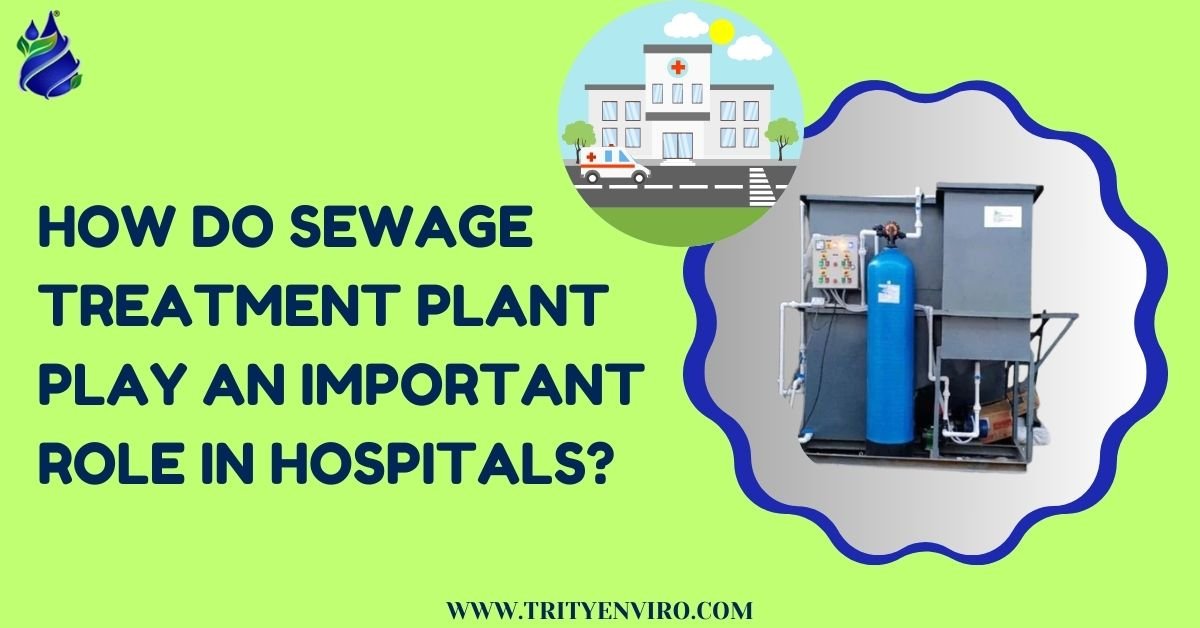
Learn how Sewage Treatment Plants in hospitals protect public health, ensure compliance with regulations, and contribute to water recycling and environmental sustainability.
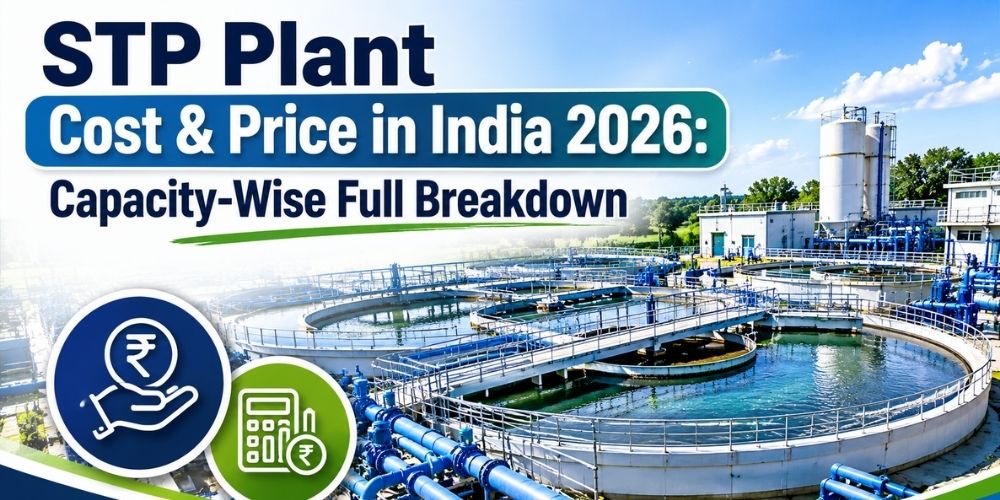
Get realistic STP plant price in India 2026. Capacity-wise cost breakdown from 50 KLD to 1000 KLD, technology comparison, hidden costs & free quotation.




Discuss your requirements with our engineering team and get practical guidance for your project.