
Improving Sludge Management: Sustainable Approaches for Wastewater Treatment Byproducts
Explore innovative, sustainable approaches to sludge management that cut costs, recover resources, and reduce environmental impact in wastewater treatment.

 ISO 9001:2015 & QCI Approved
The 2026 rules shift responsibility to the generator. Use this checklist to find out whether you are covered and to build a compliant waste system.
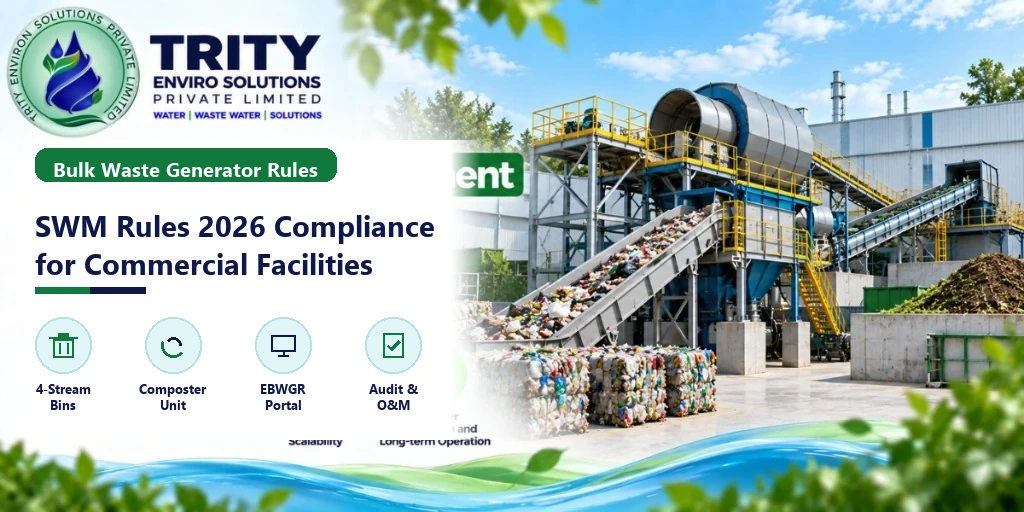
For years, solid waste in Indian cities was treated as a municipal problem. A hotel, a factory or a housing society put its waste into bins, a municipal vehicle took it away, and what happened afterwards was someone else's concern. The Solid Waste Management Rules, 2026 change that arrangement for large generators.
The Ministry of Environment, Forest and Climate Change notified the SWM Rules, 2026 on 27 January 2026. They replaced the 2016 rules and came into force on 1 April 2026. The rules introduce a defined category of bulk waste generators, who are made accountable for the waste they produce under a framework called Extended Bulk Waste Generator Responsibility (EBWGR). They also bring in a centralised online portal, mandatory four-stream segregation at source and environmental compensation, based on the polluter pays principle, for non-compliance.
For a facility manager, this raises practical questions. Are we a bulk waste generator? What must we register? What do we have to build or buy? What happens if we do not? And how do we do this at a sensible cost?
This guide answers these questions in a working order. It explains how to check whether you are covered, what the rules require, what to set up step by step and what to ask suppliers. It is written for owners and managers of hotels, hospitals, factories, campuses, malls, offices and large housing societies. It is a practical guide, not legal advice, so confirm details against the notified rules and your local body's instructions.
Published summaries of the 2026 rules describe a bulk waste generator as an entity that meets any one of these conditions: generating 100 kg or more of solid waste per day, using 40,000 litres or more of water per day, or having a built-up area of 20,000 square metres or more. Hotels, hospitals, malls, institutions, industrial campuses and large residential complexes frequently cross at least one of these lines.
Note that water consumption counts. A building that generates modest waste but uses a large volume of water, such as a hotel or hospital, can qualify through the water criterion alone.
Do not rely on summaries alone. Some local body pages describe the area threshold differently. One district page, for example, lists commercial complexes above 5,000 square metres or generating more than 100 kg a day among those who must register. Local bodies may also issue their own notices, fee structures and timelines. Read the gazette text and your municipal body's notice, and ask the local body directly if you are near a threshold.
Summaries of the rules and local notices point to these duties:
Where on-site processing is not feasible, a bulk generator must obtain an EBWGR certificate from the local body for the wet waste it generates. One summary explains that one certificate corresponds to one kilogram of waste collected, transported and processed through a registered processor. Generators are expected to keep records and file returns. One local page mentions annual returns to be submitted by 30 June each year, so check your own schedule.
Non-compliance carries environmental compensation under the polluter pays principle. The rules refer to cases such as operating without registration, false reporting, forged documents and improper waste management. CPCB prepares the guidelines, and State Pollution Control Boards and Pollution Control Committees levy the compensation. Processing facilities are also subject to audits.
Industries that use solid fuel may face a separate requirement to use refuse derived fuel in steps over several years, according to one summary. If you operate a kiln or a large boiler, ask your consultant whether it applies to you.
Treat compliance as a project with an order of work.
1. Confirm your status. Check the criteria against your waste, water use and built-up area, and ask your local body if you are unsure.
2. Do a waste audit. Weigh each stream daily for one to two weeks, including peak days. Our guide to the solid waste management plant for industries explains how.
3. Register on the portal. Collect your property documents, authorisations, waste data and contact details first so that registration is quick.
4. Set up segregation. Provide colour coded bins, labelled collection points, trolleys, signage and a storage area for each stream. Train housekeeping, kitchen and facility staff.
5. Choose how to process wet waste. See the next section.
6. Contract authorised partners. For dry waste, sanitary waste, special care waste and rejects, sign agreements with registered collectors and processors, and keep copies of their registrations.
7. Keep records. Maintain daily weights by stream, dispatch registers, authorisations, training records and photographs of segregation points. Use them for returns and inspections.
8. Review monthly. Track reject rates and processing backlog, and correct problems early.
You have three broad options.
Compost on site. Mechanical or in-vessel composters suit hotels, campuses and societies with steady kitchen and garden waste. See our organic waste composting machine buying guide. The output is a soil conditioner you can use in your own landscaping or pass on, subject to local requirements.
Biomethanation on site. For larger and steadier volumes of food waste, an anaerobic digester produces biogas that can replace LPG or fuel a boiler. It needs a clear use for the g
NOTE: The output was truncated because it was too long. Use a more targeted query or a smaller range to get the information you need.
Explore innovative, sustainable approaches to sludge management that cut costs, recover resources, and reduce environmental impact in wastewater treatment.
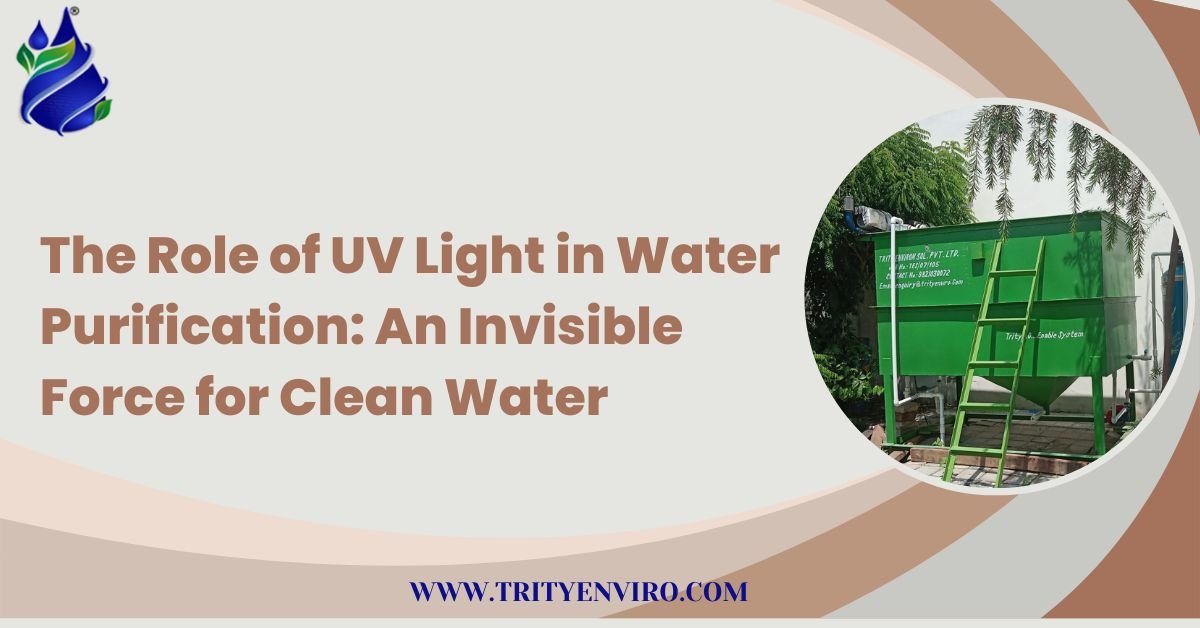
UV light disinfects water by eliminating harmful microorganisms, ensuring safe, chemical-free drinking water. A fast, eco-friendly, and effective purification method.
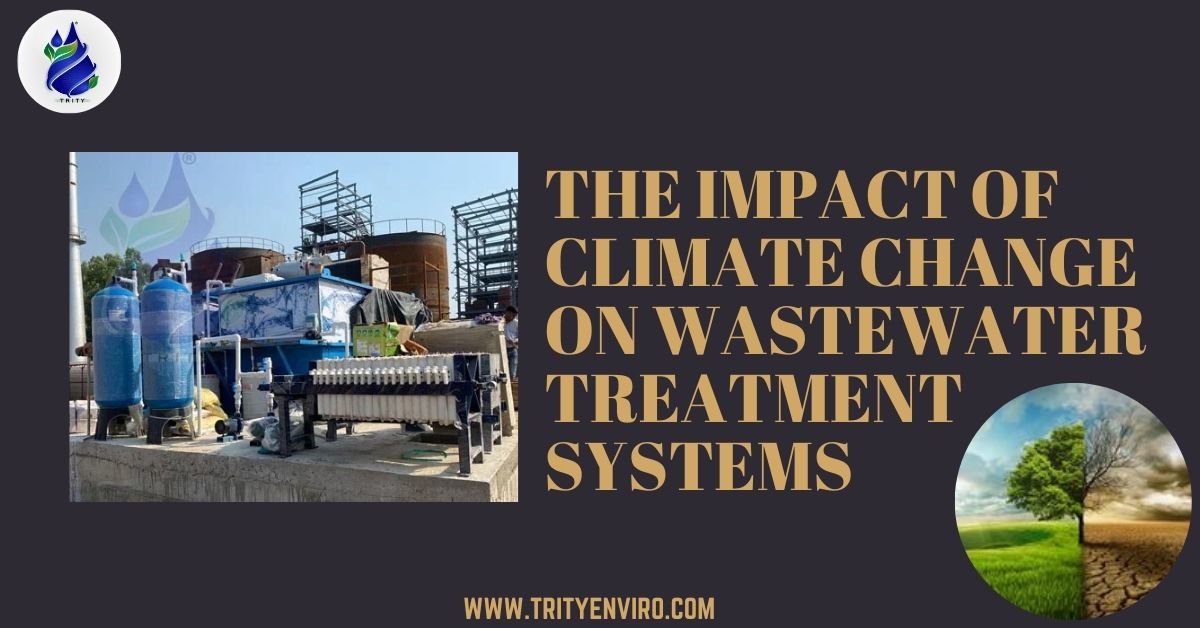
Climate change disrupts wastewater systems with rising temperatures, extreme storms, and droughts. Sustainable solutions and infrastructure upgrades are essential for resilience.











Discuss your requirements with our engineering team and get practical guidance for your project.

