Why Should Municipalities Invest in ETP Plants for Urban Growth?
The real economic case for municipal ETP investment: revenue models, financing options like PPP, and why the maintenance gap matters as much as building.

 ISO 9001:2015 & QCI Approved
Discover how AI in wastewater treatment transforms STP and ETP operations with smart monitoring, predictive maintenance, and automation. Get expert insights for Indian industries.
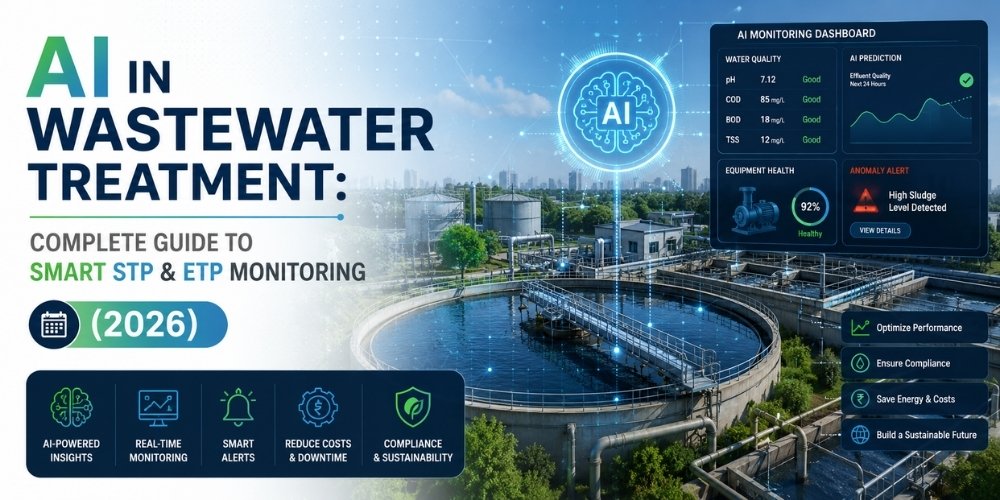
Real-time monitoring of BOD, COD, pH, TSS, turbidity, and dissolved oxygen replaces manual grab sampling.
Predictive maintenance reduces unplanned equipment failures by 30–40% and extends asset lifespan.
AI-driven aeration and chemical dosing control cut energy and chemical costs by 20–35%.
Automated compliance reporting simplifies CPCB and SPCB submissions for EHS managers.
Digital twin technology allows plant operators to simulate process changes before implementing them.
Indian industries investing in AI-enabled STP and ETP systems today gain a measurable ROI within 18–36 months.
India generates over 72,000 million litres of sewage every day. A significant portion of that reaches water bodies partially treated or completely untreated. For industries, the consequences are severe — regulatory penalties, consent violations, plant shutdowns, and reputational damage.
Traditional wastewater treatment plants rely heavily on manual sampling, periodic lab testing, and reactive maintenance. Operators collect samples a few times a day, results arrive hours later, and by the time a problem is detected, damage has already occurred.
Artificial intelligence is changing this equation completely.
AI in wastewater treatment brings continuous, sensor-driven intelligence to every stage of the treatment process. From the inlet screen to the final discharge point, smart systems now monitor, predict, control, and report — around the clock, without human intervention at every step.
For factory owners, plant managers, EHS professionals, and infrastructure developers across India, this shift is not just a technological upgrade. It is a fundamental change in how wastewater treatment plants are designed, operated, and governed.
This guide explains exactly how AI works in STP and ETP plants, what technologies are involved, which industries benefit most, and how your facility can leverage smart wastewater management to reduce costs, ensure compliance, and future-proof your operations.
AI in wastewater treatment refers to the application of artificial intelligence technologies — including machine learning, deep learning, predictive analytics, and computer vision — to automate, monitor, and optimize the treatment of sewage and industrial effluent.
In practice, this means deploying a network of online sensors and IoT devices throughout a wastewater treatment plant to capture continuous data on water quality, flow rates, equipment performance, and energy consumption. This data feeds into AI algorithms running on cloud platforms or edge computing nodes, which analyse patterns, detect anomalies, generate predictions, and trigger automated control actions through SCADA and PLC systems.
The result is a treatment plant that continuously learns from operational data, adapts to changing influent characteristics, prevents equipment failures before they occur, and produces the documentation required for regulatory compliance — all with minimal manual intervention.
AI does not replace the knowledge of experienced wastewater engineers. It amplifies it.
Several converging forces are pushing Indian industries toward AI-based wastewater management:
Tightening Regulations: CPCB and SPCBs have strengthened effluent discharge standards under the Environment Protection Act. Online Continuous Effluent Monitoring Systems (OCEMS) are now mandatory for many categories of industries. AI platforms integrate directly with OCEMS infrastructure to ensure continuous compliance.
Rising Energy Costs: Aeration blowers and pumps account for 50–70% of a treatment plant's electricity bill. AI-driven energy optimization reduces this significantly by dynamically adjusting equipment operation based on real-time treatment load.
Skilled Labour Shortage: Finding and retaining trained wastewater operators is increasingly difficult. AI-assisted automation reduces dependence on manual expertise while improving treatment consistency.
Water Scarcity and Reuse Mandates: Many states now require industries to treat and reuse wastewater internally. AI systems optimize treatment quality to meet reuse standards consistently.
ESG and Sustainability Reporting: Investors and customers increasingly evaluate companies on environmental performance. AI generates the data trails needed for credible ESG reporting.
Conventional wastewater treatment plants were built around fixed processes and periodic human oversight. Operators collected grab samples, measured a handful of parameters in a lab, and adjusted dosing or aeration based on experience and intuition. Equipment was maintained on a schedule or repaired after it failed.
The introduction of SCADA and PLC systems in the 2000s automated basic control functions but still relied on fixed set-points and pre-programmed sequences. These systems could execute instructions reliably but could not learn, predict, or adapt.
Smart wastewater treatment plants, powered by AI and IoT, represent a third generation. They are not just automated — they are intelligent. They sense conditions continuously, model treatment processes in real time, predict future states, optimize control variables dynamically, and communicate with plant operators through intuitive dashboards on any device, anywhere.
The transition from conventional to smart plants is not necessarily a complete rebuild. Many existing STP and ETP installations can be upgraded with sensor networks, edge computing nodes, and AI software layers — transforming legacy infrastructure into intelligent, connected systems.
Understanding AI in wastewater treatment requires understanding the technology stack that makes it possible. Each layer plays a specific role.
Online sensors measure water quality parameters continuously at critical points — inlet, aeration tank, secondary clarifier, and final outlet. Key parameters include pH, dissolved oxygen (DO), turbidity, BOD, COD, TSS, conductivity, ammonia, nitrate, and flow rate.
Modern multi-parameter probes from manufacturers like Hach, YSI, and WTW enable continuous measurement without manual sampling. These sensors form the data collection foundation of any smart plant.
IoT gateways connect field sensors to the cloud or local edge servers. They handle data aggregation, protocol conversion, and secure transmission over cellular, Wi-Fi, or industrial ethernet networks. Remote connectivity means plant data is accessible from anywhere in real time.
SCADA systems provide the real-time monitoring and control interface for plant operators. They display live data from all sensors, generate alarms for out-of-spec conditions, and enable operators to adjust control parameters remotely. Modern AI-enhanced SCADA platforms go beyond display — they incorporate analytical dashboards, trend analysis, and decision support tools.
PLCs execute the actual control commands — starting or stopping pumps, adjusting blower speeds with Variable Frequency Drives (VFDs), controlling dosing pump rates, and managing valve positions. AI algorithms generate optimized control set-points that are passed to PLCs for execution.
Treatment plant data is processed either on cloud servers or locally on edge computing nodes installed at the plant. Edge computing is preferred where low latency is critical or where connectivity is unreliable. Cloud platforms enable centralized monitoring of multiple plants across locations, long-term data storage, and access to high-powered AI processing capabilities.
Machine learning models are trained on historical plant data to recognize normal operating patterns and detect deviations. Predictive maintenance models forecast equipment failures. Process optimization models determine the most energy-efficient operating conditions to achieve treatment targets. Anomaly detection algorithms flag water quality exceedances before they breach discharge limits.
A digital twin is a virtual model of the treatment plant that mirrors real-time physical conditions. It allows operators to simulate the impact of process changes, test control strategies, and train new operators — all without touching the actual plant.
Analytical dashboards present complex operational data in a format plant managers, EHS teams, and compliance officers can act on instantly. Role-based access ensures that each stakeholder sees the information most relevant to their responsibilities.
The intelligence of an AI-based plant emerges from a continuous cycle of data capture, analysis, prediction, and action.
Step 1 — Data Collection: Online sensors and meters capture continuous readings of water quality, flow, pressure, temperature, and equipment status across the plant.
Step 2 — Data Transmission: IoT gateways package and transmit this data stream to edge nodes or cloud servers in near real time, typically at intervals of one second to one minute.
Step 3 — Data Processing and Storage: Incoming data is cleaned, validated, and stored in time-series databases. Anomalous or missing readings are flagged for review.
Step 4 — AI Model Analysis: Machine learning models process the incoming data against historical baselines. Process models calculate current treatment efficiency. Predictive models assess equipment health and forecast water quality trends.
Step 5 — Decision Generation: Based on model outputs, the AI system generates recommended or automated control actions — adjust blower speed, change dosing rate, reroute flow, raise an alert.
Step 6 — PLC/SCADA Execution: Control commands are passed to PLCs for physical execution. SCADA displays the current state and all active alerts to operators.
Step 7 — Operator Notification: Alarms and recommended actions are sent to operator mobile devices or workstations. Critical alerts trigger escalation protocols.
Step 8 — Reporting and Compliance: The system automatically compiles regulatory compliance reports, energy consumption logs, and performance summaries for submission to authorities and internal review.
Step 9 — Continuous Learning: Model performance is evaluated periodically. Models are retrained on new data to maintain accuracy as plant conditions evolve.
Conventional plants test water quality two to four times daily using grab samples. AI-based plants monitor continuously, detecting changes in influent quality within seconds. This is critical for industries with variable production loads where effluent characteristics fluctuate significantly across shifts.
Equipment failures — blower burnouts, pump cavitation, diffuser fouling, membrane damage — are expensive and disruptive. AI analyses vibration, temperature, current draw, and run-hour data from critical equipment to detect early signs of degradation. Maintenance can then be scheduled proactively, before failure occurs. This dramatically reduces both repair costs and unplanned downtime.
Trity Enviro's Annual Maintenance Contract (AMC) programs are increasingly designed to incorporate predictive maintenance protocols that align with AI monitoring outputs.
Overdosing coagulants, flocculants, or disinfectants wastes chemicals and can adversely affect treatment quality and discharge compliance. AI models calculate precise dosing requirements based on real-time influent quality, flow rate, and treatment targets — reducing chemical consumption by 15–25%.
Aeration is typically the single largest energy consumer in a biological treatment plant. AI-controlled aeration systems adjust blower output dynamically based on dissolved oxygen sensors and biological oxygen demand calculations. This eliminates the common problem of over-aeration during low-load periods and under-aeration during peak loads.
Trity Enviro's air blower repair and maintenance services support the mechanical reliability that AI-driven aeration control depends on.
Beyond aeration, AI optimizes the scheduling of pumps, mixers, and other energy-intensive equipment to align operation with off-peak electricity tariff periods. Energy management modules track consumption by equipment and process zone, identifying the highest-impact opportunities for savings.
AI models predict sludge generation rates based on influent load and biological process performance. This enables optimized scheduling of sludge thickening, dewatering, and disposal operations — reducing sludge handling costs and avoiding tank overflow conditions.
Pump efficiency degrades gradually over time due to impeller wear, bearing deterioration, and cavitation. AI monitors pump head, flow, and power consumption continuously, calculating hydraulic efficiency and flagging deviations that indicate maintenance needs before pump failure.
Flow balancing algorithms compare inlet and outlet volumes continuously, flagging unexplained discrepancies that indicate pipeline leaks. This is particularly valuable for large treatment facilities where manual inspection of all pipework is impractical.
AI models analyse influent flow patterns and optimize recycle rates, bypass routing, and equalization tank management to maintain stable hydraulic loading on biological treatment processes.
By integrating data from power monitors, vibration sensors, temperature sensors, and run-hour logs, AI systems build predictive models for each major piece of equipment — blowers, pumps, UV systems, centrifuges, and belt press units.
AI platforms track all monitored parameters against regulatory discharge limits in real time. When trends suggest an impending exceedance, the system alerts operators with enough lead time to make corrective adjustments. Compliance reports are generated automatically, reducing the documentation burden on EHS teams.
This integrates naturally with regulatory service requirements such as Consent to Operate (CTO) and Environmental Impact Assessment (EIA) processes.
Cloud-based dashboards allow plant managers to monitor multiple treatment facilities from a single interface, on any device, from any location. Remote monitoring is particularly valuable for companies with plants across multiple industrial sites, or for housing societies and commercial buildings where dedicated on-site operators may not be available 24/7.
Trity Enviro's Operation & Maintenance services leverage remote monitoring capabilities to provide responsive, cost-effective plant oversight.
| Parameter | Traditional Plant | AI-Enabled Smart Plant |
|---|---|---|
| Monitoring Frequency | 2–4 grab samples/day | Continuous (every second to minute) |
| Process Control | Manual/fixed set-points | Dynamic, AI-driven optimization |
| Maintenance Approach | Reactive or scheduled | Predictive, condition-based |
| Energy Efficiency | Fixed equipment schedules | Dynamic load-based optimization |
| Chemical Dosing | Operator judgement | Real-time data-driven precision |
| Downtime | High (unplanned failures) | Low (failures predicted in advance) |
| Compliance Monitoring | Periodic lab reports | Real-time tracking with auto-alerts |
| Reporting | Manual data compilation | Automated report generation |
| Labour Requirement | High (skilled operators on-site) | Reduced (remote oversight possible) |
| Data Availability | Limited, time-delayed | Complete, real-time, historical |
| Decision Making | Experience-dependent | Data-driven, AI-assisted |
| Operational Cost | Higher over time | 20–35% lower with full optimization |
| Scalability | Difficult to replicate | Easily scaled across multiple plants |
| Audit Readiness | Manual preparation needed | Instant data retrieval |
AI-driven optimization of energy, chemicals, and maintenance scheduling consistently delivers 20–35% reductions in overall operating expenditure for STP and ETP plants. For a medium-sized industrial plant spending INR 15 lakh per month on operations, this translates to INR 3–5 lakh in monthly savings.
Automated monitoring and control reduces the need for highly skilled on-site operators to be present around the clock. Remote monitoring capabilities allow one engineer to oversee multiple plants simultaneously. This addresses both the labour cost challenge and the chronic difficulty of finding qualified wastewater operators in India.
Real-time parameter tracking with proactive alerts gives EHS teams and plant managers the visibility needed to prevent discharge violations before they occur. Automated compliance documentation reduces human error and ensures complete audit trails.
Dynamic process control ensures that biological, chemical, and physical treatment processes operate at their optimal points regardless of variations in influent quality and flow. Treatment efficiency improvements of 10–20% are commonly observed after AI implementation.
Predictive maintenance reduces unplanned equipment failures and associated production disruptions by 30–40%. Plants that previously experienced two to three major breakdowns per year often see this drop to near zero within the first year of AI deployment.
Aeration control alone typically delivers 15–25% energy savings. Combined with pump scheduling optimization, total energy savings of 20–30% are achievable for well-optimized plants.
Condition-based maintenance prevents the progressive damage caused by running equipment beyond its optimal operating range. This extends average equipment lifespans by 20–30%, deferring major capital replacement costs.
AI platforms maintain a complete, tamper-proof log of all operational data, maintenance activities, and compliance events. This simplifies regulatory audits, supports ESG reporting, and provides the documentation required for environmental clearances.
Industries that implement AI-based wastewater management typically recover their investment within 18 to 36 months through combined savings in energy, chemicals, labour, and maintenance. Beyond payback, these systems generate ongoing cost avoidance value.
Pharmaceutical effluent contains active pharmaceutical ingredients (APIs), solvents, and high-TDS streams that require precise treatment. AI enables real-time monitoring of complex influent variability and precise control of advanced treatment processes such as activated carbon adsorption and reverse osmosis. Learn more about wastewater treatment solutions specifically designed for hospital and pharmaceutical facilities.
Food processing plants generate high-BOD, high-fat effluent that varies significantly with production schedules. AI optimizes biological treatment and manages peak loads effectively, preventing treatment system overloads during high-production periods.
Textile dyeing and finishing effluent is complex, coloured, and high in TDS. AI monitors colour and chemical parameters continuously, optimizing coagulation, aeration, and decolourization processes to consistently meet CPCB norms for textile units.
Chemical plant effluent often contains toxic compounds at variable concentrations. AI detects sudden changes in influent toxicity and adjusts treatment processes to prevent biological system upsets.
Automobile manufacturing and paint shop effluent contains heavy metals, oil, and grease. AI optimizes DAF (Dissolved Air Flotation) performance, chemical dosing for heavy metal precipitation, and effluent reuse systems.
Paper industry effluent is high in lignin, suspended solids, and colour. AI controls complex multi-stage treatment processes and optimizes recycle loops to minimize freshwater consumption.
Dairy effluent has very high BOD due to milk solids and fats. AI manages aeration intensively during high-load periods and reduces energy consumption during low-production nights and weekends.
Cooling tower blowdown, boiler blowdown, and ash pond drainage require careful chemical treatment. AI maintains precise chemistry control to prevent scaling, corrosion, and compliance violations.
Steel plant wastewater contains cyanide, heavy metals, and high TDS. AI enables continuous toxicity monitoring and immediate process adjustments to prevent dangerous effluent discharge.
Hospital effluent contains pathogens, pharmaceuticals, and disinfectants that require specialized biological and advanced treatment. AI ensures consistent disinfection performance and compliance with biomedical wastewater norms. Sewage treatment for hospitals represents one of the most critical AI application areas in the healthcare sector.
Large commercial complexes and housing societies operate STP systems for sewage treatment and water reuse. AI enables unmanned or minimally staffed operation while maintaining compliance — ideal for facilities without in-house environmental expertise.
Machine learning algorithms identify patterns in historical operational data to build predictive models for equipment health, water quality trends, and process optimization. Supervised learning models are trained on labeled historical data; unsupervised models detect anomalies without prior labeling.
Deep neural networks process high-dimensional sensor data streams to detect complex, non-linear patterns that simpler machine learning models miss. Deep learning is particularly effective for image-based quality analysis and multi-variable process optimization.
Camera systems with AI-based image analysis monitor sludge blanket levels, foam formation, flotation layer quality, and belt press performance. Computer vision enables automated visual inspection of treatment processes that previously required experienced operators to assess manually.
Predictive analytics combines statistical modelling with machine learning to forecast future equipment failures, effluent quality trends, and maintenance requirements with quantified confidence intervals.
Reinforcement learning systems learn optimal control strategies by trial and error within a simulated environment (digital twin), then deploy the learned policies in the actual plant. This is particularly valuable for multi-objective optimization problems such as simultaneously minimizing energy consumption while maintaining treatment quality and compliance.
IoT integration creates the physical sensor network that generates the data stream AI systems need. Modern industrial IoT platforms support hundreds of sensor endpoints, multiple communication protocols, and integration with existing SCADA and ERP systems.
Treatment plants generate enormous volumes of time-series data. Big data analytics platforms enable storage, processing, and analysis of years of operational data, uncovering long-term trends, seasonal patterns, and performance benchmarks.
A digital twin is a dynamic virtual replica of a physical treatment plant. It ingests real-time sensor data from the actual plant and uses process simulation models to mirror current conditions accurately.
The value of a digital twin in wastewater treatment lies in what operators can do with it. They can test new control strategies — a change in aeration set-point, a different coagulant dose, a revised sludge recycle ratio — in the virtual environment before applying them to the real plant. This eliminates the risk and disruption of live process experimentation.
Digital twins also serve as training environments. New operators can practise responding to abnormal conditions — a blower failure, a sudden pH spike, an MLSS crash — in a realistic simulation without any operational risk.
For long-term planning, digital twins allow designers and consultants to model the impact of capacity expansions, new treatment stages, or regulatory standard changes on plant performance — enabling better-informed capital investment decisions.
The future of digital twin technology in wastewater treatment points toward autonomous AI agents that operate the digital twin continuously, optimizing the physical plant in real time across multiple objectives simultaneously.
Predictive maintenance is one of the clearest, fastest-payback applications of AI in wastewater treatment.
Traditional maintenance approaches are either reactive (fix it when it breaks) or scheduled (replace parts at fixed intervals regardless of condition). Both approaches are expensive. Reactive maintenance causes unplanned downtime. Scheduled maintenance replaces components that still have useful life remaining.
AI-based predictive maintenance monitors the actual condition of equipment continuously. For rotating equipment — pumps, blowers, centrifuges — this means tracking vibration signatures, bearing temperatures, current draw, and output performance against baseline models. For electrical equipment, it means monitoring power quality, insulation resistance trends, and harmonic distortion.
A typical predictive maintenance workflow looks like this:
This workflow converts the maintenance function from a reactive firefighting operation into a proactive, planned activity that dramatically reduces costs and downtime.
Trity Enviro's Operation & Maintenance programs and Annual Maintenance Contracts are built to integrate predictive maintenance protocols for the complete range of STP and ETP equipment.
Energy is the largest ongoing cost for most wastewater treatment plants after personnel. AI delivers measurable energy savings through three primary mechanisms.
Aeration Optimization: Dissolved oxygen sensors placed throughout the aeration tank feed real-time data to AI control algorithms that continuously adjust blower output. Instead of running blowers at a fixed speed regardless of treatment load, the system delivers exactly the oxygen needed at any given moment. This alone typically reduces aeration energy consumption by 15–25%.
Trity Enviro supplies and services the air diffuser systems that form the foundation of efficient aeration — fine bubble disc diffusers and EPDM membrane diffusers designed for MBBR, SBR, and activated sludge processes.
Pump Scheduling: AI analyses influent flow patterns, equalization tank levels, and downstream process capacity to schedule pump operations during off-peak electricity tariff periods wherever hydraulic conditions allow. Variable frequency drives (VFDs) controlled by AI algorithms further reduce pump energy consumption by matching motor speed to actual flow requirements.
Process-Wide Energy Modelling: Advanced AI platforms model energy consumption for the entire plant, identifying which equipment combinations and control strategies deliver the lowest energy cost per kilolitre of treated water. This holistic optimization captures energy savings that equipment-by-equipment approaches miss.
Regulatory compliance is the primary driver of AI adoption for many Indian industries. CPCB and state pollution control boards have tightened discharge standards, increased inspection frequency, and mandated online effluent monitoring for industries across Red and Orange categories.
AI addresses compliance in three ways.
Continuous Parameter Monitoring: Online sensors measure all regulated parameters in real time. When any parameter trends toward its discharge limit, the system alerts operators immediately — providing time to make process corrections before a violation occurs.
Automated Documentation: AI platforms maintain a complete, time-stamped record of all measured parameters, control actions, and alarm events. This record is available instantly for regulatory inspections and audit submissions, eliminating the weeks of manual data compilation that compliance reporting previously required.
Predictive Compliance Management: Advanced AI systems model the relationship between upstream process variables and final effluent quality. They can predict whether current process conditions will result in a compliance breach 30–120 minutes in advance — allowing preemptive action.
Industries required to obtain or renew Consent to Operate (CTO) and submit Environmental Impact Assessments benefit directly from AI-generated compliance data trails. These platforms also support OCEMS integration for real-time data transmission to SPCB portals.
AI implementation requires investment in sensors, IoT infrastructure, edge computing hardware, software licensing, integration work, and training. Depending on plant size and existing automation level, initial costs range from INR 5 lakh for basic IoT monitoring of a small STP to INR 50 lakh or more for a full AI implementation on a large industrial ETP. However, payback periods of 18–36 months make this investment compelling.
AI models are only as good as the data they receive. Sensor drift, biofouling, calibration errors, and communication failures degrade data quality and undermine model accuracy. Robust sensor maintenance protocols and data validation algorithms are essential.
Many existing plants run older SCADA and PLC systems with proprietary protocols that are difficult to integrate with modern AI platforms. Middleware solutions and protocol converters can address this, but integration complexity adds to implementation time and cost.
Connected industrial systems introduce cybersecurity risks. Industrial IoT deployments must include network segmentation, encrypted communications, strong access controls, and regular security assessments to protect operational technology from cyber threats.
Implementing and maintaining AI systems requires personnel with skills in data science, industrial IoT, and process engineering — a combination that is still relatively rare in the Indian wastewater sector. Training programs and partnerships with specialist solution providers bridge this gap.
For very small plants — under 50 KLD — the economics of full AI implementation are less clear. Simplified IoT monitoring solutions tailored to smaller scale plants offer a pragmatic entry point that delivers core benefits at lower cost.
The trajectory of AI development points toward fully autonomous treatment plants that operate without routine human intervention. AI agents manage all process control, maintenance scheduling, chemical procurement, and regulatory reporting. Human operators shift from hands-on management to strategic oversight.
Robotic systems will handle physical inspection tasks — sewer pipe inspection drones, robotic sludge sampling, automated chemical tank refilling. AI coordinates robotic operations with process management systems.
Generative AI tools will assist engineers in designing new treatment plants and optimizing existing ones by exploring design parameter spaces far more comprehensively than traditional simulation tools allow.
Next-generation digital twins will incorporate molecular-level process modelling, enabling prediction of treatment performance under entirely new influent compositions — critical for industries expanding into new product lines.
More AI computation will shift from cloud to edge devices installed at the plant. This improves response time, reduces cloud connectivity dependency, and enhances data privacy.
India's Smart Cities Mission is creating integrated urban water and wastewater management systems. AI platforms will coordinate distributed STP networks across cities, optimizing treatment capacity allocation dynamically based on real-time influent loads and quality.
AI will play a central role in optimizing biogas capture from anaerobic digestion, managing renewable energy integration, and minimizing the carbon footprint of treatment operations — supporting India's net-zero commitments.
AI platforms will directly feed environmental performance data into ESG reporting frameworks, enabling real-time sustainability dashboards for boards, investors, and regulatory stakeholders.
Future regulatory systems may accept continuous AI-generated compliance data directly in lieu of periodic lab reports — making AI platforms both an operational asset and a regulatory interface.
The business case for AI in wastewater treatment is clear and strengthening.
Regulatory pressure is increasing. CPCB and state boards are expanding online monitoring mandates and increasing the frequency of compliance enforcement. Plants that rely on manual sampling and reactive management face growing risk of consent violations, show-cause notices, and production shutdowns.
Energy costs are rising. Electricity costs for industrial wastewater treatment have increased significantly over the past five years. AI-driven energy optimization delivers guaranteed, measurable cost reductions.
Labour is becoming more expensive and harder to find. Trained wastewater operators command higher salaries and are increasingly mobile. AI reduces labour dependency and makes plant operation more consistent regardless of workforce changes.
Early adopters gain a competitive advantage. Industries that establish mature AI wastewater management systems today will be better positioned for future regulatory changes, international customer requirements, and ESG-linked financing.
The technology is mature and proven. AI wastewater management platforms have moved well past the pilot stage. They deliver measurable ROI in documented deployments across pharmaceutical, textile, food processing, and municipal sectors.
With turnkey project execution capabilities and comprehensive Operation & Maintenance support, Trity Enviro Solutions is positioned to help industries across India design, install, and operate AI-enabled wastewater treatment systems that deliver reliable compliance, lower costs, and long-term operational resilience.
For a detailed consultation on upgrading your STP or ETP to a smart, AI-enabled system, contact Trity Enviro Solutions today.
AI does not replace skilled operators — it enhances their effectiveness. AI handles continuous monitoring, routine control adjustments, and documentation automatically, freeing operators to focus on process problem-solving, maintenance oversight, and strategic decisions. For small plants, AI enables remote monitoring with reduced on-site staffing. For large plants, it makes existing operators significantly more productive.
Yes, though the implementation scope is adjusted to scale. Simplified IoT monitoring systems with basic AI analytics are available for plants as small as 10–50 KLD. These entry-level smart systems deliver real-time monitoring, alarm notifications, and basic energy tracking at a cost appropriate for smaller operations. The full suite of predictive maintenance and advanced optimization capabilities is more cost-effective at larger scales.
Implementation costs vary significantly based on plant capacity, existing automation level, number of monitoring points, and the scope of AI capabilities required. Basic IoT monitoring systems for small plants can be installed for INR 3–8 lakh. Comprehensive AI platforms for medium-to-large industrial ETP or STP plants typically range from INR 15–60 lakh for hardware, software, and integration. Contact Trity Enviro Solutions for a site-specific assessment and quotation.
Absolutely. Housing societies operating STP systems for sewage treatment and water reuse benefit significantly from AI-enabled remote monitoring. These systems allow facility management teams to oversee plant performance without full-time trained operators on site, receive instant alerts for any compliance or equipment issue, and generate the regular performance reports now required by many municipal authorities.
Yes, demonstrably. The primary savings come from AI-controlled aeration blowers, which are typically the largest energy consumers in a biological treatment plant. Dynamic DO-based aeration control typically reduces blower energy consumption by 15–25%. Pump scheduling optimization adds another 5–10% system-wide reduction. For a plant spending INR 2–3 lakh per month on electricity, AI optimization delivers savings of INR 30,000–75,000 per month.
AI improves treatment consistency and reliability, which directly translates to better treated water quality. By continuously monitoring and dynamically adjusting all process variables, AI prevents the process upsets and operator response delays that cause treatment quality excursions in conventionally managed plants. Industries targeting treated water reuse for cooling tower makeup, gardening, or flushing see measurable quality improvements after AI implementation.
Most existing treatment plants can be upgraded to incorporate AI monitoring and optimization without replacing core process infrastructure. IoT sensors can be retrofitted onto existing tanks, pipelines, and equipment. Modern AI platforms communicate with older SCADA and PLC systems through protocol converters and middleware. The degree of integration complexity varies by equipment age and manufacturer, but complete incompatibility is rare.
Predictive maintenance uses AI analysis of real-time sensor data — vibration, temperature, current draw, flow performance — to detect early-stage equipment degradation. Models trained on healthy equipment baselines identify deviations that precede failure. Maintenance teams receive condition-specific alerts with an estimated time-to-failure, enabling them to plan and execute repairs during scheduled downtime with the correct parts and resources prepared.
The primary AI technologies are machine learning (pattern recognition and prediction from historical data), deep learning (complex multi-variable data analysis), predictive analytics (quantified forecasts of equipment health and effluent quality), computer vision (automated visual assessment of treatment processes), and reinforcement learning (self-optimizing control policy development). These are typically delivered through an integrated IoT-SCADA-AI platform rather than as standalone components.
Basic IoT monitoring systems can be deployed in two to four weeks. Comprehensive AI platforms with predictive maintenance, process optimization, and full compliance reporting integration typically take two to four months from design to go-live. The timeline depends on plant complexity, existing automation infrastructure, data availability for model training, and the extent of SCADA integration required.
Yes, this is one of the strongest use cases. AI platforms monitor all regulated discharge parameters continuously, compare readings against consent conditions in real time, alert operators before limits are breached, and generate automated compliance reports in formats accepted by pollution control authorities. For industries with OCEMS mandates, AI platforms integrate directly with online monitoring systems for real-time data transmission to state board portals.
Edge AI systems are specifically designed for plants with unreliable internet connectivity. Core AI processing runs on edge hardware installed at the plant, ensuring continuous monitoring and control regardless of connectivity status. Data is synchronized to cloud platforms when connectivity is available. This architecture is particularly relevant for plants in industrial areas or smaller towns where connectivity quality is variable.
SCADA is a monitoring and control platform — it displays data, executes control commands, and manages alarms. Traditional SCADA operates on fixed rules and set-points. AI adds an intelligence layer on top of or alongside SCADA — it analyses data to identify patterns, generates optimized control recommendations or automated adjustments, predicts future conditions, and continuously learns from operational experience. AI enhances SCADA rather than replacing it.
Aeration control optimization uses dissolved oxygen sensors placed at multiple points in the aeration tank to measure actual DO concentration continuously. AI algorithms compare current DO against the target range required for the biological treatment process and calculate the precise blower output needed to maintain optimal conditions. VFD-controlled blowers then execute these adjustments dynamically. This eliminates both over-aeration (energy waste) and under-aeration (treatment failure) simultaneously.
AI-enabled treatment plants consistently achieve better effluent quality, reducing the pollutant load discharged to receiving water bodies. Energy optimization reduces the carbon footprint of plant operations. Better sludge management reduces landfill disposal. Improved water reuse efficiency reduces freshwater extraction. Collectively, AI in wastewater treatment represents a significant contribution to industrial environmental sustainability.
AI systems detect sudden influent quality changes within seconds through continuous sensor monitoring. Anomaly detection algorithms immediately flag deviations from normal ranges and trigger process adjustment protocols. For extreme events — a chemical spill, a sudden pH shock, a high-TDS surge — the system can automatically activate protective responses such as diverting flow to equalization tanks, increasing chemical dosing, or isolating biological stages to prevent irreversible damage.
Yes. ZLD plants involve complex multi-stage processes including primary treatment, MBR, RO, MEE, and ATFD. AI is highly valuable in ZLD contexts for optimizing RO recovery rates, managing concentrate recycling, predicting membrane fouling, and coordinating the energy-intensive evaporation and crystallization stages to minimize power consumption while maintaining target recovery.
Effective AI models for wastewater treatment are typically trained on 6–24 months of historical operational data, including sensor readings, equipment run logs, maintenance records, lab results, energy consumption data, and alarm histories. For new plants without historical data, transfer learning approaches — using models pre-trained on similar plant types — can accelerate the development of accurate site-specific models.
AI platforms maintain complete, timestamped records of all environmental performance metrics — effluent quality, energy consumption, water reuse volumes, chemical usage, and compliance events. These data sets feed directly into ESG reporting frameworks, enabling accurate, auditable sustainability disclosures. This is increasingly important for listed companies, export-oriented industries, and businesses seeking green financing.
Cloud platforms provide the computing infrastructure for AI model execution, long-term data storage, multi-plant aggregation, and remote access. They enable plant data to be accessed by authorized personnel on any device, from any location. Cloud-based AI platforms also deliver continuous model updates and performance improvements without requiring on-site software upgrades.
AI in wastewater treatment is not a future concept — it is a present-day operational reality delivering measurable results in STP and ETP plants across India and globally.
For industries navigating tightening CPCB and SPCB regulations, rising energy costs, and the operational challenges of managing complex treatment processes, AI represents a decisive improvement over conventional management approaches. Continuous monitoring, predictive maintenance, dynamic process optimization, and automated compliance reporting combine to deliver lower costs, better treatment outcomes, and substantially reduced compliance risk.
The transition to smart wastewater management does not require a complete plant rebuild. It begins with a strategic assessment of current operations, identification of the highest-value monitoring and automation opportunities, and a phased implementation plan that delivers early returns while building toward a fully intelligent treatment system.
Trity Enviro Solutions brings the engineering expertise, product capabilities, and operational experience to help Indian industries make this transition successfully. From AI-ready wastewater treatment plant design and project execution to ongoing operation and maintenance support and annual maintenance contracts, we provide the complete solution ecosystem that AI-enabled wastewater management requires.
Explore the latest wastewater treatment technologies transforming Indian industries in 2026, or contact our team to discuss how AI can transform the performance and compliance of your STP or ETP plant.
The real economic case for municipal ETP investment: revenue models, financing options like PPP, and why the maintenance gap matters as much as building.
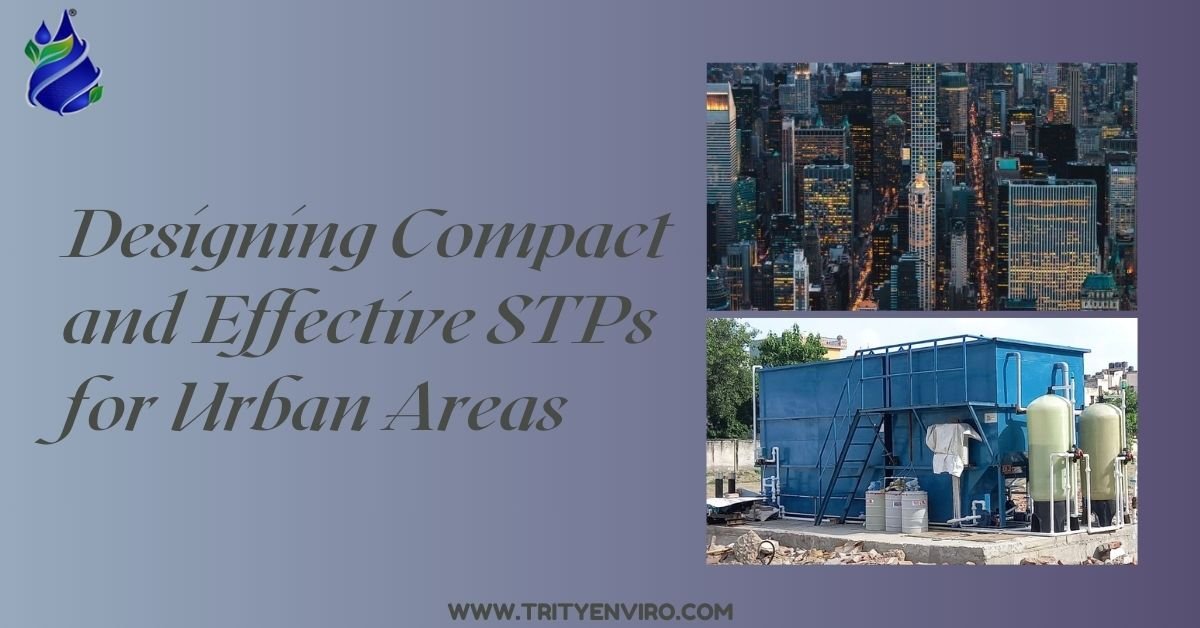
Compact STP design strategies for urban areas with real space-saving data: MBBR, MBR technology, basement integration, and odour control.
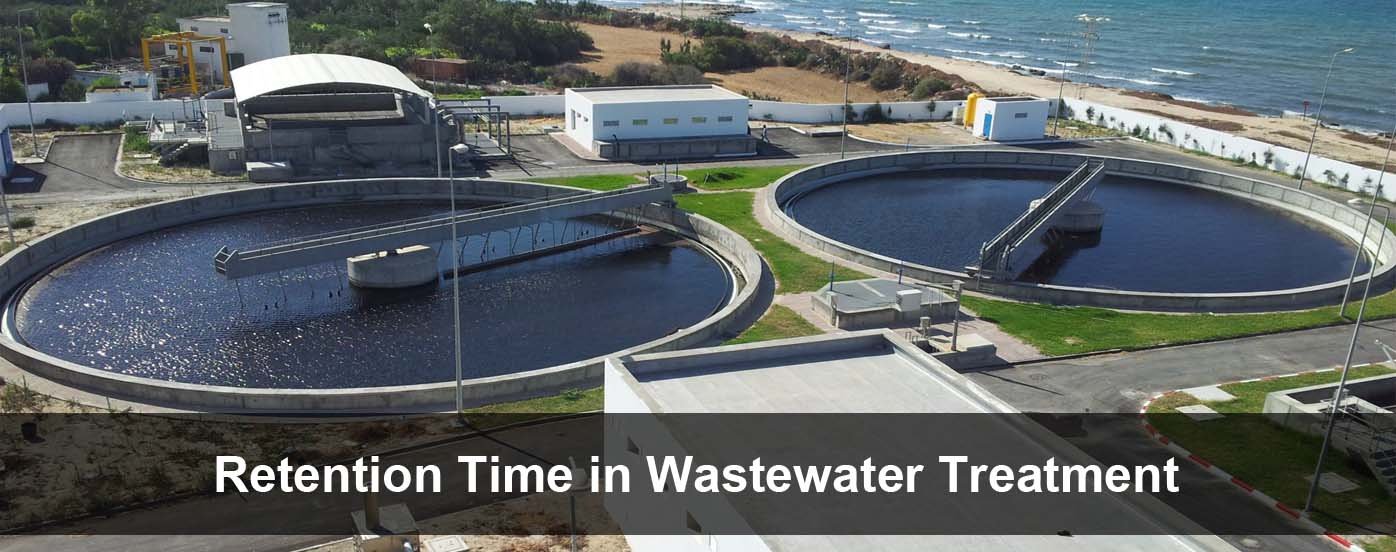
Learn what retention time in wastewater treatment means, how HRT and SRT are calculated, ideal values for STP and ETP, and how wrong retention time affects plant performance.




Discuss your requirements with our engineering team and get practical guidance for your project.