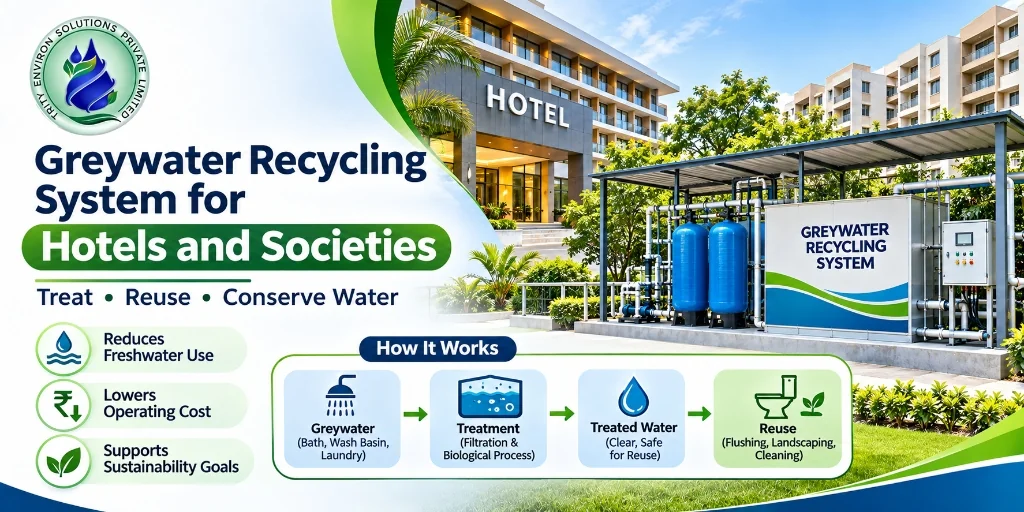
Greywater Recycling System for Hotels and Societies
Trity Enviro explains greywater recycling for hotels and societies: sources, treatment train, dual plumbing, reuse quality and a worked 200 flat example.

 ISO 9001:2015 & QCI Approved
Our blog covers practical engineering topics for anyone planning or operating a Sewage Treatment Plant or Effluent Treatment Plant in India. You will find capacity calculation guides, technology comparisons like MBBR versus SBR versus MBR, industry specific treatment guides for pharma, textile and dairy effluent, and state wise pollution control board compliance requirements. These articles are written by our engineering team based on real project experience, not generic content, so you get information you can actually use when planning a plant or preparing for compliance.
Trity Enviro explains greywater recycling for hotels and societies: sources, treatment train, dual plumbing, reuse quality and a worked 200 flat example.
Read Full Article
Trity Enviro explains greywater recycling for hotels and societies: sources, treatment train, dual plumbing, reuse quality and a worked 200 flat example.
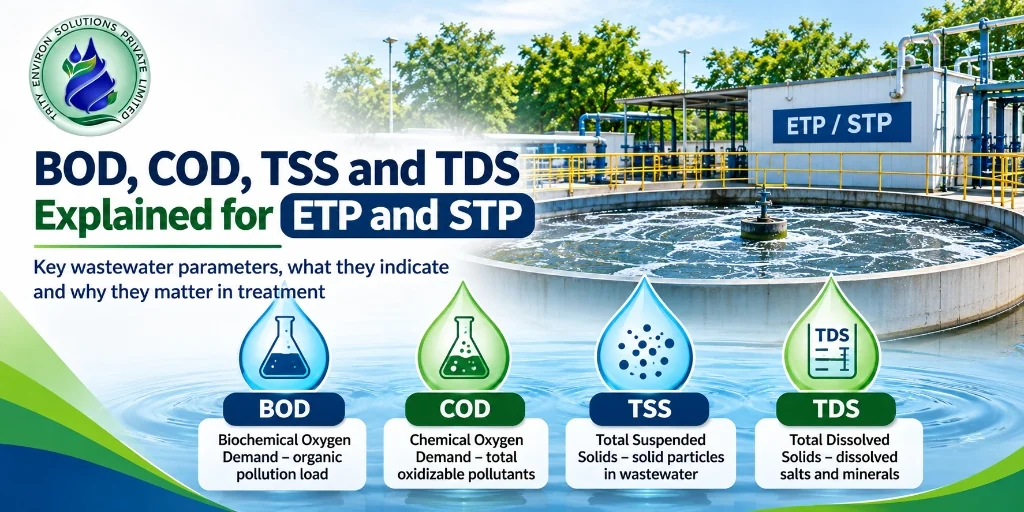
Trity Enviro explains BOD, COD, TSS, TDS and pH: what each test measures, typical values, CPCB limits and how to read your ETP or STP lab report.
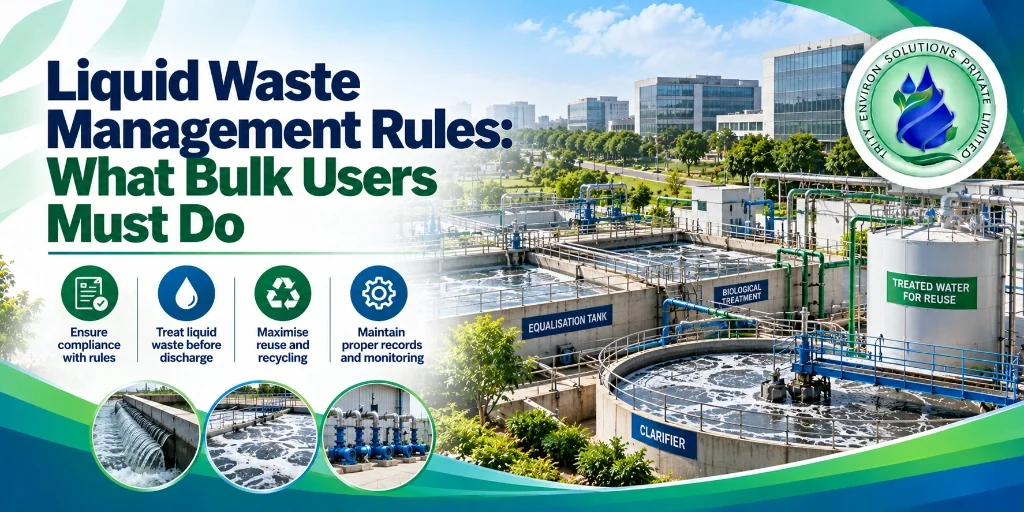
Trity Enviro explains the draft Liquid Waste Management Rules: bulk user limits, EUR certificates, reuse targets and how to prepare your wastewater system.
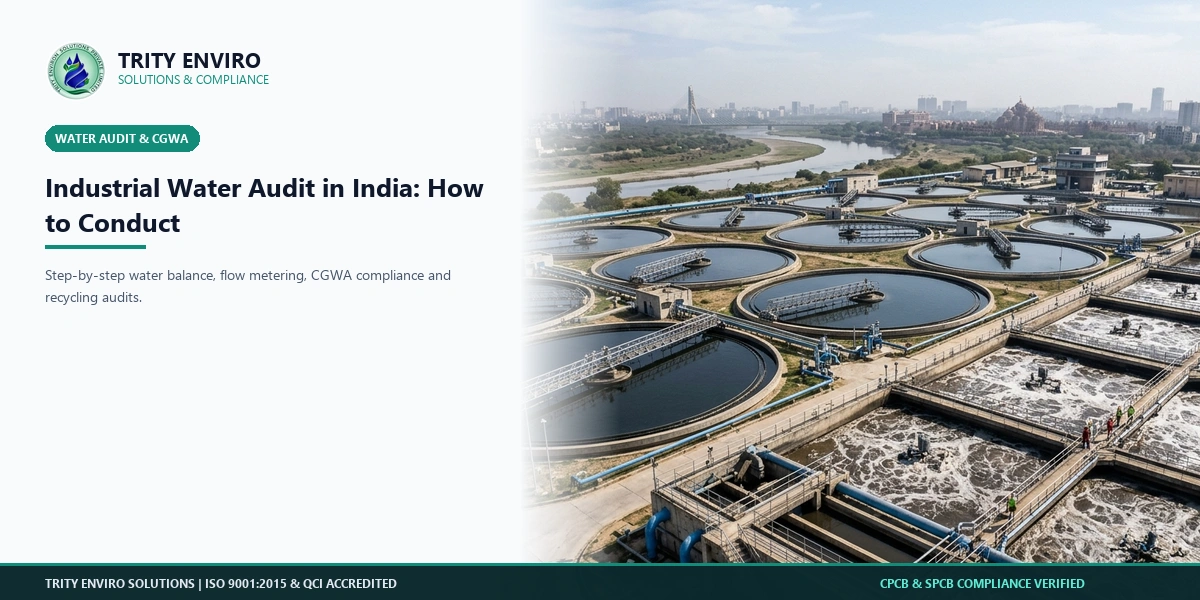
How to conduct an industrial water audit in India: CGWA rules, water balance, leak survey, reuse options, action plan and cost, with a worked balance example.
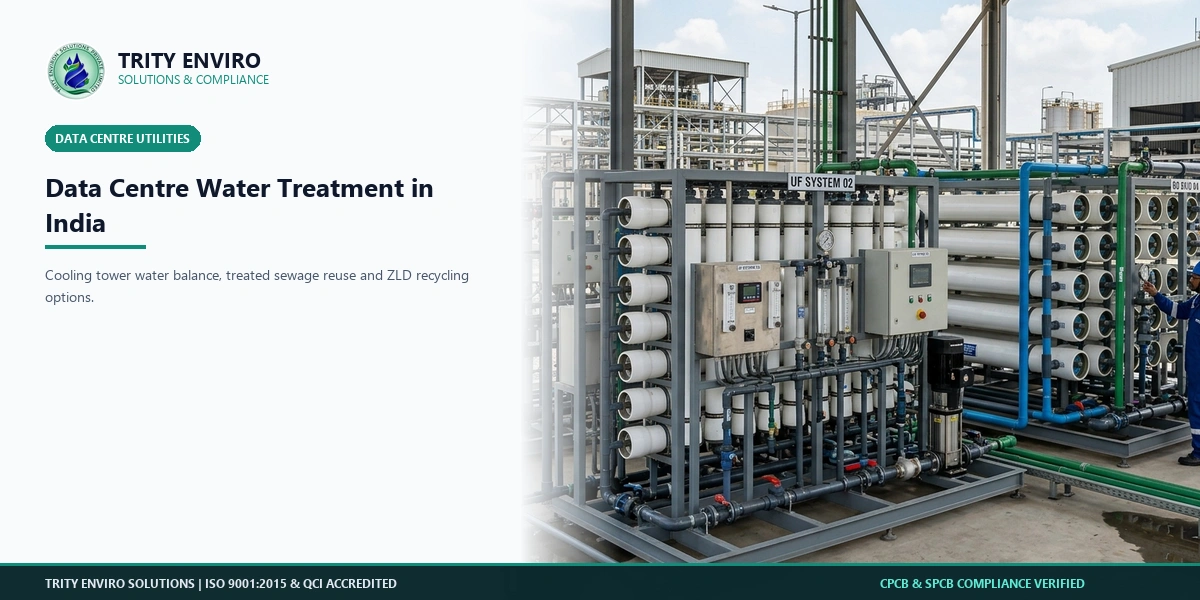
How data centres in India can cut water use: cooling tower treatment, treated sewage reuse, RO, ZLD and a worked water balance for a 10 MW facility.
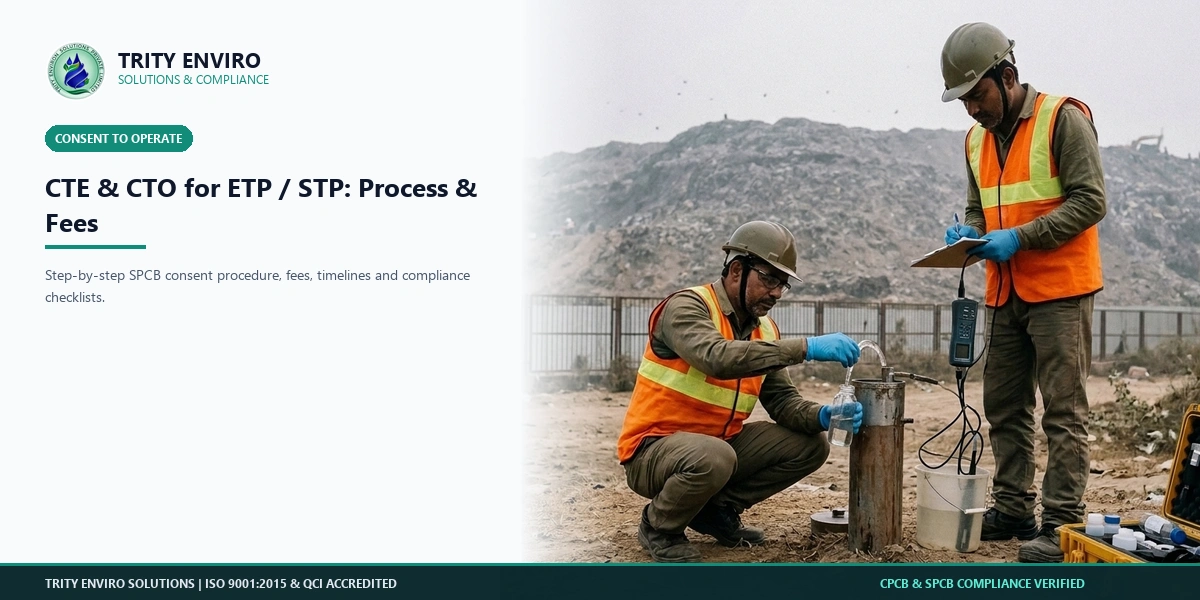
How to get Consent to Establish and Consent to Operate for your ETP or STP: steps, documents, fees, validity, renewal timing and common reasons for rejection.
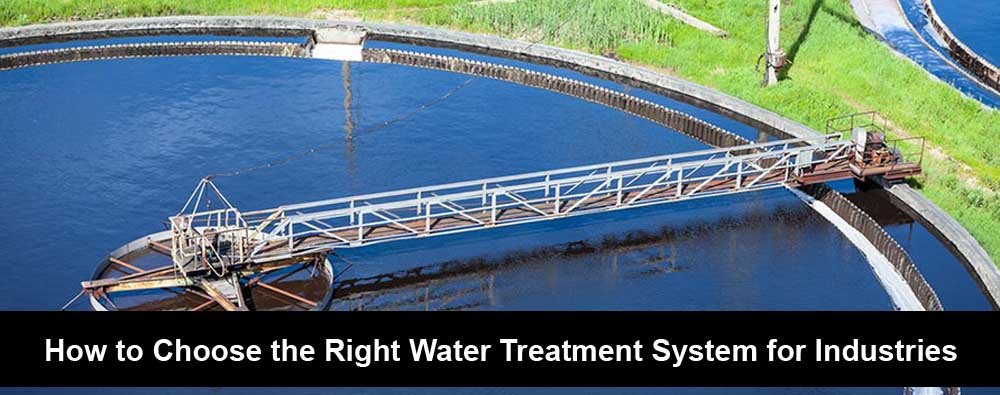
Learn how to choose the right STP, ETP, or RO plant for your industry in India, covering CPCB/SPCB compliance, sizing, and cost. Get expert guidance.

Effluent Treatment Plants help industries manage wastewater, removing toxins and pollutants to protect the environment, ensure regulatory compliance, and promote sustainability.
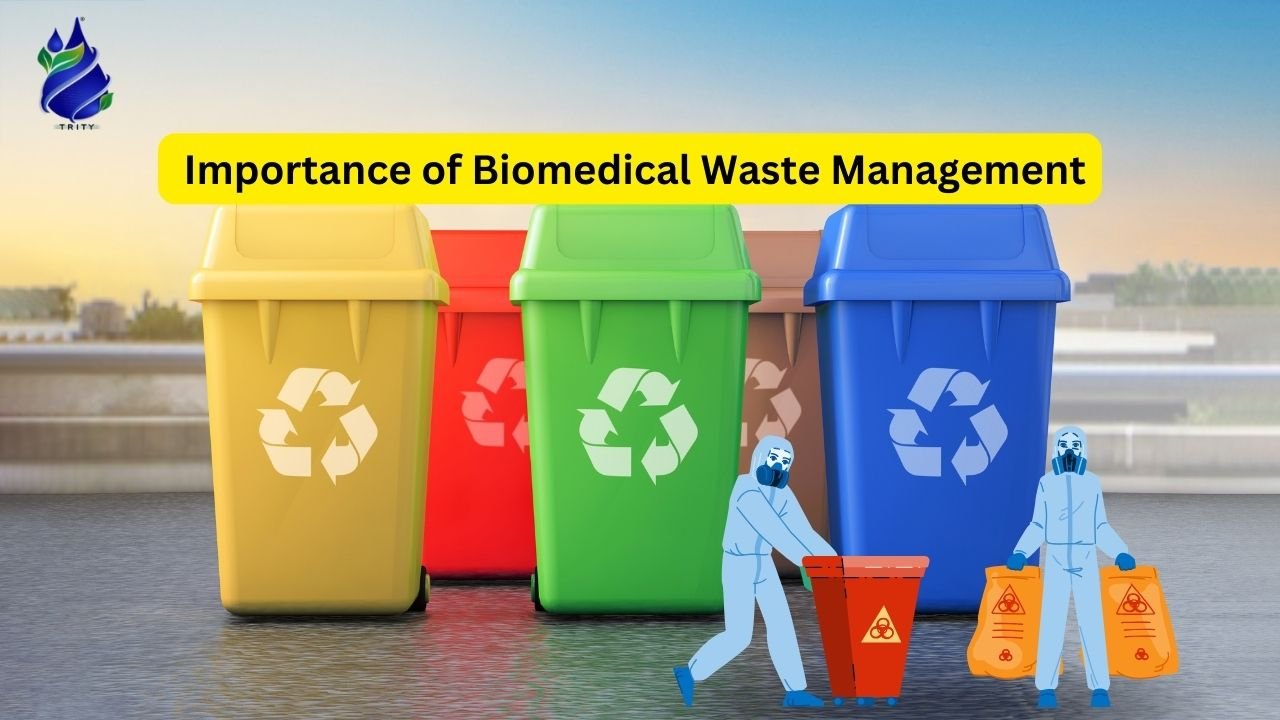
Why biomedical waste management matters in India: the 2016 Rules, four-category system, real generation data, and what happens when segregation fails.











Discuss your requirements with our engineering team and get practical guidance for your project.

