Andhra Pradesh Pharma ETP Compliance: Treating API Effluent, High COD and Solvent Loads
A practical guide to pharma ETP compliance in Andhra Pradesh: API residues, high COD, solvents, treatment stages, ZLD and how to plan an upgrade.

 ISO 9001:2015 & QCI Approved
Our blog covers practical engineering topics for anyone planning or operating a Sewage Treatment Plant or Effluent Treatment Plant in India. You will find capacity calculation guides, technology comparisons like MBBR versus SBR versus MBR, industry specific treatment guides for pharma, textile and dairy effluent, and state wise pollution control board compliance requirements. These articles are written by our engineering team based on real project experience, not generic content, so you get information you can actually use when planning a plant or preparing for compliance.
Telangana is building a treated wastewater reuse network. See how STP owners and industries can meet quality needs, supply reuse water and plan upgrades.
Read Full Article
A practical guide to pharma ETP compliance in Andhra Pradesh: API residues, high COD, solvents, treatment stages, ZLD and how to plan an upgrade.
Upgrade your ETP or STP to meet TNPCB norms in Tamil Nadu. Learn the warning signs, textile cluster challenges, reuse and ZLD options and upgrade costs.
A practical GPCB checklist for Gujarat industrial units covering ETP performance, effluent monitoring, self-monitoring reports, ZLD readiness and upgrades.
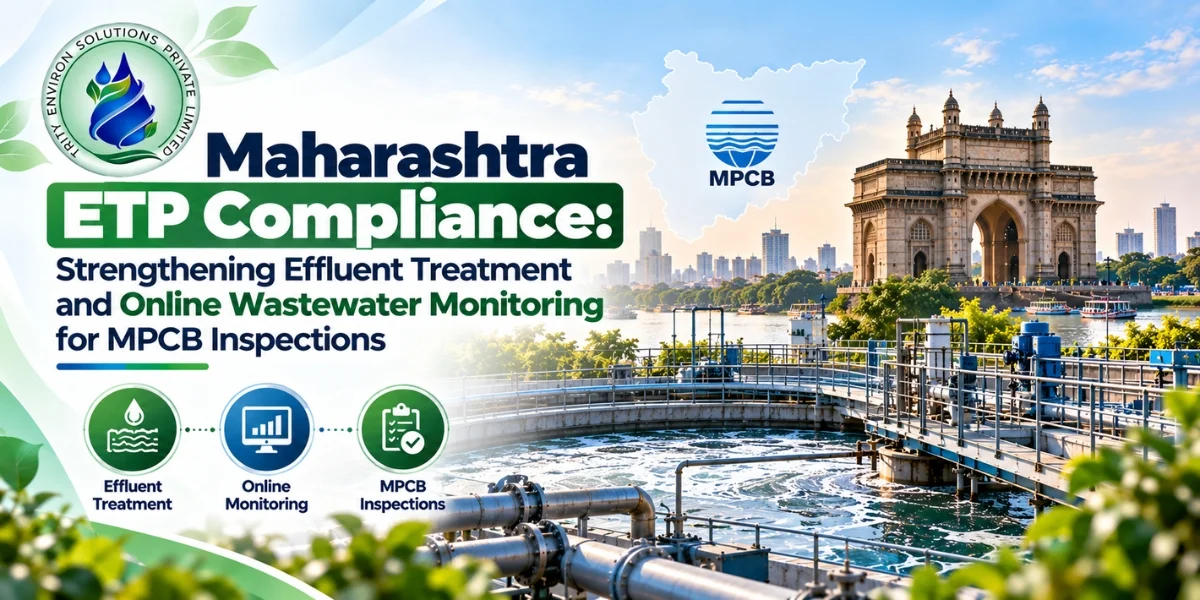
Get your Maharashtra ETP ready for MPCB inspections: discharge norms, online effluent monitoring, sampling records, common failures and upgrade options.
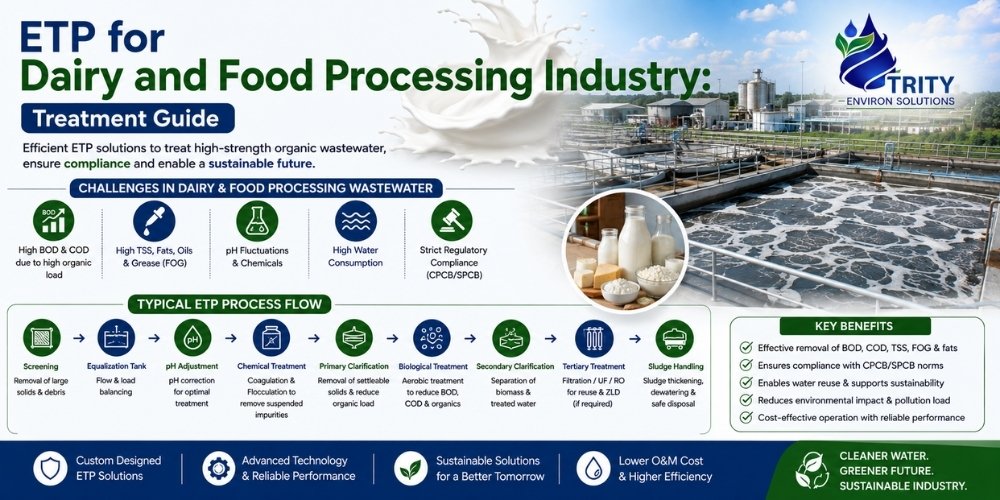
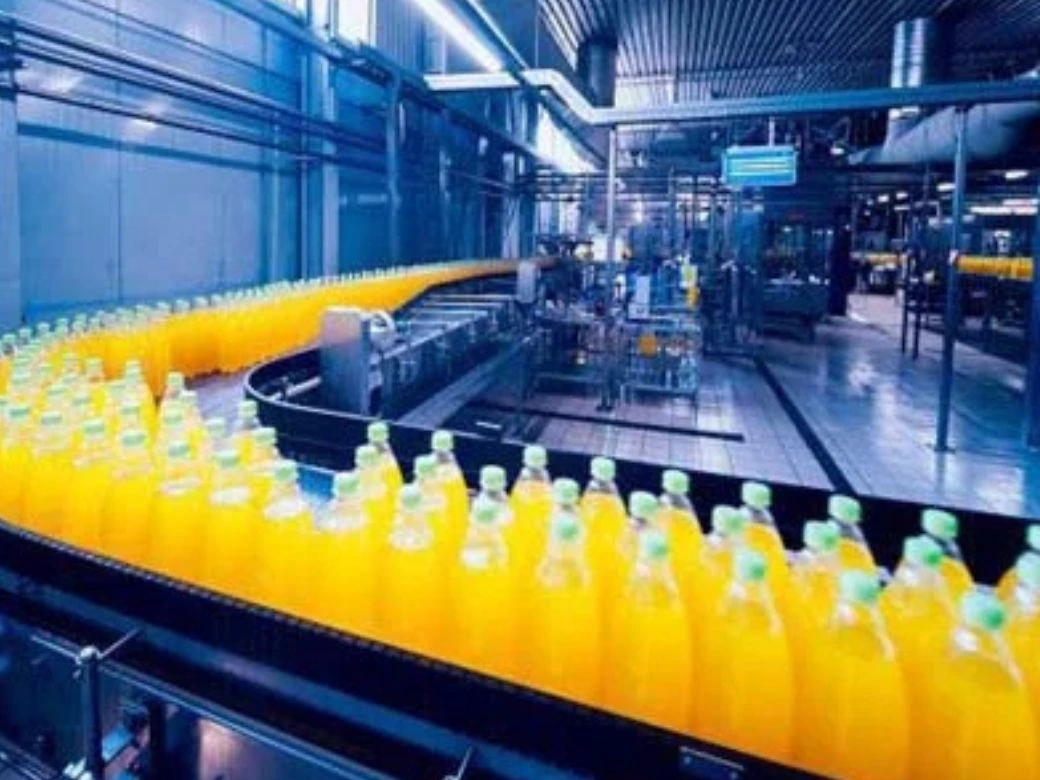
Dairy and food processing effluent carries high BOD, COD, and FOG that standard ETPs struggle with. See the treatment stages and technology choices that actually work.
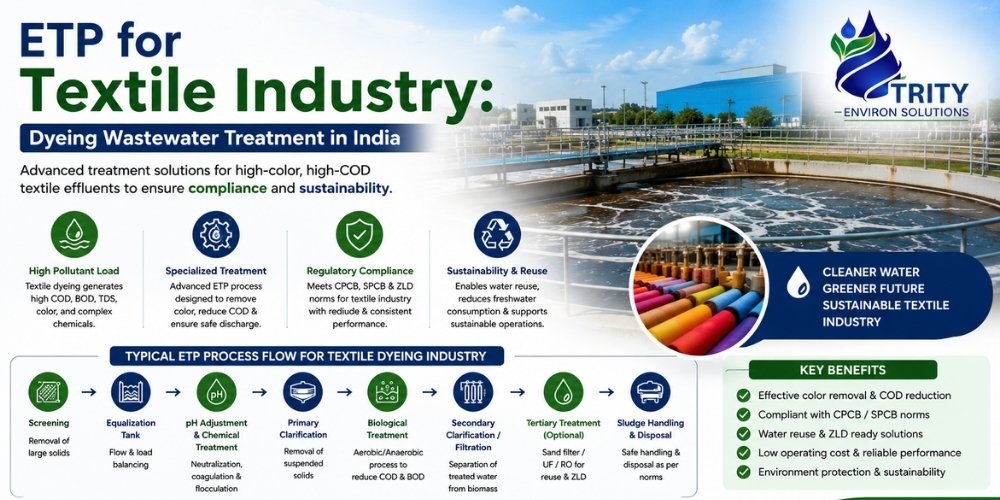
Textile effluent brings colour, high TDS, and variable pH that generic ETPs can't handle. See the treatment stages, technology choices, and compliance norms that actually work.
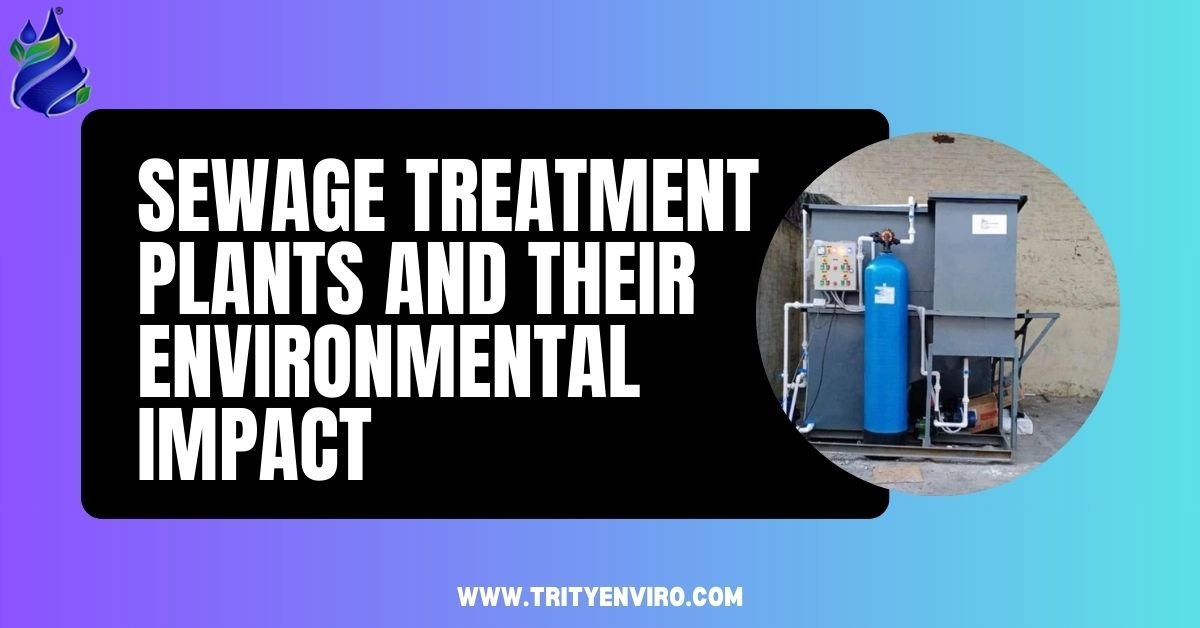
Learn how sewage treatment plants protect ecosystems, prevent waterborne diseases, and reduce environmental impact through sustainable practices and innovative technologies.
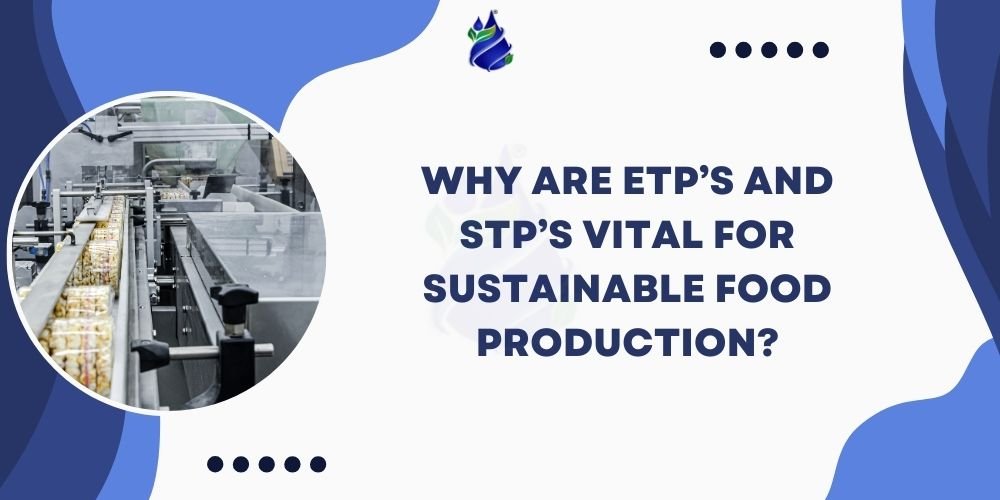
How ETPs and STPs support sustainable food production, treating food industry effluent and enabling safe agricultural water reuse under WHO/India norms.

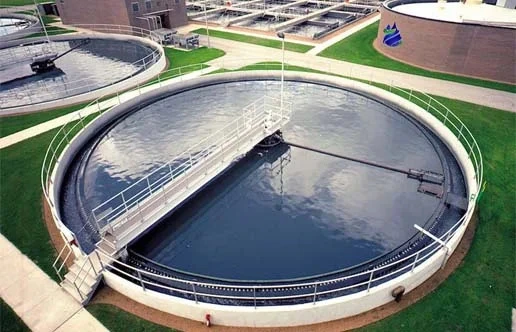
Explore how modern wastewater treatment plants contribute to urban sustainability, water reuse, pollution reduction, and climate change mitigation for greener cities.




Discuss your requirements with our engineering team and get practical guidance for your project.