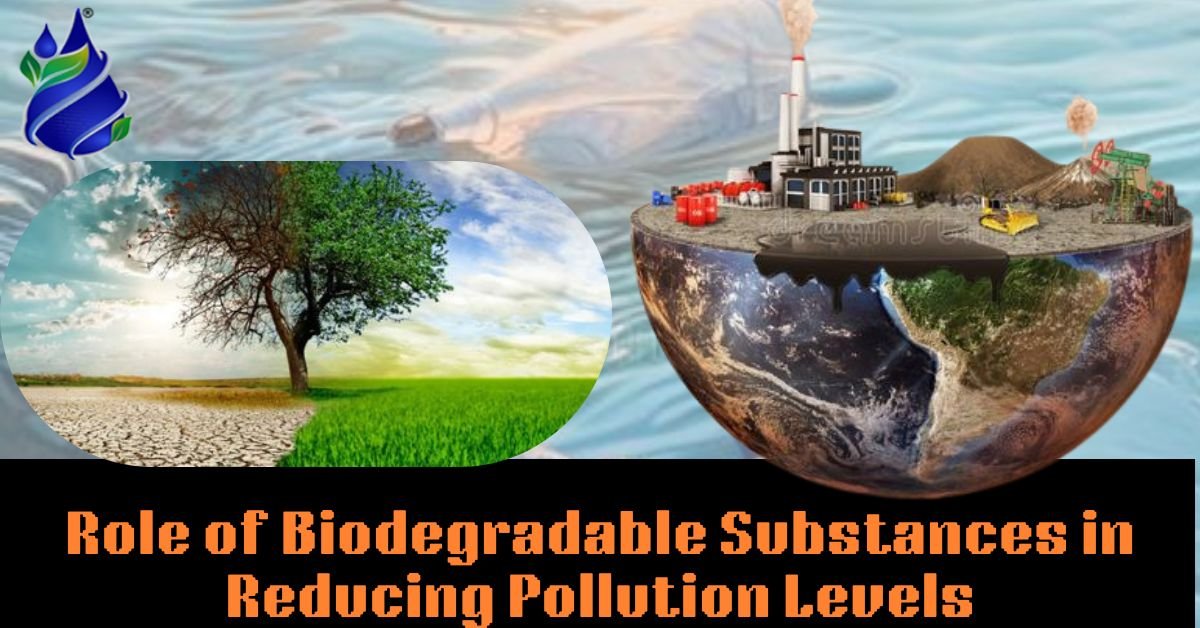
Two Ways in Which Biodegradable Substances Would Affect the Environment
Discover how biodegradable substances enhance soil fertility, reduce pollution, and contribute to ecosystem restoration for a healthier environment.

 ISO 9001:2015 & QCI Approved
Our blog covers practical engineering topics for anyone planning or operating a Sewage Treatment Plant or Effluent Treatment Plant in India. You will find capacity calculation guides, technology comparisons like MBBR versus SBR versus MBR, industry specific treatment guides for pharma, textile and dairy effluent, and state wise pollution control board compliance requirements. These articles are written by our engineering team based on real project experience, not generic content, so you get information you can actually use when planning a plant or preparing for compliance.
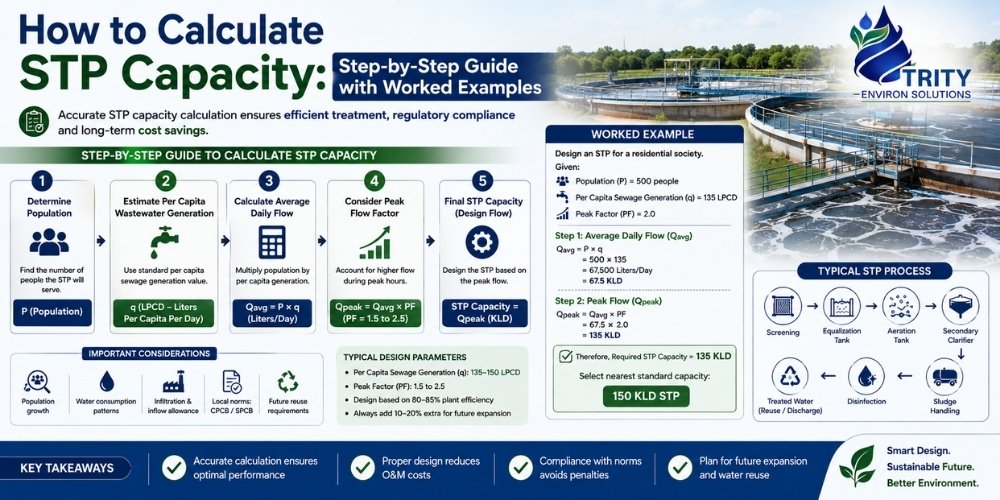
Calculate STP capacity correctly with worked examples for residential, hotel, hospital, and industrial projects. CPHEEO-based formulas, peak factors, and tank sizing explained.
Read Full Article
Discover how biodegradable substances enhance soil fertility, reduce pollution, and contribute to ecosystem restoration for a healthier environment.
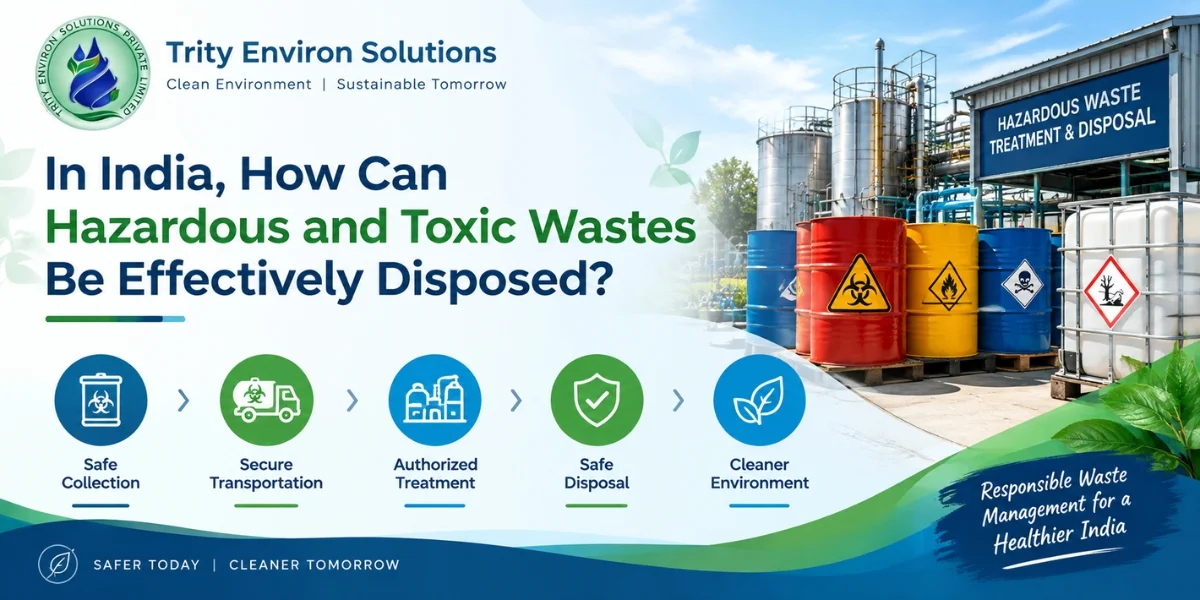
How hazardous and toxic waste is legally disposed of in India under the 2016 Rules, disposal methods, TSDFs, and industry-specific compliance.
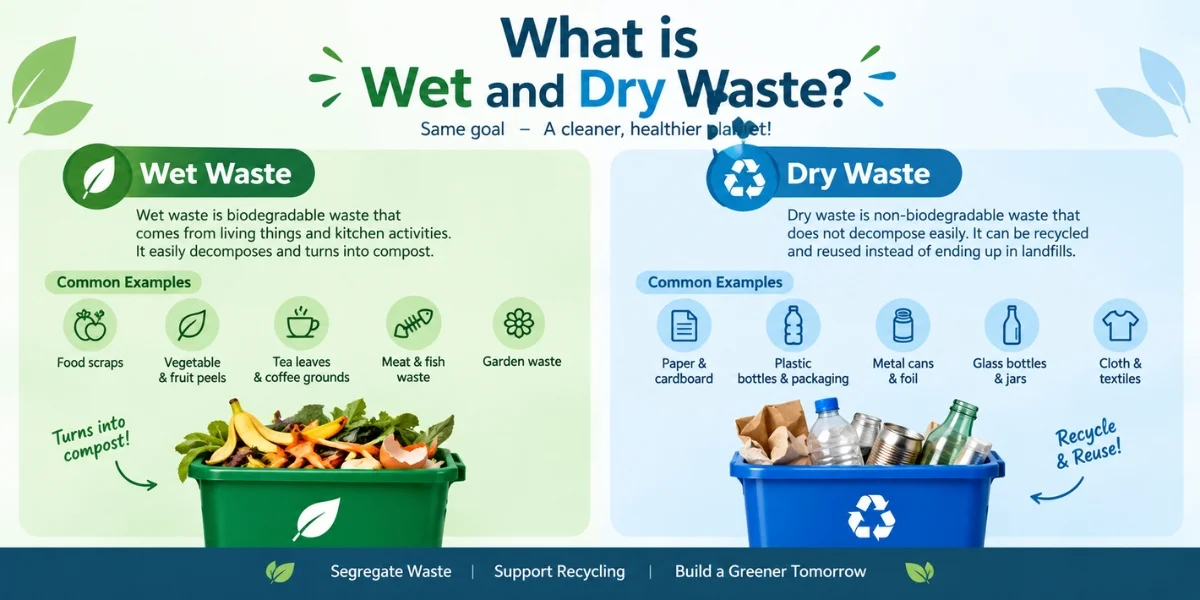
Understand the difference between wet waste and dry waste, correct segregation methods, and India's new SWM Rules 2026 four-bin system.

Explore how current STP technologies handle virus removal, their limitations, and innovations needed to protect public health and water safety.
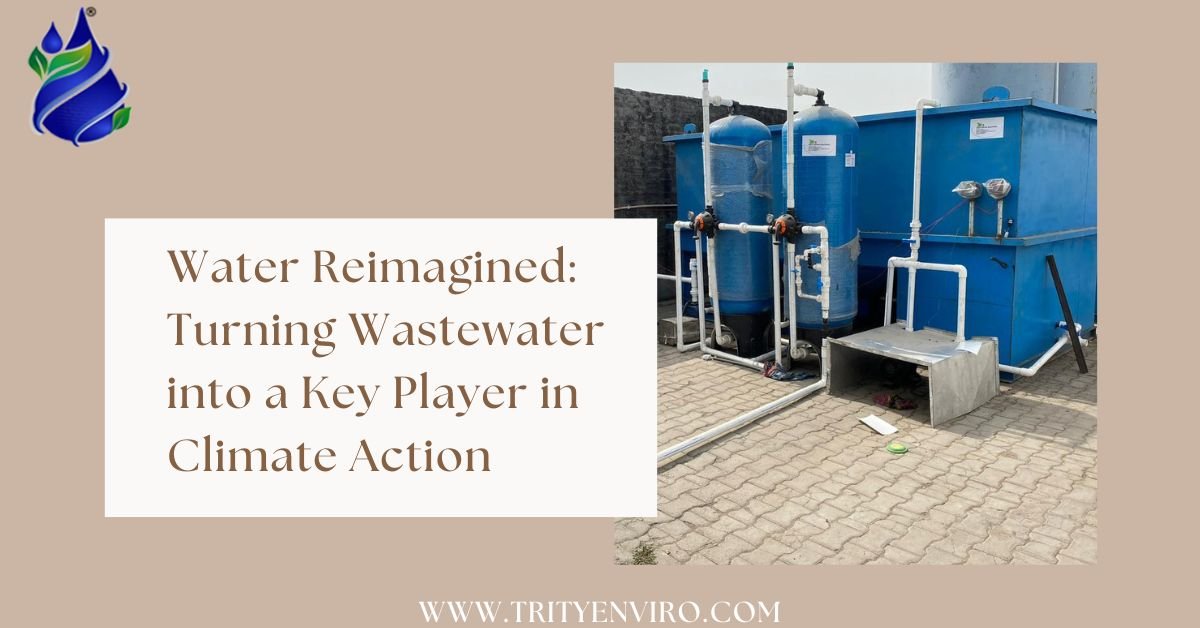
Wastewater treatment and recycling save resources, reduce pollution, and combat climate change. Explore how innovative technologies and global efforts are transforming water use.

Integrate wastewater management with urban planning using Water-Sensitive Urban Design for sustainability, water reuse, and climate resilience




Discuss your requirements with our engineering team and get practical guidance for your project.