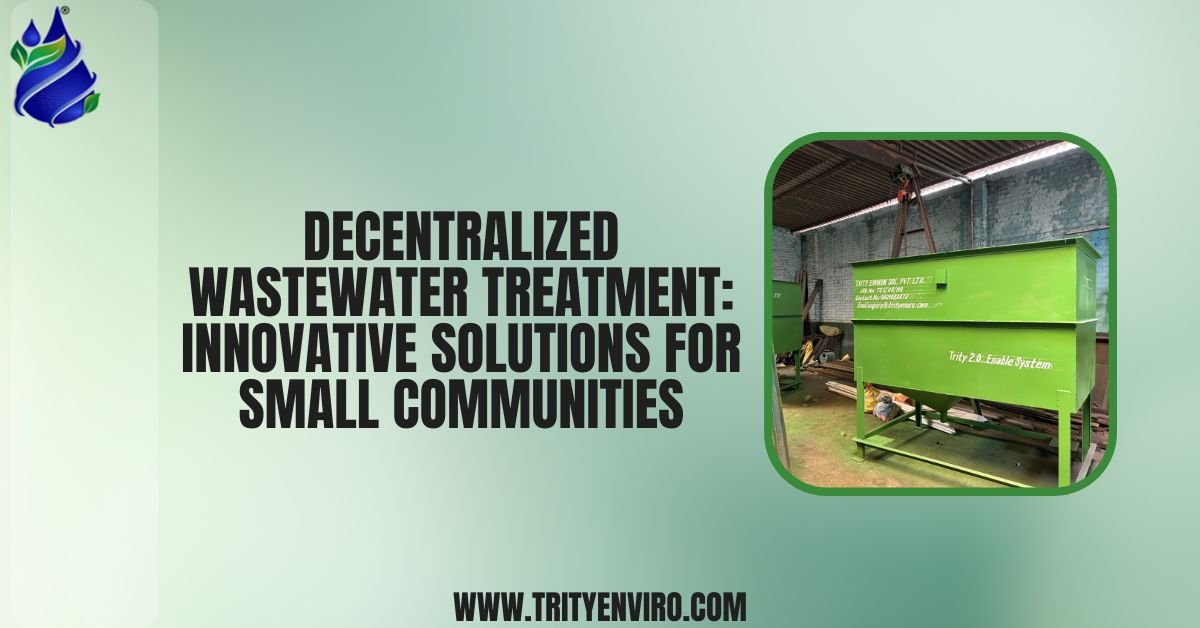
Decentralized Wastewater Treatment: Innovative Solutions for Small Communities
Explore decentralized wastewater treatment solutions for small communities. Affordable, eco-friendly systems reduce pollution and promote water conservation and reuse.

 ISO 9001:2015 & QCI Approved
SBR technology treats sewage in timed batches within a single tank. Learn how it works, its real benefits, and how it compares to other treatment methods.
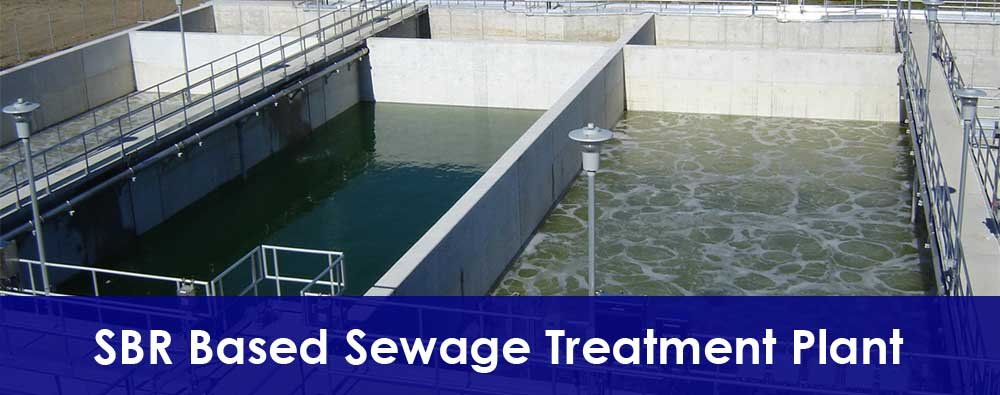
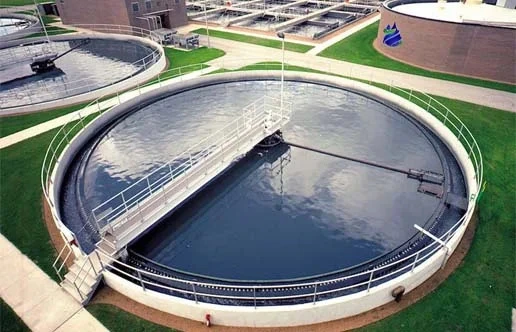
Most people picture a sewage treatment plant as a series of tanks, water flowing from one to the next as it gets progressively cleaner. A Sequencing Batch Reactor (SBR) works differently. Instead of moving water through separate tanks, it treats an entire batch of sewage through every stage, fill, react, settle, decant, and idle, inside a single tank, on a timed cycle. That single design choice changes almost everything about how the plant behaves, and it explains why SBR technology has become one of the more common choices for Indian STPs over the last decade, particularly for sites where land is limited and flow does not arrive at a steady, predictable rate throughout the day.
An SBR cycle runs through five distinct phases, each with its own purpose, before starting over.
| Phase | What Happens | Why It Matters |
|---|---|---|
| Fill | Raw or partially treated sewage enters the tank | Brings in the batch to be treated |
| React | Aeration begins, bacteria break down organic matter | This is where the actual biological treatment happens |
| Settle | Aeration stops, solids sink to the tank bottom | Separates treated water from biological sludge |
| Decant | Clear treated water is drawn off from the top | Removes the treated effluent without disturbing settled solids |
| Idle | Tank pauses briefly before the next fill | Allows sludge wasting and prepares for the next cycle |
Everything happens in one tank, not several: Conventional activated sludge systems use separate aeration and clarifier tanks, with water physically moving between them. An SBR achieves the same biological and settling steps in one tank by changing what is happening inside it over time rather than changing where the water is, which is the core idea worth holding onto when comparing this technology against more traditional plant layouts.
Bacteria do the actual purification work: During the react phase, aerobic bacteria consume organic pollutants in the sewage, converting them into carbon dioxide, water, and additional bacterial biomass, the same biological principle behind any activated sludge process, just organised differently in time rather than space.
Cycle duration is tunable to the load: The length of each phase can be adjusted based on incoming sewage volume and strength, giving SBR systems a flexibility that fixed-flow continuous systems do not have.
The benefits below follow directly from the single-tank, batch-based design.
Choosing between treatment technologies often comes down to site constraints and flow characteristics as much as raw performance.
| Factor | SBR | Conventional ASP | MBBR |
|---|---|---|---|
| Land footprint | Lower (single tank) | Higher (separate tanks) | Moderate |
| Best suited for | Variable or intermittent flow | Steady, high continuous flow | Sites needing higher loading rates |
| Flow pattern | Batch (cyclical) | Continuous | Continuous |
| Automation dependency | High | Moderate | Moderate |
| Typical application | Hotels, hostels, townships, mid-size industries | Large municipal plants | Sites with limited land but continuous flow |
No single technology wins across every scenario: A large municipal plant with steady, predictable inflow may still be well served by a conventional activated sludge design, while a hotel, hostel, or mid-sized residential township with intermittent or variable flow, exactly the kind of loading pattern many Indian sites deal with, tends to be a better match for SBR's batch-based flexibility. The right answer comes from mapping actual flow data against each technology's strengths, not from defaulting to whichever option is most familiar.
SBR technology shows up across a specific set of applications where its characteristics line up well with real operating conditions.
A few factors are worth weighing honestly before settling on this technology for a specific site.
Not every SBR system follows the exact same design, and a few common variants have emerged to address specific operational needs.
Choosing between these variants comes down to site-specific flow patterns, available land, and whether downstream reuse or discharge requirements call for smoother, more continuous effluent output.
Understanding where the costs sit helps set realistic expectations when comparing SBR against other technology options.
| Cost Factor | SBR Consideration |
|---|---|
| Civil construction | Generally lower due to single-tank design and smaller footprint |
| Automation and controls | Higher upfront investment, since reliable PLC-based control is central to performance |
| Aeration equipment | Comparable to other biological treatment systems, sized to tank volume and load |
| Operating energy cost | Can be lower with well-tuned automation avoiding unnecessary aeration |
| Maintenance | Concentrated around control systems and aeration equipment rather than multiple tank structures |
The civil cost saving often offsets the automation investment: Sites with expensive or limited land frequently find that the reduced civil construction footprint of an SBR more than makes up for the higher relative cost of automation and control systems, particularly in urban and semi-urban locations where land cost is a significant part of overall project budget.
Long-term operating cost depends on how well the system is tuned: An SBR with properly configured cycle timing and automation tends to run more efficiently over its operating life than one left on generic default settings never adjusted to actual site conditions, which is why working with a manufacturer who commissions the system with real influent data rather than assumed averages makes a measurable difference over years of operation.
A few recurring issues show up across SBR installations that fall short of their expected performance.
A functioning SBR system depends as much on correct design and commissioning as it does on the technology itself.
Our Sequencing Batch Reactor systems are designed around this kind of site-specific sizing and control approach rather than a generic template, backed by installation support and ongoing AMC service.
If your project needs an SBR-based STP sized correctly for actual flow patterns, reach out through our services page or contact us at enquiry@trityenviro.com or +91-9821030072 for a site assessment.
A conventional activated sludge plant moves sewage through separate aeration and clarifier tanks in a continuous flow. An SBR performs the same biological treatment and settling steps within a single tank, cycling through phases on a timed basis rather than moving water between structures, which reduces land footprint and adds operational flexibility.
Yes, SBR is particularly well suited to these applications because occupancy-driven sewage flow tends to be variable rather than constant, and SBR's batch-based cycle handles that variability more gracefully than continuous-flow systems designed around steady input assumptions.
Not inherently more, but it does depend more heavily on reliable automation and control systems, since correct phase timing is central to how the process works. A well-maintained control system keeps an SBR running smoothly, while neglected automation can undermine its performance advantage over time.
In many cases, yes. The settle and decant phases, done without inflow disturbance, tend to produce consistently clear effluent that often meets the quality standard needed for reuse in landscaping, flushing, or cooling applications, subject to the specific reuse standard being targeted and any additional polishing treatment required.
SBR scales across a wide range, from small hotel or hostel-sized plants up to mid and large municipal installations, though it tends to show its strongest relative advantage at small to mid-sized sites with variable flow patterns and land constraints, rather than very large municipal plants with steady, predictable continuous flow.
A conventional SBR pauses inflow during the react and settle phases to maintain undisturbed batch treatment. An ICEAS-type system allows continuous inflow throughout the cycle using a baffled inlet zone that minimises disturbance to the settling process, which suits sites where completely stopping incoming flow between batches is not practical, such as facilities with continuous process discharge alongside domestic sewage.
Explore decentralized wastewater treatment solutions for small communities. Affordable, eco-friendly systems reduce pollution and promote water conservation and reuse.
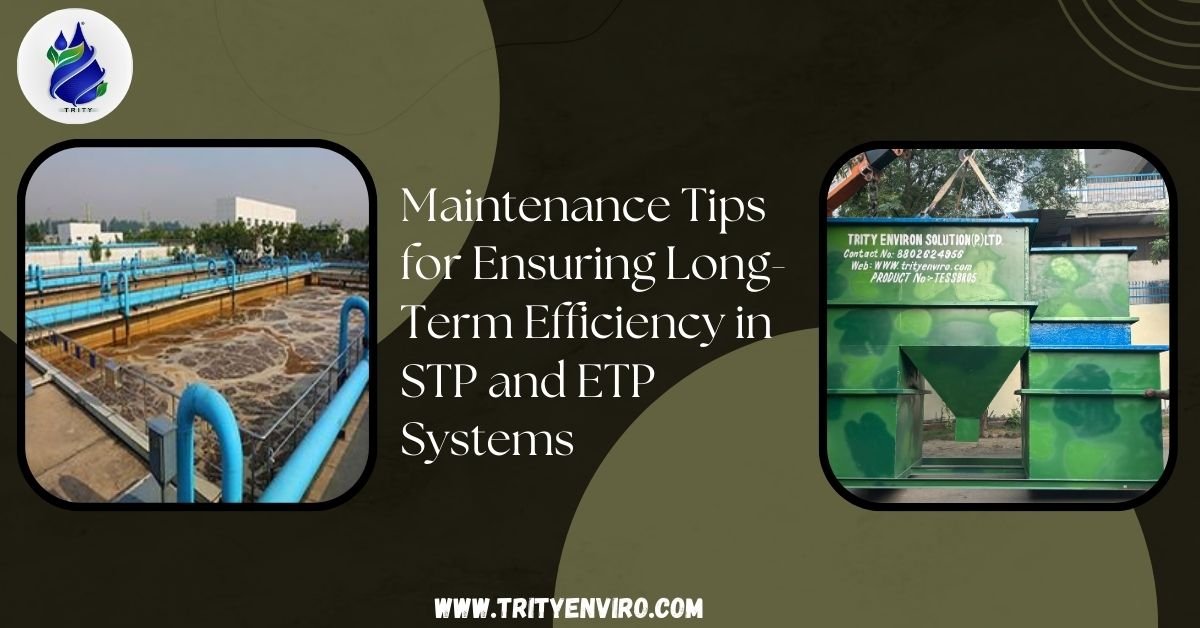
Ensure optimal performance of STP & ETP systems with regular inspections, cleaning, pH monitoring, and modern tech upgrades for long-term reliability.

Megacities face growing wastewater challenges. Innovative tech, strong policy, and public awareness are key to sustainable urban infrastructure solutions.

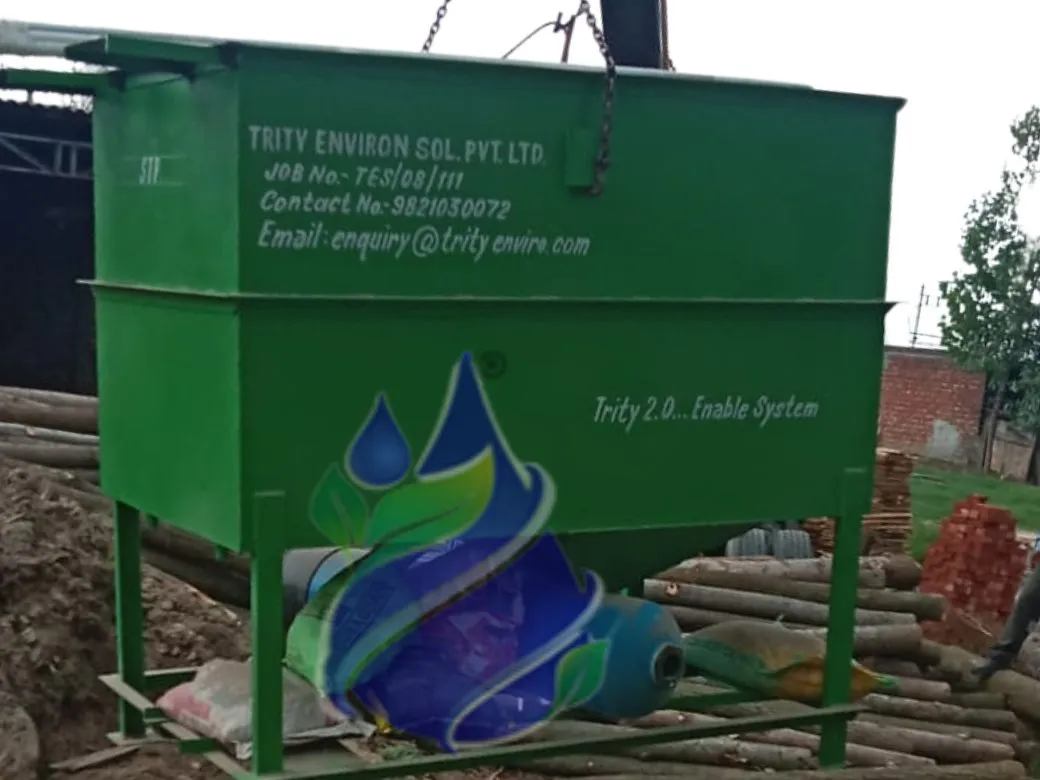



Discuss your requirements with our engineering team and get practical guidance for your project.