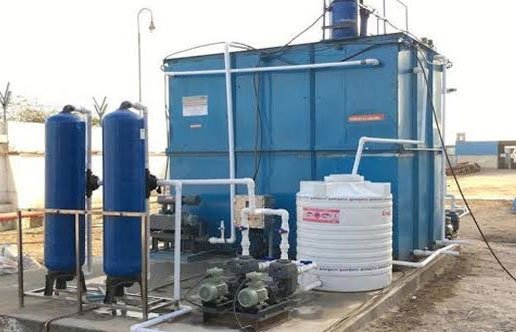
Effluent Treatment Plant for Hospital

We are the leading manufacturer & supplier of Effluent Treatment Plants for Hospitals.....
| Power Source | : Electronic |
| Treatment Technology | : Mixed Bed Bio Reactor(MBBR) |
| Application Industry | : Pharmaceutical & Chemicals |
| Capacity (KLD) | : 100 KLD to 1 MLD |
Effluent treatment plant is specially designed and developed to treat wastewater containing toxic substances like harmful chemicals, hazardous substances, and many other things that have the potential to cause irreparable loss to the environment. There are many industries that are using an effluent treatment plant at their working place to purify the wastewater and reuse it for several purposes other than drinking which will not only help in the conservation of water but also in decreasing the dependency on the freshwater resources. Ultimately it will help us in saving water resources for future generations. As earlier stated the effluent treatment plant which is easily available through an effluent treatment plant manufacturers has some of the quality that renders it the best technology and a must-have infrastructure for the industries. There are many companies in the market that are offering these effluent treatment plants but we at Trity Environ Solutions are dedicated to providing premium services to our customers without considering only the monetary aspect of it. We assure our clients that we are always there for them in case they feel any trouble and also they can take our support through our helpline number anytime and our expert will be there to assist them.
Working of an Effluent Treatment Plant
An effluent treatment plant is a very simplified mechanism for the treatment of wastewater sourcing from various industries like the chemical industry, textile industry, pharmaceutical industry, and many more. Since, the working effluent treatment plant is very simple as it works in a few stages that include collection and storage, preliminary treatment, primary treatment secondary treatment, and tertiary treatment. Where the collection and storage stage ensures the collection of wastewater and effluent from different sources and then stored in a collection tank or equalization tank in order to make sure that the proper flow of wastewater into the treatment plant. Next is the preliminary treatment stage which requires the removal of large objects, debris, and coarse solids here the screens and grates are used to trap these particles, and later on they get disposed of separately. After it comes to the primary treatment where sedimentation tanks or clarifiers are used and the wastewater is allowed to settle down which leads to the heavier suspended solid and sludge settling at the bottom which ultimately leads to the formation of sludge and later on clarified water on the top is skimmed off and sent for the further treatment. The fourth stage of an effluent treatment plant that can be easily purchased through an effluent treatment plant for hospitals is secondary treatment.
In this stage what takes place is the biological process that involves the introduction of microorganisms such as bacteria, and protozoa in the biological reactor where the water is stored for the treatment and then these microorganisms consume all the organic matter along with dissolved nutrients and pollutants present in the wastewater which later on convert these into biomass and carbon dioxide and this process is known as activated sludge process. Then comes the fourth and last stage which is the tertiary treatment in order to enhance its quality and to do this few methods are involved in it like filtration and disinfection. So, this was a brief about the basic working of an effluent treatment plant which can be easily purchased. Also, it is often said that whether we are talking about commercial buildings or industrial units, a wastewater treatment plant is a must for each of them in order to take care of our environment. But today we are here to talk about the kind of importance of an effluent treatment plant in the context of hospitals where special care has to be taken in order to prevent the spread of disease. Also, a sewage treatment plant for a small hospital ensures the discharge of wastewater as per the environmental standards before being discharged into the environment. A few important points of the effluent treatment plant keep in mind the industry which is the hospital currently-
Prevention of Disease- Pathogens, such as bacteria, viruses, and other microbes, often appear in wastewater released from hospitals If released into the environment without proper treatment, these pathogens can be harmful to both humans and animals. ETPs successfully eliminate or neutralize these bacteria, lowering the risk of disease spread.
Public Health and its Safety- Pharmaceuticals, chemicals, and other dangerous compounds are also found in effluent released from hospitals. In order to protect human health and stop harmful toxins from entering the ecosystem, ETPs are made to remove them completely.
Resource Conservation- Some ETPs have systems of recycling and reuse of treated wastewater. This lessens the demand for freshwater resources and helps save water resources. That’s why it is one of the obvious reasons that's why an effluent treatment system should be installed in a hospital.
Social Welfare- By installing an effluent treatment plant, you will not only receive accolades because you are making an effort to preserve the wastewater by treating them properly but also for that you are showing your commitment towards the general society that how much you care for them. Therefore, it also shows how the hospitals are taking care of the environment along with heading towards sustainable practices.
So, these were some of the points that we as a wastewater plant manufacturer wanted to convey to you and also we would like to request that if you are considering installing an effluent treatment plant in your hospital or anywhere else then you can contact us through our contact details and we assure you that whatever will be your demand will be taken care off by our executive and we will also provide you with free of cost site visit where our team of expert analyze the situation and recommend the best in your interest. This will not only help you in installing the best product as per your need but also it will ensure that you do not have to spend money more than the required amount.
Related Products
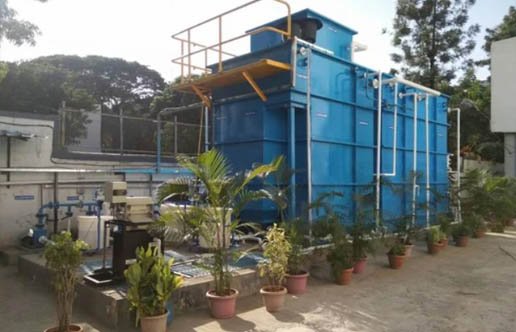
STP and ETP Plant Manufacturer in Nepal
STP and ETP plant manufacturing, cross-border supply, installation and AMC services for cement, hydropower, carpet and hospitality industries in Nepal, engineered around each site's actual effluent profile.

Tube Settler Media Manufacturer in India
Trity Environ is one of the best tube settler media manufacturers and suppliers in India. We have in...
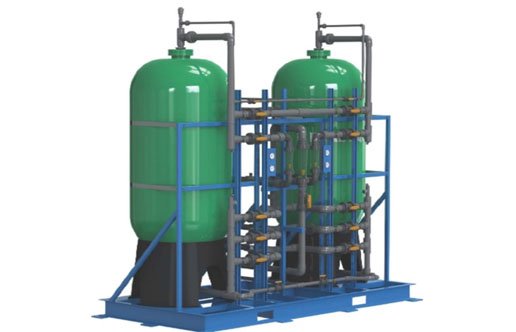
Industrial Demineralized Water Plant Manufacturers in India
Trusted Industrial Demineralized Water Plant Manufacturers in India for Power Plants, Pharma and Process Industries.

STP and ETP Plant Manufacturer in Kundli
Short Description (Kundli): STP and ETP plant manufacturing, installation, AMC and retrofit services for auto component, food processing, chemical and warehousing units in Kundli's HSIIDC estate, backed by HSPCB-compliant engineering.
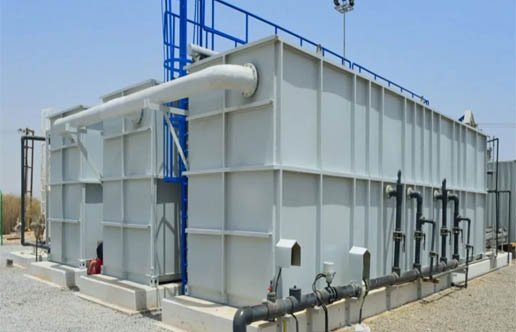
STP and ETP Plant Manufacturer in Shimla
Trity Environ Solutions manufacturers and suppliers of STP and ETP Plant Manufacturer in Shimla. Sewage Treatment...
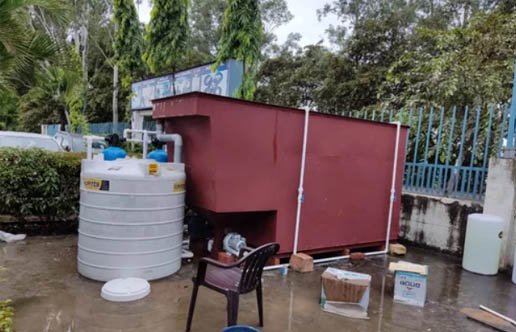
STP and ETP Plant Manufacturer in Meerut
STP and ETP plant manufacturing, installation, AMC and retrofit services for sports goods, scissors, dairy and cantonment institutions in Meerut, backed by UPPCB-compliant engineering.

STP and ETP Plant Manufacturer in Gurgaon
Trity Environ Solutions manufacturers and suppliers of STP and ETP Plant in Gurgaon. Sewage Treatment...

STP and ETP Plant Manufacturer in Varanasi
Trity Environ Solutions manufacturers and suppliers of STP and ETP Plants in Varanasi. Sewage Treatm...

STP and ETP Plant Manufacturer in Lucknow
STP and ETP plant manufacturing, installation, AMC and retrofit services for hospitals, hotels, government institutions and pharmaceutical/engineering units in Lucknow, backed by UPPCB-compliant engineering.
ETP and STP Plant Manufacturers in Maharashtra
Trity Enviro Solutions is one of the best Sewage Treatment Plant and Effluent Treatment Plant manufac...