Water Use and Reuse in the Rice Industry
Rice is one of the most water-intensive crops India grows. Explore how water is used across cultivation and milling, and how reuse and treatment are reshaping the industry.

 ISO 9001:2015 & QCI Approved
Learn what sparkling or carbonated water is, how CO2 creates fizz, its types, benefits, and industrial uses. Simple guide with practical insights.
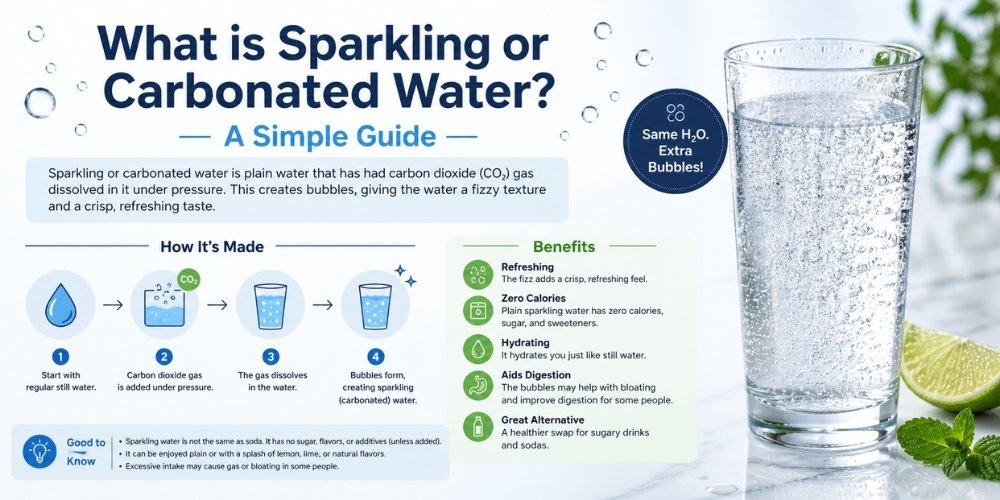
You have probably seen it on restaurant menus, supermarket shelves, and inside beverage manufacturing plants. Sparkling water, soda water, fizzy water, carbonated water — different names, but the science behind all of them is essentially the same.
So what exactly is sparkling or carbonated water? In the simplest terms, it is water that has carbon dioxide (CO2) gas dissolved into it under pressure. That dissolved gas is what creates the bubbles, the fizz, and that characteristic tingling sensation when you drink it.
But the more interesting questions are: how does CO2 actually get into water, what happens to water quality during this process, and why does it matter so much in food, beverage, and industrial applications? This guide breaks all of that down in plain, simple language.
Sparkling water meaning, at its core, is straightforward. It is water in which carbon dioxide gas has been dissolved under high pressure. When that pressure is released — like when you open a bottle — the CO2 starts escaping, forming the tiny bubbles you see rising to the surface.
The term "carbonated water" refers specifically to this process of CO2 infusion, regardless of whether the water is naturally fizzy (from underground springs) or artificially carbonated at a manufacturing facility.
Naturally sparkling water comes from mineral springs where CO2 is present underground. Artificially carbonated water, which is far more common commercially, is produced by forcing CO2 gas into purified water under controlled pressure and temperature conditions.
Both result in the same thing: water with dissolved gas that makes it bubbly, slightly acidic, and refreshing to drink.
Understanding the carbonation process helps you appreciate why water quality and treatment matter so much before the fizz is even added.
Step 1: Water Sourcing and Pre-Treatment
The process begins with raw water, which could be from a municipal supply, borewell, or natural spring. This water is never used as-is. It goes through a filtration and purification stage to remove suspended solids, sediment, chlorine, organic compounds, and microbial contaminants. The base water must be clean and neutral before carbonation can happen. Impurities in source water directly affect the taste, clarity, and stability of the final carbonated product.
Step 2: Chilling the Water
Water is chilled, typically to temperatures between 2 and 4 degrees Celsius. Cold water absorbs CO2 far more efficiently than warm water. This is the same principle that makes a chilled soda bottle hold its fizz much longer than a warm one left out in summer.
Step 3: CO2 Injection Under Pressure
Food-grade CO2 gas is injected into the chilled water inside a sealed carbonation tank. The pressure inside the tank is maintained at levels typically between 3 to 6 bar, depending on the desired carbonation level. Under this pressure, CO2 molecules are forced into the water and dissolve into it. This is what scientists call Henry's Law — the amount of gas that dissolves in a liquid is directly proportional to the pressure applied.
Step 4: Mixing and Equilibration
The water and CO2 are mixed thoroughly to ensure even distribution of the dissolved gas. This is a critical step. Uneven mixing produces inconsistent carbonation, where some portions of the batch are over-fizzy and others are flat.
Step 5: Packaging Under Pressure
The carbonated water is transferred and packaged — into bottles or cans — while maintaining that pressure throughout. The moment pressure drops significantly, CO2 begins escaping. This is why carbonated drinks go flat once opened and left standing.
| Parameter | Regular Water | Sparkling or Carbonated Water |
|---|---|---|
| CO2 content | None | 3 to 8 grams per litre typically |
| pH level | 6.5 to 8.5 (neutral range) | 3.5 to 5 (mildly acidic due to carbonic acid) |
| Taste | Neutral, flat | Bubbly, slightly tangy |
| Mineral content | Varies by source | Same as base water used |
| Industrial use | General utility | Beverage production, food processing, labs |
| Shelf life after opening | Unlimited | Loses carbonation within 24 to 48 hours |
| Treatment needed before use | Standard filtration | Purification plus controlled CO2 infusion |
Not all sparkling water is the same. Here are the main types you will come across:
Sparkling Mineral Water: Naturally carbonated water from underground springs. Contains natural minerals like calcium, magnesium, and bicarbonates. The CO2 is naturally occurring, not artificially added.
Soda Water: Plain water with artificially added CO2. Sometimes contains small amounts of sodium bicarbonate, which gives it a slightly saltier taste. Widely used as a mixer in beverages.
Club Soda: Similar to soda water but with added mineral salts like potassium bicarbonate or potassium sulphate. Used commonly in food service and cocktail preparation.
Tonic Water: Contains added quinine along with sugar and CO2. Has a distinctive bitter taste. Not the same as plain carbonated water from a nutritional standpoint.
Sparkling Water in Manufacturing: In industrial settings, CO2-infused water is used as a process input in food production, pharmaceutical rinsing, and certain chemical processes where a controlled pH and dissolved gas concentration is required.
The beverage industry is the most obvious use case, but sparkling or carbonated water plays a role across several industries in India and globally.
Beverage Manufacturing Plants: Soft drink and packaged water manufacturers rely heavily on consistently carbonated water as their core product base. The quality of source water directly determines shelf life, taste consistency, and production efficiency.
Food Processing: Carbonated water is used in certain baking and food preparation processes where CO2 helps with leavening and texture control.
Pharmaceutical Industry: CO2-infused water is used for rinsing equipment and in certain formulation processes where pH control is critical.
Laboratory Applications: Controlled dissolved gas levels in water are used in various research and testing environments where water chemistry needs to be precise.
In all of these settings, the starting point is the same: clean, well-treated base water. A beverage plant working with hard water, heavy metals, or biological contaminants in its source supply will face serious production and compliance challenges, regardless of how good its carbonation equipment is. This is exactly where proper water treatment systems become a non-negotiable part of the production infrastructure.
This is something that most general guides on carbonated water skip, but it is critically important, especially for manufacturers and plant operators.
Hardness Affects CO2 Absorption: Hard water contains high levels of calcium and magnesium ions. These minerals interfere with how efficiently CO2 dissolves into water. If you want to understand how hardness affects water behaviour across different applications, our detailed guide on hard water vs soft water explains the science clearly.
Chlorine Kills Taste: Municipally supplied water often contains residual chlorine for disinfection. Even small traces of chlorine in the base water create off-flavours in carbonated beverages. It has to be removed completely before CO2 infusion.
Dissolved Solids Affect Clarity: High TDS (total dissolved solids) water can appear hazy after carbonation. For packaged carbonated water, this is a visible quality defect.
Biological Contamination is a Production Risk: Microorganisms in inadequately treated source water can survive the carbonation process and cause spoilage. CO2 at normal carbonation levels does not sterilise water.
The takeaway is simple: carbonation is the final step, not the first. Everything before it determines the quality of what ends up in the bottle.
There is no meaningful difference. Both terms refer to water with dissolved CO2 gas. "Sparkling water" is a consumer-facing term commonly used on beverage packaging, while "carbonated water" is the more technical and industrial term used in manufacturing and treatment contexts. The underlying product is the same.
Yes, mildly. When CO2 dissolves in water, it forms carbonic acid (H2CO3), which lowers the pH of the water to somewhere between 3.5 and 5. This is far less acidic than soft drinks, which contain phosphoric and citric acids and typically have a pH below 3.
Standard carbonated water contains approximately 3 to 8 grams of CO2 per litre, depending on the product. Lightly sparkling water sits at the lower end, while highly carbonated drinks are at the upper end of this range.
Technically yes, but the results are inconsistent and commercially unacceptable. Hard water reduces CO2 absorption efficiency, affects taste, and can produce haze in the final product. Industrial beverage plants using hard water sources must soften and filter the water thoroughly before the carbonation stage.
Carbonation itself does not remove or add minerals. Whatever minerals are present in the base water remain present after CO2 infusion. Naturally carbonated mineral water has minerals from the underground source. Artificially carbonated water has whatever mineral profile the source water had after treatment.
Once the seal is broken, the internal pressure that was keeping CO2 dissolved in the water drops. CO2 molecules begin escaping into the surrounding air. Warm temperature accelerates this process. Keeping a carbonated bottle chilled and tightly sealed after opening slows down the loss of dissolved gas.
Sparkling or carbonated water is water with CO2 dissolved into it under pressure. It is simple chemistry, but the execution, especially at industrial scale, depends entirely on the quality of the source water going in. Whether you are a beverage manufacturer, a food processing unit, or simply someone curious about what makes fizzy water fizzy, understanding the carbonation process helps you see why water treatment is not just an environmental requirement but a production necessity.
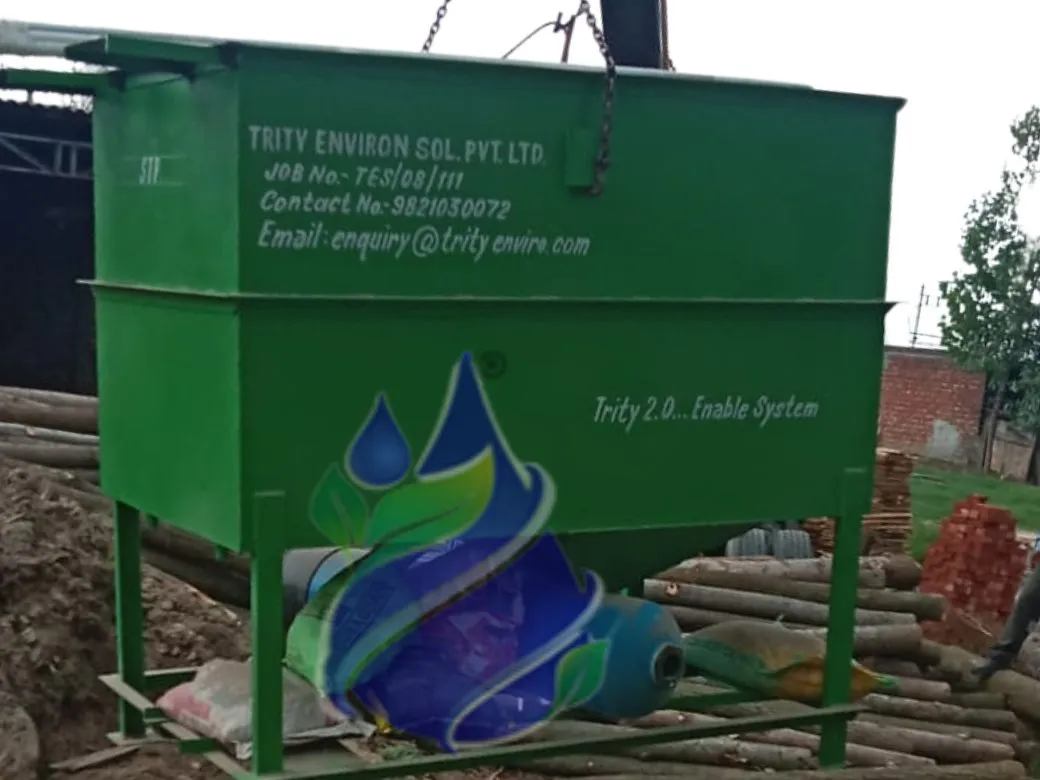
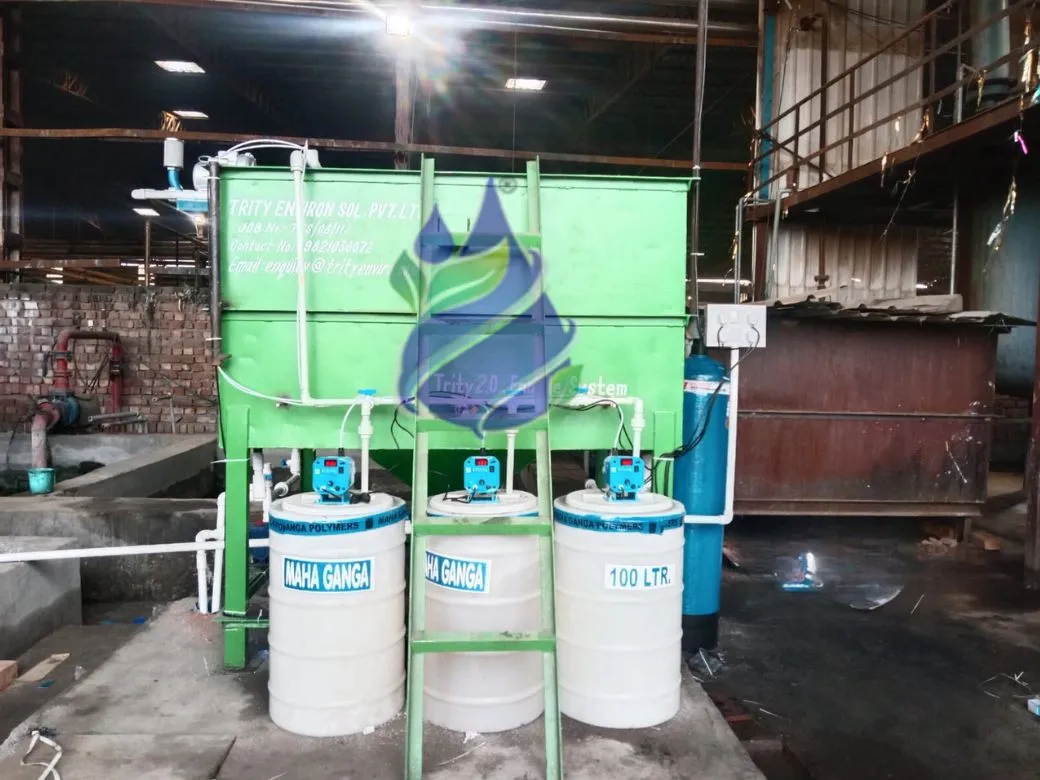
If your facility works with water that requires pre-treatment before use in food production, beverage manufacturing, or industrial processes, getting the treatment stage right is the most important decision you will make. Speak with our team at Trity Environ Solutions to discuss what a reliable water treatment system for your specific application would look like.
Rice is one of the most water-intensive crops India grows. Explore how water is used across cultivation and milling, and how reuse and treatment are reshaping the industry.
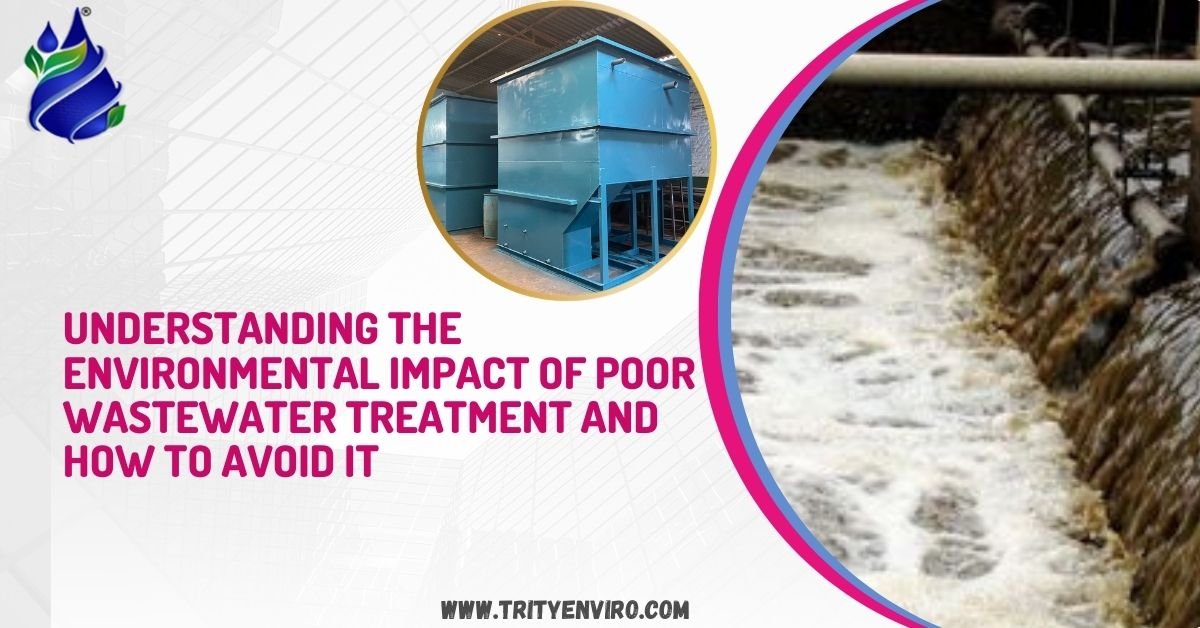
Explore how poor wastewater treatment affects ecosystems, health, and economies. Learn about solutions and the role of advanced technologies and community awareness.

Real data on how ETPs and STPs prevent waterborne disease in India, including a study linking sewage treatment to lower infant mortality.




Discuss your requirements with our engineering team and get practical guidance for your project.