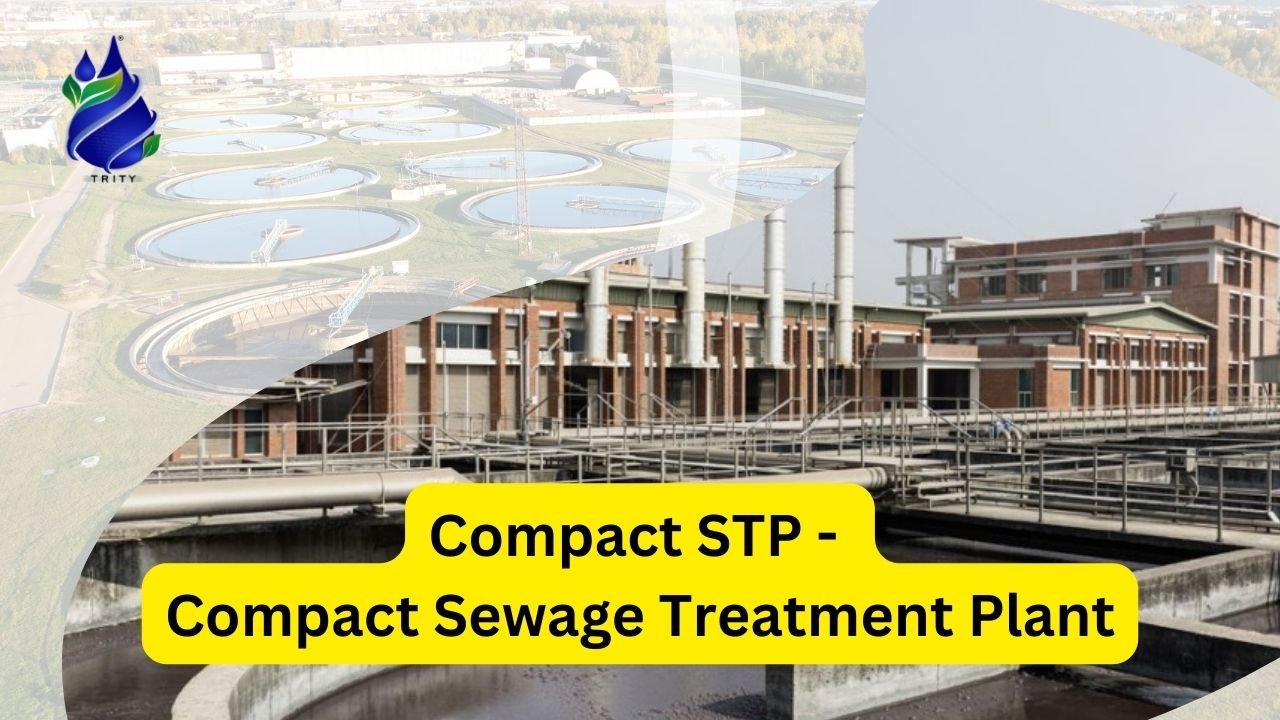
Compact STP - Compact Sewage Treatment Plant
Compact STP – Compact Sewage Treatment Plant for efficient wastewater treatment in residential, commercial and industrial applications. Space-saving, cost-effective and easy to install solutions.

 ISO 9001:2015 & QCI Approved
Automation does not make an RO plant smarter by itself. It makes the plant consistent, by measuring the same things every second and reacting the same way every time, which is what protects membranes and cuts running cost.
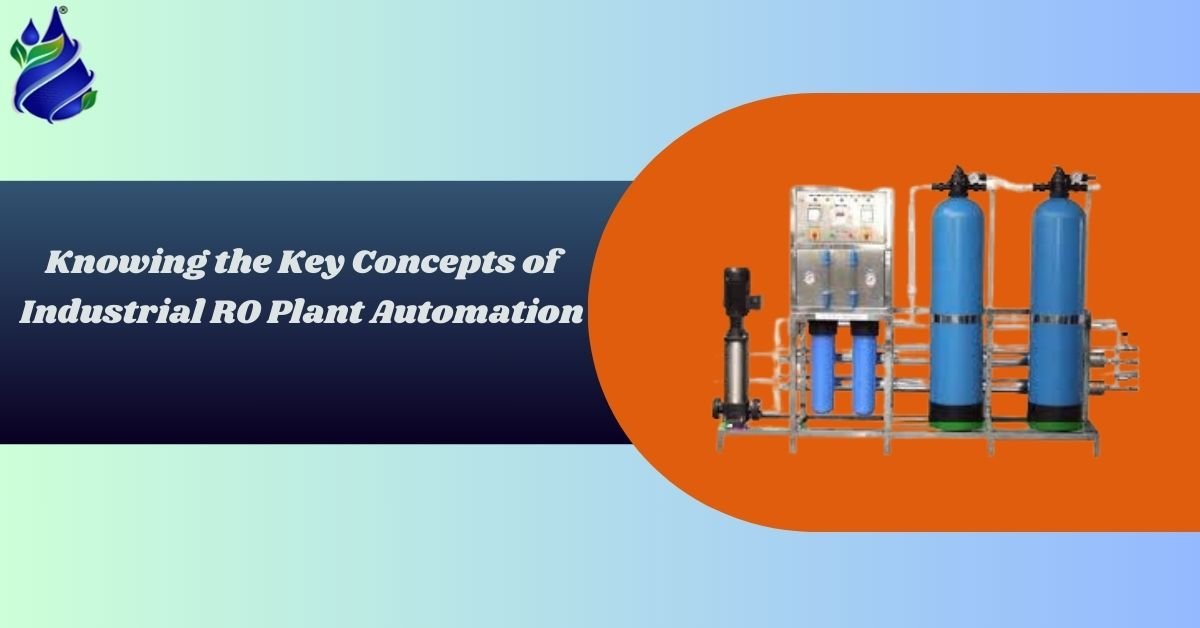
Automating an industrial RO plant means bringing monitoring and control of every critical process area into one coordinated system. Sensors measure, a controller decides, and pumps, valves and dosing units act, without waiting for an operator to notice a change.
The prime goals are practical: reliable membrane performance, controlled operating cost and consistent product quality. A manually run plant can reach those goals on a good day, but automation holds them on every day, including nights, weekends and shift changes.
Understanding the layers of an automated plant also makes it easier to judge a vendor's proposal, since "fully automatic" can mean very different things.
Instruments are the plant's senses. Without accurate measurements, no control logic can work properly:
Our guide on the role of advanced sensors in wastewater treatment explains how these sensing principles apply across treatment plants.
The programmable logic controller (PLC) is the brain of the plant:
The PLC makes decisions in milliseconds and applies them identically every time, which is exactly what manual operation cannot do.
These are the hands that carry out the PLC's decisions:
A VFD on the high-pressure pump is often the single most valuable control element, since pumping is the largest energy load in the plant.
The moments when a plant starts and stops are when membranes are most at risk:
Dosing is where automation saves both chemical and membrane life:
Good automation protects the plant when something goes wrong:
A supervisory control and data acquisition (SCADA) system sits above the PLC and brings the whole plant into one view:
More advanced plants add industrial IoT connectivity and even digital twins, which simulate plant conditions to test changes safely. Remote access needs proper cyber security, so access control should be part of the design, not an afterthought. Our guide on the importance of data in wastewater treatment systems explains how this data turns into better decisions.
More automation is not always better. The right level depends on plant size, duty and available operators.
One manufacturer's published tiering gives a useful reference for how automation typically scales with capacity:
| Plant Capacity (indicative) | Typical Automation Level |
|---|---|
| Around 10,000 GPD (about 38 KLD) | PLC with HMI |
| Around 30,000 GPD (about 113 KLD) | PLC, HMI and SCADA |
| Around 100,000 GPD (about 379 KLD) | Full SCADA |
| 200,000 GPD and above (about 757 KLD+) | Full SCADA with remote monitoring |
Treat these as indicative only. A smaller plant running critical process water may justify more automation than its size suggests, while a larger plant with an experienced operating team may need less.
| Plant Type | Automation Priority | Main Benefit |
|---|---|---|
| Hotel or hospital commercial RO | PLC with HMI, alarms | Reliable supply with minimal supervision |
| Manufacturing process water | PLC, SCADA, data logging | Consistent quality and traceable records |
| Multi-site operations | Remote monitoring | Central oversight of decentralised plants |
| Effluent recycling plants | Full control with predictive maintenance | Fouling control on variable feed |
Trity Environ Solutions is an experienced industrial RO plant manufacturer in India, and our engineering team specifies instrumentation, PLC and SCADA levels to match your plant's real duty, not a catalogue upgrade. As a trusted RO plant manufacturer and supplier, we integrate dosing control, VFD-driven pumping and alarm logic into the design from the start. For reuse projects, our RO water recycling plant and commercial RO plant ranges can be built with the same automation approach, and our demineralized water plants extend it to ultra-pure applications.
Calibration checks, software support and membrane care are covered under our Annual Maintenance Contract. We are ISO 9001:2015 certified, QCI approved, and deliver CPCB-compliant engineering nationwide.
Compact STP – Compact Sewage Treatment Plant for efficient wastewater treatment in residential, commercial and industrial applications. Space-saving, cost-effective and easy to install solutions.
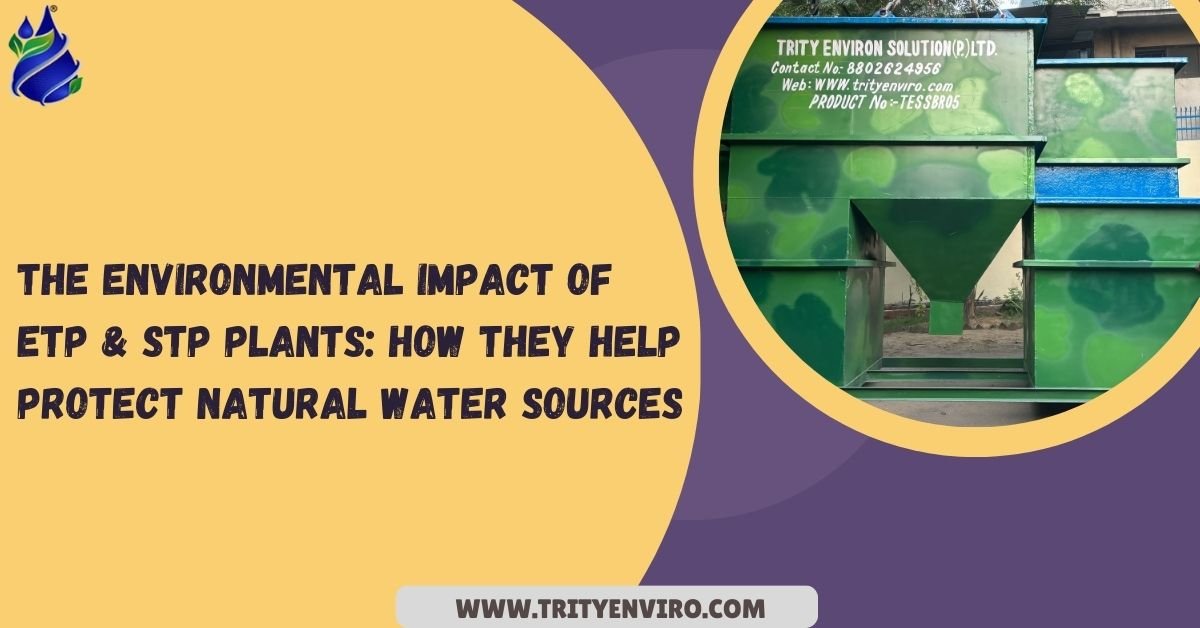
ETP & STP plants treat wastewater, preventing pollution and safeguarding water sources. Discover their vital role in environmental protection and sustainable water management.
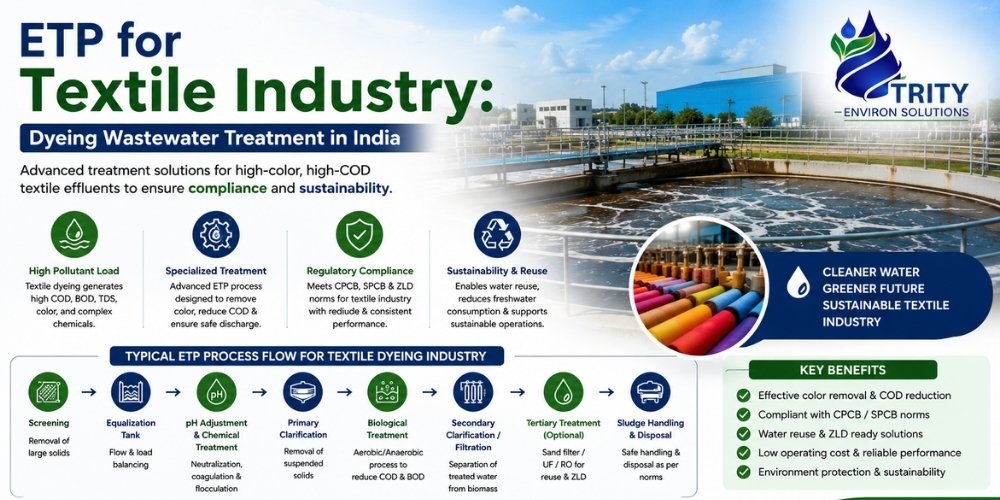
Textile effluent brings colour, high TDS, and variable pH that generic ETPs can't handle. See the treatment stages, technology choices, and compliance norms that actually work.











Discuss your requirements with our engineering team and get practical guidance for your project.

