8 Major Causes of Water Pollution: Understanding the Sources and Impacts in India
Discover 8 major causes of water pollution in India with CPCB data, river impacts & treatment solutions via ETP, STP & Zero Liquid Discharge systems.

 ISO 9001:2015 & QCI Approved
Learn the complete step-by-step process of a water treatment plant, including screening, coagulation, sedimentation, filtration, disinfection, sludge handling, and compliance standards.
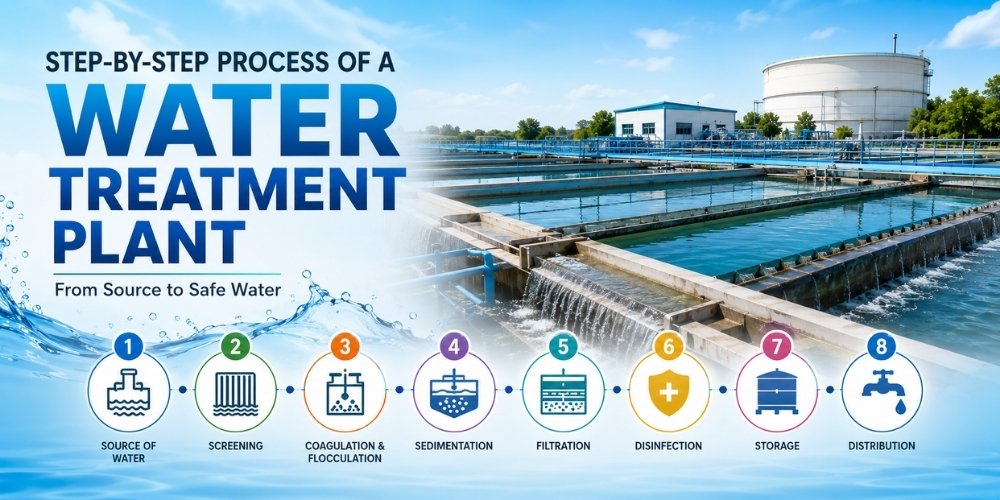
Water is the most fundamental requirement for human life, industrial production, and environmental balance. Yet the water drawn from rivers, lakes, boreholes, or underground aquifers is rarely fit for direct use. It carries suspended solids, dissolved minerals, biological contaminants, and chemical impurities that make it unsafe and operationally problematic.
A water treatment plant (WTP) exists to solve exactly this problem. It takes raw, untreated water from a source and transforms it into water that meets defined quality standards — whether for drinking, industrial processing, cooling, or discharge.
For industries, the stakes go beyond public health. Untreated or poorly treated water damages equipment, disrupts production, breaches environmental compliance, and adds unnecessary operational costs. Municipalities face a different but equally serious challenge: supplying clean, reliable drinking water to growing urban populations from increasingly stressed water sources.
Understanding the complete water treatment plant process — stage by stage — is essential for anyone involved in designing, operating, or procuring treatment systems. This guide covers every step in detail: what happens, why it happens, what equipment is used, and what the output of each stage looks like.
A water treatment plant is a facility that processes raw water through a series of physical, chemical, and biological treatment stages to produce water that meets a specific quality standard. The output depends entirely on the intended end use.
Drinking water treatment plants produce water compliant with Bureau of Indian Standards (BIS) IS 10500 or WHO drinking water guidelines. Industrial water treatment plants produce water matched to process requirements — which vary enormously between a pharmaceutical manufacturing unit, a food processing facility, a textile dyeing unit, and a thermal power plant.
Water sources treated in WTPs include:
The treatment required depends on the source quality. Surface water typically carries high turbidity, organic matter, and biological contamination. Groundwater often has high dissolved minerals, hardness, and in some regions, heavy metals like arsenic or fluoride.
Raw water from any natural source contains a mix of contaminants. Left untreated, these create serious consequences: disease outbreaks in communities, equipment failure in factories, regulatory penalties for industries, and long-term environmental damage from improper discharge.
Water treatment removes these contaminants systematically before the water reaches its point of use. The three broad contaminant categories driving treatment design are:
Physical contaminants include suspended particles, turbidity, sediment, floating debris, and colour. They are visible or detectable without chemical analysis. Leaves, silt, sand, algae, and organic matter all fall here. Physical treatment stages — screening, sedimentation, and filtration — target these directly.
High turbidity in raw water is one of the most common challenges for WTPs drawing from rivers, particularly during and after monsoon season when runoff carries heavy sediment loads.
Chemical contaminants include dissolved minerals, heavy metals, nitrates, phosphates, pesticides, industrial effluents, and naturally occurring compounds like iron, manganese, fluoride, and arsenic. These are not visible and require chemical treatment, advanced filtration, or membrane-based processes for removal.
Hard water — high in calcium and magnesium — is a widespread problem across North and Central India. It scales up pipelines, damages boilers, disrupts industrial processes, and shortens equipment life significantly.
Biological contaminants include bacteria, viruses, protozoa, and other pathogens. These pose the most immediate public health risk. E. coli, coliform bacteria, Cryptosporidium, and Giardia are among the most commonly tested biological contaminants in water supplies.
Disinfection is the treatment stage designed specifically to eliminate biological contamination, and it is non-negotiable in any system supplying water for human contact or consumption.
The standard water treatment plant process follows a logical sequence, with each stage building on the previous one. Skipping or compromising any stage affects the quality of the final output and the efficiency of all downstream equipment.
Here is the complete WTP process flow, explained stage by stage.
The treatment process begins at the source. Raw water intake structures are designed to draw water from a river, reservoir, lake, or borewell into the treatment facility.
Key design considerations at this stage:
In industrial settings, raw water may arrive directly from a municipal supply line, a private borewell, or a surface water source depending on the plant's location. The intake pumping system is sized to meet peak demand while maintaining adequate pressure throughout the treatment train.
Once raw water enters the plant, the first physical barrier it encounters is the screening system. Screens remove coarse debris — leaves, twigs, plastic waste, large sediment particles, fish, and other solids that could clog or damage downstream equipment.
Two types of screens are used in sequence:
Screening protects pumps, valves, and pipes from mechanical damage and reduces the load on subsequent treatment stages. In high-debris environments — rivers near urban areas or post-monsoon flows — automated self-cleaning screens are standard.
Screened water enters the aeration stage, where it is exposed to air through cascades, spray nozzles, diffusers, or mechanical aerators. Aeration serves several important functions simultaneously.
What aeration achieves:
Aeration is particularly important for groundwater sources in India, where high dissolved iron and manganese are widespread problems — especially across Uttar Pradesh, Bihar, West Bengal, and parts of Rajasthan.
After aeration, the water still carries fine suspended particles — clay, organic colloids, bacteria, and other microscopic matter — that are too small to settle on their own. Their surface charges repel each other, keeping them suspended indefinitely.
Coagulation breaks this stability. Coagulant chemicals are dosed into the water and mixed rapidly using flash mixers. The coagulant neutralises the surface charges on the suspended particles, allowing them to come together.
Common coagulants used in WTPs:
Dosing rates depend on the raw water quality. Jar tests are performed regularly to determine the optimal coagulant dose for current water conditions — because raw water quality changes with seasons, rainfall, and source variability.
Coagulation destabilises the particles. Flocculation brings them together. After rapid mixing in the coagulation stage, the water moves into a flocculation tank where it is slowly agitated using paddle mixers or baffled channels.
The slow, gentle mixing encourages the destabilised particles to collide and stick together, forming progressively larger aggregates called floc. A well-formed floc looks like soft, fluffy clumps visible to the naked eye — pale and slightly cloudy in appearance.
The key variables in flocculation are:
When floc formation is good, the water entering the next stage has particles large enough to settle rapidly under gravity, making sedimentation highly efficient.
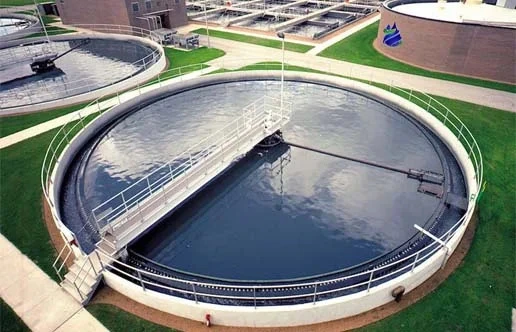
Flocculated water moves into sedimentation tanks — also called clarifiers or settling tanks — where gravity does the work. The large floc particles are significantly denser than water and settle to the bottom of the tank as sludge, leaving clarified water above.
Sedimentation design parameters:
Tube settlers are widely used in modern and upgraded WTPs because they improve sedimentation efficiency significantly without requiring larger tanks. Settled sludge is collected at the bottom and removed periodically using sludge scrapers or suction systems for treatment and disposal.
Typical retention time in sedimentation: 2 to 4 hours. Residual turbidity leaving a well-designed clarifier should be below 10 NTU before entering filtration.
Clarified water leaving the sedimentation stage still contains fine particles, residual floc, and some colloidal matter that sedimentation could not remove. Filtration is where these are physically captured.
Filter media types and their roles:
| Filter Type | Purpose | Key Advantage | Common Application |
|---|---|---|---|
| Sand Filter (Rapid Gravity) | Removes fine suspended solids and residual turbidity | High flow rate, low cost | Municipal WTPs, industrial pre-treatment |
| Multi-Grade Filter | Layered filtration using sand, gravel, and anthracite | Better particle capture across size range | Industrial water treatment |
| Activated Carbon Filter | Removes chlorine, organic compounds, taste, and odour | Broad spectrum adsorption | Post-chlorination polishing, drinking water |
| Pressure Sand Filter | High-pressure filtration for industrial systems | Compact footprint, consistent output | Industries with space constraints |
| Dual Media Filter | Sand and anthracite in combination | Higher dirt-holding capacity than single media | High-turbidity applications |
| Ultra Filtration (UF) Membrane | Removes bacteria, viruses, colloids at 0.01–0.1 micron | Superior biological barrier | Pre-RO treatment, potable water systems |
Activated carbon filters are particularly important when the treated water needs to be free of chlorine taste and odour, organic micropollutants, or colour — which is a requirement in food processing, beverages, pharmaceuticals, and any post-chlorination polishing application.
Multi-grade filtration is the preferred choice in industrial pre-treatment systems where raw water carries variable turbidity, as the layered media captures particles of different sizes progressively from top to bottom.
For applications requiring the highest level of particle and pathogen removal before membrane systems, ultra filtration systems provide a reliable barrier at the 0.01–0.1 micron level — removing bacteria and most viruses without chemical dosing.
Filtration removes particles but does not reliably destroy pathogens. Disinfection is the stage that specifically eliminates biological contamination — bacteria, viruses, and protozoa — to make the water safe for its intended use.
Primary disinfection methods:
Chlorination: The most widely used disinfection method globally. Chlorine gas, sodium hypochlorite (liquid bleach), or calcium hypochlorite tablets are dosed into the filtered water. Chlorine is effective, residual-forming (maintains protection through distribution pipelines), and low cost. The target free residual chlorine for drinking water in India is 0.2–0.5 mg/L at the consumer point.
UV Disinfection: Ultraviolet light at 254 nm wavelength disrupts the DNA of bacteria and viruses, preventing reproduction. UV is chemical-free, produces no disinfection by-products, and is increasingly preferred in food and beverage, pharmaceutical, and bottled water applications. It does not leave a residual.
Ozonation: Ozone (O3) is a powerful oxidant that destroys pathogens and degrades organic micropollutants. Used in advanced WTPs and in applications requiring very high water quality. Ozone leaves no chemical residual and dissipates rapidly.
Chloramination: Chlorine combined with ammonia forms chloramines, which provide a more stable residual than free chlorine and produce fewer disinfection by-products — used in larger municipal distribution systems.
The selection of disinfection method depends on the end use, regulatory requirements, and whether chemical residuals are acceptable or problematic for downstream processes.
Water leaving disinfection may require final adjustment before storage or distribution. pH correction is one of the most important and often overlooked steps in the treatment process.
Why pH adjustment matters:
Water with low pH (acidic) is corrosive to pipelines, storage tanks, and downstream equipment. Water with high pH (alkaline) can cause scaling, reduce disinfection efficiency, and interfere with industrial processes that require neutral or slightly acidic feedwater.
The target pH for drinking water is 6.5–8.5 (BIS IS 10500). Industrial process water requirements vary by application.
Chemical dosing at this stage may include:
Automated chemical dosing systems with inline pH sensors allow real-time monitoring and correction, reducing chemical consumption and preventing overdosing.
Fully treated water is pumped into storage reservoirs or overhead tanks before distribution. Storage provides a buffer against demand fluctuations and protects supply continuity during plant maintenance or equipment downtime.
Storage and distribution considerations:
For industrial applications, storage capacity is typically designed to provide 12 to 24 hours of operational buffer, allowing the plant to continue production during treatment system maintenance windows.
Every stage of the WTP process generates residuals. Sedimentation produces settled sludge. Filter backwash produces washwater carrying captured solids. Chemical dosing produces chemical sludge.
Sludge management is a critical part of operating any WTP responsibly and in compliance with CPCB and SPCB norms.
The sludge management process:
Sludge dewatering filter press systems are the most widely used mechanical dewatering equipment in both WTPs and wastewater treatment facilities. They significantly reduce disposal volumes and the associated transport and landfill costs.
Dewatered sludge from WTPs treating freshwater is often suitable for use as a soil conditioner in non-food agriculture, subject to composition testing. If it contains heavy metals or chemical residuals, disposal must follow applicable waste management regulations.
Water treatment technology has advanced significantly over the past decade. Modern WTPs increasingly incorporate:
Membrane-based systems: Microfiltration (MF), ultrafiltration (UF), nanofiltration (NF), and reverse osmosis (RO) are now central to many industrial and high-quality drinking water systems. RO in particular removes dissolved salts, heavy metals, and virtually all chemical and biological contaminants, producing high-purity water for pharmaceutical, electronics, and power generation applications.
SCADA and automation: Supervisory Control and Data Acquisition systems allow centralized monitoring and control of all treatment stages. Automated chemical dosing, alarm management, and remote monitoring reduce labour requirements and improve consistency.
IoT sensors and real-time monitoring: Turbidity sensors, pH probes, conductivity meters, and flow meters feeding into cloud-based dashboards allow operators and managers to track plant performance from anywhere. Real-time alerts flag deviations before they become compliance problems.
UV-LED disinfection: Newer UV systems using LED technology offer longer lamp life, lower energy consumption, and more precise dose delivery compared to conventional mercury UV lamps.
For industries that require ultrapure water free of dissolved minerals, demineralized water plants using ion exchange resins or electrodeionization (EDI) are the standard solution. DM plants are essential in pharma, power generation, textiles, and electronics manufacturing.
Our dedicated article on top wastewater treatment technologies in 2026 covers the latest innovations across both water and wastewater treatment systems in detail.
Different industries have very different water treatment requirements. The same river water may be acceptable as cooling tower make-up water in one plant but require multi-stage filtration, demineralization, and polishing before it can be used in a pharmaceutical production line.
Pharmaceutical industry: Requires Water for Injection (WFI) or purified water meeting pharmacopoeial standards. Treatment typically includes multi-stage filtration, RO, UV, and electrodeionization. Zero microbial contamination tolerance.
Food and beverage industry: Process water must meet drinking water standards as a minimum. Specific requirements for iron, manganese, chlorine, and total dissolved solids (TDS) depend on the product being manufactured.
Textile industry: High-volume water user. Requires soft, low-TDS water for dyeing processes. Hard water causes uneven dye uptake and increased chemical consumption. Softeners and RO systems are standard.
Chemical plants: Process water quality requirements vary widely. Some processes require DM water; others need only basic filtration and pH adjustment.
Power plants: Boiler feedwater in thermal power plants must be ultrapure — any dissolved solids cause scaling and corrosion in high-pressure boilers that can lead to catastrophic failures. DM plants and condensate polishing systems are mandatory.
Manufacturing units: CNC machines, metal processing, and surface treatment operations require water free of suspended solids, hardness, and specific ionic contaminants.
Industries generating process effluent alongside water treatment needs should also evaluate integrated effluent treatment plants (ETP) and sewage treatment plants (STP) as part of a complete water management system. Treating inlet water and managing effluent discharge under a single compliance framework is operationally more efficient and cost-effective. Our detailed guide on the 5 key benefits of an effluent treatment plant covers why industries are now treating ETP as a strategic investment rather than a compliance cost.
Even well-designed WTPs face operational challenges. Understanding these ahead of time — and having solutions in place — makes the difference between consistent performance and recurring disruptions.
Scaling and mineral deposits: Hard water leaves calcium and magnesium deposits on membranes, heat exchangers, and pipelines. Antiscalant dosing, periodic acid cleaning, and appropriate pre-treatment before RO membranes are the standard mitigation approaches.
Membrane fouling: RO and UF membranes become fouled by biological growth, colloidal matter, and scale over time. Adequate pre-treatment (coagulation, filtration), regular CIP (clean-in-place) protocols, and operating within design flux limits extend membrane life significantly.
High TDS in source water: Deep borewell water in many parts of India carries TDS above 1000 mg/L. High TDS affects industrial processes, increases RO rejection rates, and raises operating costs. System design must account for the specific ionic composition, not just total TDS.
Coagulant dose variability: Raw water quality fluctuates with seasons. A dose optimised for summer conditions may be completely wrong during monsoon runoff. Regular jar testing and automated turbidity-based dosing controls address this.
Chemical imbalance: Incorrect pH or disinfectant levels produce water that either corrodes infrastructure or fails disinfection requirements. Automated inline monitoring and failsafe dosing systems prevent this.
Maintenance gaps: Many WTP failures in industrial settings trace back to deferred maintenance — filter media not replaced on schedule, chemical systems not calibrated, UV lamps not changed within their rated life. Structured operation and maintenance programmes with defined service intervals prevent these issues before they become compliance or production problems.
A well-operated water treatment plant does more than supply clean water. It plays an active role in protecting the environment.
Water conservation: Treated water can be reused for irrigation, cooling, or industrial processes — reducing demand on fresh water sources. In water-scarce regions of India, treated water reuse is fast becoming a regulatory expectation, not just an environmental choice.
Pollution reduction: Properly treated water that is discharged (in the case of wastewater treatment) or returned to the environment causes far less ecological damage than untreated releases.
Sustainable operations: Reducing chemical overdosing, managing energy use in pumping systems, and minimising sludge volumes all reduce the environmental footprint of plant operation.
Compliance with conservation goals: The National Water Mission under the National Action Plan on Climate Change specifically targets water use efficiency and conservation. WTPs that incorporate water reuse and efficient treatment processes align with these broader national objectives.
Water treatment in India is governed by a network of regulations and standards that apply differently depending on the source, treatment purpose, and end use.
Key regulatory frameworks:
Industries are required to submit periodic environmental compliance reports, maintain logbooks of chemical usage and treatment parameters, and make records available for inspection. Routine sampling by approved laboratories and online continuous monitoring for large industries are increasingly mandated.
Non-compliance carries financial penalties, operational shutdowns, and in serious cases, criminal liability for responsible persons.
A properly designed and maintained WTP delivers measurable operational and financial benefits:
The step-by-step process of a water treatment plant is not simply a sequence of tanks and pipes. Each stage performs a specific and necessary function. Screening protects equipment. Aeration removes dissolved gases and oxidises iron. Coagulation and flocculation aggregate fine particles. Sedimentation removes them. Filtration captures what remains. Disinfection eliminates pathogens. pH adjustment protects the distribution system. And sludge management ensures the process generates no secondary environmental problems.
Compromising any stage affects the entire chain. Undertreated water entering an RO system causes rapid membrane fouling. Under-disinfected water entering a food production line creates contamination risk. Unsettled sludge bypassing the dewatering stage generates disposal problems and compliance exposure.
Getting the design right from the start — matching treatment technology to source water quality and end-use requirements — is where the expertise of an experienced water treatment partner makes a real difference.
Whether you need a water treatment plant for a factory, housing society, hospital, commercial building, or municipal supply, Trity Enviro Solutions has the engineering expertise and manufacturing capability to design and deliver the right system.
Our water and wastewater treatment capabilities include:
Every system we design is engineered for your specific source water quality, production requirements, and regulatory obligations. No off-the-shelf packages.
Contact Trity Enviro Solutions today to schedule a free technical consultation with our water treatment engineering team.
The complete water treatment plant process involves ten core stages: raw water intake, screening, aeration, coagulation, flocculation, sedimentation, filtration, disinfection, pH adjustment, and storage with distribution. Each stage removes a specific category of contaminant, and the sequence is designed so that each stage prepares the water for the next. Sludge management runs alongside the main treatment train to handle residuals generated at each stage.
The primary stages are: intake and screening (removal of debris), coagulation and flocculation (destabilisation and aggregation of fine particles), sedimentation (gravity separation of floc), filtration (physical removal of remaining solids), and disinfection (elimination of pathogens). pH adjustment and chemical treatment complete the process before the water goes into storage and distribution.
Coagulation is important because fine suspended particles and colloidal matter in water carry surface electrical charges that keep them dispersed. These particles are too small to settle under gravity on their own. Coagulant chemicals neutralise these charges, allowing particles to come together in the flocculation stage. Without effective coagulation, sedimentation and filtration become far less efficient, and final water quality suffers regardless of what happens downstream.
Sedimentation is the gravity separation stage where flocculated water is held in large clarifier tanks long enough for floc particles to settle to the bottom. The settled material is collected as sludge and removed for treatment and disposal, while clarified water overflows to the filtration stage. Well-designed sedimentation typically reduces turbidity to below 10 NTU before filtration, making the filters more effective and longer-lasting.
The most commonly used chemicals include: alum or PAC (polyaluminium chloride) for coagulation; polymer flocculant aids; chlorine compounds (sodium hypochlorite, chlorine gas, or calcium hypochlorite) for disinfection; lime and carbon dioxide for pH adjustment; antiscalants and corrosion inhibitors for membrane and distribution system protection; and sodium bisulphite for dechlorination before RO membranes. The specific chemicals and dosing rates depend on raw water quality and treatment objectives.
Filtration physically removes fine suspended particles, residual floc, turbidity, and in the case of activated carbon filtration, dissolved organic compounds, chlorine, taste, and odour. Different filter types target different contaminants — sand and multi-grade filters handle suspended solids, activated carbon handles organics and taste compounds, and membrane filters like UF handle bacteria and viruses. The choice of filter combination depends on source water quality and the required output water specification.
Chlorination works by dosing chlorine into filtered water at a controlled rate. Chlorine reacts with water to form hypochlorous acid (HOCl) and hypochlorite ion (OCl-), both of which are powerful disinfectants. They penetrate the cell walls of bacteria and viruses, disrupting their metabolism and rendering them inactive. The key parameter is contact time — the water must remain in contact with the chlorine for a sufficient duration (typically 20–30 minutes) to achieve the required level of pathogen kill. A measurable residual is left in the water to maintain disinfection through the distribution system.
Sludge management covers the collection, thickening, conditioning, dewatering, and disposal of solids generated throughout the treatment process. Sedimentation produces clarifier sludge; filtration produces backwash water carrying captured solids; and chemical dosing generates chemical sludge. These are typically consolidated in a sludge sump, thickened to reduce volume, conditioned with polymer, and then mechanically dewatered using a filter press or belt press to produce a sludge cake that can be transported and disposed of economically. Proper sludge management is a CPCB/SPCB compliance requirement for industrial treatment facilities.
Virtually every industry that uses water in its process requires some form of water treatment. The most water-intensive industries include pharmaceuticals (requiring purified or WFI-grade water), food and beverage (drinking water standard minimum), textiles (soft, low-TDS water for dyeing), power generation (ultrapure boiler feedwater), chemical manufacturing (process-specific quality requirements), hospitals (sterile water for medical applications), electronics manufacturing (ultrapure water), and hotels and commercial complexes (drinking water and utility water). The treatment system design is always matched to the specific quality requirements of the industry and the source water characteristics.
Treated water delivers measurable benefits across multiple operational dimensions: it protects equipment from scaling, corrosion, and fouling, extending asset life; it improves product quality in manufacturing and food processes; it reduces chemical consumption in downstream processes; it ensures regulatory compliance with CPCB, SPCB, and BIS standards; it reduces unscheduled maintenance and production downtime; and it enables sustainable water reuse, reducing fresh water withdrawal costs and environmental impact. In industries where water quality directly affects product quality — pharma, food, textiles — a reliable WTP is a core production asset, not a peripheral utility.
Discover 8 major causes of water pollution in India with CPCB data, river impacts & treatment solutions via ETP, STP & Zero Liquid Discharge systems.
A step-by-step guide to choosing an air pollution control system for your factory: pollutants, gas data, technology options, cost drivers and supplier checks.
Telangana is building a treated wastewater reuse network. See how STP owners and industries can meet quality needs, supply reuse water and plan upgrades.

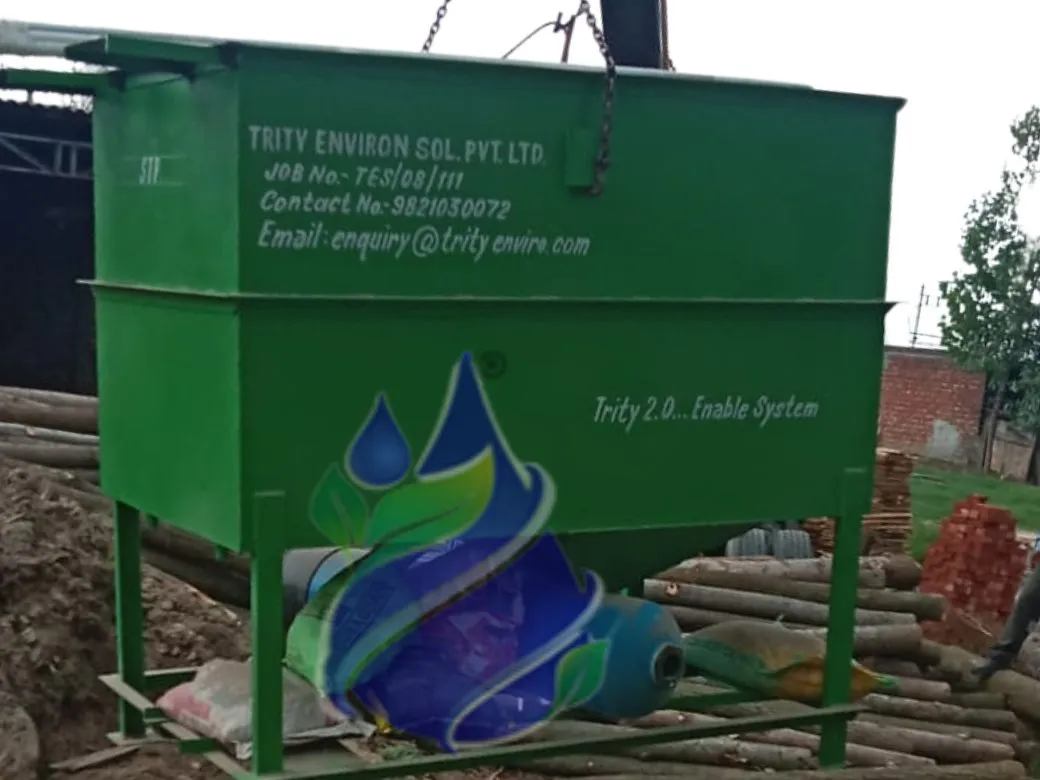



Discuss your requirements with our engineering team and get practical guidance for your project.