
 ISO 9001:2015 & QCI Approved
Activated Carbon Filter (ACF) Manufacturer in India
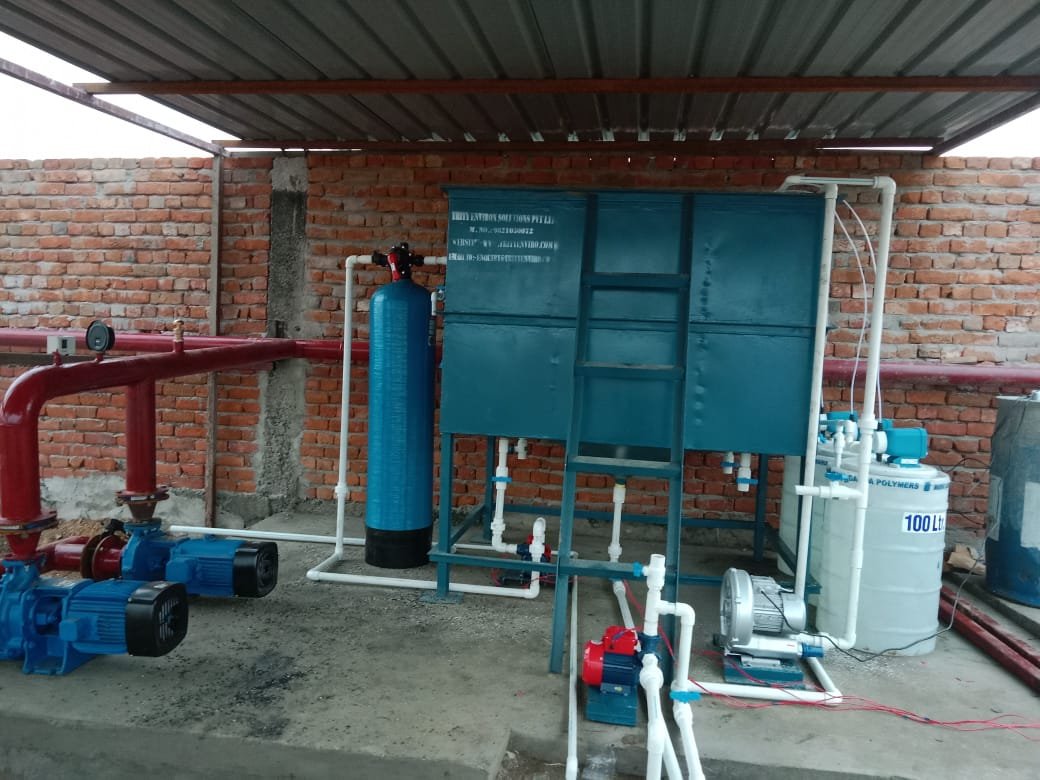
Trity Environ Solutions is a trusted activated carbon filter manufacturer in India, engineering systems that remove chlorine, chloramines, colour, and odour through molecular adsorption rather than physical filtration. Our ACF systems protect RO membranes and downstream equipment from oxidative damage, with pan India installation support.
SPCB / CPCB Norm Compliant
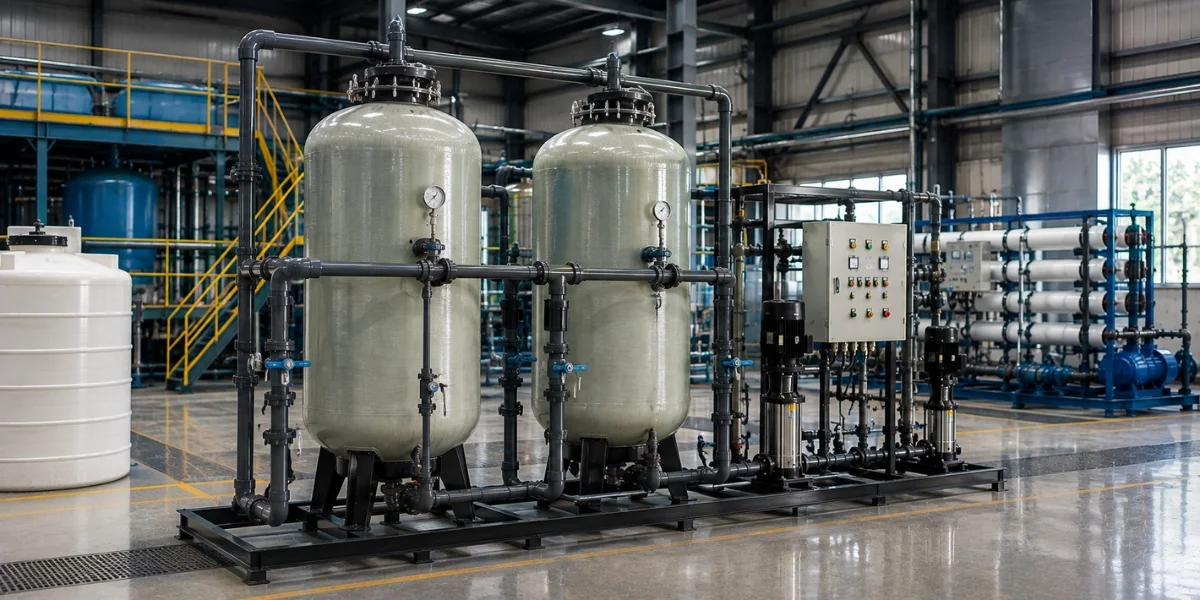
Heavy Fabrication
The Dissolved Contaminants Your Filters Can't Physically Trap
Chlorine, chloramines, and dissolved organic compounds don't behave like suspended solids, they pass straight through physical filtration and go on to cause irreversible oxidative damage to RO membranes. An activated carbon filter (ACF) solves this differently, using a carbon bed with 500 to 1,500 square meters of surface area per gram to chemically adsorb these dissolved contaminants at the molecular level. This is why ACF typically sits just ahead of an industrial reverse osmosis unit or commercial RO plant, and why our Multi Grade Filter is almost always specified upstream of the ACF to protect carbon media from premature particulate loading.
Dealing with chlorine damage to RO membranes or product water taste issues? Request a free technical assessment and our engineering team will size the right ACF for your feed water.
WHY THIS SYSTEM?
Key Benefits of Activated Carbon Filter (ACF) Manufacturer in India
Engineered for reliable chlorine and colour removal, high adsorption capacity, and low operating cost.
Greater Than 99% Chlorine Removal
Achieves greater than 99 percent chlorine removal and up to 90 percent colour reduction, protecting RO membranes from irreversible oxidative damage before it happens.
Massive Adsorption Surface Area
Provides massive adsorption surface area, since a single gram of activated carbon offers 500 to 1500 square meters, making it effective against dissolved organics at low operating cost.
No Chemical Regeneration Needed
No chemical regeneration required, since simple water backwash restores flow capacity, keeping operating costs low between scheduled media replacements every 2 to 4 years.
Removes Taste, Odour, and VOCs
Removes taste, odour, chloramines, and VOCs that standard filtration cannot touch, protecting product quality in food, beverage, and pharmaceutical applications.
Reduces Downstream Chemical Costs
Reduces downstream chemical dosing requirements, since normalizing chlorine residual before ion exchange or RO systems lowers antiscalant and reducing chemical consumption.
Contact Time, Not Just Media Volume, Determines Whether Your ACF Works
Two ACF vessels holding identical carbon volume can perform very differently based on Empty Bed Contact Time, since chlorine removal needs a minimum 5 minutes of contact while colour and organic removal typically needs 10 to 15 minutes. Trity Environ Solutions sizes the vessel around your actual removal targets, not just a generic flow rate, so the system delivers the contact time your specific contaminants actually require.
Backwash Restores Flow, Not Adsorption Capacity
A common misunderstanding is assuming backwash regenerates the carbon's ability to adsorb contaminants, when it only removes accumulated particulate matter and restores flow capacity. Once outlet chlorine, colour, or organics start rising despite proper backwash, the media has reached end of life and needs replacement. Trity Environ Solutions supplies carbon media replacement services across India under our Annual Maintenance Contract programme. Talk to our team about AMC coverage for your system.
ACF Is Rarely a Standalone Requirement
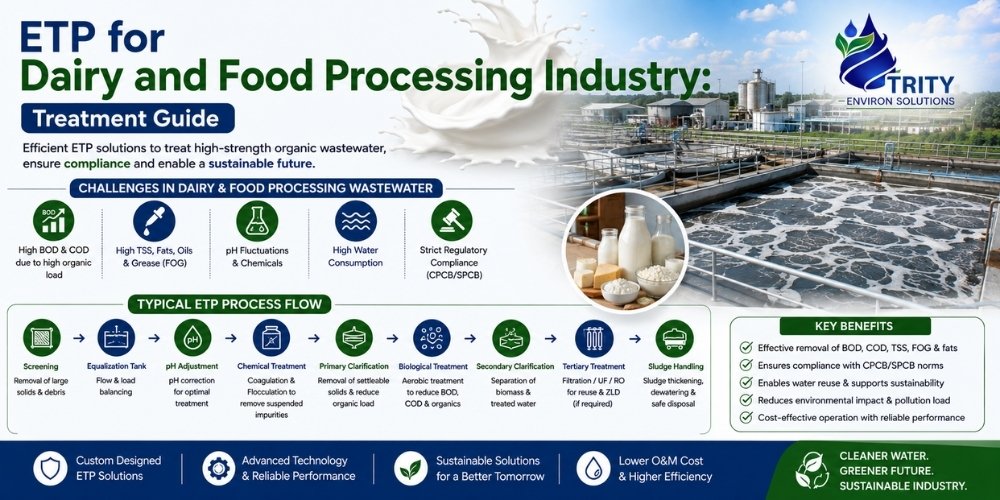
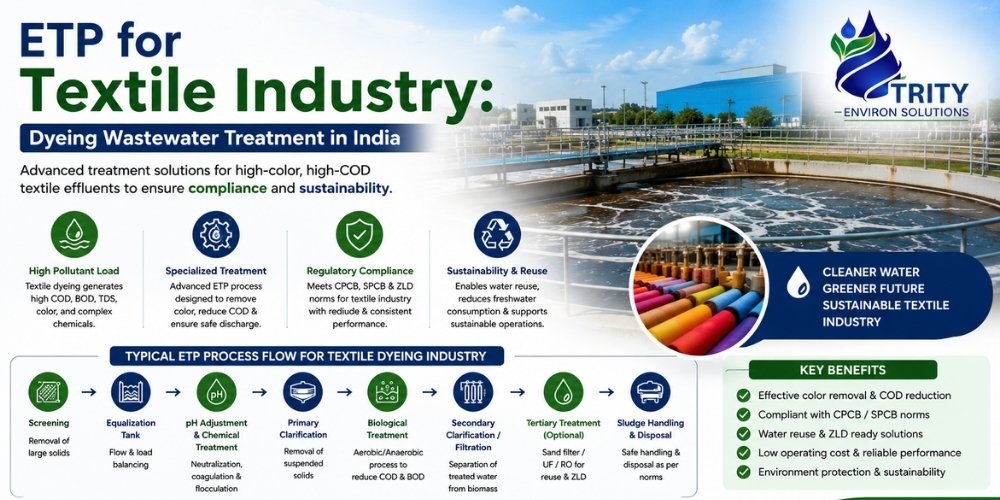
Carbon filtration works best as part of a sequenced treatment train rather than in isolation. High suspended solids load the carbon bed prematurely, which is why Trity Environ Solutions specifies a Multi Grade Filter upstream whenever feed turbidity exceeds 5 NTU. Downstream, ACF frequently integrates as the tertiary polishing stage in municipal STP systems and as the final colour and COD polishing step in effluent treatment plants before CPCB discharge.
SYSTEM CONFIGURATIONS
Types of Activated Carbon Filter (ACF) Manufacturer in India Configurations
Configurations selected to match your contaminant profile, hygiene requirements, and operating pressure.
FRP Activated Carbon Filter
FRP vessel construction rated up to 4.5 kg per square centimeter, the standard choice for municipal feed water treatment, RO pretreatment, and standard industrial process water.
MS Rubber-Lined Activated Carbon Filter
MS vessels with internal rubber lining for higher pressure applications and large capacity plants above 50 cubic meters per hour where FRP becomes impractical.
Stainless Steel Activated Carbon Filter
SS 304 or SS 316 vessel construction mandatory for pharmaceutical manufacturing and food processing where product-contact water requires material certification.
Media Selection by Contaminant Profile
Coconut shell, coal-based, or wood-based carbon media specified based on your specific contaminant profile, since each grade adsorbs different compounds most effectively.
STEP-BY-STEP WORKFLOW
How the Activated Carbon Filter (ACF) Manufacturer in India Process Works
A molecular adsorption process engineered for consistent chlorine, colour, and odour removal.
01
Inlet Distribution
Feed water enters the vessel and distributes evenly across the carbon media bed through a top distributor system.
02
Adsorption
As water travels downward through the bed, chlorine, chloramines, organics, colour, and odour molecules bond to the carbon surface.
03
Clarified Outlet
Treated water exits through the underdrain system at the bottom, meeting outlet targets for chlorine residual and colour.
04
Backwash Cycle
Periodic backwash removes accumulated particulate matter and restores flow capacity, while media replacement restores adsorption capacity when exhausted.
COMMON INQUIRIES
Frequently Asked Questions
Q1. What is the difference between a Multi Grade Filter and an Activated Carbon Filter?
A Multi Grade Filter removes suspended solids and turbidity through physical depth filtration, while an ACF removes dissolved chemical contaminants like chlorine and colour through adsorption, and the two are most effective used in sequence.
Q2. How long does activated carbon media last?
Under continuous industrial duty with proper backwashing and correct sizing, carbon media typically lasts 2 to 4 years, with breakthrough at the outlet being the primary indicator of exhaustion.
Q3. Can a single ACF handle chlorine removal and colour removal together?
Yes, provided the vessel is sized for adequate contact time for both targets, since chlorine removal needs a minimum 5 minutes while colour and organic removal typically needs 10 to 15 minutes.
Q4. Does an ACF remove bacteria, viruses, or TDS?
No, an ACF is a chemical adsorption system and does not remove bacteria, viruses, or dissolved salts, which require disinfection systems and RO or ion exchange systems respectively.
Q5. What vessel material is needed for pharmaceutical or food-grade applications?
SS 304 is standard for pharmaceutical and food-grade applications requiring material certification, while SS 316 is specified for chloride-bearing water or stricter corrosion resistance requirements.
Q6. Is a Multi Grade Filter required upstream of an ACF?
For feed water with turbidity above 5 NTU or suspended solids above 10 ppm, an upstream Multi Grade Filter is strongly recommended to protect carbon media from premature particulate loading.
CATALOGUE
Related Engineering Products
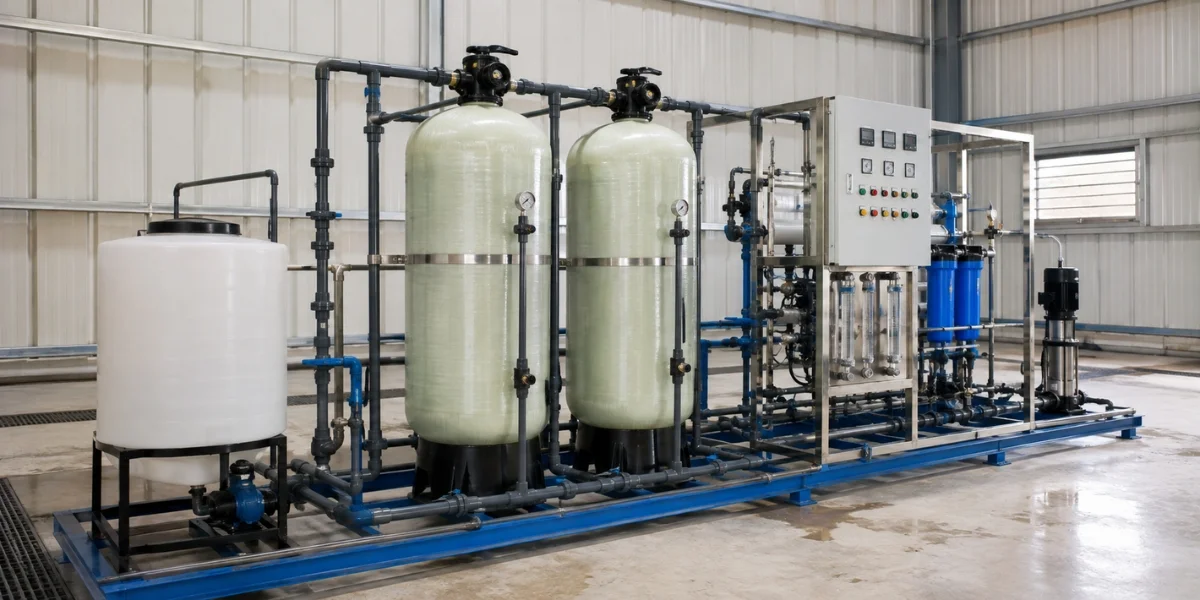
RO & Water Recycling Plant Manufacturer in India
Trity Environ Solutions manufactures RO and water recycling systems for industries and commercial facilities, engineered for reliable purity and reuse.
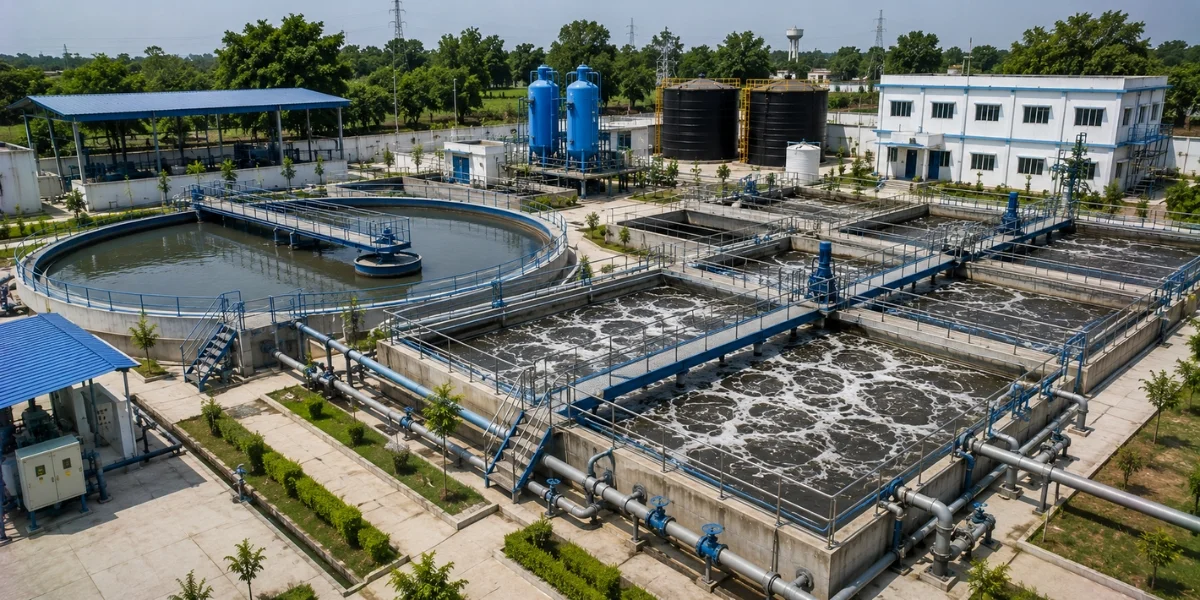
Tertiary Treatment Plant Manufacturer in India
Trity Environ Solutions manufactures tertiary treatment plants that polish treated water beyond secondary treatment, enabling genuine reuse and stricter discharge compliance.
Wastewater Recycling System Manufacturer in India
Trity Environ Solutions manufactures wastewater recycling systems using UF and RO technology, turning treated wastewater into reuse-grade water for cooling, flushing, and gardening.
PAN-INDIA CAPABILITIES
Regional Solutions & State Coverage
TECHNICAL KNOWLEDGE
Related Insights & Engineering Guides
PROVEN EXCELLENCE
Featured Turnkey Installations



Need a Custom Water or Wastewater Treatment Solution?
Our engineering team can help design the right system for your capacity, industry, and compliance requirements.