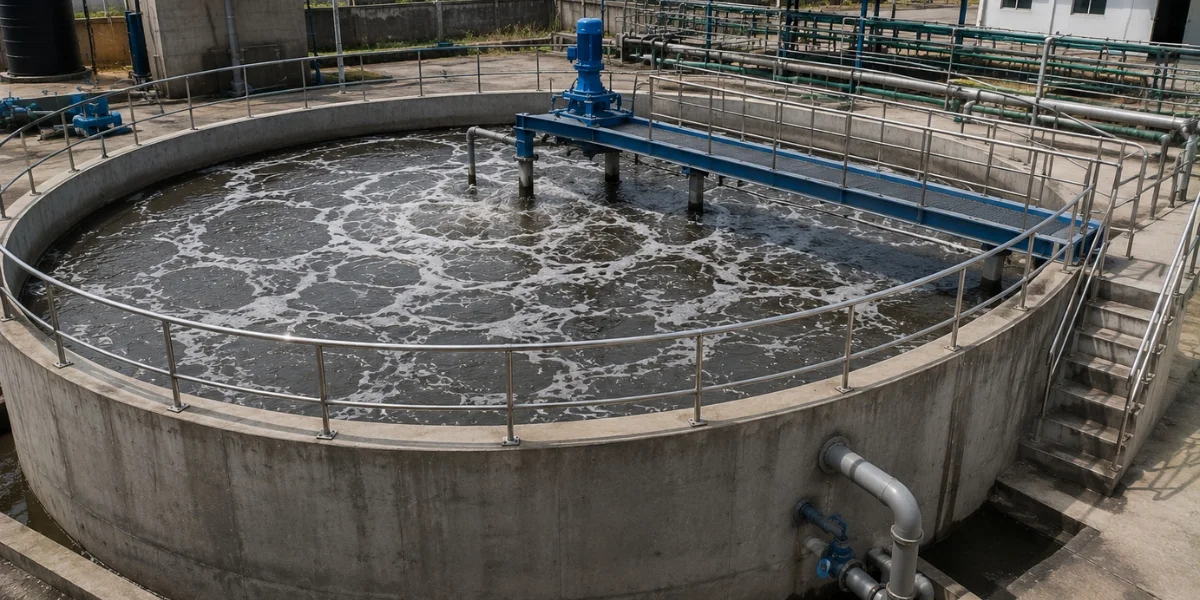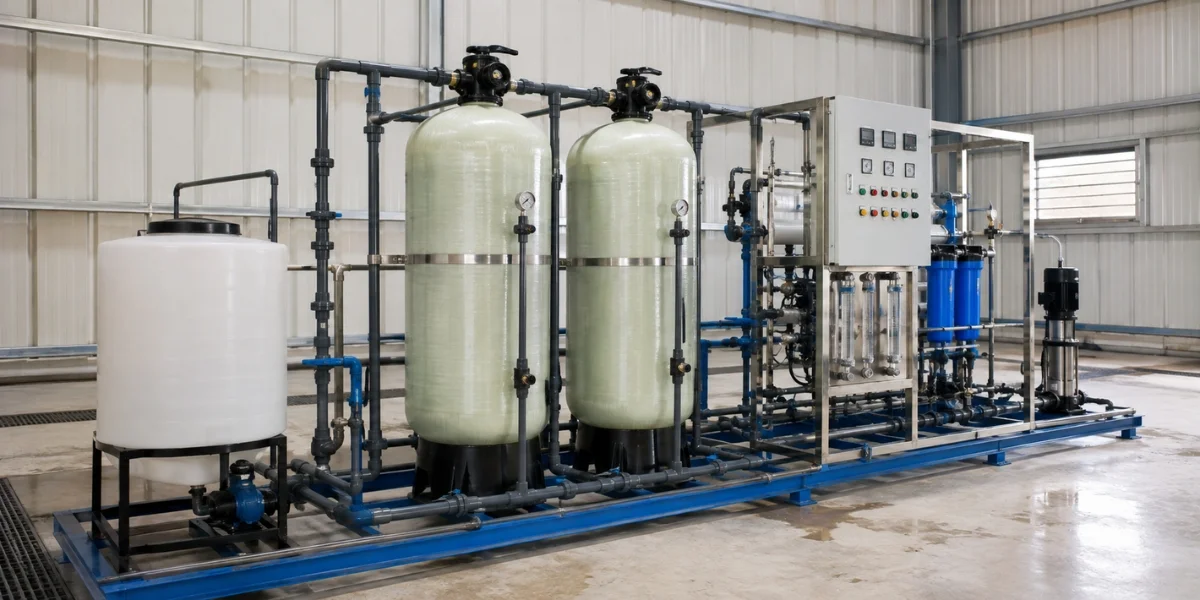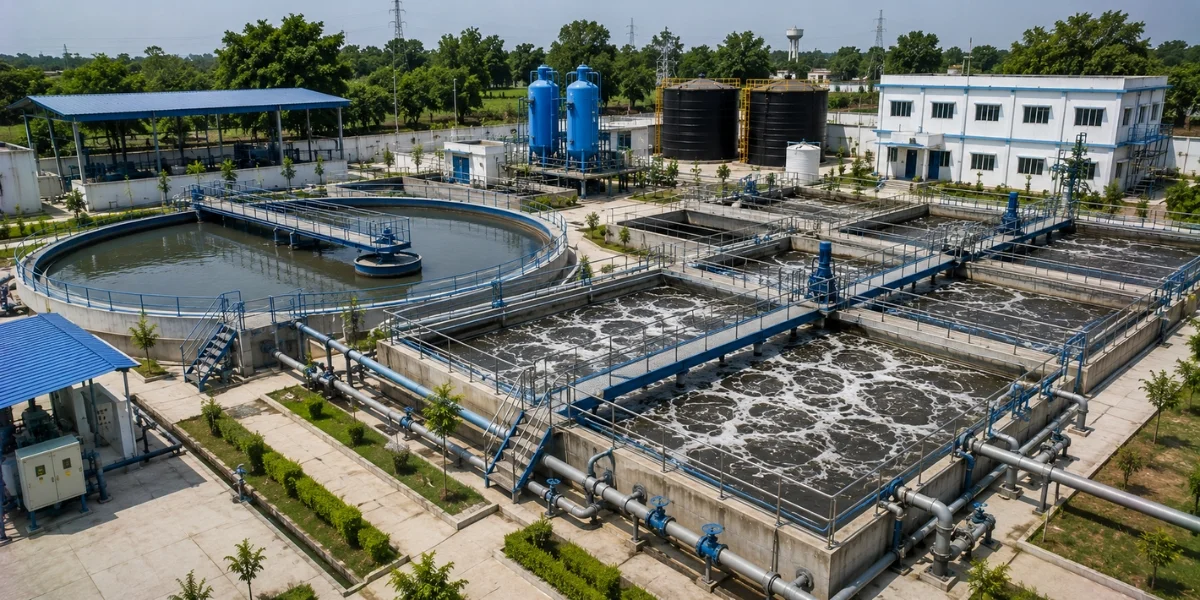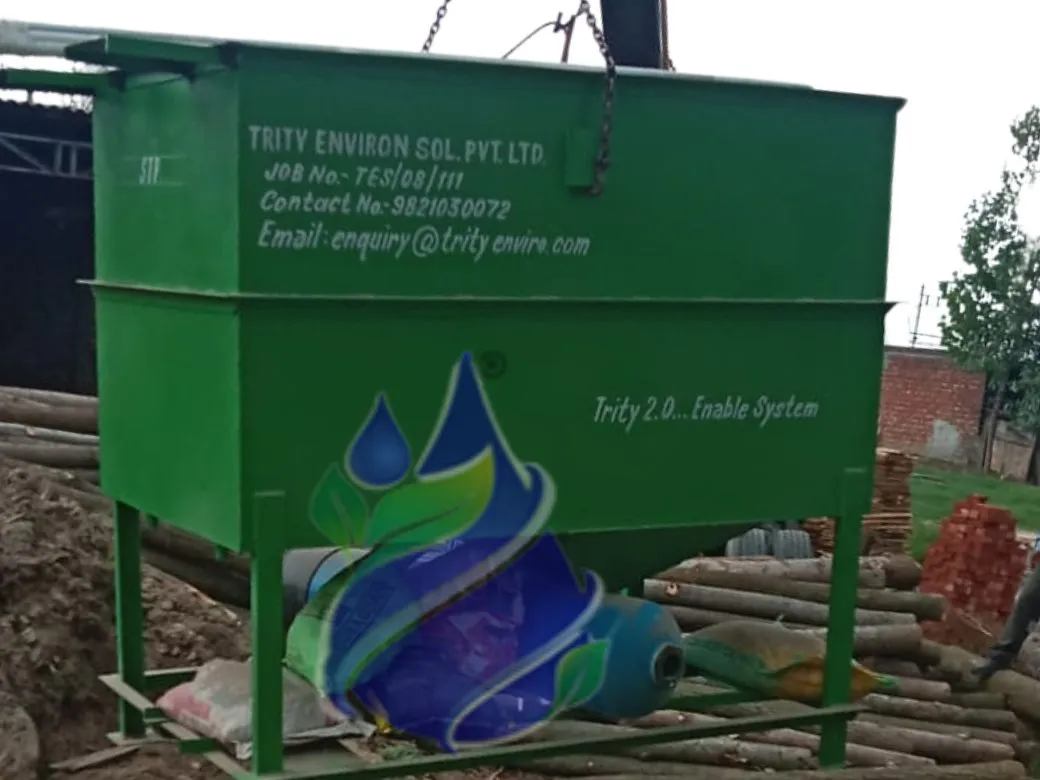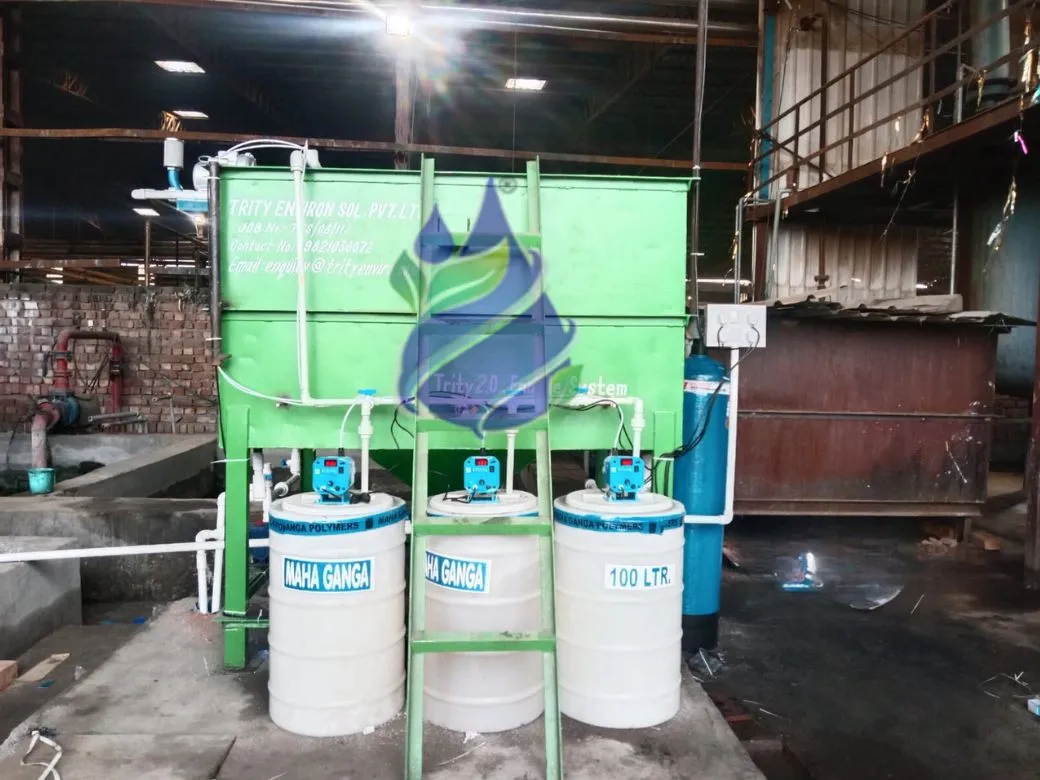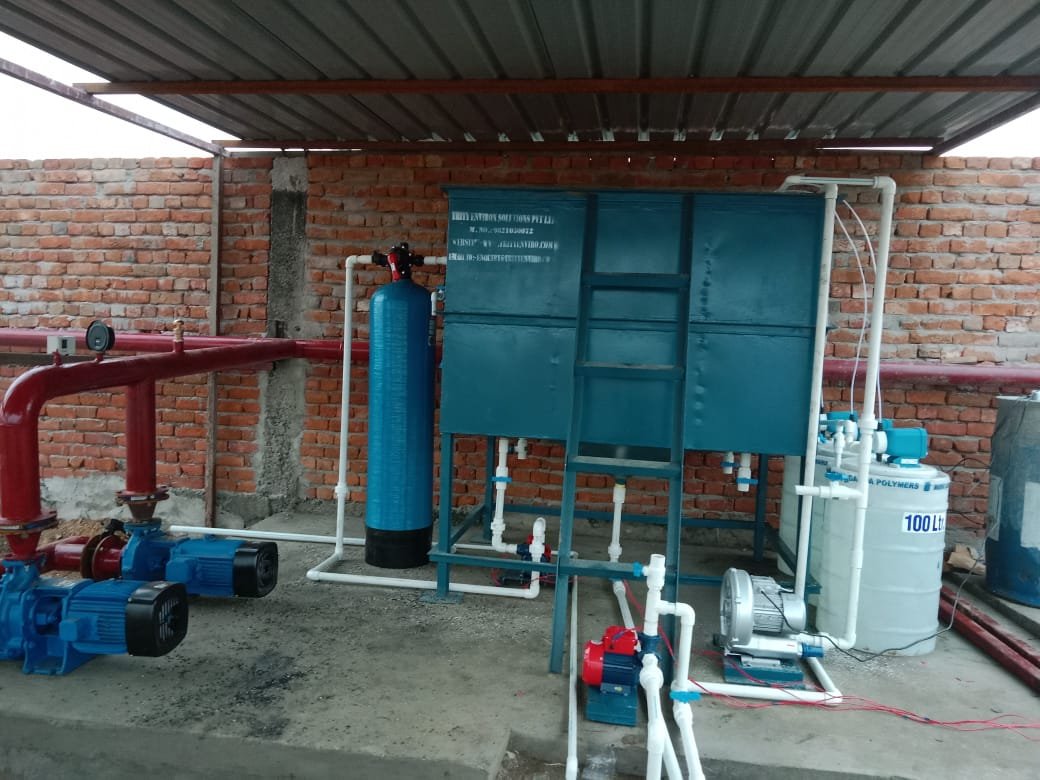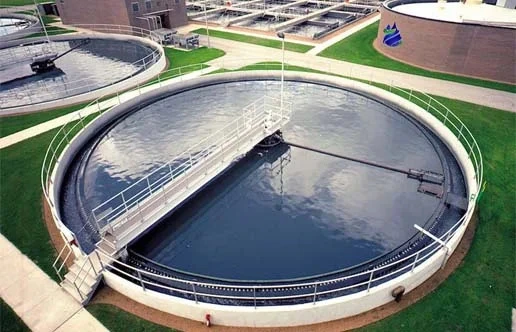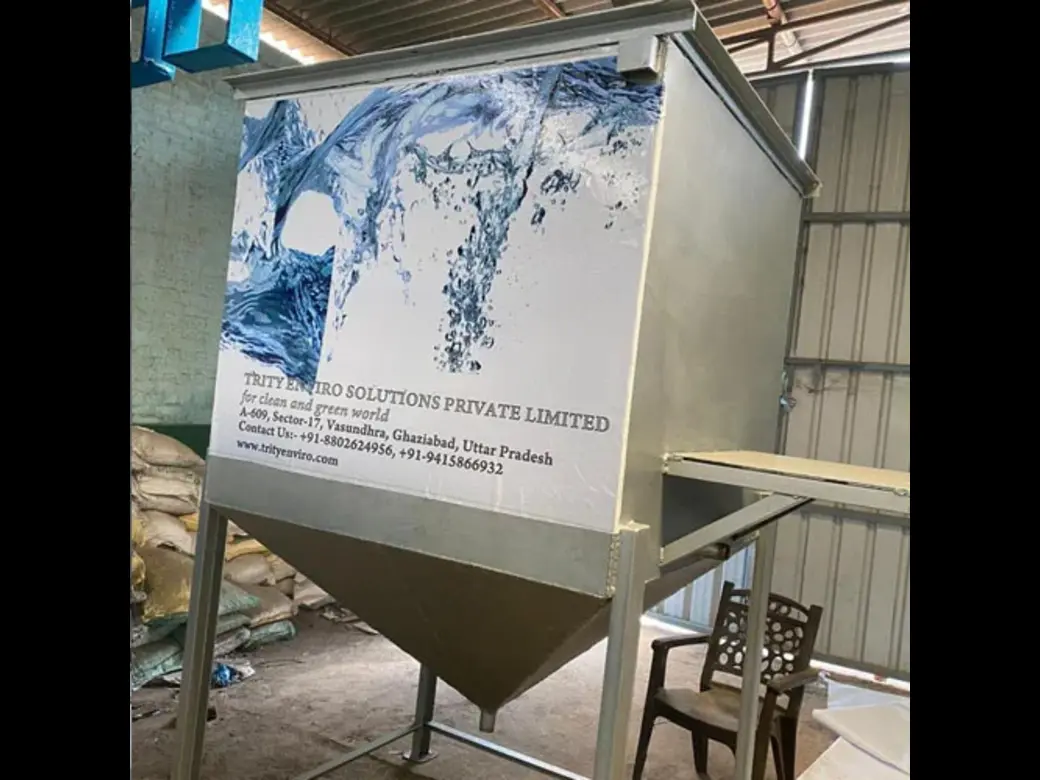
Sequential Batch Reactors (SBR) are wastewater treatment tanks that treat water in timed batch cycles.
| Phase | : Three phase |
| Country of Origin | : Made in India |
| Material of Construction | : Stainless Steel |
| Max Pressure | : 0-3 kg |
| Capacity | : <1 KL |
When industries, builders, and municipalities across India need a reliable biological wastewater treatment solution that delivers consistent results without consuming excessive space or energy, Sequencing Batch Reactor technology remains one of the most preferred choices. The reasons are clear: it is proven, flexible, compact, and capable of handling variable wastewater loads without compromising treatment quality.
Trity Environ Solutions is a trusted Sequencing Batch Reactor manufacturer in India, designing and supplying SBR-based sewage treatment plants and industrial wastewater treatment systems built to perform under real operating conditions. With manufacturing infrastructure in Ghaziabad and project installations spanning PAN India, we bring end-to-end capability from wastewater analysis and plant design through to installation, commissioning, and long-term annual maintenance support.
Our SBR systems are engineered to achieve BOD removal efficiencies exceeding 95%, TSS removal above 90%, and treated water quality that meets CPCB and State Pollution Control Board discharge norms. Whether you are a real estate developer planning a residential township, a hospital facility manager, an industrial plant engineer, or a government project contractor, we have the engineering depth and manufacturing capacity to deliver an SBR plant precisely calibrated to your application.
Looking for a custom SBR plant quote? Contact our engineering team at +91-9821030072 or email enquiry@trityenviro.com. We offer free technical consultation and site assessment.
A Sequencing Batch Reactor, commonly referred to as an SBR, is an advanced form of the activated sludge biological wastewater treatment process. Unlike conventional continuous-flow treatment systems that require separate tanks for aeration, clarification, and sludge return, the SBR system performs all these treatment functions within a single reactor tank in a timed, sequential cycle.
The core principle of SBR technology is batch processing. Wastewater enters the reactor in defined quantities, undergoes biological treatment through controlled aeration, is allowed to settle, and the clarified treated effluent is then withdrawn in a decanting step. The entire cycle is governed by a programmable logic controller (PLC) that automates timing, aeration intensity, and decanting operations.
From a biological standpoint, the SBR process relies on the aerobic metabolism of mixed microbial communities, primarily heterotrophic bacteria, which consume dissolved organic matter represented as Biochemical Oxygen Demand (BOD) and Chemical Oxygen Demand (COD) while generating carbon dioxide, water, and biomass. Under appropriate operating conditions, nitrification and denitrification also occur within the reactor, enabling nitrogen removal without the need for additional treatment stages.
The practical importance of SBR technology in modern wastewater management lies in three core strengths. First, its compact single-tank design dramatically reduces civil construction requirements. Second, its time-based operation makes it inherently flexible to variable influent loads, a condition that is extremely common in residential complexes, hotels, educational institutions, and small-to-medium industries. Third, its automation capability reduces dependence on highly skilled on-site operators, making it suitable for decentralised treatment locations.
For example, a residential township generating 200 KLD of domestic sewage that previously required a large multi-tank extended aeration system can achieve equivalent or superior treatment performance with a properly designed SBR plant occupying significantly less footprint, while simultaneously meeting the treated water reuse standards required for flushing, irrigation, and landscaping. Our sewage treatment plant range covers both SBR and other biological technologies depending on project needs.
The SBR system operates through a series of five distinct treatment phases that occur sequentially within the reactor tank. Understanding each phase helps in appreciating why SBR technology delivers such consistent treatment results across variable wastewater compositions.
During the Fill Phase, raw wastewater or pre-screened sewage from the equalization tank is pumped into the SBR reactor. This phase can be conducted as a static fill, where no mixing or aeration occurs, or as an aerated fill, where air is introduced simultaneously as wastewater enters the reactor. In a mixed fill, gentle agitation is applied without full aeration to encourage selector conditions that suppress bulking sludge organisms. The choice of fill strategy depends on the wastewater characteristics and the treatment goals, particularly whether nitrogen or phosphorus removal is targeted. For most domestic sewage applications, a combination of static and aerated fill is used to optimise biological performance.
The React Phase is the biological treatment core of the SBR process. During this phase, air blowers supply oxygen through fine bubble diffuser systems installed at the base of the reactor. The dissolved oxygen supports the aerobic metabolism of microorganisms that break down organic pollutants present in the wastewater. BOD and COD are consumed by the microbial population, converting organic contaminants into biomass, carbon dioxide, and water. Depending on the design, aeration may be intermittent during the react phase, creating alternating aerobic and anoxic conditions that promote simultaneous nitrification and denitrification for nitrogen removal. The react phase duration is determined by the MLSS concentration, the organic loading rate, and the required effluent quality. Typical react phase durations range from 2 to 4 hours in domestic sewage applications.
Once the react phase is complete, aeration is stopped entirely and the reactor enters the Settle Phase. The biomass, including treated mixed liquor and suspended solids, is allowed to settle naturally under quiescent conditions. Because there is no inflow or outflow during this phase, settling occurs without the hydraulic disturbances that affect secondary clarifiers in conventional activated sludge systems. This results in more efficient solid-liquid separation and consistently lower suspended solids in the treated effluent. Typical settle phase duration is 1 to 2 hours. Well-designed SBR systems can achieve mixed liquor settling to less than 20 percent of the reactor volume during this phase.
After satisfactory settling, the Decant Phase begins. A motorised floating decanter draws off the clarified supernatant from the upper zone of the reactor tank. The decanter is designed to skim only the clear treated water, maintaining a minimum liquid level above the settled sludge blanket to avoid disturbing the sludge. The decanted effluent is transferred to a treated water collection sump from where it can be discharged to a drain meeting regulatory standards or routed for tertiary treatment and water reuse. The floating decanter design automatically adjusts to the changing liquid level, ensuring clean effluent withdrawal throughout the decanting cycle.
The Idle Phase is an operational buffer that occurs between the end of decanting and the beginning of the next fill cycle. During this phase, the reactor is ready to receive the next batch of wastewater. In a two-reactor SBR system, the idle phase of one reactor overlaps with the fill and react phases of the other, ensuring continuous wastewater intake without interruption. This phase is also used for waste sludge withdrawal, where excess biomass is pumped out to the sludge handling unit to maintain the desired sludge retention time and MLSS concentration in the reactor.
| Phase | Duration (Approx.) | Key Activity | Outcome |
|---|---|---|---|
| Fill | 1 to 2 hours | Wastewater intake, optional aeration | Reactor charged with influent |
| React | 2 to 4 hours | Aerobic biological treatment with air blowers | BOD, COD, and nutrient removal |
| Settle | 1 to 2 hours | Quiescent gravity settling of biomass | Clear supernatant formed above sludge |
| Decant | 0.5 to 1 hour | Treated effluent withdrawal via floating decanter | Clarified treated water removed |
| Idle | 0.5 to 1 hour | Sludge wasting and reactor preparation | System ready for next batch |
A properly engineered SBR plant consists of several interconnected components that together deliver consistent biological treatment performance. At Trity Environ Solutions, we manufacture and source each component to precise quality standards, ensuring long operational life and minimal maintenance requirements.
The Equalization Tank is the first unit in the SBR treatment train. Raw wastewater flows into this tank where variations in flow rate and pollutant concentration are dampened before the wastewater enters the SBR reactor. Without equalization, peak flow events from morning discharge or post-production washdowns would overwhelm the reactor's hydraulic capacity, compromising treatment performance. The equalization tank is typically equipped with a submersible mixer or coarse bubble aerator to keep solids in suspension and prevent septicity. Capacity is generally designed to hold 6 to 12 hours of average daily flow. For industrial applications with highly variable discharge patterns, equalization capacity may be sized for up to 24 hours of storage. This same equalization principle applies to our effluent treatment plant designs for industrial applications.
The SBR Reactor Tank is the central treatment vessel where all biological reactions occur. It is designed as a rectangular or circular tank with sufficient volume to accommodate the fill volume, maintain adequate mixed liquor suspended solids concentration, and provide the necessary aeration and settling volumes within a single cycle. The reactor is constructed from reinforced concrete with epoxy lining or from prefabricated FRP and stainless steel for modular installations. Tank volume is calculated based on SBR cycle time, volumetric exchange ratio, hydraulic retention time, and food-to-microorganism ratio required for the target effluent quality. Most domestic sewage SBR reactors are designed with two parallel tanks to provide operational continuity.
The Aeration System delivers the oxygen required to sustain aerobic biological treatment within the reactor. In modern SBR plants, the aeration system consists of centrifugal air blowers or rotary lobe blowers connected to fine bubble diffuser assemblies installed at the tank floor. Aeration is controlled by the PLC automation panel, which activates and deactivates blowers according to the react phase timing and dissolved oxygen feedback from sensors installed in the reactor. Proper aeration design is critical because over-aeration wastes energy and disrupts settling, while under-aeration leads to incomplete BOD removal and rising sludge. Our engineers design aeration systems based on standard oxygen transfer efficiency values and site-specific wastewater oxygen demand calculations.
Air Blowers are the mechanical workhorse of the SBR aeration system. Depending on plant capacity and design, we use regenerative blowers for smaller capacity plants up to 50 KLD or rotary lobe positive displacement blowers for larger capacity installations from 100 KLD and above. Blowers are selected based on required airflow, pressure head to overcome diffuser submergence, and energy efficiency. Variable frequency drives are recommended on blower motors in larger plants to optimise power consumption during low organic load periods. All blowers are housed in a blower room or weather-protected enclosure to reduce noise and extend equipment service life.
Fine Bubble Diffusers are membrane disc or tube diffusers installed at the reactor floor that break the compressed air supply into fine bubbles of 1 to 3 mm diameter. Fine bubble diffusers achieve significantly higher oxygen transfer efficiency compared to coarse bubble aeration, typically delivering standard oxygen transfer efficiencies of 20 to 35 percent. This directly translates to lower blower power consumption and reduced operating costs over the plant lifetime. Diffuser membranes are manufactured from EPDM rubber or polyurethane and are designed for periodic self-cleaning through back-flushing cycles programmed into the automation system.
The Decanter System controls the withdrawal of treated effluent during the decant phase. A floating decanter assembly consists of a collection pipe or weir mounted on float assemblies that rise and fall with the water level in the reactor. A motorised valve controls the discharge flow rate during decanting. The decanter design ensures that the treated water intake point always remains below the water surface, preventing any floating scum from entering the treated water stream while maintaining a safe minimum distance above the settled sludge blanket. Our decanters are fabricated in SS 304 or HDPE depending on the application.
Over successive treatment cycles, excess biomass accumulates in the SBR reactor and must be periodically wasted to maintain the sludge age and MLSS concentration within the design range. The Sludge Handling Unit receives this waste activated sludge and processes it for safe disposal or beneficial reuse. Typical sludge handling in SBR plants includes a sludge sump with transfer pump, a sludge thickener, and a filter press or sludge drying bed for dewatering. The resulting dewatered sludge cake contains approximately 20 to 25 percent total solids and can be used as soil amendment in agricultural applications or sent for composting. Sludge production from SBR systems is lower than from conventional extended aeration systems due to the higher sludge age operation possible in batch systems.
The PLC Automation Panel is the operational brain of the SBR plant. It controls the entire treatment cycle through programmed timing sequences that govern inlet valves, blowers, mixers, decanters, sludge pumps, and alarm systems. Modern SBR plants are equipped with SCADA-enabled PLCs that allow remote monitoring and control via smartphone or computer, generating automatic alarm notifications for equipment faults, sensor exceedances, or cycle interruptions. The automation panel also logs operational data including cycle times, energy consumption, and flow volumes that are valuable for regulatory reporting and plant optimisation. We use Siemens, Allen Bradley, or equivalent PLC systems configured to match each plant's specific control requirements, with local HMI touchscreen displays at the control panel for on-site operator interaction.
SBR technology has established a strong track record across thousands of sewage and industrial wastewater treatment installations in India and worldwide. The combination of treatment performance, operational flexibility, and lifecycle cost advantages makes it a compelling choice across a wide range of project types.
High Treatment Efficiency: SBR systems consistently achieve BOD removal efficiencies above 95%, COD removal above 90%, and TSS removal above 95% under normal operating conditions. This level of performance meets or exceeds the treated water quality standards prescribed by CPCB for discharge to inland surface waters.
Excellent BOD Removal: The extended aeration periods within the react phase, combined with high MLSS concentrations maintained in the reactor, allow virtually complete metabolism of soluble and particulate BOD. Treated SBR effluent routinely achieves BOD concentrations below 10 mg/L, well within the CPCB limit of 30 mg/L for discharge and below 10 mg/L for reuse applications.
Excellent COD Removal: COD removal in SBR systems is highly effective for domestic sewage and many industrial wastewaters. For domestic sewage, treated effluent COD typically falls below 75 mg/L. Industrial applications may require extended react times or additional pre-treatment steps depending on the presence of refractory compounds. Our effluent treatment plant for chemical industries uses SBR as the core biological stage for high-COD industrial applications.
TSS Reduction: The quiescent settling conditions during the settle phase produce clarified effluent with TSS values regularly below 20 mg/L. This is significantly better than many conventional secondary clarifiers that are susceptible to hydraulic short-circuiting during peak flow periods.
Compact Footprint: Because fill, react, settle, and decant operations all occur in a single tank, the overall plant footprint is substantially smaller than conventional activated sludge systems requiring separate aeration tanks, secondary clarifiers, and sludge return lines. This is a major advantage for urban real estate projects, hospitals, hotels, and industrial facilities where land costs are high.
Lower Sludge Generation: SBR systems typically operate at higher sludge retention times than conventional systems, allowing greater endogenous respiration of biomass within the reactor. This results in lower net sludge production and reduced sludge handling and disposal costs over the plant's operational life.
Energy Efficient Operation: Modern SBR systems with variable frequency drives on blowers and optimised cycle programming consume considerably less energy than equivalent capacity conventional systems. Fine bubble diffusers further improve oxygen transfer efficiency, reducing the specific energy requirement per kilogram of BOD removed.
Easy Automation: The sequential, time-based nature of SBR operation lends itself naturally to PLC automation. Cycle times, aeration intensity, and decanting operations can all be programmed and modified without mechanical changes to the plant. This ease of automation reduces operational errors and dependence on skilled labour.
Low Maintenance Cost: With fewer mechanical components than equivalent conventional systems and no continuous sludge return pumping requirement, SBR plants have lower preventive maintenance requirements. Critical maintenance activities are limited to diffuser cleaning, blower servicing, decanter mechanism inspection, and PLC calibration.
Odour Control: Properly designed SBR plants with covered equalization tanks and adequate pre-screening generate minimal odour. The enclosed reactor design and short hydraulic retention time in the equalization tank prevent the development of septic conditions that produce hydrogen sulphide and other malodorous compounds.
Flexible Capacity Handling: The SBR cycle can be extended or shortened to accommodate seasonal flow variations, construction phase ramp-up, or future capacity additions without civil modifications. This operational flexibility is particularly valuable for real estate projects where wastewater generation increases progressively as occupancy builds up.
Future Expansion Capability: SBR plants can be expanded by adding additional reactor tanks in parallel, using the existing equalization and sludge handling infrastructure. This modular expansion approach avoids the disruption and cost of complete plant reconstruction that would be required with conventional systems.
Business Benefits and ROI: Beyond treatment performance, SBR plants deliver measurable business value. Lower sludge disposal costs, reduced energy bills, water reuse revenue from treated effluent recycling, compliance with environmental regulations that avoids penalties, and reduced civil construction costs compared to conventional multi-tank systems all contribute to a favourable return on investment over the plant's 20 to 25 year operational life.
SBR technology is applied across a remarkably broad range of sectors in India, from small housing society STPs of 50 KLD to large municipal treatment facilities of several MLD capacity.
Large integrated townships generating 500 KLD to several MLD of domestic sewage are among the most common SBR installations in India. Real estate developers favour SBR systems because their compact footprint minimises the land area committed to wastewater treatment infrastructure, their treated water quality meets CGWA and state authority reuse standards, and their PLC automation reduces staffing requirements. Treated SBR effluent from residential townships is typically reused for flushing, irrigation of landscaping, and cooling tower makeup water. Our dedicated sewage treatment plant page covers the full range of technology options available for township and residential projects.
Group housing societies and multi-storey residential complexes with daily sewage generation between 100 KLD and 500 KLD represent a large and growing SBR market in Indian cities. Municipal by-laws in states including Maharashtra, Karnataka, Haryana, and Uttar Pradesh mandate on-site sewage treatment for housing societies above a certain floor area, driving strong demand for compact, automated SBR plants that minimise resident complaints about noise and odour.
Hotels present a variable wastewater generation profile, with peak discharges during morning and evening hours and significantly lower flows during midday and late night periods. SBR technology handles this variability naturally because cycle timing can be adjusted to match the actual wastewater volume received in each batch. High-end hotels also appreciate the treated water quality achievable with SBR systems, which allows treated effluent reuse for garden irrigation and flushing, directly reducing municipal water consumption and water purchase costs.
Hospital wastewater contains a complex mixture of domestic sewage, pharmaceutical residues, disinfectants, and potentially pathogenic microorganisms that requires thorough biological treatment followed by disinfection before discharge. SBR systems provide the complete biological treatment stage, effectively removing BOD, COD, TSS, and nutrients, after which the treated effluent passes through chlorination or UV disinfection before discharge. Hospital SBR plants are typically designed with redundant reactor capacity to ensure continuous operation even during maintenance periods, because regulatory non-compliance is particularly closely scrutinised at healthcare facilities.
University campuses, engineering colleges, school complexes, and boarding schools generating between 50 KLD and 500 KLD of domestic wastewater are well-served by SBR systems. The consistent effluent quality from an SBR plant allows treated water reuse for campus irrigation, toilet flushing, and groundwater recharge, supporting green campus certification requirements and reducing municipal water dependency.
Large commercial complexes, IT parks, SEZs, and business parks generating wastewater from cafeteria operations, washrooms, and facility services can achieve effective treatment and water recycling through properly sized SBR plants. Many green building rating frameworks including LEED and IGBC assign credit points for on-site wastewater treatment and reuse, making SBR plant installation a strategic investment for commercial building developers seeking premium certifications.
General manufacturing industries generating wastewater with predominantly organic contaminants can deploy SBR-based effluent treatment plant systems for compliant discharge. The automated operation of SBR systems is particularly valued at manufacturing facilities where dedicated wastewater treatment operators are not always available.
Food and beverage processing wastewater carries high organic loads with BOD concentrations ranging from 1,000 to 5,000 mg/L in raw form. SBR systems can be designed for high-strength organic wastewater treatment when preceded by appropriate pre-treatment or pre-acidification stages. Dairy processing, fruit and vegetable processing, meat packing, and confectionery manufacturing are among the food industry sub-sectors where SBR-based ETP systems are successfully deployed.
Pharmaceutical manufacturing wastewater requires careful treatment design due to the presence of antibiotic residues, solvent traces, and complex organic compounds that can inhibit the biological treatment community. Specialised SBR designs with extended sludge ages, selective aeration strategies, and co-substrate dosing have been successfully deployed for pharmaceutical ETP applications. All pharmaceutical wastewater treatment plants must meet stringent CPCB standards, and the SBR's ability to achieve very low effluent concentrations under controlled conditions makes it a suitable technology choice.
Municipal sewage treatment schemes under Smart City Mission, AMRUT, and Namami Gange programmes are major consumers of SBR technology in India. State urban development authorities and municipal corporations prefer SBR-based STPs because they can be installed with smaller land footprints in dense urban areas, they offer predictable operational costs, and their automation reduces municipal staffing requirements.
| Parameter | Specification |
|---|---|
| Capacity Range | 10 KLD to 10 MLD (custom designs available) |
| BOD Removal Efficiency | Greater than 95% |
| COD Removal Efficiency | Greater than 90% |
| TSS Removal Efficiency | Greater than 95% |
| Nitrogen Removal | 60% to 85% (with anoxic cycling) |
| Phosphorus Removal | 30% to 60% (biological; chemical addition for higher removal) |
| Power Requirement | 0.25 to 0.45 kWh per KLD treated (capacity dependent) |
| Automation Level | Full PLC/SCADA automation with remote monitoring |
| Material of Construction | RCC with epoxy lining, FRP, SS 304/316 for internals |
| Treated Water BOD | Less than 10 mg/L |
| Treated Water TSS | Less than 20 mg/L |
| Treated Water COD | Less than 75 mg/L |
| Sludge Production | 0.3 to 0.5 kg dry solids per kg BOD removed |
| Reuse Capability | Flushing, irrigation, cooling tower, groundwater recharge |
| Design Life | 20 to 25 years with scheduled maintenance |
| Cycle Time | 4 to 8 hours per complete SBR cycle (application dependent) |
There are numerous SBR plant manufacturers operating in India. What separates Trity Environ Solutions from the rest is not just technical competence but the combination of engineering rigour, manufacturing quality, project execution discipline, and after-sales commitment that we bring to every installation. You can read more about our company background and track record on our About page.
Customized Plant Design: No two wastewater treatment challenges are identical. Our engineering team conducts thorough wastewater characterisation before designing each SBR plant. We account for variations in flow, pollutant concentration, ambient temperature, and available space to deliver a design that performs reliably under your actual operating conditions, not just under laboratory assumptions.
Turnkey Project Execution: We handle the complete project lifecycle from site assessment and design through civil construction, equipment supply, installation, commissioning, and handover. This single-point accountability eliminates the coordination problems that arise when civil contractors, equipment suppliers, and instrumentation vendors work independently.
Experienced Engineering Team: Our core team includes wastewater treatment engineers with extensive project experience across domestic sewage treatment, industrial effluent treatment, and water reuse applications. This depth of experience means we identify potential operational issues at the design stage, before they become expensive problems on site.
Premium Quality Components: We source diffusers, blowers, decanters, PLC panels, and instrumentation from suppliers with documented performance credentials. Our manufacturing workshop in Ghaziabad operates under quality control protocols ensuring that every fabricated component meets dimensional and material specifications.
PAN India Installation: We have successfully executed wastewater treatment plant projects across Uttar Pradesh, Delhi NCR, Haryana, Rajasthan, Madhya Pradesh, Maharashtra, and other states. Our full project coverage is listed on our products page.
Timely Project Delivery: Project timelines are commitments, not aspirations. We maintain manufacturing schedules and coordinate site activities proactively to ensure that plant commissioning occurs within the agreed timeline. This is particularly important for real estate developers with RERA compliance dates and industries with PCB consent-to-operate requirements.
CPCB Compliance: All our SBR plants are designed to meet the treated water quality standards prescribed by the Central Pollution Control Board under the Environment Protection Act. We provide treated water quality test reports from NABL-accredited laboratories at commissioning to formally demonstrate compliance.
SPCB Compliance: We are familiar with the specific discharge standards and consent-to-operate requirements of State Pollution Control Boards across the states where we operate, and we design plants to meet the more stringent of central and state norms applicable to your project.
AMC Support: Post-commissioning annual maintenance contracts are available to ensure that your SBR plant continues to operate at peak performance through the years. AMC services include scheduled preventive maintenance, emergency breakdown response, consumable replacement, and periodic performance verification testing.
Competitive Pricing: Our manufacturing efficiency and established supplier relationships allow us to deliver high-quality SBR plants at competitive price points without compromising on critical components. We provide detailed, transparent quotations that allow honest comparison with competing proposals.
Technical Assistance: From the initial enquiry stage through to years after commissioning, our technical team is available to answer operational questions, support troubleshooting, and provide guidance on process optimisation. Our clients have direct access to our engineers, not just to a customer service call centre.
Long-Term Service Support: Wastewater treatment plants have operational lives of 20 to 25 years. We maintain spare parts inventory for the equipment we supply and retain technical knowledge about each installation we commission, ensuring that our clients receive informed support throughout the plant's service life.
Every SBR plant installation at Trity Environ Solutions follows a structured, stage-gate process that ensures technical rigour, quality control, and customer clarity at every step.
Choosing the right biological treatment technology for a wastewater treatment plant is one of the most consequential decisions a project will make. Each technology has genuine strengths and genuine limitations, and the right choice depends on site-specific factors including required treated water quality, available footprint, operating budget, and future expansion requirements.
| Parameter | SBR | MBBR | MBR |
|---|---|---|---|
| Treatment Efficiency | Very High | High | Very High |
| Treated Water BOD | Less than 10 mg/L | 10 to 20 mg/L | Less than 5 mg/L |
| Treated Water TSS | Less than 20 mg/L | 20 to 30 mg/L | Less than 5 mg/L |
| Footprint | Compact (single tank) | Compact | Very Compact |
| Capital Cost | Moderate | Low to Moderate | Moderate to High |
| Operating Cost | Low to Moderate | Low | Moderate to High |
| Maintenance Requirements | Moderate | Low | High (membrane cleaning) |
| Automation Requirement | High | Moderate | High |
| Water Reuse Potential | Good (with tertiary filter) | Good (with tertiary filter) | Excellent (direct reuse) |
| Sludge Generation | Low | Low to Moderate | Low |
| Nutrient Removal | Good (with design) | Limited | Good |
| Best Application | Residential, hotels, institutions, municipalities | Industrial, retrofit, variable load | High-quality reuse, constrained sites |
| Expansion | Easy (add reactors) | Easy (add media) | Moderate (membrane trains) |
| Operational Complexity | Moderate | Low | High |
MBBR technology uses free-floating plastic carrier media to grow biofilm, offering low-maintenance operation and easy retrofitting into existing tanks. Learn more about our MBBR media products and how they perform in biological treatment systems. MBR combines biological treatment with ultrafiltration membranes to produce the highest quality treated water available from any secondary treatment process. For an in-depth look at how membrane bioreactors improve wastewater treatment efficiency, see our MBR technology overview.
Conclusion: For projects where space is a constraint but membrane-quality effluent is not required, SBR technology provides the best balance of treatment performance, capital cost, and operational reliability. MBBR is best suited to projects seeking a low-capital, easy-to-operate upgrade of existing systems. MBR is the right choice when the project has both tight space constraints and a requirement for the highest possible treated water quality for direct reuse. Trity Environ Solutions offers all three technologies and can provide an objective recommendation based on your project's specific requirements.
Trity Environ Solutions has delivered wastewater treatment plants to a diverse range of industrial and commercial sectors across India. Our full product and service offering is listed on our products page.
Automobile Industry: Automobile assembly and component manufacturing plants generate wastewater containing oils, lubricants, paint booth effluent, and general process water. We design SBR-based ETP systems for automobile plants that incorporate pre-treatment for oil and grease removal before the biological treatment stage.
Textile Industry: Textile processing wastewater is characterised by high colour, high COD, and pH variation from dyeing and finishing operations. The biological stage for BOD removal in textile ETPs is effectively handled by SBR technology, often following physico-chemical decolouration pre-treatment.
Pharmaceutical Industry: Pharmaceutical manufacturing wastewater requires specialised SBR designs with extended sludge ages and careful process control to achieve the low effluent quality standards imposed by regulatory authorities.
Chemical Industry: Chemical process wastewater with predominantly biodegradable organic compounds can be effectively treated in SBR systems, often preceded by neutralisation and primary treatment to protect the biological community. Visit our effluent treatment plant for chemical industries page for sector-specific information.
Food Processing Industry: From dairy and beverage to meat processing and packaged food manufacturing, food industry effluent with high organic strength is well matched with SBR technology's capacity for high-rate biological treatment.
Dairy Industry: Dairy processing wastewater contains fats, proteins, lactose, and cleaning chemicals that respond well to aerobic biological treatment. SBR systems for dairy ETPs are designed for high organic loading rates and include fat trap and grease trap pre-treatment.
Educational Institutions: Universities, residential schools, and college campuses are major users of SBR-based STPs for domestic sewage treatment and water reuse across India.
Hotels: Premium hotel properties value the quiet, automated operation of SBR plants and the treated water quality that enables irrigation and flushing reuse, directly supporting their sustainability commitments.
Hospitals: Hospital and healthcare facility STPs demand reliable biological treatment followed by rigorous disinfection, an application where the consistent treatment performance of well-designed SBR systems is a key asset.
Housing Societies: Group housing societies across Delhi NCR, Pune, Bengaluru, and Mumbai are among the most active buyers of compact SBR-based sewage treatment plants in response to municipal mandates for on-site sewage treatment.
Commercial Buildings: IT parks, shopping malls, and mixed-use commercial developments deploy SBR plants to meet regulatory requirements and achieve water reuse targets for green building certifications.
Government Projects: Smart City, AMRUT, Namami Gange, and state urban infrastructure programmes are significant end markets for SBR-based municipal STPs, where the combination of compact footprint, automated operation, and reliable performance is particularly valued.
The installed cost of an SBR plant in India varies considerably depending on a range of technical and commercial factors. Understanding these factors helps project owners develop realistic budget expectations and make informed decisions about plant specification.
Plant Capacity: This is the single largest driver of cost. Larger capacity plants benefit from economies of scale in civil construction and equipment supply, so the cost per KLD treated decreases as plant capacity increases. Very small plants below 50 KLD may have relatively higher unit costs due to minimum equipment sizing requirements.
Wastewater Characteristics: Domestic sewage with standard BOD and COD concentrations requires a straightforward SBR design. Industrial wastewater with high organic strength, toxicants, or nutrient removal requirements necessitates more complex design, additional pre-treatment stages, and higher quality process control equipment, all of which add to the plant cost.
Civil Construction Scope: The plant cost quoted by equipment suppliers typically covers mechanical and electrical equipment supply and installation. Civil construction of reactor tanks, equalization tank, sludge sump, control room, and blower room is separately quoted based on local construction rates. Sites with poor soil bearing capacity, high water tables, or access constraints may require additional civil expenditure.
Site Conditions: Remote locations with limited infrastructure, sites at high elevations, or project locations with logistical challenges add to the cost of materials delivery and installation labour compared to urban projects near major industrial hubs.
Automation Requirements: The level of automation specified significantly affects the equipment cost. Basic timer-based PLC control is the most economical option. Full SCADA with remote monitoring, online sensors, and data logging represents a higher investment but reduces long-term operational expenditure through better process control and early fault detection.
Material Selection: Reactor tanks constructed from reinforced concrete with epoxy lining are typically the most cost-effective choice for permanent installations. Prefabricated FRP or stainless steel tanks offer faster installation timelines at higher material costs and are preferred for temporary installations or sites where civil construction is not feasible.
Compliance Requirements: Projects subject to very stringent treated water quality standards may require additional treatment stages including tertiary filtration, activated carbon adsorption, or UV disinfection beyond the standard SBR plant scope, adding to total system cost.
Water Reuse Requirements: If the treated water is to be reused for applications requiring higher quality than secondary treated effluent, such as cooling tower makeup or process water, additional tertiary treatment equipment will be required.
Project Location: Metro cities and tier-1 cities generally have higher civil construction costs than tier-2 and tier-3 towns, but may have better access to qualified installation contractors and shorter lead times for equipment delivery.
Installation Complexity: Projects involving installation within existing operating facilities, confined space work, or complex interfacing with existing treatment infrastructure require more intensive site management and engineering supervision, increasing the installation cost component.
If your project requires a reliable, compliant, and cost-effective wastewater treatment solution, Trity Environ Solutions has the engineering capability and manufacturing infrastructure to deliver an SBR plant that performs exactly as designed, every day.
We have worked with real estate developers managing multi-tower residential townships, hospital facility managers navigating SPCB compliance requirements, hotel operators seeking to reduce municipal water consumption through treated water reuse, food processing companies optimising their effluent treatment expenditure, and government contractors executing Smart City infrastructure projects. In every case, our approach is the same: thorough technical analysis of the actual wastewater challenge, honest engineering design based on real data, quality manufacturing of every component, and disciplined on-site installation with rigorous commissioning.
The Indian regulatory environment for wastewater treatment is tightening, not loosening. Pollution Control Boards are increasing inspection frequency, enforcement actions are escalating, and the reputational and financial consequences of non-compliance are growing. Investing in a properly designed and manufactured SBR plant from a qualified and experienced manufacturer is the most effective way to protect your project from these risks while simultaneously creating value through treated water reuse and demonstrating environmental responsibility to your stakeholders.
Explore our full range of wastewater treatment solutions including sewage treatment plants, effluent treatment plants, and MBBR media systems to find the right technology for your project.
Contact Trity Environ Solutions today to discuss your SBR plant requirement.
Call Us: +91-9821030072 Email: enquiry@trityenviro.com Office Hours: Monday to Saturday, 10:00 AM to 5:00 PM
Request a Free Quote: Share your project details and receive a technical proposal within 5 to 7 working days.
Schedule a Site Visit: Our engineers will visit your site at no charge to assess your requirements and provide a project-specific recommendation.
Consult an Engineer: Speak directly with a wastewater treatment engineer about your project challenges, technology options, and regulatory requirements.
Discuss Project Requirements: Whether your project is at the concept stage or ready for execution, our team is available to provide technical guidance and commercial proposals aligned with your timeline.
Get Started Now: Send a WhatsApp message to +91-9821030072 with your project capacity, location, and timeline, and we will respond within the same business day.
Best STP and ETP Plant manufacturers and suppliers in Alwar. Trity Enviro manufactures Sewage Treatment...
Trity Environ Solutions manufacturers and suppliers of STP and ETP Plant in Jodhpur. Sewage Treatment...
Trity Environ Solutions is India's best manufacturer and supplier of Sewage Water Equalization Tanks...
Trity Environ Solutions is a leading STP and ETP Plant Manufacturer in Baddi, delivering advanced wastewater treatment systems for pharmaceutical, chemical, FMCG, and commercial sectors. We offer turnkey solutions from design and manufacturing to installation, commissioning, and after-sales support.
Trity Environ Solutions manufacturers and suppliers of STP and ETP Plant in Jabalpur. Sewage Treatment...
Looking for a reliable DAF system in India? We manufacture high-performance dissolved air flotation systems for efficient oil, grease, and suspended solids removal in wastewater treatment. Get a quote today.
Discover top-rated ETP and STP plant manufacturers in Andhra Pradesh. Our eco-friendly wastewater tre....
Trity Enviro is the top leading manufacturer of Sewage treatment plants for hospitals....
We are Industrial RO Plant Manufacturer in Delhi/NCR, Best Commercial RO Plant...
Trity Environ Solutions manufacturers and suppliers of STP and ETP Plant in Noida. Sewage Treatment...