
 ISO 9001:2015 & QCI Approved
Sequencing Batch Reactor (SBR) Manufacturer in India
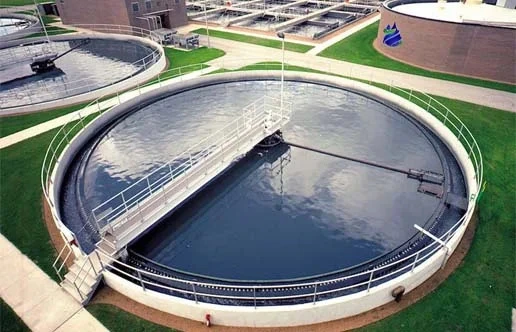
Trity Environ Solutions is a trusted Sequencing Batch Reactor manufacturer in India, engineering the complete reactor system, tank, aeration, decanter, sludge handling, and PLC automation, for sewage and industrial wastewater applications. If you specifically need an SBR-based sewage treatment plant compared against other STP technologies, see that page; here we cover the SBR reactor system itself in depth, with pan India installation support.
SPCB / CPCB Norm Compliant
Heavy Fabrication
One Tank, Five Phases, and a Lot of Engineering Decisions in Between
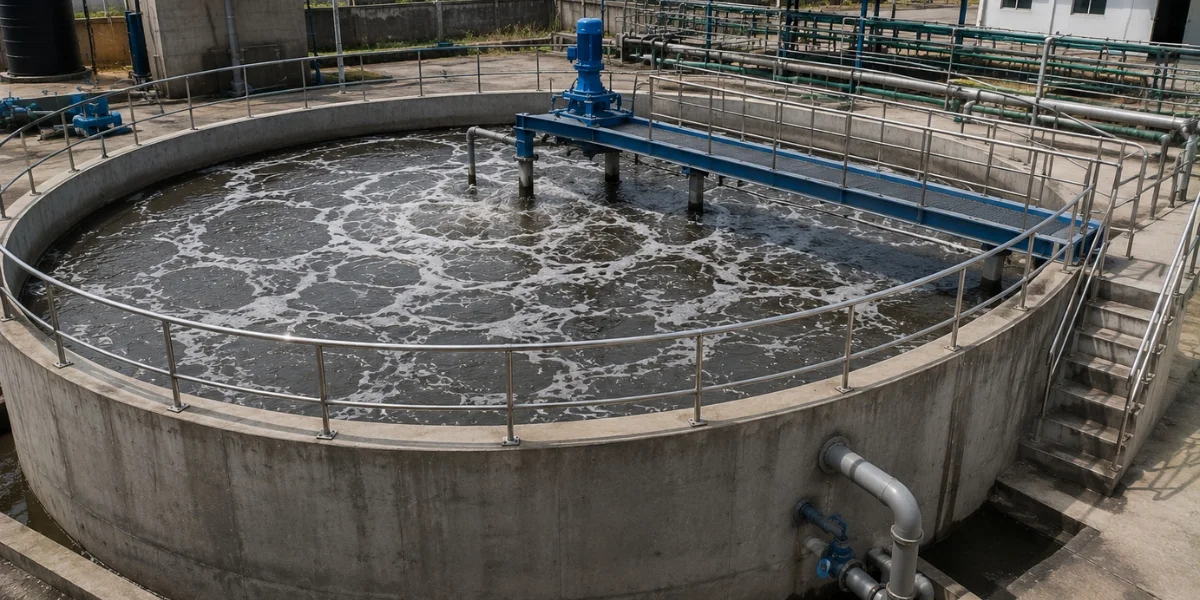
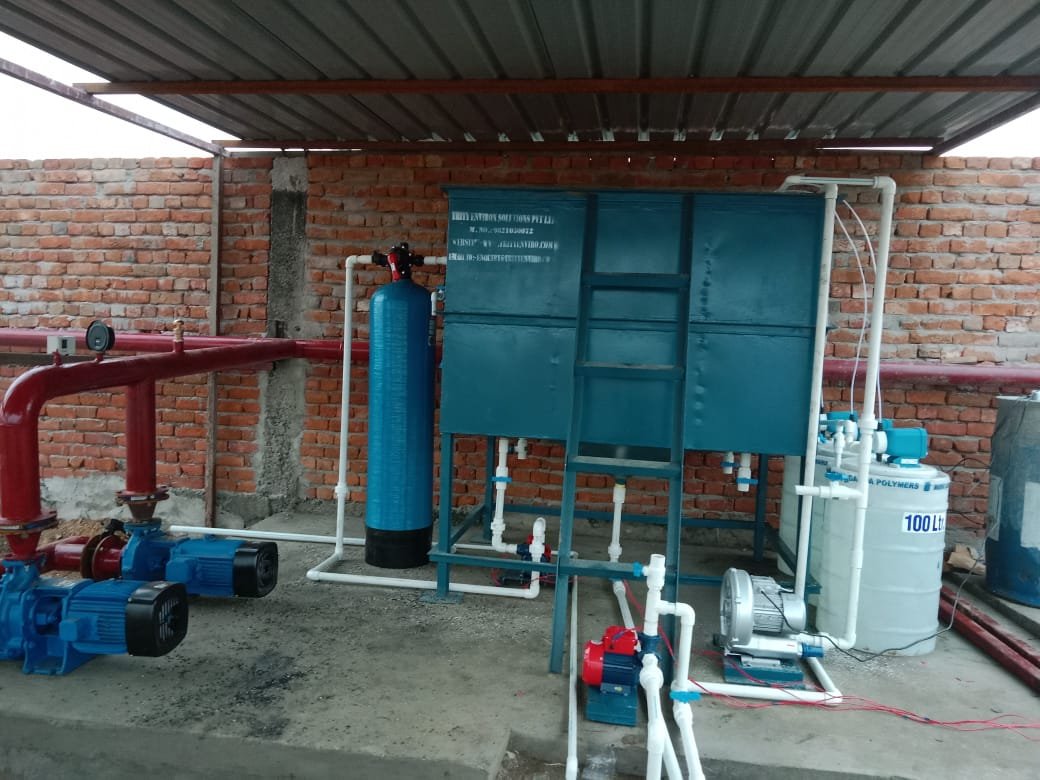
A Sequencing Batch Reactor compresses fill, react, settle, decant, and idle into a single vessel through PLC-timed sequencing, but the equipment behind that simplicity, decanter mechanism, blower sizing, diffuser layout, and sludge handling, determines whether the system actually performs at design values. Trity Environ Solutions manufactures every component of the SBR system in-house or through vetted suppliers, from the floating decanter to the fine bubble diffusers that drive the react phase, rather than assembling a plant from mismatched off-the-shelf parts.
Evaluating an SBR system for a sewage or industrial wastewater project? Request a free technical assessment and our engineering team will size the reactor and components around your actual wastewater characteristics.
WHY THIS SYSTEM?
Key Benefits of Sequencing Batch Reactor (SBR) Manufacturer in India
Engineered for reliable BOD and TSS removal, effective nitrogen removal, and controllable energy consumption.
Excellent BOD and TSS Removal
Achieves BOD removal above 95 percent and TSS below 20 mg/L through quiescent gravity settling, since no hydraulic disturbance occurs during the dedicated settle phase.
Built-In Nitrogen Removal
Removes total nitrogen at 60 to 85 percent efficiency through alternating aerobic and anoxic cycling within the react phase, without needing a separate treatment stage.
Controllable Energy Consumption
Operates at 0.25 to 0.45 kWh per KLD treated with fine bubble diffusers and VFD-equipped blowers, keeping energy cost the largest but most controllable operating expense.
Modular Capacity Expansion
Expands capacity by adding parallel reactor tanks using existing equalization and sludge handling infrastructure, avoiding the disruption of complete plant reconstruction.
Lower Net Sludge Production
Generates lower net sludge than conventional systems through higher sludge retention time, producing 0.3 to 0.5 kg dry solids per kg BOD removed.
The Decanter Mechanism Is Where Cheap SBR Systems Actually Fail
A floating decanter has to draw off only clarified supernatant while maintaining a safe distance above the settled sludge blanket at every water level, and a poorly designed or undersized decanter either disturbs the sludge bed or withdraws effluent too slowly to meet cycle timing. Trity Environ Solutions fabricates decanters in SS 304 or HDPE depending on application, tested against your specific cycle timing rather than sold as a generic catalogue part.
Blower Selection Depends on Capacity, Not Just Airflow Numbers
Regenerative blowers suit smaller plants up to roughly 50 KLD, while capacities from 100 KLD and above typically need rotary lobe positive displacement blowers sized against diffuser submergence pressure, not just rated airflow. Trity Environ Solutions backs every SBR installation with correctly matched blower selection, operator training, and an Annual Maintenance Contract. Talk to our team about AMC coverage for your reactor system.
Sewage Treatment Plant or Industrial Reactor, Same Core Equipment
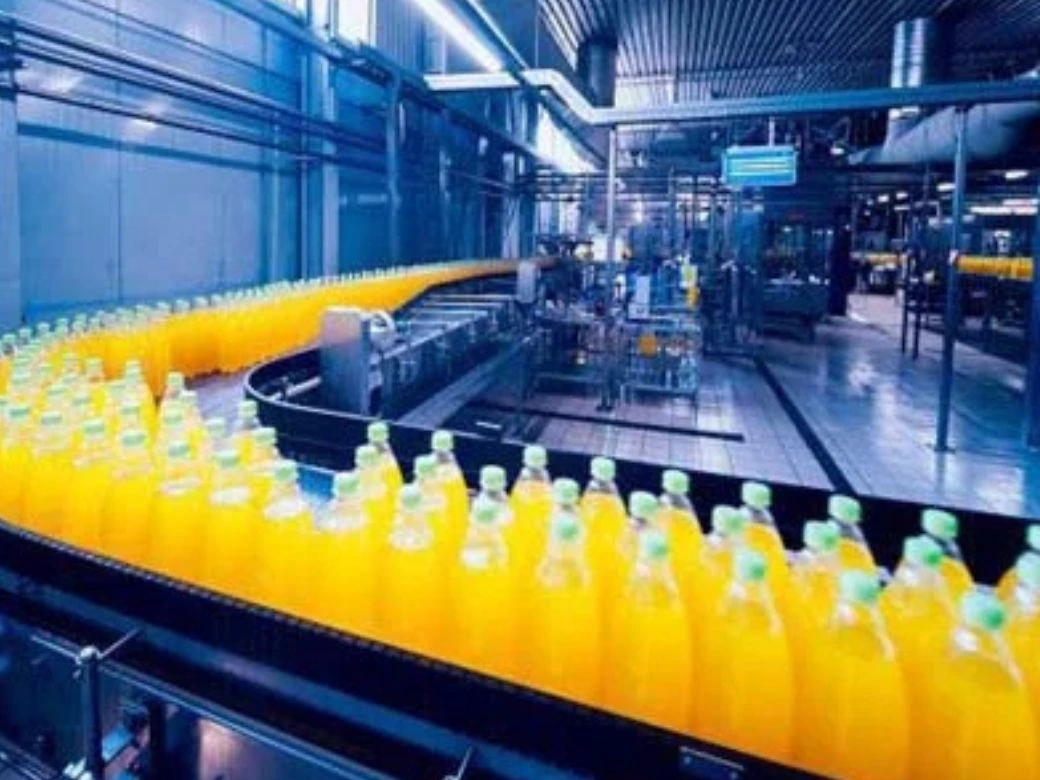
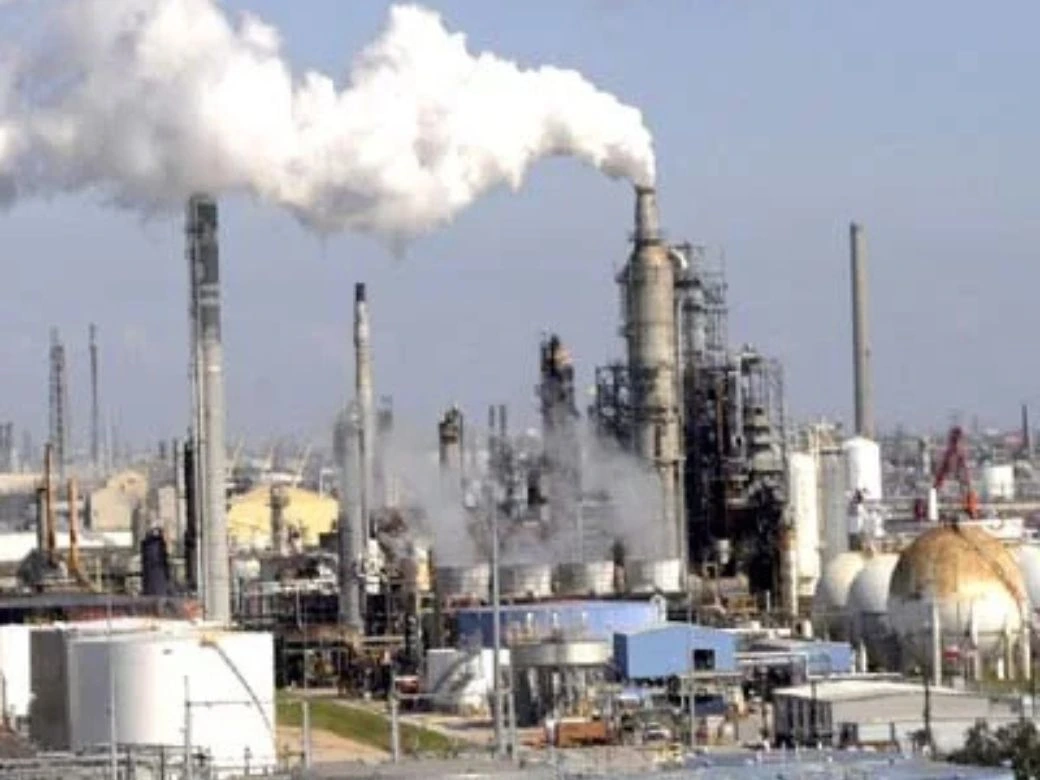
The five-phase SBR cycle works identically whether treating municipal sewage or industrial effluent, but industrial applications often need extended react times, co-substrate dosing, or pre-treatment for compounds that inhibit the biological community. For a project framed specifically around residential or institutional sewage treatment, our SBR-based STP solution page covers that context directly; for industrial effluent or standalone reactor procurement, this page covers the equipment itself.
SYSTEM CONFIGURATIONS
Types of Sequencing Batch Reactor (SBR) Manufacturer in India Configurations
Configurations selected to match your construction timeline, capacity, and operational redundancy needs.
RCC Epoxy-Lined Reactor Tank
Reinforced concrete with epoxy lining, the standard choice for permanent installations where long-term durability matters more than fast deployment timelines.
Prefabricated FRP / SS Reactor Tank
Prefabricated FRP or stainless steel tanks for faster installation timelines, suited to temporary installations or sites where civil construction is impractical.
Dual Reactor Configuration
Two parallel reactors operating in alternating cycles, ensuring continuous wastewater intake since one tank fills and reacts while the other settles and decants.
Multi-Reactor Configuration
Three or four reactor configuration for capacities above 500 KLD, providing operational flexibility and allowing one reactor offline for maintenance without disruption.
STEP-BY-STEP WORKFLOW
How the Sequencing Batch Reactor (SBR) Manufacturer in India Process Works
A five-phase batch cycle engineered for consistent BOD, TSS, and nitrogen removal.
01
Fill (1 to 2 hours)
Wastewater enters the reactor as static, mixed, or aerated fill, depending on whether nitrogen or phosphorus removal is targeted.
02
React (2 to 4 hours)
Blowers supply oxygen through fine bubble diffusers, with intermittent aeration creating alternating aerobic and anoxic conditions for BOD and nitrogen removal.
03
Settle (1 to 2 hours)
Aeration stops entirely and biomass settles under quiescent conditions, achieving cleaner separation than hydraulically disturbed conventional clarifiers.
04
Decant & Idle (1 to 2 hours)
A floating decanter withdraws clarified supernatant, followed by an idle phase for sludge wasting and reactor preparation for the next cycle.
COMMON INQUIRIES
Frequently Asked Questions
Q1. What is the difference between this SBR reactor page and your SBR sewage treatment plant page?
This page covers the Sequencing Batch Reactor equipment and technology in depth, for sewage and industrial applications, while our SBR STP page specifically compares SBR against other sewage treatment technologies for residential and institutional projects.
Q2. How long does one complete SBR cycle take?
A complete cycle, covering fill, react, settle, decant, and idle phases, typically takes 4 to 8 hours depending on wastewater characteristics and treatment targets.
Q3. How many reactor tanks does an SBR system need?
A minimum of two reactors operating in alternating cycles is required for continuous wastewater intake, with three or four reactors common above 500 KLD capacity for operational flexibility.
Q4. What blower type is used in an SBR reactor?
Regenerative blowers suit plants up to roughly 50 KLD, while rotary lobe positive displacement blowers are typically used for capacities of 100 KLD and above.
Q5. Can an SBR reactor treat industrial effluent as well as sewage?
Yes, the same five-phase cycle applies to industrial effluent, though high-strength or chemically complex wastewater often needs extended react times or pre-treatment to protect the biological community.
Q6. What happens to sludge generated in an SBR reactor?
Waste sludge is pumped to a sludge sump, thickened, and dewatered through a filter press or drying bed, typically producing a cake with 20 to 25 percent total solids suitable for agricultural reuse.
CATALOGUE
Related Engineering Products
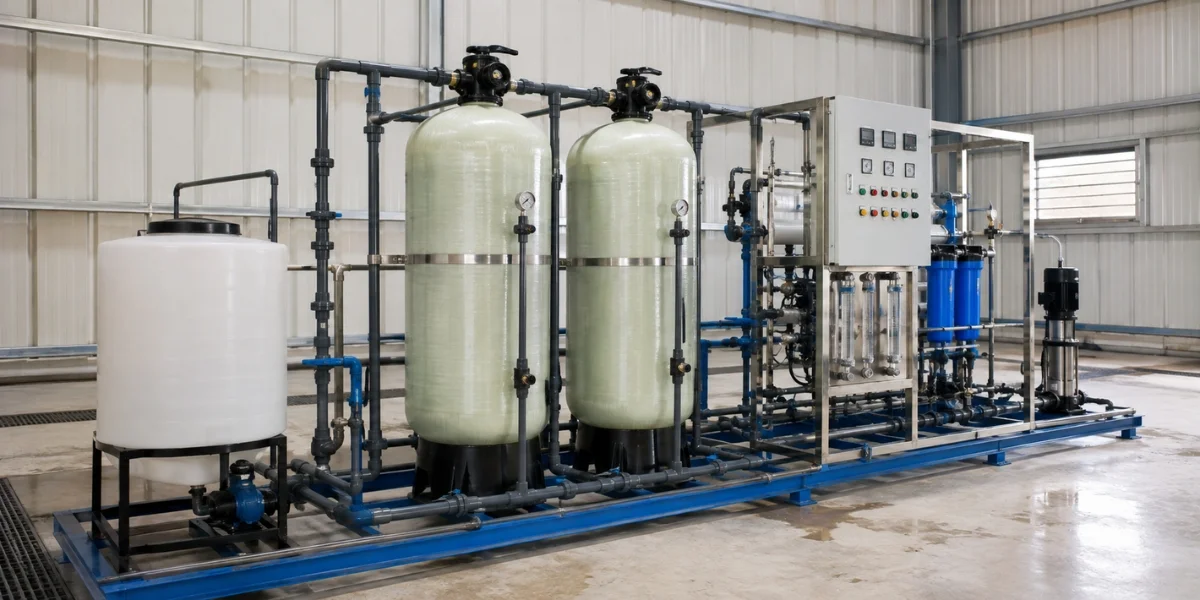
RO & Water Recycling Plant Manufacturer in India
Trity Environ Solutions manufactures RO and water recycling systems for industries and commercial facilities, engineered for reliable purity and reuse.
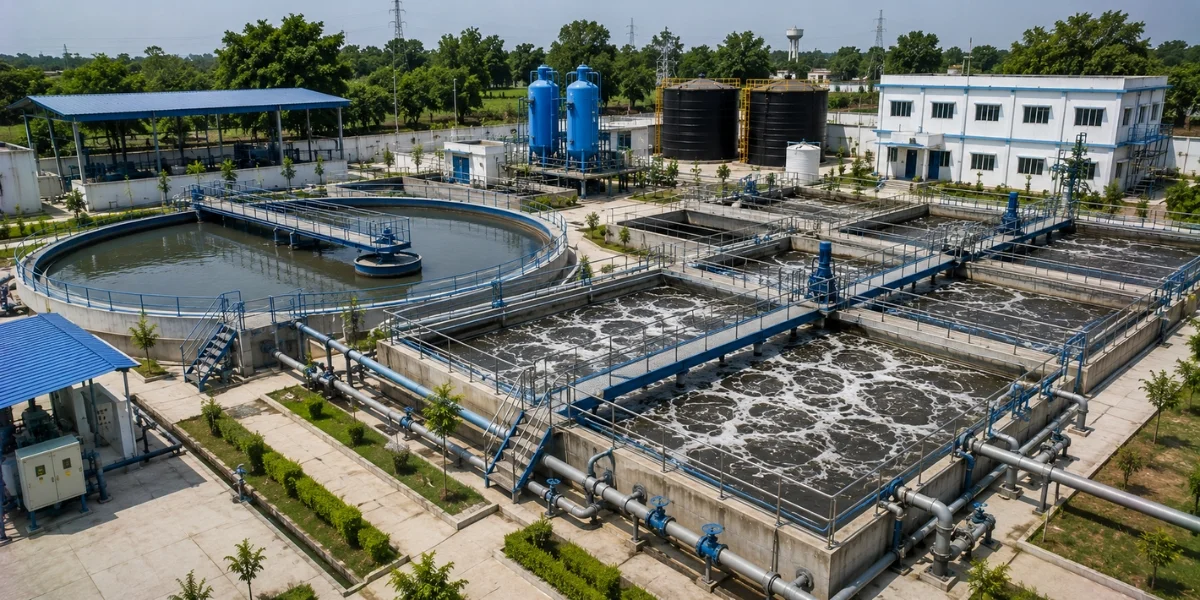
Tertiary Treatment Plant Manufacturer in India
Trity Environ Solutions manufactures tertiary treatment plants that polish treated water beyond secondary treatment, enabling genuine reuse and stricter discharge compliance.
Wastewater Recycling System Manufacturer in India
Trity Environ Solutions manufactures wastewater recycling systems using UF and RO technology, turning treated wastewater into reuse-grade water for cooling, flushing, and gardening.
PAN-INDIA CAPABILITIES
Regional Solutions & State Coverage
TECHNICAL KNOWLEDGE
Related Insights & Engineering Guides
PROVEN EXCELLENCE
Featured Turnkey Installations




Need a Custom Water or Wastewater Treatment Solution?
Our engineering team can help design the right system for your capacity, industry, and compliance requirements.