TRITY ENVIRO
WATER • WASTEWATER • RECYCLING

Why Is pH Control Crucial in ETP and STP Systems?

A treatment plant can have perfect equipment and still fail completely if pH drifts outside a fairly narrow window. Here's exactly why this one parameter carries so much weight.

Why Is pH Control Crucial in ETP and STP Systems?

Why pH Is the Parameter Everything Else Depends On

pH control sits at the foundation of both Effluent Treatment Plants (ETPs) and Sewage Treatment Plants (STPs), affecting nearly every downstream process rather than being one setting among many. Getting it wrong doesn't just cause one problem, it cascades into biological failure, chemical inefficiency, equipment damage, and regulatory non-compliance simultaneously.

Three consequences make pH control genuinely non-negotiable:

  • Regulatory compliance: Discharge norms set strict pH limits, and non-compliance carries real financial and legal penalties
  • Treatment efficiency: Coagulation, flocculation, and biological processes each have a specific pH range where they perform effectively
  • Equipment protection: Both corrosion (low pH) and scaling (high pH) directly damage plant infrastructure over time

Key Highlights / Table of Contents

  • The optimal range and what happens outside it
    • Biological treatment: the narrow window microbes need
    • Chemical treatment: pH-dependent reactions
  • Equipment and infrastructure risks
    • Corrosion at low pH
    • Scaling at high pH
  • How pH control actually works
    • Inline vs recirculating control
    • Common dosing chemicals
  • Where pH control happens in the treatment train
  • The cost of getting pH control wrong
  • Industry applications and practical use cases

The Optimal Range and What Happens Outside It

Biological Treatment: The Narrow Window Microbes Need

Most biological treatment processes require a pH range of 6.5 to 8.5 for optimal microbial performance:

  • Outside this range, microbial activity slows or stops entirely
  • Bacteria responsible for breaking down organic waste become less active as pH drifts further from this window
  • Cell walls weaken under pH stress, reducing the bacteria's ability to multiply and maintain the biomass population needed for treatment
  • The result of sustained pH excursion is incomplete treatment, not just reduced efficiency

Chemical Treatment: pH-Dependent Reactions

Beyond biology, several chemical treatment stages depend entirely on correct pH:

  • Coagulation and flocculation: Coagulants carry an electrical charge that depends on pH; outside the ideal range, they fail to properly destabilize and clump suspended particles
  • Metal precipitation: Heavy metals dissolve more readily at certain pH levels than others; adjusting pH to a specific set point forces dissolved metals to form solid particles that can be physically removed
  • Disinfection: Chlorine's effectiveness as a disinfectant drops significantly above pH 8.0, meaning pH control directly affects whether disinfection dosing actually works as intended

Equipment and Infrastructure Risks

Corrosion at Low pH

Acidic wastewater actively attacks metal infrastructure throughout the plant:

  • Pipes, pumps, valves, and reactors all corrode faster when exposed to consistently low pH water
  • Corrosion causes rust, pitting, and eventual leaks
  • The financial impact shows up as unplanned downtime and costly premature equipment replacement, not just a slow aesthetic decline

Scaling at High pH

Alkaline wastewater creates the opposite but equally damaging problem:

  • High pH promotes scaling and precipitation of solids within pipes and equipment
  • Scale buildup restricts flow, reduces heat transfer efficiency, and can eventually clog pipes and valves entirely
  • Certain alloys are also vulnerable to attack under alkaline conditions, not just under acidic ones

How pH Control Actually Works

Inline vs Recirculating Control

Two main measurement and dosing configurations are used in treatment plants:

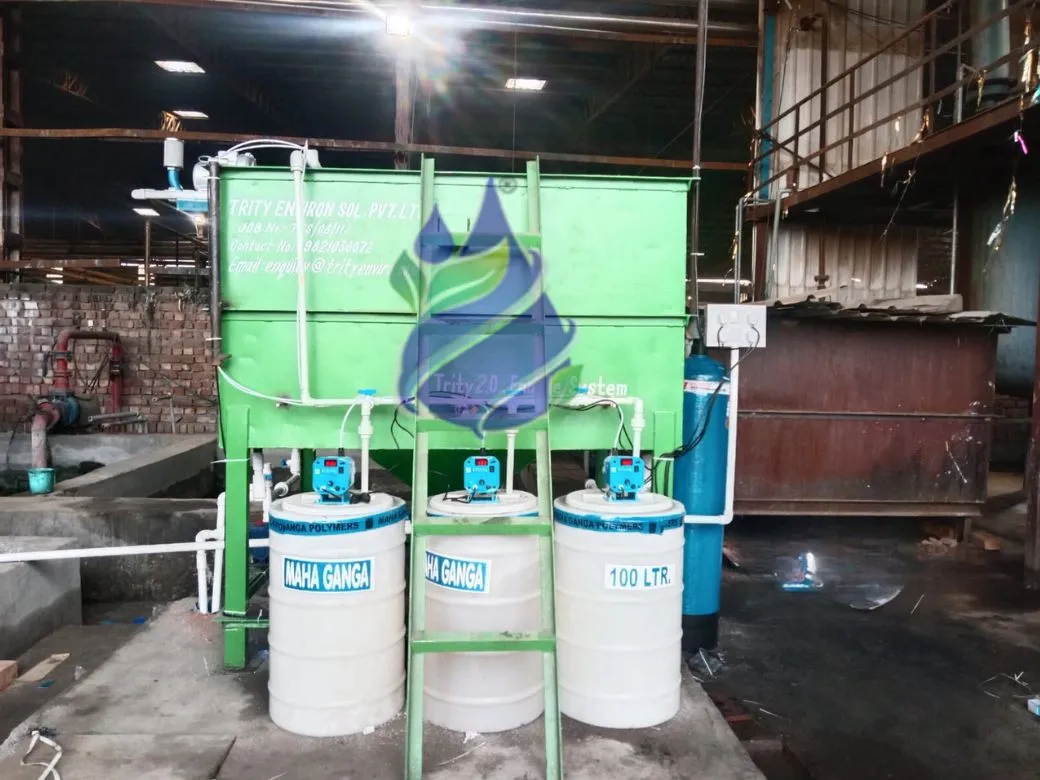
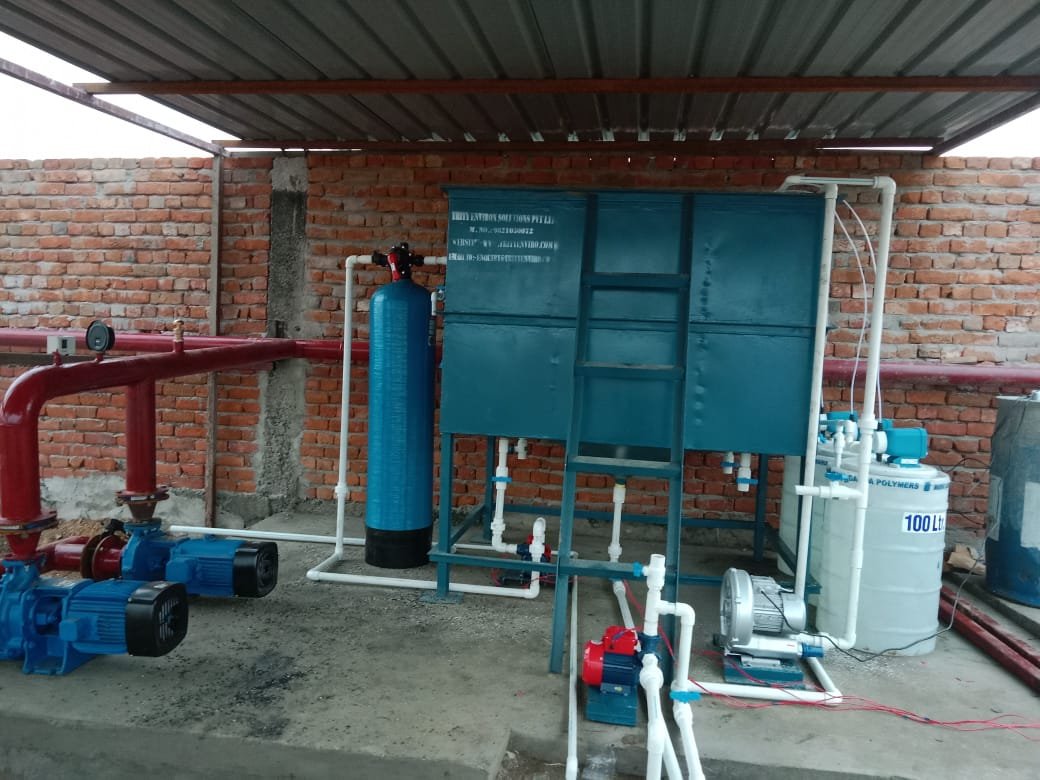
  • Inline pH control: A probe is inserted directly into a tank or pipe carrying the wastewater flow, with the controller adding chemicals directly to the solution based on the real-time reading
  • Recirculating pH control: Water is pumped out of a tank, through a measurement instrument, then back in; this approach reduces the risk of damaging sensitive probes and can improve reading accuracy since it examines water already in circulation

Common Dosing Chemicals

Different chemicals correct pH in different directions, and each needs careful dosing control:

  • To raise pH (correct acidity): Lime, caustic soda (sodium hydroxide), or aeration in some applications
  • To lower pH (correct alkalinity): Sulfuric acid, or carbon dioxide injection in specific applications
  • Buffer solutions: Used to stabilize pH and resist sudden shifts when acids or bases enter the system unexpectedly

Modern plants increasingly use continuous digital monitoring with sensors placed at strategic points, feeding real-time data to control systems so operators can spot drift and adjust dosing before it affects downstream treatment stages.

Where pH Control Happens in the Treatment Train

pH adjustment most commonly happens at the collection or equalization tank, the stage where incoming wastewater first accumulates before entering the main treatment process:

  • Incoming wastewater pH can vary widely depending on its source, particularly for industrial effluent
  • Correcting pH at this early stage protects every downstream biological and chemical process from receiving out-of-range water
  • Additional pH checkpoints are often placed before disinfection and before final discharge, since pH can shift again during treatment itself

Facilities receiving effluent from multiple sources, a mixed-use industrial park, for instance, face a particular challenge here, since the equalization tank needs to smooth out not just flow variation but genuinely different pH characteristics arriving at different times of day from different tenants. A tank sized purely for hydraulic buffering without adequate chemical buffering capacity can still let pH swings through to the biological stage even when the overall flow rate looks perfectly steady.

The Cost of Getting pH Control Wrong

Beyond the immediate treatment and equipment risks already covered, poor pH control compounds into broader financial consequences over time. A biological treatment stage repeatedly knocked out of balance by pH excursions takes days to weeks to recover full microbial activity each time, during which effluent quality suffers and non-compliance risk rises. Equipment replaced prematurely due to corrosion or scaling adds unplanned capital expense that a properly maintained dosing system would have avoided entirely. And facilities that treat pH monitoring as a periodic manual check rather than a continuous automated process tend to discover problems only after they've already caused downstream damage, turning a preventable dosing adjustment into a genuine repair bill.

Industry Applications / Use Cases

Context pH Risk Control Priority
Municipal STPs Biological treatment failure if pH drifts Equalization tank dosing, continuous monitoring
Chemical/pharma ETPs Highly variable influent pH Inline dosing with buffer capacity
Metal finishing ETPs Precipitation-dependent metal removal Precise pH set point control for target metal
Plants with aging pipework Corrosion or scaling damage Regular pH monitoring to protect infrastructure

Why Choose Trity Enviro

Trity Environ Solutions is an experienced ETP and STP manufacturer in India, and our engineering team designs pH monitoring and dosing systems as a core part of every treatment plant, not an afterthought bolted on later. As a trusted wastewater treatment plant manufacturer and supplier, we specify the right combination of inline sensors, dosing pumps, and buffer capacity based on your specific influent variability.

Every installation is backed by pan-India Annual Maintenance Contract and operation and maintenance support. We are ISO 9001:2015 certified, QCI approved, and deliver CPCB-compliant engineering nationwide.

Concerned your treatment plant's pH control isn't adequate for your influent variability?

Call +91-9821030072 or email enquiry@trityenviro.com, or request a free site assessment from our engineering team.

Request Free Technical Assessment →
Previous Article Next Article
TECHNICAL QUESTIONS

Frequently Asked Questions

Most biological treatment processes require a pH range of 6.5 to 8.5 for optimal microbial activity. Outside this range, bacteria responsible for breaking down organic waste become less active, leading to incomplete treatment.
Coagulants carry an electrical charge that depends on pH; outside the ideal range, they fail to properly destabilize and clump suspended particles together, reducing removal efficiency and increasing chemical cost.
Low pH (acidic) wastewater causes corrosion, attacking metal pipes, pumps, and valves, while high pH (alkaline) wastewater causes scaling, where solids precipitate and build up inside pipes and equipment, restricting flow.
Lime and caustic soda are commonly used to raise pH, while sulfuric acid is commonly used to lower it. Buffer solutions are also used to stabilize pH and resist sudden shifts from incoming acidic or alkaline discharge.
pH adjustment most commonly happens at the collection or equalization tank, the earliest stage where incoming wastewater accumulates, since correcting pH there protects every downstream biological and chemical treatment process.
KEEP READING

Related Technical Articles

View All Articles →
PROVEN EXPERIENCE

Featured Turnkey Installations

Need Expert Support for Your Water Treatment Project?

Discuss your requirements with our engineering team and get practical guidance for your project.


QCI Approved
seller
whatsapp-image