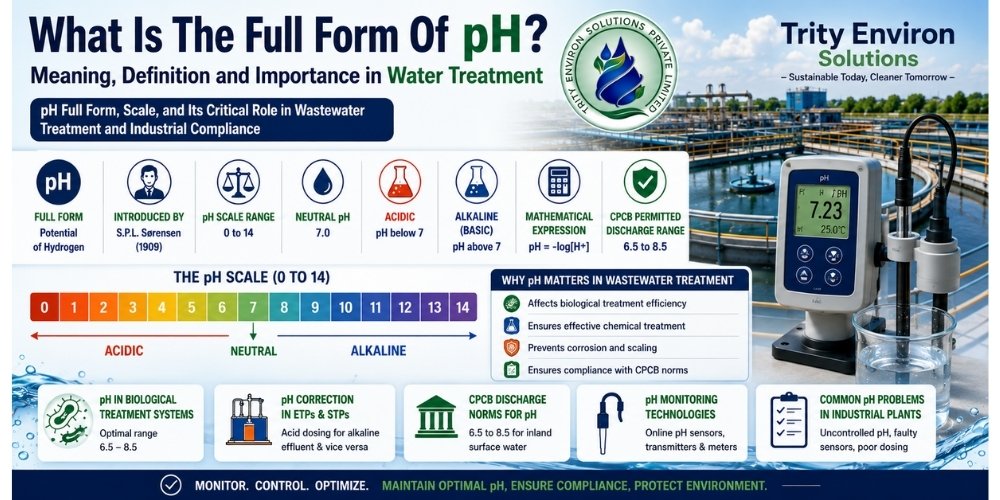
What Is The Full Form Of pH? Meaning, Definition and Importance in Water Treatment
The full form of pH is Potential of Hydrogen. Learn its meaning, scale, importance in wastewater treatment, CPCB pH norms, and pH correction in ETP and STP systems.

 ISO 9001:2015 & QCI Approved
Enhance sewage treatment with bioaugmentation. Improve pollutant removal, reduce toxic shock impact & boost system stability.
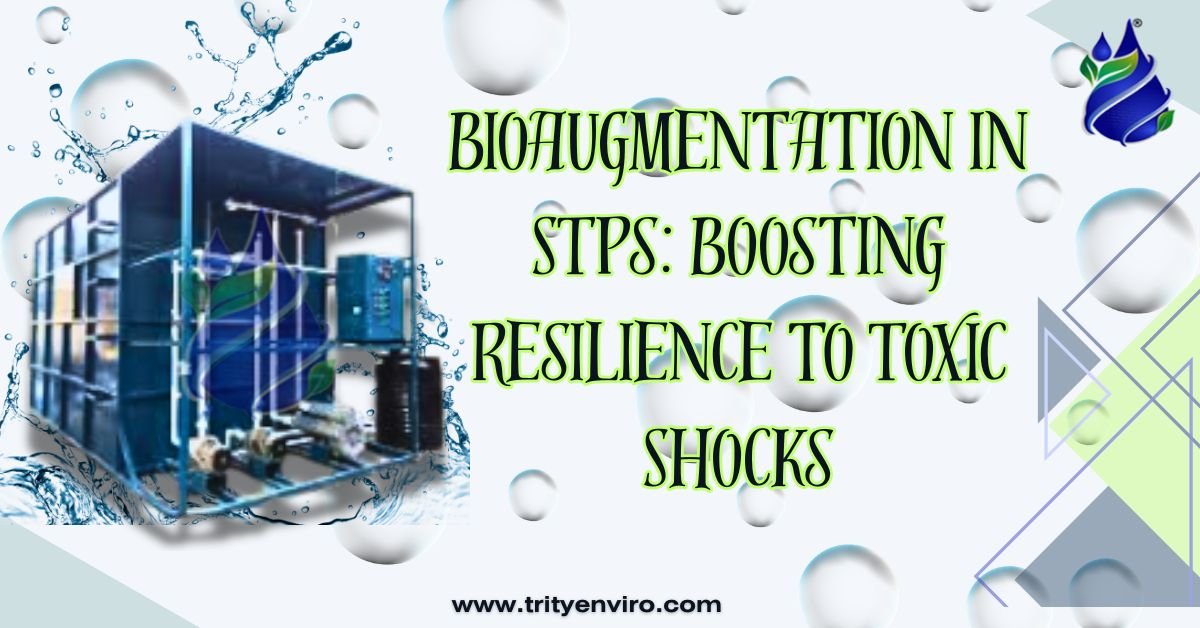
Bursts of chemical or organic substances in sewage lead to frequent disruptions in the operations of Sewage Treatment Plants (STPs). They damage the parts of the body that help to eliminate pollutants. Eventually, this makes proper wastewater treatment more difficult and leads to degraded environmental protection. The approach of bioaugmentation ensures stronger STPs during sudden changes and increases their ability to withstand such shocks.
In bioaugmentation, the correct microbes are mixed with an STP to aid in waste treatment. They increase the community’s ability to remove pollutants and fulfil any functions left by the native strains. It results in improved removal of contaminants, mainly during cases of operation under stress. First, the process requires understanding the features of the incoming water and finding out where the treatment is not effective.
For this reason, engineers develop bacteria cultures that can break down individual compounds. They interact with the system to support the body’s natural functions. By using bioaugmentation, the process remains reliable even when the load is fluctuating. It reduces the use of chemicals and also reduces the creation of sludge. Thanks to this biological factor, STPs can keep up with changes in treatment conditions.
1. Microbes used in bioaugmentation quickly adjust to exposure to chemicals and high levels of pollutants.
2. Rapidly, microbes settle in the treatment system and help to bring biological balance back after a shock.
3. When toxic shocks lower the variety of microbes, bioaugmentation helps to replace the lost strains.
4. The process speeds up the recovery of the environment by promoting biodegradation.
5. It keeps the system running even during sudden or long-term changes in operations and prevents incidents of effluent discharge.
6. Shock events do less damage over the long run due to bioaugmentation, thus saving the useful life of the equipment used in treatment.
Several microbes used in sewage treatment are selected for bioaugmentation based on their ability to break down specific pollutants and restore system balance.
1. Pseudomonas spp- They break down hydrocarbons, phenols and several other organic pollutants. They endure difficult weather and can adjust easily.
2. Bacillus spp- They add stability to the microbial community and promote better breakdown of natural waste.
3. Nitrosomonas and Nitrobacter- They help trigger the nitrification process. They change ammonia into nitrates to assist in getting rid of nitrogen waste.
4. Acinetobacter spp- Their presence helps phosphorus to be taken and removed in the water process.
5. Thiobacillus spp- They metabolize sulfur substances in the soil, making the air around plants smell better.
1. Enhanced Biological Stability- Using bioaugmentation, the community of microbes can handle shocks in the influent without disruption to the system.
2. Better Removal of Complex Pollutants- Different bacteria are able to deal with toxins and industrial wastes much better than most general bacteria.
3. Reduced Operational Downtime- With STPs, it is easy to restore their functions in case of toxic inputs, so release of unprocessed waste is unlikely.
4. Lower Chemical Dependency- Often, bioaugmentation in plants leads to less need for pH adjusters, coagulants and odor blockers.
5. Improved Effluent Quality- When the waste is processed biologically, the results always meet the tough environmental standards set by law.
6. Minimal Sludge Production- If microbes work efficiently, they break down most of the organic matter and decrease the remaining sludge.
Bioaugmentation should be set up and executed with thorough planning. To achieve the best results, operators should use various best practices:
1. Before using microbial strains, thoroughly inspect the influent and the wastewater system’s performance.
2. Opt for microbial treatment that works well with the plant’s rate of flow, the type of pollutants and the setting.
3. Allow your aquarium to get used to the microbes one step at a time.
4. In order to have a stable population of microbes, keep an eye on pH, temperature and oxygen in the water.
5. Don’t use chemicals or medications that can eliminate the microorganisms we want in the bioremediation.
6. Educate your gardeners on how to be safe around microbes and how to respond when biology in the systems changes.
Yet, problems do occur in the process. A number of plants are first rejected by native microbes. Some teams might not get the best results if the operating conditions are not favorable. It is important to assess the process often and make updates to the microbial culture when needed.
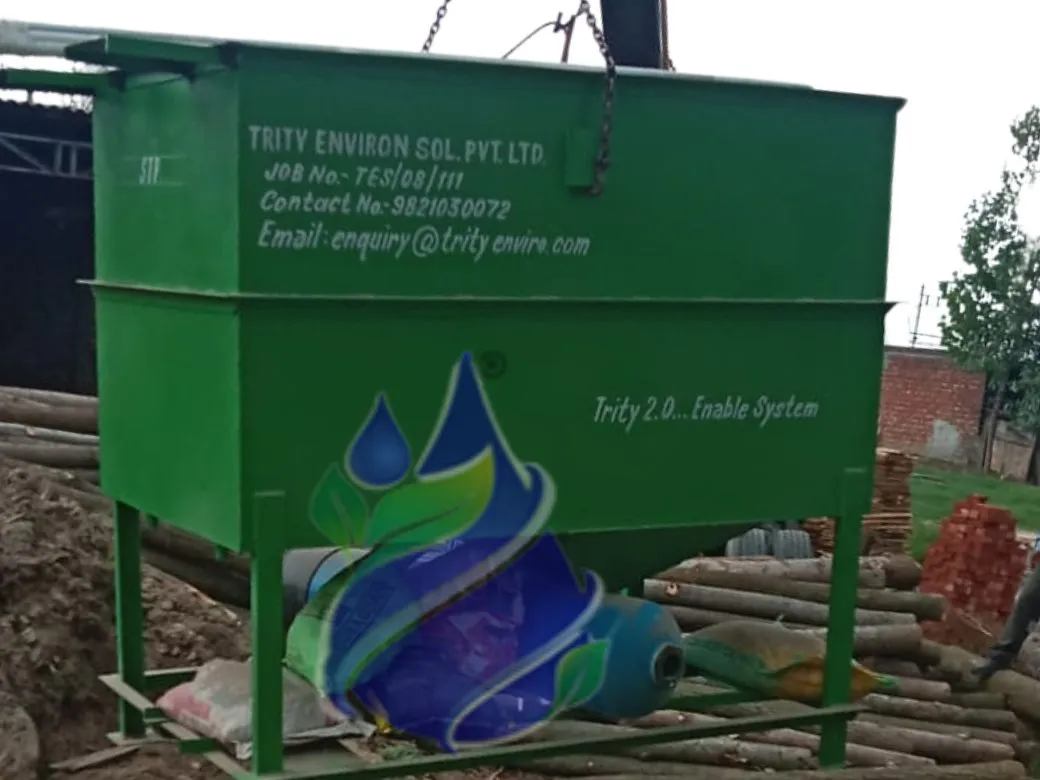
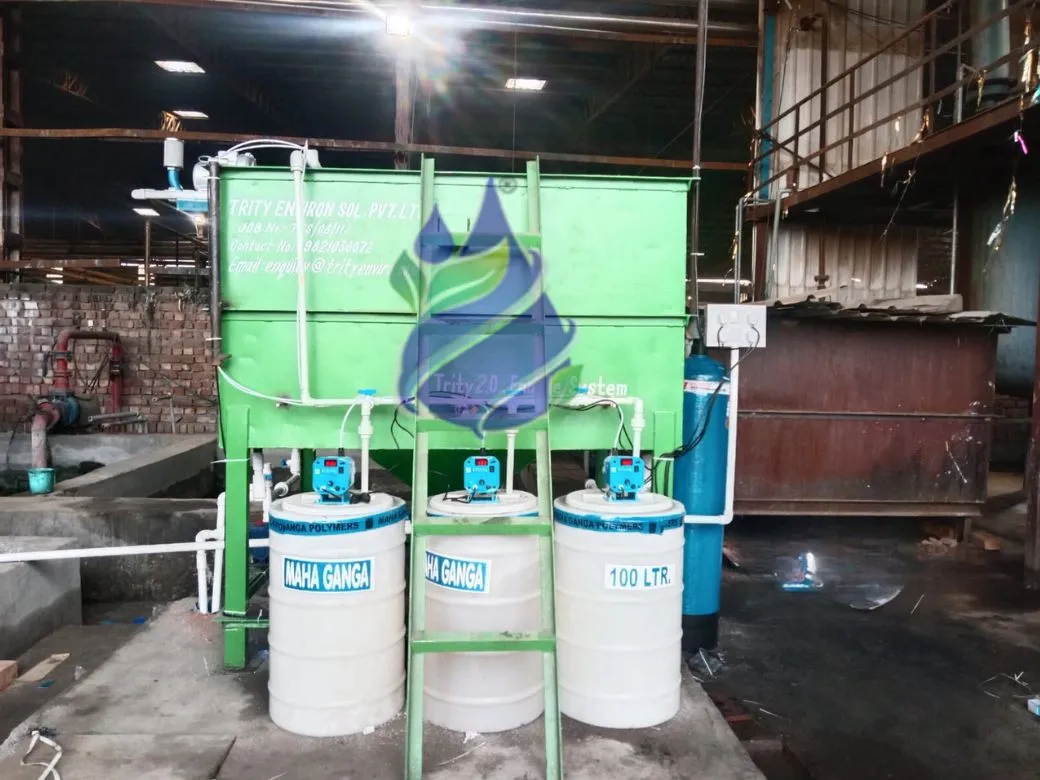
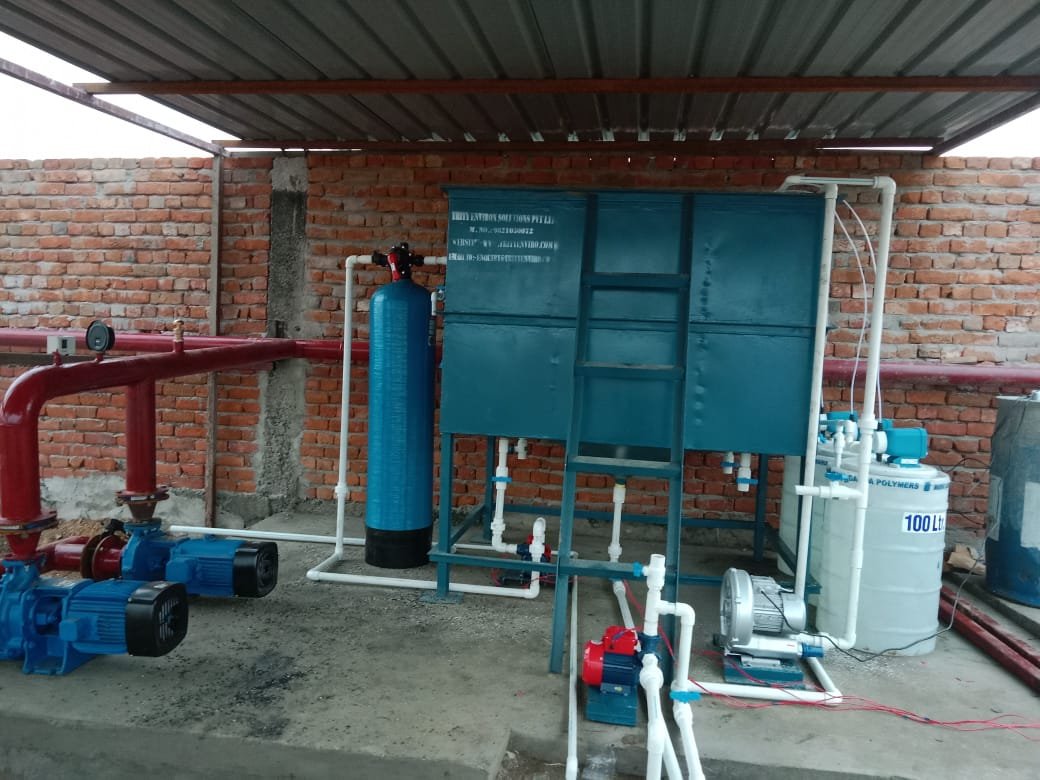
The company Trity Enviro Solution mainly focuses on producing Green STP Plants using modern engineering techniques as well as biological solutions. We prepare our low-impact and efficient systems for the needs in today’s cities and factories. We support clients by designing and guiding them in the application of bioaugmentation that fits their influent conditions. We select the best types of cultures, oversee their integration and help monitor performance. Trity works closely with clients to ensure that their treatment facilities meet the challenges of the future and operate smoothly. Because Trity provides special designs and support for plants, every STP is able to endure stresses and thrive in the future.
The full form of pH is Potential of Hydrogen. Learn its meaning, scale, importance in wastewater treatment, CPCB pH norms, and pH correction in ETP and STP systems.
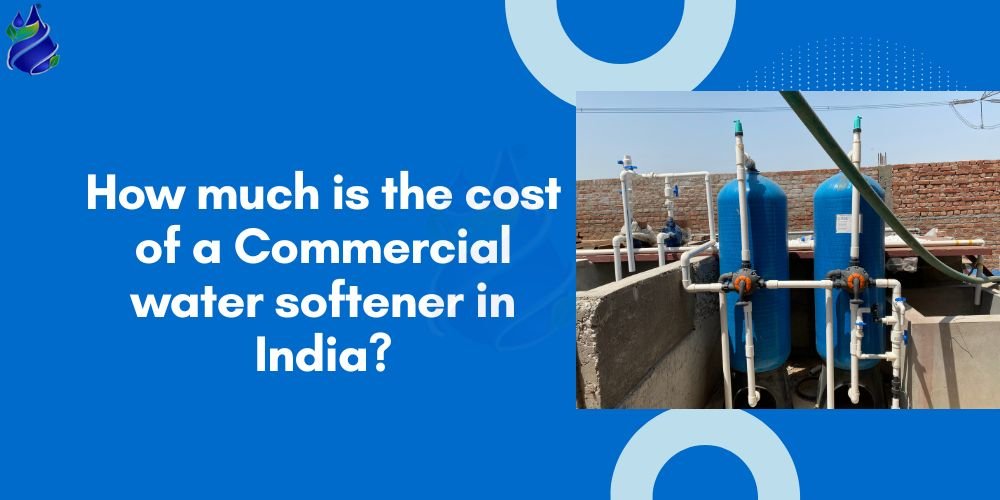
Real commercial water softener prices in India by capacity, salt-based vs salt-free systems, running cost, and the ROI case for equipment protection.
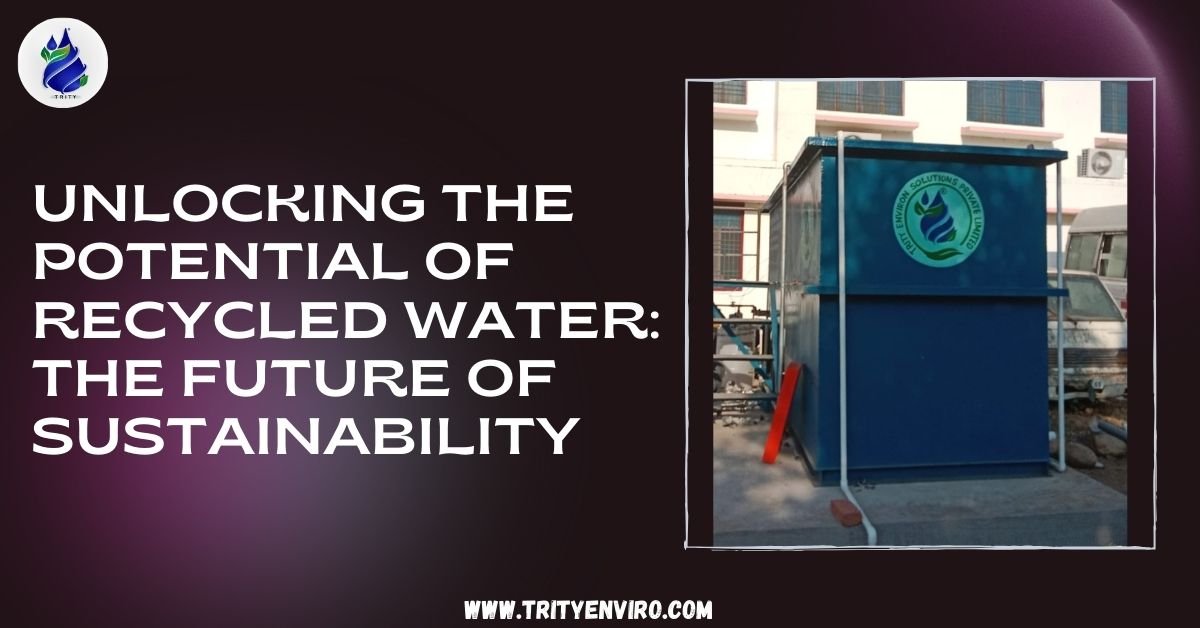
Discover the importance of recycled water for sustainability, addressing water scarcity, environmental protection, and economic growth through innovative technologies and practices.




Discuss your requirements with our engineering team and get practical guidance for your project.