Filter Press for Sludge Dewatering System

Trity Environ Solutions is a leading manufacturer of Filter Press for sludge dewatering in Delhi-NCR, delivering high-performance solid-liquid separation systems for ETP, STP, and industrial wastewater treatment applications across India.
| Material | : Mild Steel |
| Country of Origin | : Made in India |
| Filtration Capacity | : 2000-3000 litres/hr |
| Automation Grade | : Automatic |
| Usage/Application | : Industrial |
Introduction
Sludge dewatering is one of the most critical challenges faced by effluent treatment plants (ETPs), sewage treatment plants (STPs), and industrial facilities worldwide. Every day, thousands of facilities generate massive volumes of wastewater laden with suspended solids, contaminants, and organic matter. The process of separating these solids from water—known as sludge dewatering—is essential not just for environmental compliance, but for operational efficiency and cost management.
In India, with stringent regulations from the Central Pollution Control Board (CPCB) and State Pollution Control Boards (SPCBs), proper sludge treatment has become non-negotiable. This is where a filter press for sludge dewatering becomes indispensable. A sludge dewatering filter press is an industrial machine that transforms wet, voluminous sludge into compact, dry cakes reducing disposal costs dramatically while ensuring regulatory compliance.
At Trity Enviro Solutions, we understand the operational complexities of wastewater treatment. Our industrial filter press systems are engineered to deliver exceptional solid-liquid separation efficiency, lower operational costs, and reliable performance for years. Whether you operate an ETP/STP plant, textile facility, pharmaceutical unit, or chemical processing plant, our sludge dewatering equipment is designed to solve your toughest challenges.
What is a Filter Press?
A filter press is a solid-liquid separation system that uses hydraulic pressure and specialized filter media to separate suspended solids from liquid. In the context of wastewater treatment, it is one of the most effective and widely adopted solutions for sludge handling.
The technology behind a filter press is straightforward yet powerful. Sludge (a mixture of solids and water) is forced through a series of filter plates under high pressure. The liquid (filtrate) passes through the filter media and is collected, while solids accumulate on the filter plates, forming a compressed cake. This solid-liquid separation principle has proven highly effective across industries for over a century.
What makes the sludge dewatering filter press stand out among other dewatering solutions is its ability to achieve remarkable dryness levels—often 70-80% for municipal sludge and even higher for industrial applications. This efficiency translates directly into reduced waste volume, lower transportation costs, and easier final disposal or reuse. For industrial wastewater treatment solutions, especially in resource-constrained environments like India, this efficiency gain is invaluable.
How Filter Press Works in Sludge Dewatering System
Understanding the mechanics of a filter press helps you appreciate why it remains the preferred choice for sludge treatment systems. Let's break down the process into three key stages:
Step 1 – Sludge Feeding Process
The journey begins with the collection of wet sludge from your treatment basin or thickener. The sludge, typically containing 3-10% solids by weight, is pumped into the filter press chamber. Trity Enviro's systems feature precision-engineered feed mechanisms that ensure consistent, reliable sludge entry without clogging or pressure fluctuations. Our advanced control systems allow you to monitor and adjust feed rates in real-time, ensuring optimal performance regardless of sludge characteristics.
Step 2 – Filtration Under High Pressure
Once the sludge enters the filter press, the real work begins. The system's hydraulic mechanism generates tremendous pressure—typically between 16 to 25 bar, depending on your specific requirements. This pressure forces the sludge mixture against the filter plates and cloths. The filter media acts as a barrier, allowing water molecules to pass through while trapping solid particles. The high pressure filtration system ensures maximum solid-liquid separation efficiency, which is critical for achieving excellent cake dryness.
Our filter plates are manufactured from premium-grade polypropylene or stainless steel, ensuring durability and resistance to corrosion. The filter cloths are selected based on your specific sludge type, particle size, and desired cake dryness. This customization is what differentiates a quality industrial filter press system from generic solutions.
Step 3 – Cake Formation & Water Separation
As filtration progresses, a layer of concentrated solids—called the filter cake—builds up on the filter plates. Simultaneously, the clarified water (filtrate) flows out through the collection ports. When the filter chambers are completely filled (indicated by pressure rise or manual observation), the filtration cycle concludes. The hydraulic plates then release, allowing the operator to open the filter press and discharge the dry sludge cake.
This cake formation process is where the magic of sludge dewatering happens. The resulting dry sludge cake is compact, easy to handle, and ready for disposal or beneficial reuse. The filtrate water, now significantly cleaner, can be recycled back to your treatment plant or safely discharged, meeting environmental discharge standards.
Key Features of Trity Enviro Filter Press
Our commitment to excellence is reflected in every filter press we manufacture. Here's what sets our sludge dewatering machines apart:
Heavy-Duty Industrial Construction
Built for the demanding realities of industrial operations, our filter press systems feature robust frames, reinforced hydraulic components, and premium materials of construction. We use cast iron, stainless steel, or carbon steel depending on your application and corrosion profile. Every component is stress-tested to withstand years of continuous or intermittent operation. This durability isn't just about lasting longer—it's about protecting your investment and ensuring zero unexpected downtime during critical waste management cycles.
High Dewatering Efficiency
Efficiency is measured in results. Our systems consistently achieve outstanding cake dryness—typically 75-85% for municipal sludge and up to 90% for industrial sludge. This superior performance means less volume to transport, lower disposal fees, and in many cases, opportunities to reuse the dewatered sludge (for land application, composting, or energy recovery). The high solid-liquid separation efficiency also means cleaner filtrate water, reducing your treatment burden downstream.
Automation & Low Maintenance Design
Available in manual, semi-automatic, and fully automatic configurations, our filter press systems scale to match your operational needs and budget. Our semi-auto and fully automatic options feature PLC controls, pressure monitoring, cycle timers, and automated cake discharge systems. This reduces operator dependency, improves consistency, and minimizes labor costs. Additionally, our modular design and easily replaceable filter cloths keep maintenance straightforward and cost-effective.
Applications of Filter Press
The versatility of our industrial filter press system makes it suitable for diverse industries and applications:
Industrial Applications
- Textile Industries: Textile processing generates massive volumes of colored, chemical-laden wastewater. Our filter press effectively dehydrates textile sludge, separating dyes, chemical residues, and fibers from water. The result is significantly reduced waste volume and cleaner water suitable for discharge or recycling.
- Chemical & Pharmaceutical Manufacturing: These sectors produce complex sludges with varied particle sizes and compositions. Our customizable systems handle everything from fine precipitates to coarse slurries, ensuring consistent performance regardless of sludge characteristics.
- Food Processing & Beverage Units: Organic sludges from food processing require efficient dewatering. Our systems handle the variable nature of food waste sludge, maintaining high efficiency even with fluctuating feed composition.
- Mining & Mineral Processing: Mineral extraction and processing plants rely on our filter press systems for tailings dewatering, protecting groundwater and reducing environmental footprint.
Municipal & Environmental Applications
- Effluent Treatment Plants (ETP): ETPs treating mixed industrial effluents generate complex sludges. Our Effluent Treatment Plant solutions efficiently dehydrate these mixed sludges, making them suitable for landfill disposal or further processing.
- Sewage Treatment Plants (STP): Municipal sewage sludge from STPs is consistently handled by our systems. The high dryness achieved means less mass to transport to distant landfills, directly reducing municipal waste management costs. Our complete range of wastewater treatment plants includes solutions for municipal facilities of all sizes.
- Water Treatment Facilities: Residual sludges from clarification, coagulation, and advanced water treatment processes are effectively dehydrated by our systems, supporting clean water initiatives across India.
Benefits of Filter Press for Sludge Dewatering System
Cost Reduction in Sludge Disposal
One of the most immediate and measurable benefits is cost savings. Sludge disposal typically represents 40-60% of a wastewater treatment plant's operational budget. By reducing sludge volume through high-efficiency dewatering, you directly lower transportation, landfill, or incineration costs. A facility dewatering 100 tons of wet sludge daily could reduce disposal volume by 60-70%, translating to annual savings of hundreds of thousands of rupees. Over a filter press's 10-15 year lifespan, this represents truly significant financial benefit.
High Solid-Liquid Separation Efficiency
Superior separation efficiency means more than just drier sludge. It also means cleaner water. The clarified filtrate returning to your treatment system requires less additional processing, reducing chemical consumption and energy costs. Many facilities report 15-25% reductions in downstream treatment chemical requirements after installing efficient filter press systems. This efficiency also improves your facility's overall treatment capacity and resilience.
Environmental Compliance
Meeting CPCB and SPCB regulations is non-negotiable in today's operational environment. Our filter press systems help you achieve and maintain compliance with sludge disposal standards, discharge water quality requirements, and waste management regulations. Beyond regulatory compliance, proper sludge dewatering supports your facility's environmental stewardship goals and corporate sustainability objectives.
Filter Press vs Other Dewatering Systems
Understanding how our technology compares to alternatives helps you make informed decisions:
Belt Filter Press Comparison
- Belt Filter Press: Commonly used for lower-pressure applications, belt filter presses are continuous systems using two moving belts with filter media between them. They handle larger flow rates but typically achieve 55-70% cake dryness.
- Trity Enviro Filter Press: Our batch-type systems achieve 75-85% dryness, producing significantly drier cake. While belt presses excel at high throughput, our systems excel at solids recovery and cake quality. Our systems also require less chemical conditioning in many applications, reducing operational costs.
- Maintenance & Cost: Belt presses require frequent belt replacement and regular cleaning to prevent blinding. Our filter cloths are more durable and cost-effective to maintain. For facilities prioritizing dryness and cost-per-ton-processed, our filter press system typically offers superior economics.
Centrifuge System Comparison
- Centrifuge: Decanter centrifuges achieve high throughput and can handle difficult sludges. However, they consume substantially more energy (3-5 times more than filter presses), generate significant operational noise, produce lower cake dryness (60-75%), and involve higher capital investment.
- Trity Enviro Filter Press: Lower energy consumption, quieter operation, superior cake dryness, and significantly lower capital cost make our systems more economical for most applications. Centrifuges excel in specific high-flow scenarios, but for general industrial and municipal applications, our filter press delivers superior cost-benefit.
Why Choose Trity Enviro Solutions
Selecting a filter press supplier isn't just about purchasing equipment—it's about partnering with experts who understand your challenges and support your success:
Engineering Expertise: Our team brings decades of combined experience in wastewater treatment and sludge handling. We don't just manufacture filter presses; we engineer customized solutions based on your specific sludge characteristics, treatment objectives, and operational constraints.
Custom-Built Industrial Systems: Every facility is unique. We design and build systems tailored to your requirements—whether you need a compact manual press for a small ETP or a fully automated system for a large municipal treatment facility. Our flexibility ensures you get exactly what you need, not a generic off-the-shelf solution.
Proven Experience in Wastewater Treatment: We've successfully delivered filter press systems to hundreds of facilities across India. From textile clusters to pharmaceutical parks, from municipal authorities to chemical manufacturers, our track record speaks to our capability and reliability. Learn more about our ETP/STP systems and see how we've solved similar challenges.
Comprehensive After-Sales Support: Equipment installation is just the beginning. We provide operator training, regular maintenance support, spare parts availability, and technical consultation to ensure your system continues performing optimally throughout its lifespan. Our Operation & Maintenance services keep your system running smoothly throughout its lifespan. Our support team is just a call away when you need guidance.
Trusted Filter Press Manufacturer in India: In an industry where reliability and compliance matter, Trity Enviro has built a reputation for honest, dependable service. Our certifications, customer testimonials, and case studies reflect our commitment to quality and customer success.
Technical Specifications
Our filter press portfolio serves facilities of all sizes. Here's a quick overview of typical specifications:
| Specification | Details |
|---|---|
| Plate Size Range | 315mm × 315mm to 1500mm × 1500mm |
| Pressure Capacity | 16 to 25 bar (customizable up to 30 bar) |
| Material of Construction | Cast iron frame, Polypropylene or SS filter plates, Stainless steel hydraulic components |
| Automation Level | Manual, Semi-Automatic, Fully Automatic with PLC |
| Capacity Range | 50 to 500+ liters per cycle (depending on sludge type and cycle duration) |
| Power Requirement | 0.5 to 5 kW (depending on system size) |
| Cycle Time | 20 to 60 minutes (depending on sludge and pressure) |
For detailed specifications suited to your exact requirements, contact us for custom industrial solutions.
Conclusion – Reliable Sludge Dewatering Solution
Sludge dewatering is not optional—it's essential for operational efficiency, environmental responsibility, and regulatory compliance. A sludge dewatering filter press from Trity Enviro Solutions delivers proven performance, remarkable cake dryness, and substantial cost savings. Whether you operate a small ETP or a large municipal treatment facility, our industrial filter press systems are engineered to solve your toughest challenges.
Our expertise, custom engineering, quality construction, and dedicated support make us the trusted choice for facilities across India. We don't just sell equipment; we partner with you to optimize your waste management operations.
Contact Trity Enviro Solutions today for high-performance sludge dewatering filter press systems tailored for your industry. Let our experts assess your specific requirements and design the perfect solution for your facility. Call us at +91-9821030072 or email enquiry@trityenviro.com to discuss your sludge handling challenges.
Related Products
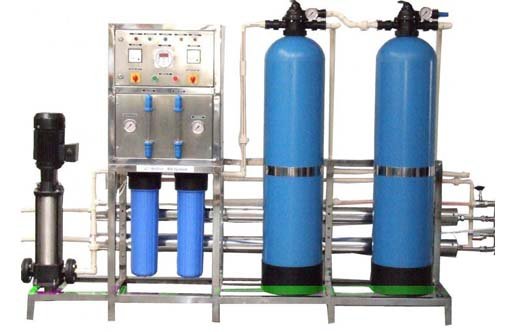
Commercial RO Plant Manufacturer and Supplier in India – Trity Enviro Solutions
We are Industrial RO Plant Manufacturer in Delhi/NCR, Best Commercial RO Plant...
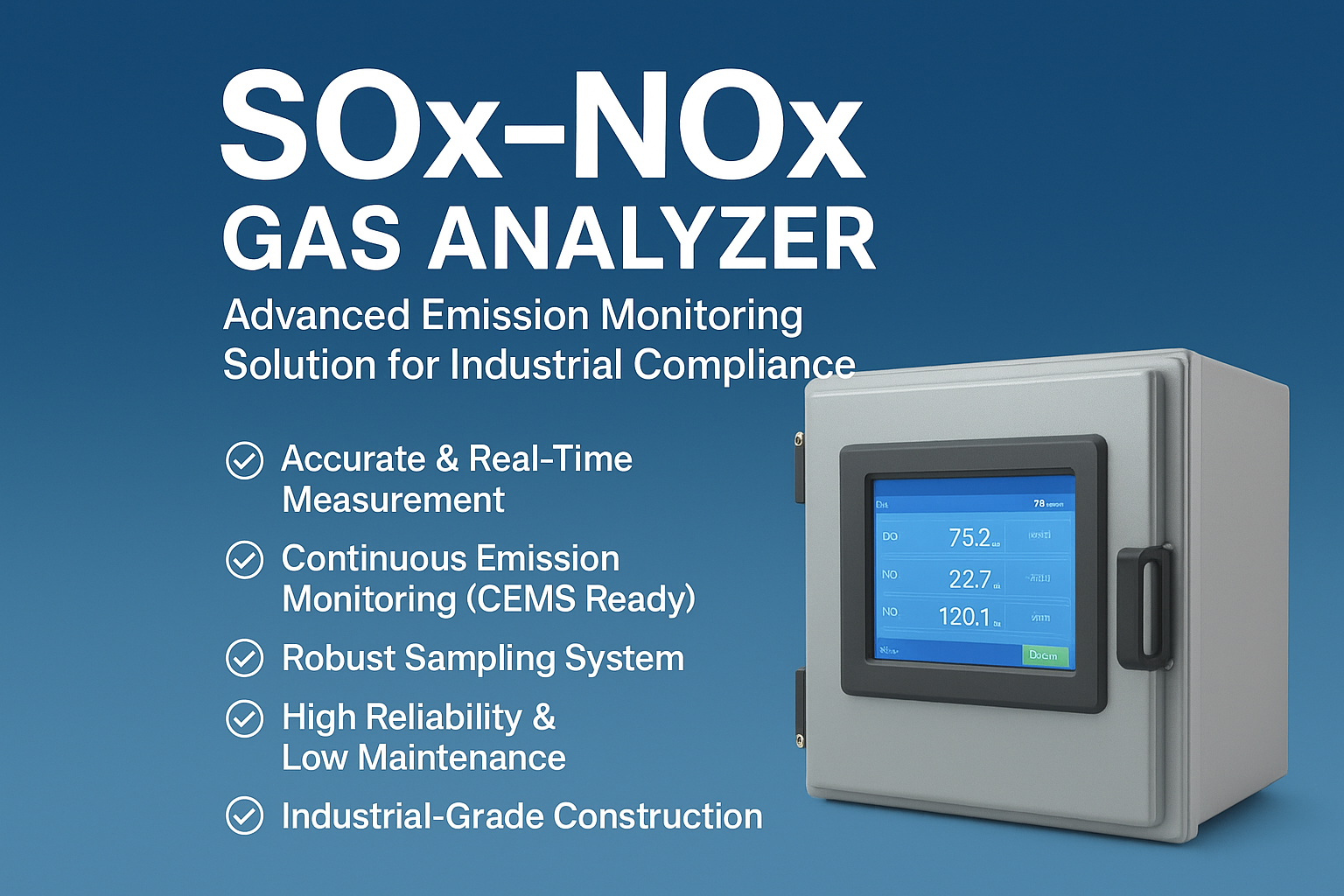
Sox Nox Gas Analyzer Supplier in Ghaziabad India
High-precision SOx–NOx Gas Analyzer designed for continuous emission monitoring with accurate SO₂ and NOx measurement for industrial compliance.
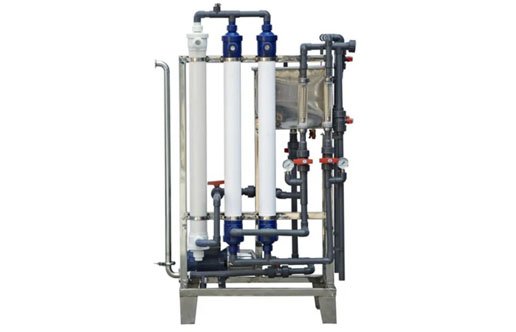
Ultra Filtration System Manufacturers
Ultra filtration systems use advanced membrane technology to remove suspended solids, bacteria, and fine particles from water. These systems help improve water quality for treatment plants, commercial facilities, and process applications.

Efficient Grey Water Treatment Plants for Water Recycling in India
Are you looking for a greywater treatment plant manufacturer in India? Trity Enviro offers top quali...

Tube Settler Media Manufacturer
Trity Environ is one of the best tube settler media manufacturers and suppliers in India. We have in...
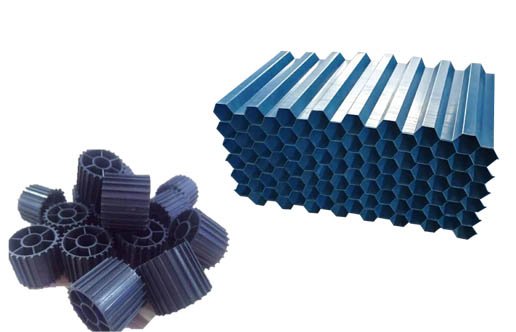
MBBR Media Manufacturer for Wastewater Treatment Systems
We are the best manufacturers and suppliers of MBBR Media in India. Moving bed biofilm reactor manuf...

STP and ETP Plant Manufacturer in Haridwar
Trity Environ Solutions manufacturers and suppliers of STP and ETP Plant in Haridwar. Sewage Treatment...
Wastewater Treatment Plant Manufacturer
Trity Environ Solutions is Best Wastewater Treatment Plant Manufacturer and supplier in India. For M...

Water Softener Plant Manufacturers
Water Softener Plant Manufacturers
STP and ETP Plant Manufacturer in Shimla
Trity Environ Solutions manufacturers and suppliers of STP and ETP Plant Manufacturer in Shimla. Sewage Treatment...