Water Softener Plant Manufacturers in India
Industrial Water Softener Plant Manufacturer in India providing advanced hard water treatment solutions for boilers, cooling towers, manufacturing units, hotels, hospitals, and commercial facilities.
Get a Free QuoteWater Softener System Manufacturers in India
Hard water is one of the most overlooked operational problems in Indian industries. High concentrations of calcium and magnesium ions in water cause limescale buildup inside boilers, heat exchangers, cooling towers, piping networks, and processing equipment. The results are predictable: higher energy consumption, frequent breakdowns, reduced equipment lifespan, and increased maintenance expenditure.
Industries across India, from pharmaceutical units in Baddi to textile mills in Surat, from food processing plants in Pune to hospitals in Delhi NCR, deal with hard water on a daily basis. A properly designed water softener plant eliminates these problems by converting hard water into soft water through a controlled ion exchange process.
Trity Environ Solutions is a trusted water softener plant manufacturer in India, supplying automatic and semi-automatic water softening systems for industrial, commercial, and institutional applications across PAN India. Our plants are custom-engineered based on your raw water quality, flow rate requirements, and industry-specific performance standards.
What Is a Water Softener Plant?
A water softening plant is a water treatment system that removes hardness-causing minerals, primarily calcium (Ca²+) and magnesium (Mg²+) ions, from raw water and replaces them with sodium ions through an ion exchange process.
The result is soft water with significantly reduced total hardness, typically measured in ppm (parts per million) or mg/L as CaCO₃. Soft water is safe for use in boilers, heat exchangers, cooling towers, reverse osmosis pre-treatment, process water, steam generation, and utilities across industries.
An industrial water softener plant is a scaled, robust version of this technology built to handle continuous, high-volume operations without performance compromise.
How Does a Water Softener Plant Work?
The working principle of a water softening system is based on the cation exchange process, where resin beads exchange hardness ions in water for sodium ions.
Ion Exchange Process
Hard water enters the pressure vessel and flows through a bed of cation exchange resin. The resin is charged with sodium ions. As hard water passes through, calcium and magnesium ions in the water are attracted to the resin and bind to it, releasing sodium ions into the water in exchange.
Resin Bed Operation
The resin bed has a finite exchange capacity. Once the resin becomes saturated with calcium and magnesium ions, it can no longer soften water effectively. This point is called the breakthrough point, and the system must undergo regeneration before resuming operation.
Regeneration Cycle
During regeneration, a sodium chloride (NaCl) brine solution is passed through the exhausted resin bed. The high concentration of sodium ions displaces the trapped calcium and magnesium ions from the resin, restoring its exchange capacity. The displaced hardness ions are then flushed out of the system as wastewater.
Salt Regeneration Process
The regeneration cycle typically includes four stages:
- Backwash – Loosens and cleans the resin bed
- Brine Draw – Saturated salt solution is drawn into the vessel
- Slow Rinse – Brine is slowly rinsed through the resin
- Fast Rinse – Final rinse to remove residual brine before the next service cycle
In fully automatic water softener plants, this entire process is timer or meter-controlled and requires minimal operator involvement.
Components of an Industrial Water Softener Plant
A well-designed industrial water softener system consists of the following key components:
- Pressure Vessel (FRP or MS Rubber-Lined) – The primary tank housing the resin bed; material selection depends on capacity and operating conditions
- Cation Exchange Resin – High-quality strong acid cation (SAC) resin with high exchange capacity and long service life
- Multiport Control Valve (Manual / Automatic) – Controls the flow direction during service, backwash, regeneration, and rinse cycles
- Brine Tank – Stores saturated NaCl solution used for resin regeneration
- Distributor System – Ensures uniform water distribution across the resin bed for efficient softening
- Inlet and Outlet Piping with Valves – Stainless steel or UPVC piping depending on application
- Pressure Gauges and Flow Meters – For real-time monitoring of operating conditions
- Control Panel (for automatic units) – PLC or timer-based automation for fully automatic operation
Benefits of Installing a Water Softener Plant
Installing an industrial water softener plant delivers measurable benefits across operations:
- Scale Prevention – Eliminates limescale buildup in boilers, pipes, and heat exchangers that restricts flow and reduces heat transfer efficiency
- Energy Savings – Scale deposits as thin as 1.5 mm can increase boiler fuel consumption by up to 15%. Soft water keeps heat transfer surfaces clean
- Reduced Maintenance Costs – Fewer descaling operations, reduced chemical treatments, and lower frequency of equipment servicing
- Equipment Protection – Extends the working life of boilers, cooling towers, washing machines, heat exchangers, and RO membranes
- Better Process Performance – Soft water improves consistency in dyeing, steam generation, pharmaceutical manufacturing, and food processing
- RO Membrane Protection – Soft water as RO feed water prevents scaling on membranes, improving performance and reducing replacement frequency
- Improved Utility Efficiency – Cooling towers and HVAC systems operate more efficiently with reduced blowdown frequency
- Longer Equipment Life – Protecting capital assets from hard water damage reduces capital expenditure on premature replacements
For industries that also require treated wastewater management, Trity Environ Solutions offers integrated effluent treatment plant solutions alongside water softening systems.
Industrial Applications of Water Softener Plants
Pharmaceutical Industry
Pharmaceutical manufacturing requires water of defined quality at every stage. Hard water interferes with purified water (PW) and water for injection (WFI) production systems. A water softener plant for pharmaceutical industry is used as pre-treatment before RO, EDI, and distillation systems to prevent membrane fouling and ensure consistent water quality for formulation, cleaning, and equipment washing.
Textile Industry
Textile dyeing and finishing demand soft water for uniform color uptake and fabric quality. Hard water reacts with dyes and finishing chemicals, causing uneven dyeing, color inconsistency, and fabric damage. A water softener plant for textile industry is essential for dyeing machines, washing machines, and steam generation systems.
Food and Beverage Industry
Soft water is critical for beverage formulation, cooking processes, boiler feed, and equipment cleaning in the food processing sector. Hard water affects taste, product consistency, and equipment cleanliness. Water softening ensures food-grade water quality and protects processing equipment.
Hotels
Hotels require soft water for laundry operations, kitchen equipment, HVAC systems, and guest bathrooms. Hard water causes scale deposits on plumbing fixtures, glassware spotting, and early failure of washing machines and boilers. A commercial water softener plant protects hotel infrastructure and improves the quality of guest services.
Hospitals
Hospitals use large volumes of water in sterilization, laundry, HVAC, and central kitchens. Hard water can compromise sterilization outcomes and damage autoclaves. An industrial water softener system ensures reliable soft water supply for hospital utilities.
Power Plants
Boiler feed water in power plants requires zero or near-zero hardness. Even trace hardness causes scale on boiler tubes, reducing heat transfer and creating dangerous hot spots. Water softener plants for boiler feed water are a standard requirement in captive power plants and utility boilers.
Manufacturing Units
General manufacturing facilities use soft water for cooling towers, compressor cooling, washing processes, and steam utilities. A water softener plant for cooling tower applications significantly reduces blowdown frequency and chemical treatment costs.
Commercial Buildings
Large commercial complexes use water softening to protect plumbing infrastructure, cooling towers, and centralized air conditioning systems from scale damage.
Educational Institutions
Universities, hostels, and campus infrastructure benefit from water softening to protect kitchen equipment, laundry facilities, and utility boilers.
Technical Specifications of Water Softener Plants
| Parameter | Specification |
|---|---|
| Capacity | 500 LPH to 500 KLD (customized as per requirement) |
| Flow Rate | Based on peak demand and daily consumption |
| Resin Type | Strong Acid Cation (SAC) Exchange Resin |
| Vessel Material | FRP / MS Rubber-Lined / SS 304 / SS 316 |
| Operating Pressure | 2.5 to 4.0 kg/cm² |
| Operating Temperature | 5°C to 45°C |
| Inlet Hardness | Up to 1500 ppm as CaCO₃ |
| Outlet Hardness | Less than 5 ppm as CaCO₃ (near zero) |
| Automation Level | Manual / Semi-Automatic / Fully Automatic |
| Regeneration Method | Co-current / Counter-current brine regeneration |
| Salt Consumption | 80 to 120 grams per liter of resin per regeneration cycle |
| Power Requirement | 0.5 to 2.5 kW depending on automation and capacity |
| Regenerant | Food-grade Sodium Chloride (NaCl) |
| Control Valve | Multiport valve – Manual, Time-clock, or Meter-initiated |
Types of Water Softener Plants
Manual Water Softener Plant
The operator manually initiates each stage of the regeneration cycle. These are suitable for smaller capacities and applications where continuous soft water supply is not critical. Low capital cost and simple operation make them appropriate for small factories, guest houses, and light commercial use.
Semi-Automatic Water Softener Plant
The regeneration steps are semi-automated. The operator initiates the cycle with a push of a button, and the control valve automatically advances through backwash, brine draw, and rinse stages. These offer a balance between cost and convenience.
Fully Automatic Water Softener Plant
These plants operate with minimal human intervention. A timer-based or meter-initiated control valve automatically triggers regeneration based on volume processed or time elapsed. Fully automatic systems are the preferred choice for industrial and commercial applications requiring consistent soft water round the clock. They are also available in duplex configuration for uninterrupted supply.
Twin Bed Water Softener Plant
Also called a duplex softener, this configuration uses two vessels operating alternately. While one vessel is in service, the other undergoes regeneration. This ensures a 24-hour continuous soft water supply without any interruption, which is critical for pharmaceutical, hospital, and power plant applications.
Industrial Water Softener System
These are heavy-duty, high-capacity systems designed for capacities above 50 KLD, built with industrial-grade components, automation, and inlet/outlet quality monitoring. These are used in large manufacturing plants, power stations, and large hospitality or healthcare complexes.
Water Softener Plant Selection Criteria
Choosing the right water softening plant requires a technical evaluation of several factors:
- Raw Water Quality – A complete water quality analysis (hardness, TDS, iron, pH, turbidity) is essential before plant sizing
- Hardness Level – Higher inlet hardness levels require larger resin volumes or more frequent regeneration cycles
- Flow Rate Requirement – Peak flow demand determines vessel sizing and whether a duplex system is necessary
- Continuous vs. Intermittent Demand – Industries needing 24-hour soft water supply require twin bed or duplex configurations
- Space Availability – Compact skid-mounted designs are available for installations with space constraints
- Automation Requirement – Facilities with limited operator supervision should opt for fully automatic systems
- Material of Construction – Corrosive environments or high-temperature applications may require SS vessels
- Future Expansion Needs – Modular designs allow easy capacity addition as plant demand grows
Our technical team at Trity Environ Solutions conducts a site assessment and water quality analysis before recommending the appropriate industrial water softener plant configuration.
Why Choose Trity Environ Solutions?
Trity Environ Solutions is an established water softener plant manufacturer and supplier in India with a strong track record in industrial water treatment. Here is why industries across India choose us:
- Custom Engineering – Every plant is designed based on your specific water quality, capacity, and application requirements. No off-the-shelf, one-size-fits-all solutions
- PAN India Supply and Installation – We supply and install water softener plants across all major industrial states including UP, Haryana, Rajasthan, Maharashtra, Gujarat, Madhya Pradesh, Punjab, and more
- Quality Components – We use tested resin media, high-grade FRP/MS vessels, and reliable multiport valves from reputed brands
- Experienced Technical Team – Our engineers bring hands-on experience in designing and commissioning water treatment systems for diverse industries
- End-to-End Project Execution – From design and fabrication to installation, commissioning, and operator training, we manage the complete project
- After-Sales Service – We provide operation and maintenance services including resin replacement, valve servicing, and performance monitoring
- Annual Maintenance Contracts – Our annual maintenance contract services ensure long-term plant reliability at predictable costs
- Competitive Pricing – Transparent pricing with no hidden costs; multiple configuration options to fit different budgets
As a recognized wastewater treatment plant manufacturer, we bring the same engineering discipline and quality standards to every water softener plant we build.
Industries We Serve
Trity Environ Solutions supplies water softener plants across a wide range of industries:
- Pharmaceutical and API manufacturing units
- Textile dyeing and processing mills
- Food and beverage processing plants
- Hotels and hospitality chains
- Hospitals and healthcare facilities
- Power plants and captive power utilities
- Automobile and engineering manufacturing units
- Chemical and petrochemical plants
- Educational institutions and campus facilities
- Government and public sector infrastructure projects
- Commercial buildings and residential complexes
- Paper and pulp industries
For industries in the Delhi NCR region, we offer rapid deployment and local support through our STP and ETP services in Delhi NCR.
Water Softener Plant Installation Process
Our installation process follows a structured, quality-controlled sequence:
- Site Survey and Water Quality Analysis – Collection of raw water sample and on-site survey to assess space, plumbing, and power availability
- Engineering and Design – Preparation of process flow diagram (PFD), general arrangement drawing (GAD), and equipment sizing
- Fabrication and Quality Check – Vessel fabrication, resin loading, valve assembly, and factory acceptance testing (FAT)
- Dispatch and Civil Work Coordination – Equipment dispatch with installation drawings; civil foundation and plumbing preparation at site
- Installation – Mechanical installation of vessels, brine tank, piping, and control panel
- Commissioning – System startup, brine preparation, initial regeneration cycle, and performance verification
- Operator Training – Training of plant operators on daily operation, regeneration scheduling, salt replenishment, and basic troubleshooting
- Handover with Documentation – Complete O&M manual, warranty documentation, and spare parts list provided
Operation and Maintenance Guidelines
Proper operation and maintenance of a water softening plant ensures consistent performance and a long service life:
- Resin Maintenance – Periodic testing of resin exchange capacity; resin replacement typically required every 5 to 8 years depending on water quality and operating conditions
- Salt Replenishment – Regular monitoring of brine tank salt levels; food-grade NaCl to be used for all regenerations
- Valve Inspection – Quarterly inspection and lubrication of multiport control valves; immediate attention to any leakage or seal wear
- System Monitoring – Regular hardness testing of inlet and outlet water using test kits; hardness breakthrough is an indicator of resin exhaustion or missed regeneration
- Preventive Maintenance – Annual servicing of control valves, pressure gauges, and flow meters; inspection of vessel internals every two to three years
- Brine Tank Cleaning – Periodic cleaning to remove salt bridges and accumulated impurities that can block brine draw
Our operation and maintenance team provides scheduled and emergency support for water softener plants across our client sites.
Water Softener Plant Price in India
The water softener plant price in India varies based on several technical and project-specific factors. We do not publish standard price lists because every installation is unique. The key factors that influence cost are:
- Capacity – Larger flow rates require bigger vessels and more resin volume, directly affecting cost
- Level of Automation – Manual systems have lower capital cost; fully automatic duplex systems have higher upfront investment but lower operating cost
- Material of Construction – FRP vessels are cost-effective for standard applications; SS 304 or SS 316 vessels are priced higher but necessary for specific industries
- Inlet Water Quality – Very high hardness or presence of iron and turbidity may require pre-treatment, adding to the overall cost
- Project Scope – Supply-only vs. supply-with-installation-and-commissioning pricing differs significantly
- Site Conditions – Civil work, piping modifications, and electrical connections affect total project cost
To get an accurate quotation for your application, share your raw water quality report, daily water consumption, and site location with our team. We will provide a detailed, transparent technical and commercial proposal.
Hard Water vs. Soft Water Comparison
| Parameter | Hard Water | Soft Water |
|---|---|---|
| Calcium and Magnesium Content | High (above 150 ppm as CaCO₃) | Less than 5 ppm as CaCO₃ |
| Scale Formation | Severe scaling in pipes and equipment | No scale formation |
| Boiler Efficiency | Reduced due to scale on heat transfer surfaces | Optimal heat transfer efficiency |
| Soap and Detergent Consumption | High (forms scum with soap) | Low (lathers well, reduces usage) |
| RO Membrane Life | Shortened due to scaling | Extended with consistent performance |
| Equipment Maintenance Frequency | High | Low |
| Energy Consumption | Increased due to scale insulation | Optimized |
| Process Water Quality | Inconsistent; affects product quality | Consistent and controlled |
| Cooling Tower Performance | High blowdown frequency, chemical cost | Reduced blowdown, lower chemical use |
| Overall Operating Cost | Higher | Lower |
Get Your Water Softener Plant Quote Today
Hard water problems do not resolve themselves. Every day of unaddressed scaling means higher energy bills, faster equipment wear, and greater maintenance expenditure.
If your industry is dealing with hard water challenges, Trity Environ Solutions is ready to provide a customized water softener plant engineered for your specific requirements.
Contact our team to:
- Request a Free Quote – Share your water quality report and capacity requirement
- Talk to Our Experts – Get technical guidance from experienced water treatment engineers
- Get a Customized Plant Design – We size and design systems specific to your industry and water quality
- Schedule a Technical Consultation – Our engineers visit your site and assess your water treatment needs
As a complete wastewater treatment plant solution provider, Trity Environ Solutions also handles sewage treatment plants, effluent treatment plants, MBBR media, tube settler media, and complete industrial water treatment systems across India.
Call us today or submit an enquiry through our contact page to get started.
Related Products
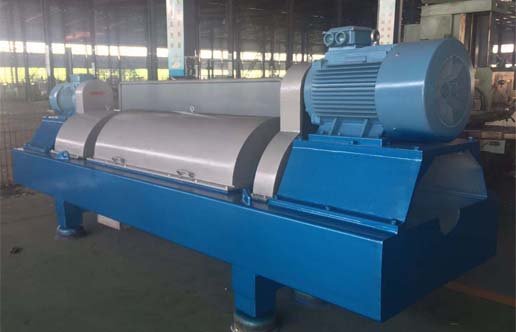
Leading Manufacturer & Supplier of Premium Decanter Centrifuges
Looking for a reliable decanter centrifuge in India? Trity Environ Solutions offers high-performance sludge dewatering and solid-liquid separation systems for industrial use. Get efficient, low-maintenance solutions with expert support — request a quote today.

STP and ETP Plant Manufacturer in Sikkim
Trity Environ Solutions manufacturers and suppliers of STP and ETP Plant in Sikkim. Sewage Treatment...

Industrial Anaerobic Digestion Systems for ETP & STP Plants
Trity Enviro is leading Anaerobic Digester Manufacturers & Suppliers in India, offering industrial anaerobic digestion systems for wastewater treatment, sludge stabilization, and biogas generation across diverse industries.
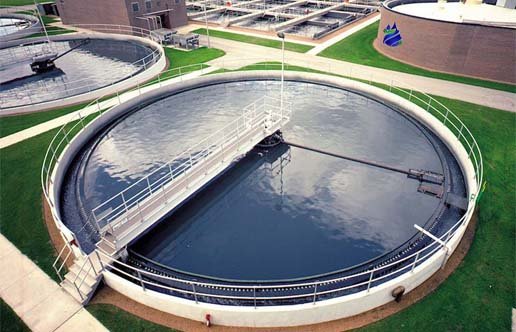
Sewage Treatment Plant (STP) Manufacturer in India
No.1 Sewage Treatment Plant Manufacturer & Supplier in India, Trity Environ Solutions manuf....

Zero Liquid Discharge Plant Manufacturer in India | Industrial ZLD Systems by Trity Environ Solution
Trity Enviro offers Zero Liquid Discharge Plant Systems in India for industrial wastewater treatment, water recovery, and zero discharge compliance across multiple industries.

Multi Grade Filter Manufacturer – Efficient Water Filtration System
We manufacture high-quality FRP Multi Grade Filters with installations across India and overseas. Designed for superior filtration efficiency, our systems ensure consistent water quality for STP, ETP, and industrial use.

STP and ETP Plant Manufacturer in Gurgaon
Trity Environ Solutions manufacturers and suppliers of STP and ETP Plant in Gurgaon. Sewage Treatment...

Sludge Dewatering System Manufacturers and Suppliers in India
Trity Enviro Solutions provides industrial Sludge Dewatering Systems for ETP, STP, and wastewater plants across India. Reduce sludge disposal costs with CPCB-compliant sludge handling solutions and turnkey support.

Effluent Treatment Plant for Hospital
We are the leading manufacturer & supplier of Effluent Treatment Plants for Hospitals.....

Water Softener Plant Manufacturers in India
Industrial Water Softener Plant Manufacturer in India providing advanced hard water treatment solutions for boilers, cooling towers, manufacturing units, hotels, hospitals, and commercial facilities.