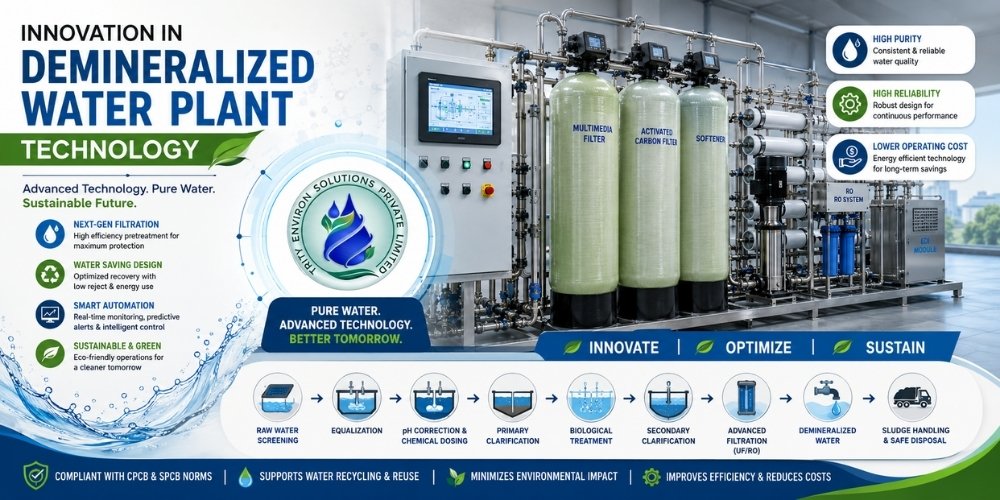
Innovation in Demineralized Water Plant Technology
Real innovations reshaping DM water plant technology: electrodeionization, RO-EDI hybrid systems, resin-wafer EDI, and AI-driven optimization. What's changed and why it matters.

 ISO 9001:2015 & QCI Approved
Learn how pharmaceutical industries in India treat wastewater under CPCB norms. Understand ETP treatment process, regulations, and compliance requirements for 2025-2026.

India's pharmaceutical industry is a global powerhouse, producing medicines for domestic and international markets. However, pharmaceutical manufacturing generates complex wastewater containing active pharmaceutical ingredients (APIs), organic solvents, and heavy metals. Under CPCB (Central Pollution Control Board) regulations and State Pollution Control Board (SPCB) oversight, Indian pharmaceutical facilities must implement proper wastewater treatment to stay compliant. This comprehensive guide explains how pharmaceutical wastewater is treated, CPCB compliance requirements, and the critical importance of proper effluent treatment for Indian manufacturers.
Pharmaceutical manufacturing in India generates wastewater fundamentally different from municipal sewage. Major pharmaceutical clusters in Hyderabad, Gujarat, Pune, and other industrial centers produce effluent containing active pharmaceutical ingredients (APIs), organic solvents, heavy metals, and complex chemical compounds. Unlike standard municipal treatment systems, pharmaceutical wastewater in India requires specialized, multi-stage treatment designed specifically to address APIs and chemical residues that conventional plants cannot handle.
The World Health Organization has raised serious concerns about antibiotic resistance from pharmaceutical pollution, which is particularly relevant for India—the world's pharmacy. When antimicrobial residues persist in Indian water systems, they create selection pressures that promote resistant bacteria strains, a critical public health issue making proper pharmaceutical wastewater treatment essential.
The Central Pollution Control Board (CPCB) has implemented stringent effluent discharge standards under the Water (Prevention and Control of Pollution) Act, 1974. Indian pharmaceutical facilities must comply with CPCB guidelines on BOD (Biochemical Oxygen Demand), COD (Chemical Oxygen Demand), Total Suspended Solids (TSS), pH, oil and grease, and heavy metals. Non-compliance results in severe penalties under Indian law—fines up to ₹1 lakh, daily fines up to ₹5,000 for continued violations, imprisonment up to 5 years, and facility closure. State Pollution Control Boards (SPCBs) in Maharashtra, Gujarat, Tamil Nadu, and other states enforce even stricter standards than national CPCB norms in their regions.
Many Indian pharmaceutical clusters are classified as critically polluted areas, requiring Zero Liquid Discharge (ZLD) mandates. This means pharmaceutical facilities must recycle and reuse up to 95% of treated wastewater with minimal or no external discharge.
Without proper treatment, pharmaceutical wastewater contaminates India's rivers, lakes, and groundwater. Contaminated water sources threaten drinking water safety for communities near pharmaceutical manufacturing areas. Studies have documented pharmaceutical residues in Indian drinking water supplies, exposing populations to hormone-disrupting chemicals and antibiotic residues. Proper pharmaceutical wastewater treatment through certified ETP facilities protects vulnerable populations including children and elderly people living downstream of manufacturing sites.
Indian pharmaceutical wastewater treatment follows a multi-stage approach: primary treatment (removing large solids), secondary biological treatment (breaking down organic matter), and advanced treatment stages (removing persistent chemicals). This process ensures complete removal of complex pharmaceutical compounds that standard municipal systems cannot handle.
Primary treatment in Indian pharmaceutical ETPs removes large solids:
These preliminary steps reduce pollutant loads before downstream treatment, improving system efficiency in Indian climatic conditions.
Secondary biological treatment uses activated sludge systems, membrane bioreactors (MBR), and anaerobic digesters adapted to Indian industrial conditions and seasonal variations. These systems reduce BOD and COD levels by using microorganisms to consume biodegradable organic matter.
Many Indian pharmaceutical facilities employ advanced oxidation processes (AOPs) using UV light combined with hydrogen peroxide or ozone to oxidize complex pharmaceutical molecules. For facilities required to meet Zero Liquid Discharge standards, membrane filtration, evaporation technologies, and crystallization units enable complete water recovery and reuse.
|
Treatment Method |
Contaminant Type |
Effectiveness |
|
Activated Sludge |
Biodegradable organics |
60-80% |
|
AOPs (UV/H₂O₂) |
Persistent APIs |
90%+ |
|
Activated Carbon |
Micropollutants |
70-85% |
|
Zero Liquid Discharge |
All contaminants |
99%+ |
The CPCB has established national wastewater discharge standards that pharmaceutical facilities must meet before discharging to water bodies, sewers, or land. Key parameters include BOD (30 mg/L for inland waters), COD (250 mg/L), TSS (100 mg/L), pH (6.5-8.5), oil and grease (10 mg/L), and specific limits for heavy metals and toxic compounds. Industries must maintain comprehensive monitoring records and conduct testing through NABL-accredited laboratories.
State Pollution Control Boards enforce stricter standards than national CPCB norms:
Maintaining optimal ETP performance requires regular operation and maintenance services. Professional O&M teams monitor treatment efficiency, conduct daily ETP operation logs, manage chemical consumption (₹3-5 lakhs monthly for medium-scale facilities), and ensure continuous compliance with CPCB standards.
Comprehensive annual maintenance contracts ensure ETP equipment operates at peak efficiency throughout the year. These contracts include routine inspections, equipment servicing, replacement of worn components, and preventive maintenance to avoid unexpected breakdowns that could result in regulatory violations and production shutdowns.
For pharmaceutical facilities requiring new ETP installation or upgrades, expert project execution teams manage the entire process from design phase through installation, testing, and commissioning. This ensures systems are properly engineered for your specific wastewater composition and comply with all CPCB and SPCB requirements from day one.
As India's pharmaceutical industry continues to grow and strengthen its position as the world's pharmacy, proper wastewater treatment becomes increasingly essential. Compliance with CPCB and State PCB regulations is not optional—it's mandatory for operational continuity. Pharmaceutical manufacturers across Hyderabad, Gujarat, Pune, Mumbai, and other industrial centers must invest in certified ETP solutions and maintain professional operation and maintenance services to ensure long-term regulatory compliance and environmental responsibility.
Real innovations reshaping DM water plant technology: electrodeionization, RO-EDI hybrid systems, resin-wafer EDI, and AI-driven optimization. What's changed and why it matters.
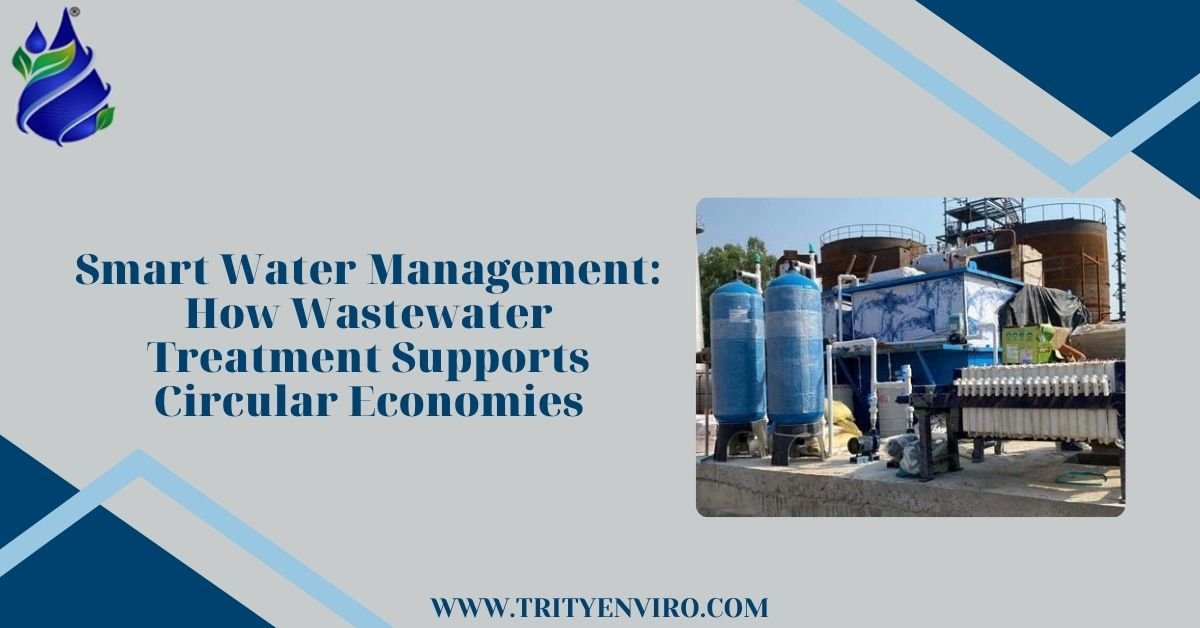
Smart water management optimizes wastewater reuse, reduces costs, and supports sustainable growth, helping industries lower environmental impact and conserve resources.
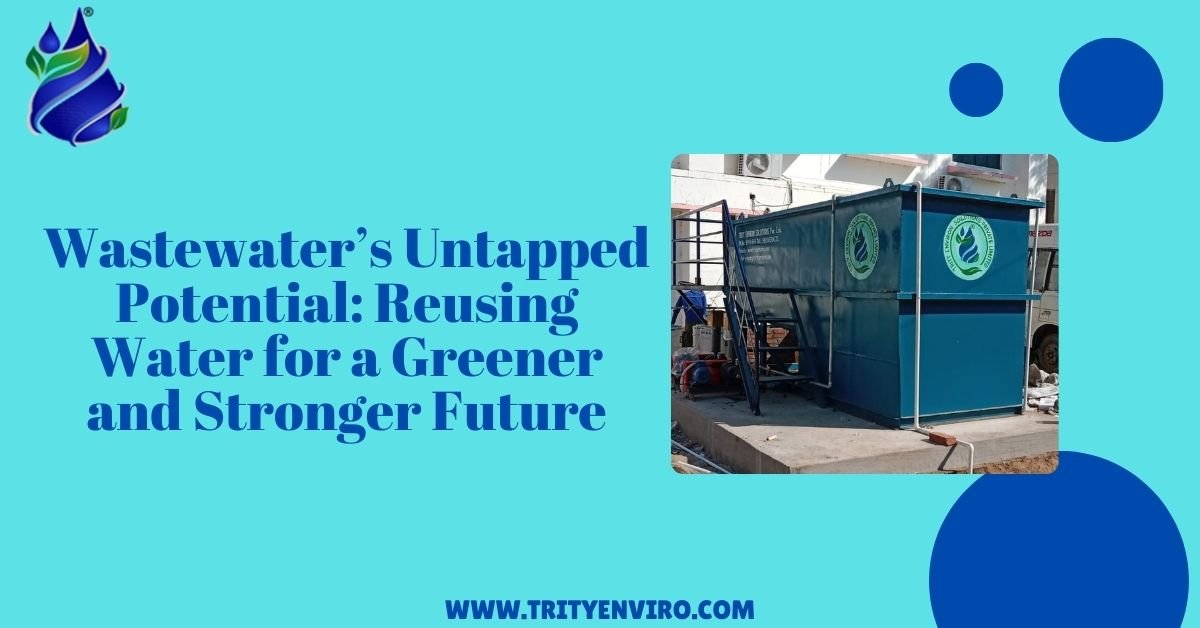
Explore the benefits, challenges, and innovations of wastewater reuse. Learn how it supports industries, agriculture, and green energy for a sustainable future.

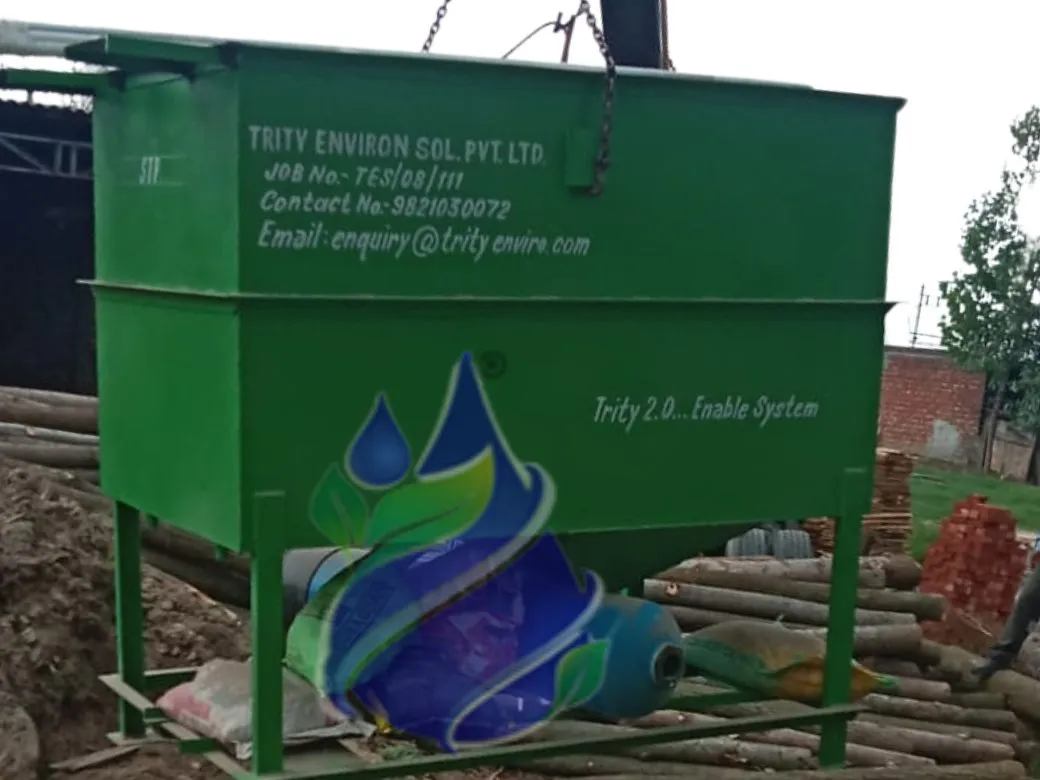



Discuss your requirements with our engineering team and get practical guidance for your project.