
What Role Do ETPs Play in Reducing Algal Blooms in Water Bodies?
Learn how Environmental Treatment Plants (ETPs) are combating algal blooms, ensuring cleaner and healthier water environments for a sustainable future.

 ISO 9001:2015 & QCI Approved
Understand the real differences between centrifugal and reciprocating pumps, how each works, and which one suits water and wastewater treatment applications best.
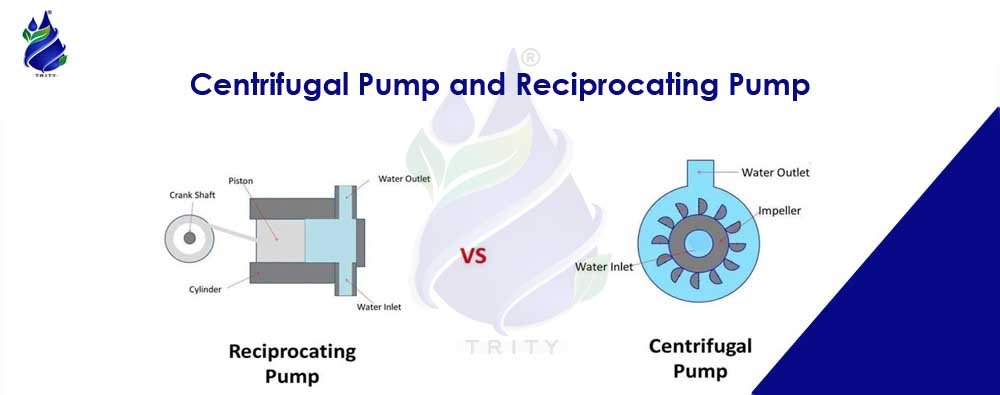
Pumps rarely get the attention they deserve in a water or wastewater treatment plant, yet almost nothing in the system works without them. Raw water intake, chemical dosing, sludge transfer, and final discharge all depend on the right pump doing the right job, and getting that choice wrong shows up later as poor flow control, higher energy bills, or equipment that wears out far sooner than it should. Two pump types come up more than any other in this context: the centrifugal pump and the reciprocating pump. They solve the same basic problem, moving fluid from one point to another, in fundamentally different ways, and understanding that difference matters more than most buyers realise before they specify equipment for a project, whether they are designing a new plant from scratch or troubleshooting why an existing one is not performing as expected.
A centrifugal pump moves fluid using rotational kinetic energy rather than direct mechanical displacement.
The impeller does the actual work: A rotating impeller inside the pump casing spins fluid outward using centrifugal force, converting rotational energy into velocity. This velocity is then converted into pressure as the fluid moves through the pump casing toward the outlet.
Core components are relatively simple: A centrifugal pump consists mainly of an impeller, a casing, and inlet and outlet ports for fluid flow, which contributes to its comparatively straightforward construction and maintenance profile.
Flow is continuous by design: Because the impeller spins continuously, fluid moves through the pump in a steady, uninterrupted stream rather than in pulses, which matters for applications where consistent flow is important.
Performance is closely tied to system pressure: A centrifugal pump's flow rate drops as the pressure it needs to work against rises, which is an important characteristic to understand before selecting one for a high-pressure application.
A reciprocating pump is a type of positive displacement pump that moves fluid through the back-and-forth motion of a piston or plunger rather than rotational force.
Pistons or plungers create the displacement: As the piston moves backward, fluid is drawn into the cylinder through a suction valve. As it moves forward, the fluid is pushed out through a discharge valve at higher pressure.
Core components include valves and a cylinder: A reciprocating pump typically consists of a cylinder, a piston or plunger, suction and discharge valves, and inlet and outlet connections, making its construction somewhat more complex than a centrifugal pump of comparable capacity.
Flow is pulsating rather than continuous: Because fluid is displaced in discrete strokes rather than a continuous rotation, output flow has a natural pulsation, which some applications need to account for with dampers or multiple cylinders operating out of phase.
Pressure output stays largely independent of flow resistance: Unlike a centrifugal pump, a reciprocating pump generates a consistent flow rate regardless of the pressure it works against, within its mechanical limits, which is precisely why it excels at high-pressure applications where a centrifugal pump would struggle.
Putting the two side by side makes the practical distinctions clearer.
Principle of operation: A centrifugal pump relies on the centrifugal force generated by a rotating impeller, while a reciprocating pump relies on the positive displacement created by a piston or plunger moving back and forth.
Pressure and flow relationship: A centrifugal pump's flow rate and pressure output are interdependent, meaning flow drops as system pressure rises. A reciprocating pump maintains a largely constant flow rate regardless of pressure, up to its mechanical limits, making it better suited to high-pressure, low-flow applications.
Flow characteristics: A centrifugal pump delivers smooth, continuous, pulsation-free flow, which suits applications sensitive to flow consistency. A reciprocating pump produces pulsating flow due to the intermittent nature of piston displacement, which sometimes needs additional dampening equipment depending on the application.
Handling of viscous or solids-laden fluid: Centrifugal pumps generally perform best with low-viscosity fluids carrying minimal solids, since impeller clearances can clog or wear quickly with heavy solids content. Reciprocating pumps tend to handle higher viscosity fluids and can be configured to manage some solids content more effectively, though at lower flow rates.
Efficiency at different capacities: Centrifugal pumps are typically more efficient and cost-effective at high flow, low to moderate pressure applications. Reciprocating pumps are more efficient in low flow, high pressure scenarios where centrifugal designs would need excessive impeller staging to achieve comparable pressure.
Maintenance complexity: Centrifugal pumps generally have fewer wearing parts and simpler maintenance requirements. Reciprocating pumps, with their valves, seals, and piston assemblies, typically require more frequent maintenance attention, though modern designs have narrowed this gap considerably.
Both pump types show up across a typical treatment plant, but rarely in the same role.
Centrifugal pumps dominate bulk fluid transfer: Raw water intake, effluent transfer between treatment stages, recirculation within biological treatment tanks, and general water distribution across a plant are almost always handled by centrifugal pumps, since these applications prioritise continuous, high-volume flow over precise dosing.
Reciprocating pumps handle precision dosing applications: Chemical dosing systems, where a precise, controlled volume of coagulant, polymer, or pH-adjusting chemical needs to be metered into a process stream, frequently rely on reciprocating-style metering pumps for their accuracy and consistency at low flow rates.
High-pressure applications favour reciprocating designs: Certain filtration and cleaning processes that need higher pressure than a standard centrifugal pump can efficiently deliver turn to reciprocating or diaphragm-style pumps built around the same positive displacement principle.
Sludge and slurry transfer needs careful pump selection: Thick, solids-laden sludge moving between treatment stages or toward dewatering equipment often needs pumps specifically designed for higher viscosity and solids handling, which may favour progressive cavity or specialised reciprocating designs over a standard centrifugal unit depending on the sludge characteristics involved.
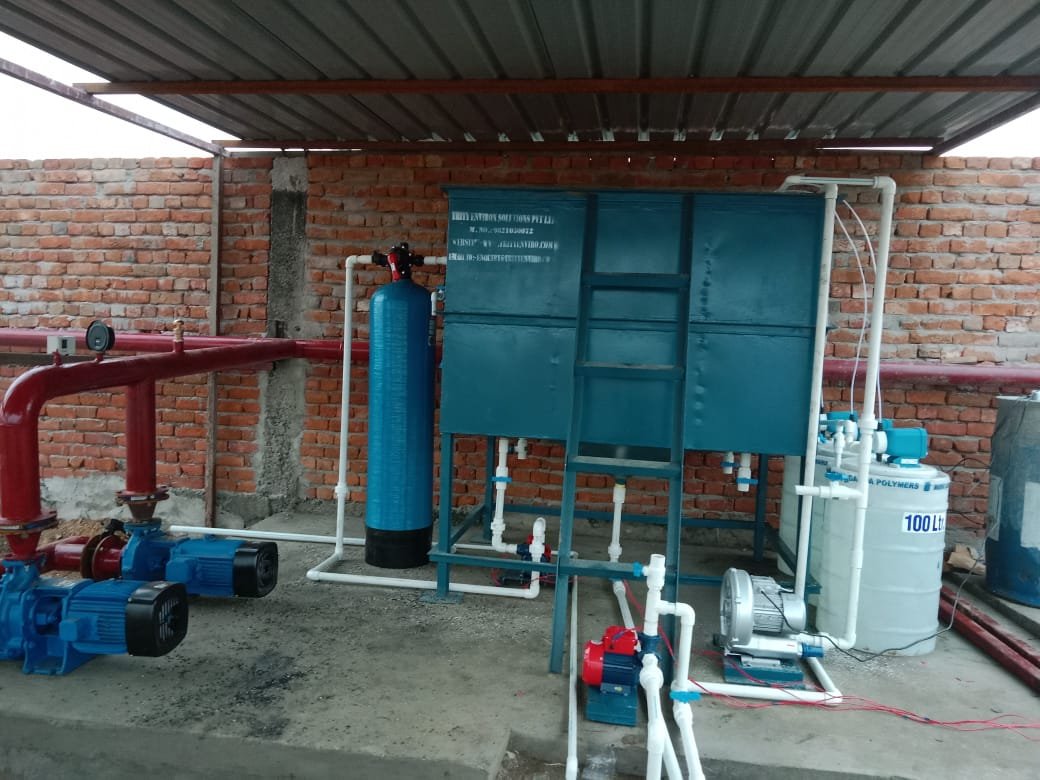
An effluent treatment plant or sewage treatment plant typically uses a mix of both pump types across different stages, matched to what each specific process actually requires rather than standardising on one type throughout.
A few practical questions help narrow the decision between the two.
What does the flow versus pressure requirement actually look like? High flow at low to moderate pressure points toward centrifugal. Low flow at high pressure points toward reciprocating or another positive displacement design.
Does the application need precise, controlled dosing? If accuracy in a low flow rate matters more than raw throughput, a reciprocating or metering pump is usually the better fit.
What is the fluid's viscosity and solids content? Clean or low-solids fluid favours centrifugal designs. Higher viscosity or solids-laden fluid often needs a positive displacement pump built to handle it without excessive wear.
How much does pulsation matter for the downstream process? Applications sensitive to flow variation, certain filtration or membrane processes in particular, benefit from the smooth output a centrifugal pump provides, or need pulsation dampening if a reciprocating pump is otherwise the right fit for pressure reasons.
What does the maintenance and operational budget look like? Centrifugal pumps generally cost less to maintain over time for comparable-duty applications, which matters when total cost of ownership is being weighed against a reciprocating pump's higher pressure capability.
Neither pump type is maintenance-free, and understanding the common failure points helps plan a realistic upkeep schedule.
Centrifugal pump seals and bearings wear over time: Mechanical seals, bearings, and impeller clearances gradually degrade with continuous operation, and monitoring for unusual vibration, noise, or reduced flow output helps catch developing issues before a full failure.
Cavitation damages centrifugal impellers: Running a centrifugal pump with insufficient suction pressure causes cavitation, where vapour bubbles form and collapse against the impeller, eroding it over time. Proper suction design and avoiding pump operation outside its rated curve prevents this.
Reciprocating pump valves and seals need regular inspection: Suction and discharge valves, along with piston or plunger seals, are the most common wear points in a reciprocating pump, and periodic inspection catches leaks or reduced output before they affect process accuracy.
Both pump types benefit from a proper maintenance schedule tied to actual operating hours: Reactive, breakdown-driven maintenance almost always costs more over a pump's lifetime than a scheduled preventive approach, particularly for pumps running continuously in a treatment plant setting.
If your water or wastewater treatment facility needs guidance on the right pump configuration for a specific process stage, reach out through our services page or contact us at enquiry@trityenviro.com or +91-9821030072 for a technical consultation.
Both centrifugal and reciprocating pumps come in several configurations, and knowing these helps make sense of equipment specifications when comparing options.
Single-stage versus multi-stage centrifugal pumps: A single-stage centrifugal pump uses one impeller and suits most standard water transfer applications. A multi-stage design passes fluid through several impellers in series, building up pressure incrementally, which extends the practical pressure range a centrifugal pump can achieve without switching to a different pump type entirely.
End-suction versus submersible centrifugal pumps: End-suction pumps sit outside the fluid and draw it in through a suction line, common for above-ground installations. Submersible centrifugal pumps operate fully immersed in the fluid itself, which is common in sump applications, raw water intake, and certain wastewater lift stations where installing an external pump is impractical.
Simplex versus duplex reciprocating pumps: A simplex reciprocating pump uses a single piston or plunger, which naturally produces more pronounced flow pulsation. Duplex or multiplex configurations use two or more pistons operating out of phase with each other, which smooths out the pulsation considerably without needing a separate dampening device.
Diaphragm pumps as a reciprocating variant: Diaphragm pumps use a flexible diaphragm instead of a piston to achieve the same positive displacement principle, and are particularly common in chemical dosing applications where the diaphragm keeps the pumped fluid fully isolated from the pump's mechanical components, useful for corrosive or hazardous chemicals used in water treatment dosing.
Pump selection affects more than just performance on day one. Operating cost over the equipment's lifetime often outweighs the initial purchase price.
Centrifugal pumps are generally more energy-efficient for their intended duty range: When operated near their best efficiency point on the pump curve, centrifugal pumps convert a high proportion of input energy into useful fluid movement, though efficiency drops off considerably when a pump is significantly oversized or undersized for its actual duty.
Variable Frequency Drives (VFD) improve centrifugal pump efficiency further: Rather than throttling flow with a valve, which wastes energy, a VFD adjusts motor speed to match actual demand, delivering meaningful energy savings in applications with variable flow requirements, which describes a large share of water treatment plant operations across a typical day.
Reciprocating pumps hold efficiency better across variable pressure conditions: Because output flow stays relatively constant regardless of pressure, a reciprocating pump does not suffer the same efficiency penalty a centrifugal pump experiences when operating away from its design point, which matters for applications with fluctuating backpressure.
Total cost of ownership depends on duty cycle, not just pump price: A slightly more expensive pump matched precisely to its application typically costs less over a multi-year operating life than a cheaper, mismatched unit running inefficiently or wearing out prematurely.
A few recurring errors show up across water and wastewater treatment projects when pump selection does not get the attention it deserves.
Sizing based on nameplate capacity rather than actual system curve: A pump selected purely on a plant's rated treatment capacity, without mapping the actual system head curve, frequently ends up oversized or undersized for real operating conditions.
Ignoring fluid characteristics beyond basic flow rate: Viscosity, solids content, temperature, and corrosiveness all affect which pump type and construction material actually holds up in a given application, and overlooking any of these leads to premature wear or outright failure.
Choosing centrifugal pumps for high-pressure duty to save on upfront cost: Forcing a centrifugal pump to work far outside its efficient operating range to hit a pressure target it was not designed for usually costs more in energy and maintenance than specifying the correct pump type from the outset.
Underestimating the value of pump curve matching during commissioning: A pump installed without verifying its actual operating point against the design system curve can run inefficiently for years without anyone noticing, quietly inflating energy costs the entire time.
Centrifugal pumps can be staged with multiple impellers to achieve higher pressure, but this adds cost and complexity. For genuinely high-pressure, low-flow requirements, a reciprocating or other positive displacement pump is usually the more efficient and cost-effective choice.
Because fluid is displaced in discrete strokes as the piston or plunger moves back and forth, rather than through continuous rotation like a centrifugal pump. Multiple cylinders operating out of phase, or a pulsation dampener, can smooth this output where the application requires steadier flow.
Reciprocating or diaphragm-style metering pumps are generally preferred for chemical dosing because they can deliver a precise, controlled, and repeatable volume of fluid at low flow rates, which centrifugal pumps are not well suited to achieve.
Not particularly well in their standard form. Centrifugal pumps are best suited to low-viscosity, low-solids fluid, and thick sludge or slurry transfer usually calls for a pump specifically designed for higher viscosity and solids handling, such as a progressive cavity or specialised positive displacement design.
This depends on the specific process stage, the flow rate and pressure required, and the characteristics of the fluid being moved. A site assessment covering these factors, rather than a generic assumption based on plant type alone, is the most reliable way to specify the right pump for each application.
Not necessarily in terms of motor technology itself, but the load characteristics differ. A centrifugal pump typically presents a smoother, more continuous load to its motor, while a reciprocating pump's load varies through each stroke cycle, which is a factor worth considering when sizing motors and selecting drive configurations for either pump type.
Learn how Environmental Treatment Plants (ETPs) are combating algal blooms, ensuring cleaner and healthier water environments for a sustainable future.

Discover how upcycling treated wastewater supports agriculture, industry, and sustainability, conserving water and reducing pollution for a greener future.
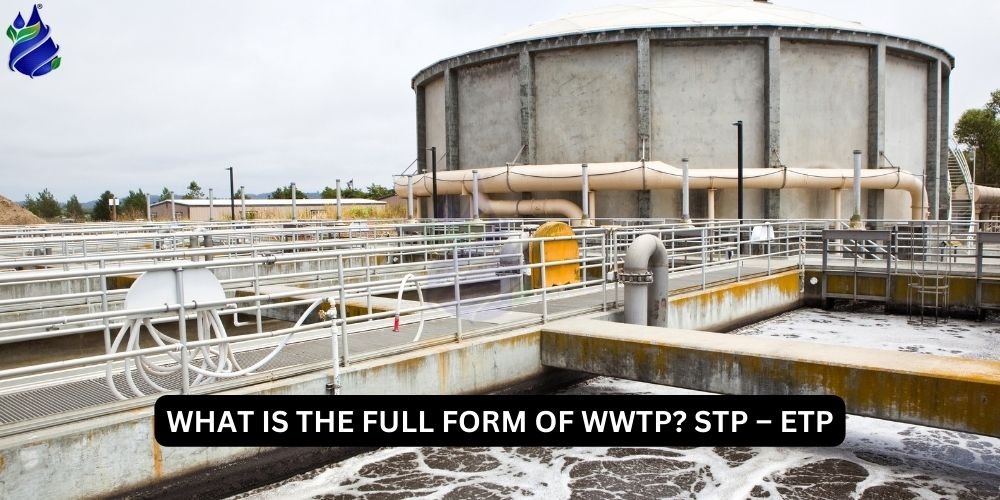
WWTP stands for Wastewater Treatment Plant. Learn the meaning of WWTP, its functions, treatment process, and importance in wastewater management.

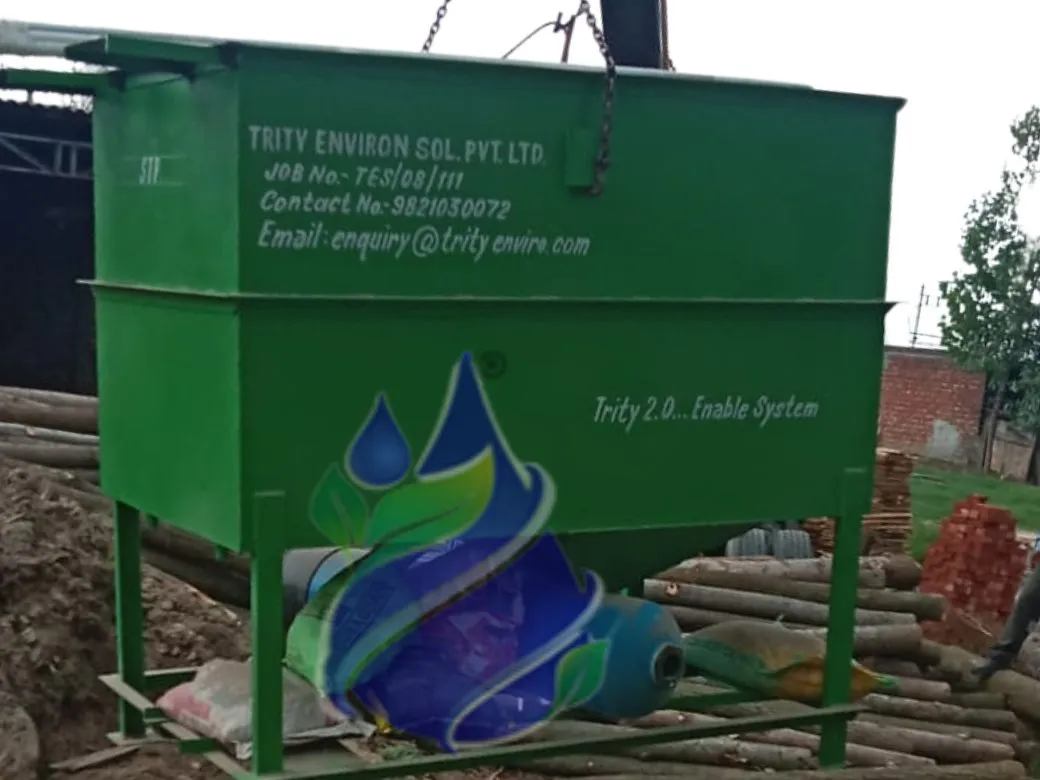
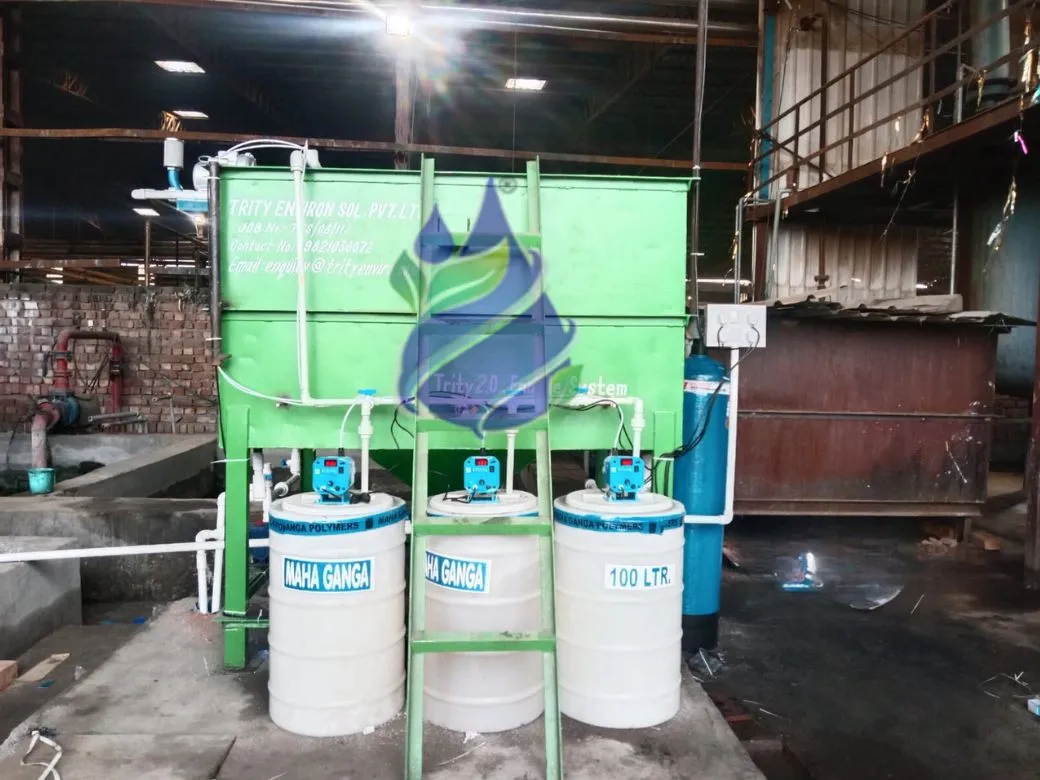




Discuss your requirements with our engineering team and get practical guidance for your project.