
 ISO 9001:2015 & QCI Approved
STP and ETP Plant Manufacturer in Nepal
Trity Environ Solutions is an Indian STP and ETP plant manufacturer in Nepal's supply chain, building wastewater equipment for hotels, hospitals, apartment complexes, tourism properties, and industrial units in Kathmandu Valley, Bhaktapur, Biratnagar, Birgunj, and Butwal. With the Bagmati river carrying heavy sewage pollution and many industries expected to run their own effluent treatment, we engineer on-site plants that meet your requirements, with international supply and installation support and road delivery from Ghaziabad across the open India-Nepal border. Whether you need a sewage treatment plant manufacturer in Nepal or an effluent treatment plant manufacturer in Nepal, Trity Environ Solutions builds both in-house, from design to dispatch and commissioning support.
CPCB & SPCB Ready
Turnkey Design & Installation
A Valley Where Sewage Still Reaches the River
Kathmandu Valley's rivers have long carried more sewage than the system can treat. A Down To Earth report published in September 2011 noted that of five sewage treatment plants in the valley only Guheshwori was functioning, partially, with a capacity of 16.4 million litres per day, and that on most days sewage was bypassed or released directly into the river. Earlier studies cited in the same report found BOD of about 100 mg/l in central Kathmandu and COD of around 400 mg/l in the city and downstream areas, roughly ten times the level considered safe. These figures are old, but they explain why on-site treatment matters for any property or factory in the valley.
On the industrial side, a notice reported by Republica from Nepal's Department of Industry warned manufacturers to follow environmental laws, install and operate effluent treatment plants, follow their approved IEE or EIA measures, and report their anti-pollution measures within 30 days. The report does not state the year. Trity Environ Solutions supplies effluent treatment plants for industrial units in Bhaktapur, Biratnagar, Birgunj, and Butwal, and sewage treatment plants for hotels, hospitals, and apartment buildings, with equipment sized to the limits your consultant confirms with the Ministry of Forests and Environment and the Department of Environment.
Planning a project in Nepal? Request a free site assessment and our engineering team will discuss the right configuration and supply scope with you.
KEY BENEFITS
Key Benefits of STP and ETP Plant Manufacturer in Nepal
Engineered for national effluent standards, power tolerant operation, and road delivery from Uttar Pradesh.
Built Around Your Effluent Limits
Process design based on your own wastewater analysis and the discharge limits your consultant confirms, whether you discharge to a river, a sewer, or reuse on site.
Direct Road Delivery from India
Equipment dispatched by truck from Ghaziabad in Uttar Pradesh across the open border, with customs and transport paperwork planned with you in advance.
Designed for Unreliable Power
Guheshwori's extended aeration plant was reported to run below capacity because of load-shedding, so designs consider blower redundancy and simpler, low-energy options where power is uncertain.
Compact Plants for Hills and Tight Plots
Modular and containerised layouts that suit hillside hotels, resorts, and apartment sites where space and access are limited.
Remote and Periodic Support
Operator guidance, remote troubleshooting, and periodic support arranged after commissioning, coordinated from Trity's Ghaziabad base.
On-Site Treatment Cannot Wait for Public Capacity
The 2011 Down To Earth report recorded four abandoned valley plants and one partially working plant, and noted that the city's domestic sewage accounted for about 42 percent of the river's BOD load in an earlier study. Newer public projects may have changed the picture, so check current capacity, but a hotel, hospital, or factory that waits for public infrastructure carries risk. A well designed private plant gives documented, repeatable treated water quality.
Operation Decides Whether a Plant Keeps Working
Nepal's own experience shows plants failing for reasons beyond design, including power and upkeep. Trity Environ Solutions offers operator training materials, remote performance review, and a remote and periodic Annual Maintenance Contract option, and does not claim a Nepal office. Talk to our team about support options for your facility.
Hotels, Resorts and Hydropower-Area Tourism
Nepal's tourism properties often sit near rivers, trekking routes, and hydropower catchments where discharge is sensitive. Compact, low odour sewage treatment with reuse for gardens makes sense for lodges and resorts, and hospitals need the same reliability with disinfection added.
Industrial Estates Need Their Own ETPs
Industrial districts in Bhaktapur, Biratnagar, Birgunj, and Butwal host food, beverage, chemical, textile, and general manufacturing. A study of the Hetauda industrial district's central wastewater plant shows that shared facilities exist, but units with specific effluent still need pretreatment on their own premises to protect the common plant and meet standards.
SYSTEM CONFIGURATIONS
Types of STP and ETP Plant Manufacturer in Nepal Configurations
Technologies selected to match your site type, effluent chemistry, and power availability.
Hotels and Apartment Complexes
Our MBBR sewage treatment plant is a compact, low maintenance option for hotels, resorts, and apartment buildings in Kathmandu and Pokhara.
Hospitals and Clinics
Our sewage treatment plant for hospital adds disinfection and odour control for hospital and clinic wastewater.
Food and Beverage Industry
Our food and beverage effluent treatment plant handles high BOD effluent from dairies, breweries, and processing units.
Chemical and General Manufacturing
Our physico-chemical effluent treatment plant treats industrial wastewater through coagulation, flocculation, and clarification.
Remote and Temporary Sites
Our packaged containerized sewage treatment plant is pre-assembled for hydropower camps, hillside lodges, and sites with difficult access.
TURNKEY WORKFLOW
How the STP and ETP Plant Manufacturer in Nepal Process Works
A supply and engineering process built for standards compliance, road delivery, and dependable treated water quality.
01
Requirement Review & Influent Data
You share flow, occupancy or production data, wastewater analysis, and the discharge requirements for your site.
02
Design & Engineering
Process design, equipment lists, and layout drawings are prepared against your standards, footprint, and reuse targets.
03
Manufacturing & Dispatch
Components are manufactured under ISO 9001:2015 quality controls at Ghaziabad, then dispatched by road to Nepal.
04
Installation Support & AMC
Installation is arranged with your contractor or team, supported by remote commissioning guidance, operator training, and an optional remote and periodic AMC.
COMMON INQUIRIES
Frequently Asked Questions
Clear answers regarding regulatory consent, installation timelines, and plant capabilities in Nepal.
Q1. Which authorities govern STP and ETP discharge in Nepal?
The Ministry of Forests and Environment and the Department of Environment set national environmental standards, and industries also deal with the Department of Industry and provincial authorities. Your consultant should confirm the exact limits for your site.
Q2. Does Trity Environ Solutions have an office or past projects in Nepal?
Trity Environ Solutions does not claim a Nepal office or listed Nepal projects on this page. It supplies equipment from India with engineering support, and references can be discussed directly with the team.
Q3. How is equipment delivered from India to Nepal?
Equipment is dispatched by road from Ghaziabad in Uttar Pradesh across the open India-Nepal border, with customs and transport documents planned with you beforehand.
Q4. Can you build an ETP for industrial units in Bhaktapur, Biratnagar, Birgunj or Butwal?
Yes. Each plant is designed from your own effluent analysis, with colour, COD, oil, or TDS removal added depending on your process.
Q5. How long does supply take?
Prefabricated modular plants typically take 45 to 90 days to manufacture, with transport and installation time added. Larger systems take longer, confirmed after design approval.
Q6. Can an existing plant in Nepal be upgraded or supported?
Yes. Trity Environ Solutions can review performance data remotely, recommend retrofits, and supply parts, with a remote and periodic annual maintenance contract if you want ongoing support.
Q7. How do I choose a reliable STP and ETP plant manufacturer in Nepal?
Look for in-house manufacturing, design based on your own effluent analysis, clear delivery logistics, and honesty about who installs and supports after handover. Trity Environ Solutions builds its plants under ISO 9001:2015 quality controls and supports every installation with operator guidance and an annual maintenance contract.
CATALOGUE
Related Engineering Products
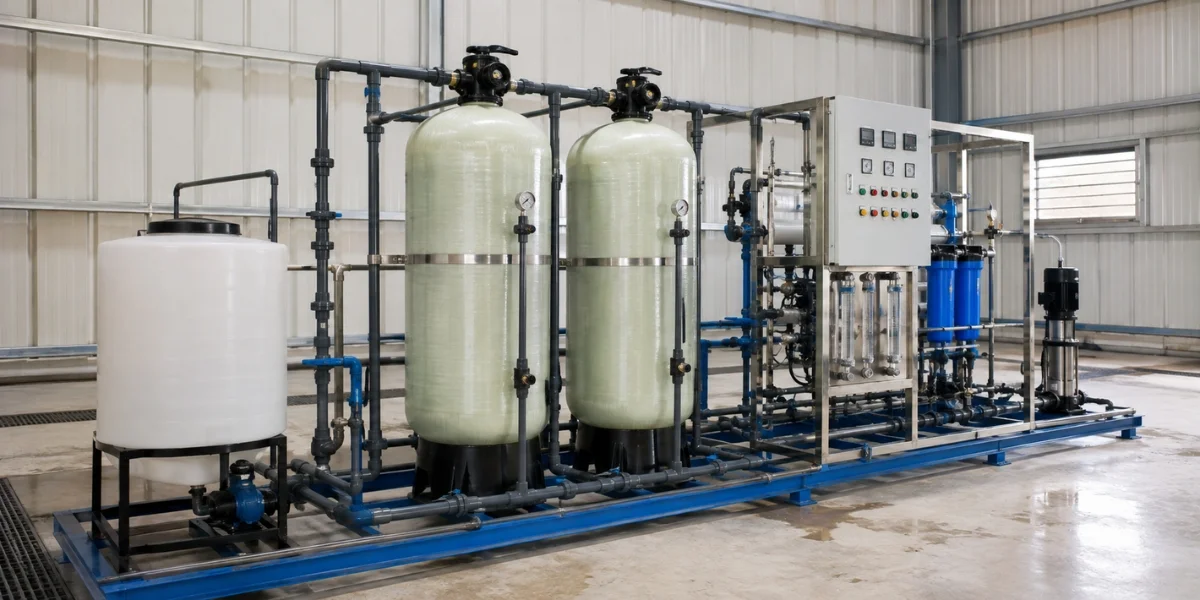
RO & Water Recycling Plant Manufacturer in India
Trity Environ Solutions manufactures RO and water recycling systems for industries and commercial facilities, engineered for reliable purity and reuse.
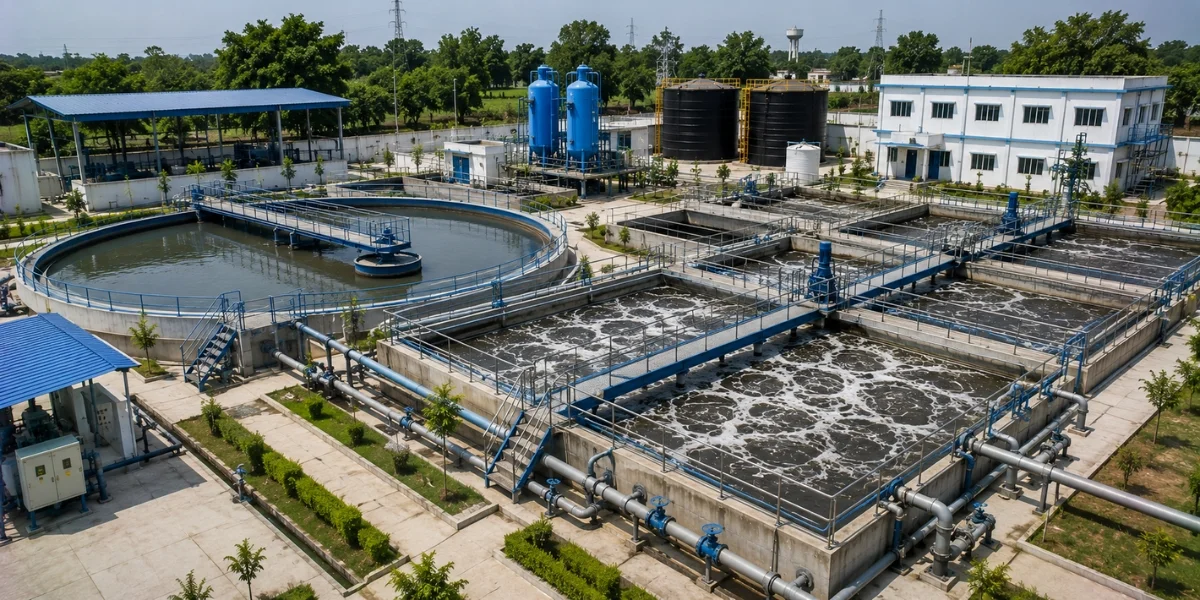
Tertiary Treatment Plant Manufacturer in India
Trity Environ Solutions manufactures tertiary treatment plants that polish treated water beyond secondary treatment, enabling genuine reuse and stricter discharge compliance.
Wastewater Recycling System Manufacturer in India
Trity Environ Solutions manufactures wastewater recycling systems using UF and RO technology, turning treated wastewater into reuse-grade water for cooling, flushing, and gardening.
PAN-INDIA CAPABILITIES
Regional Solutions & State Coverage
TECHNICAL KNOWLEDGE
Related Insights & Engineering Guides
PROVEN EXCELLENCE
Featured Turnkey Installations











Need a Custom Water or Wastewater Treatment Solution?
Our engineering team can help design the right system for your capacity, industry, and compliance requirements.

