Introduction
Walk along the banks of most Indian rivers today and the problem is visible before anyone explains it: discoloured water, floating debris, and a smell that tells you exactly what has been flowing in upstream. Rivers like the Ganga, Yamuna, and Sabarmati carry religious, cultural, and economic weight for millions of people, yet they also absorb a disproportionate share of the country's untreated sewage and industrial waste. Reducing river pollution is not a single fix. It is a combination of infrastructure, enforcement, and individual behaviour, and understanding where the pollution actually originates is the first step to tackling it.
Where River Pollution in India Actually Comes From
Before looking at solutions, it helps to be specific about the sources, because the fixes for each one are different.
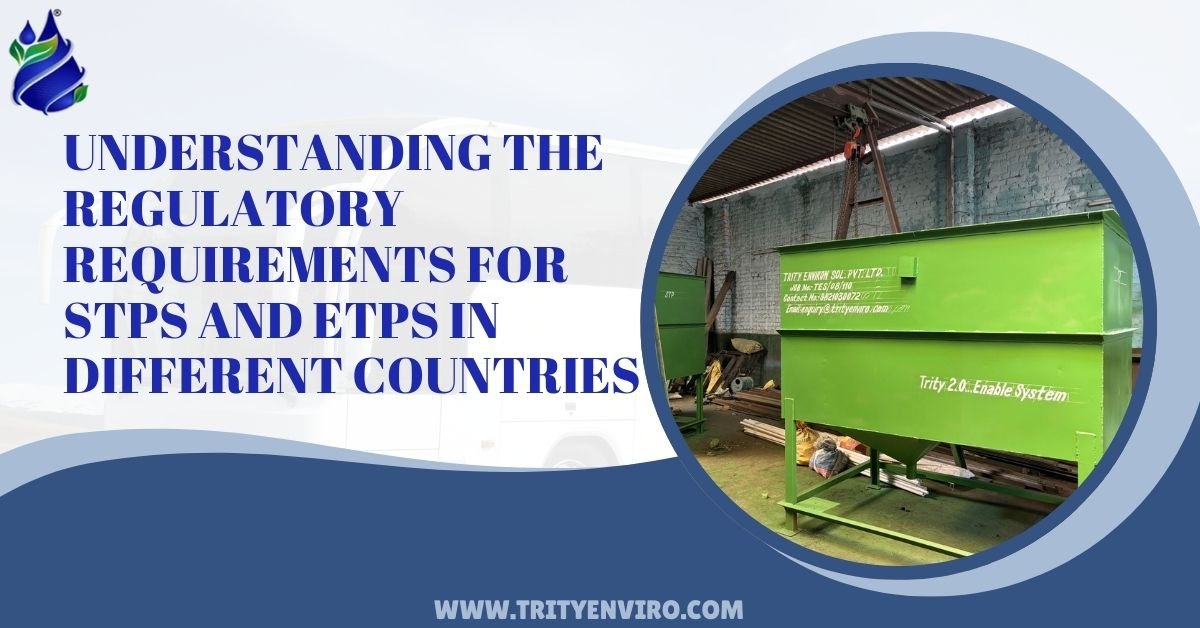
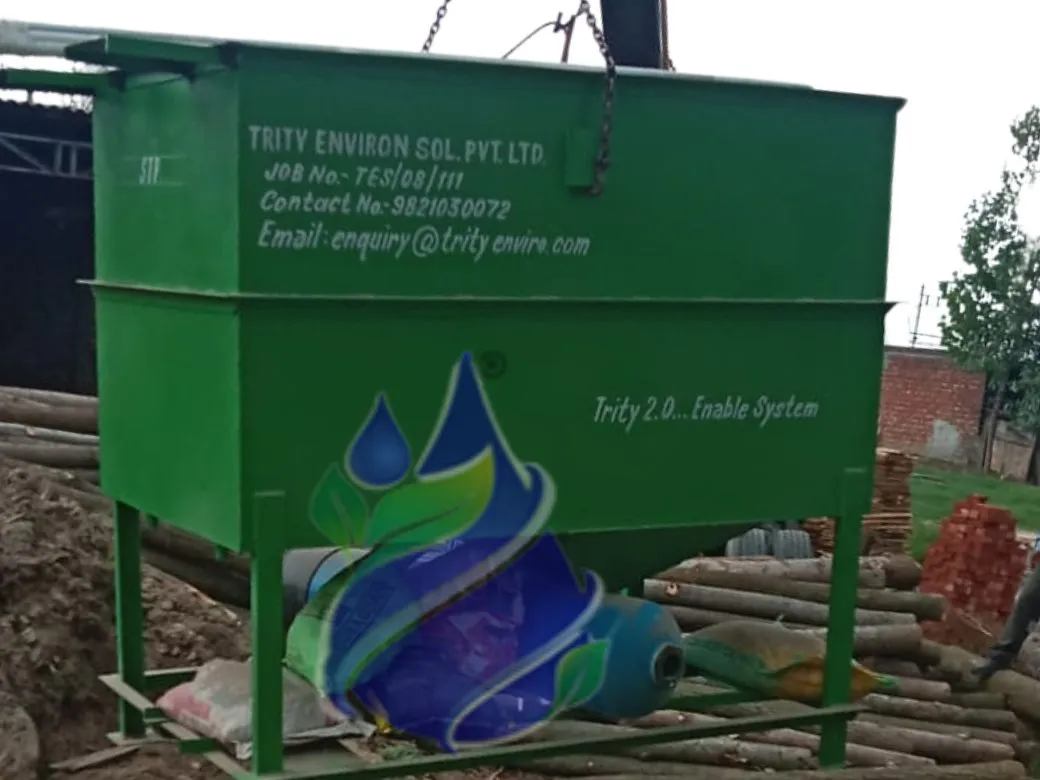
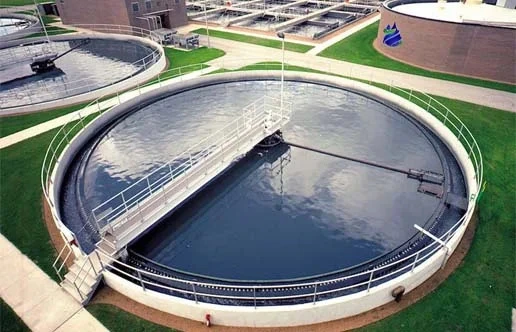
Untreated domestic sewage is the single largest contributor: A large share of urban India still lacks adequate sewage treatment capacity, which means raw or partially treated sewage from households, colonies, and commercial buildings flows directly into drains that eventually reach rivers. A Sewage Treatment Plant (STP) installed at the source, whether for a residential township or a commercial complex, is one of the most direct ways to cut this flow before it ever reaches the river.
Industrial effluent adds concentrated, harder-to-treat contamination: Textile dyeing units, tanneries, chemical plants, and paper mills located along or near river systems have historically discharged effluent with high COD, heavy metals, and toxic organic compounds. Without a properly functioning Effluent Treatment Plant (ETP), this waste bypasses natural dilution capacity entirely and accumulates in sediment and aquatic life over time.
Agricultural runoff carries fertilisers and pesticides: Rainwater washing over farmland picks up nitrogen, phosphorus, and pesticide residue and carries it into nearby streams and rivers. This runoff is diffuse rather than point-source, which makes it harder to regulate but no less damaging, contributing to algal blooms and oxygen depletion downstream.
Religious and cultural practices contribute seasonal spikes: Idol immersion during festivals, floral and puja waste, and ash disposal add organic and inorganic load to rivers at specific times of year, often in concentrated bursts that local treatment infrastructure is not designed to absorb.
Plastic and solid waste dumping remains widespread: Riverside settlements and markets that lack organised solid waste collection often use the river as the easiest disposal point, adding non-biodegradable waste that breaks down into microplastics and physically obstructs natural flow.
Fixing the Infrastructure Gap: STP and ETP Coverage
The most measurable lever for reducing river pollution in India is closing the gap between wastewater generated and wastewater actually treated before discharge.
Treatment capacity has not kept pace with urban growth: Several Indian cities generate far more sewage daily than their existing treatment plants can process, and the untreated balance is discharged directly into local water bodies. Expanding STP capacity at the township, industrial estate, and municipal level is the single biggest structural fix available.
Common Effluent Treatment Plants (CETPs) matter for industrial clusters: Where individual units cannot justify a standalone ETP, a shared CETP lets an entire industrial estate treat combined effluent to a standard that meets CPCB and state pollution board discharge norms before release into any water body.
Retrofitting old or underperforming plants closes silent gaps: A treatment plant that exists on paper but is not functioning correctly, whether due to poor maintenance, undersized capacity, or outdated technology, contributes to river pollution just as much as having no plant at all. Regular performance audits and AMC support keep an installed system actually doing its job.
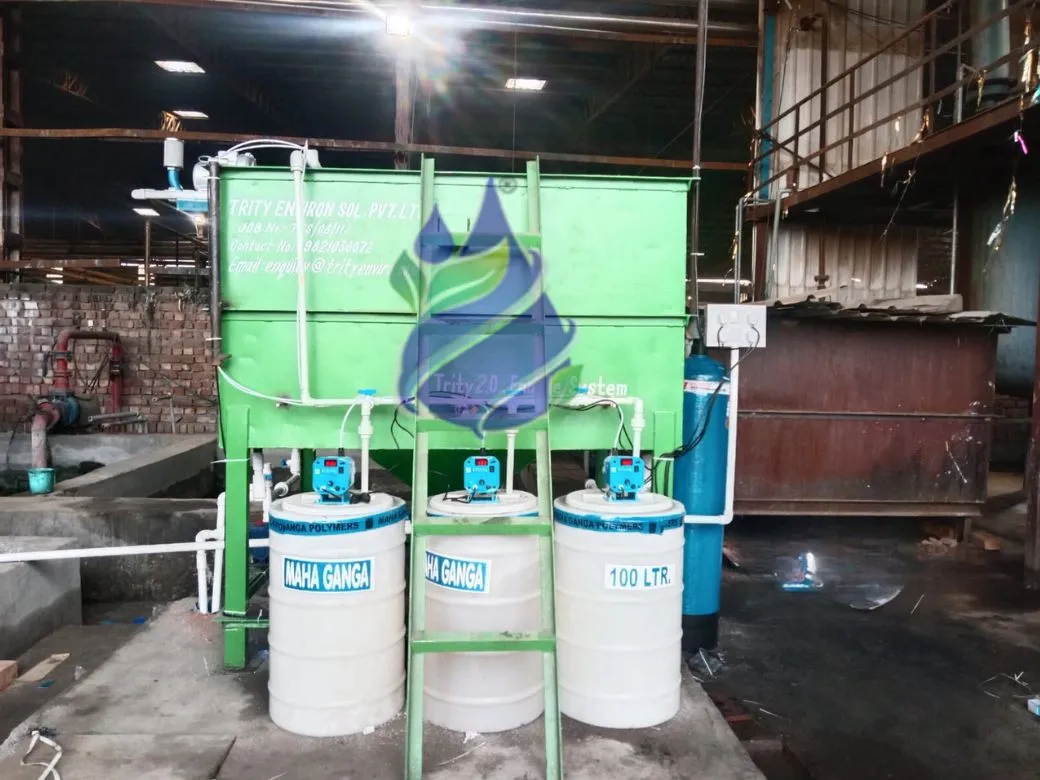
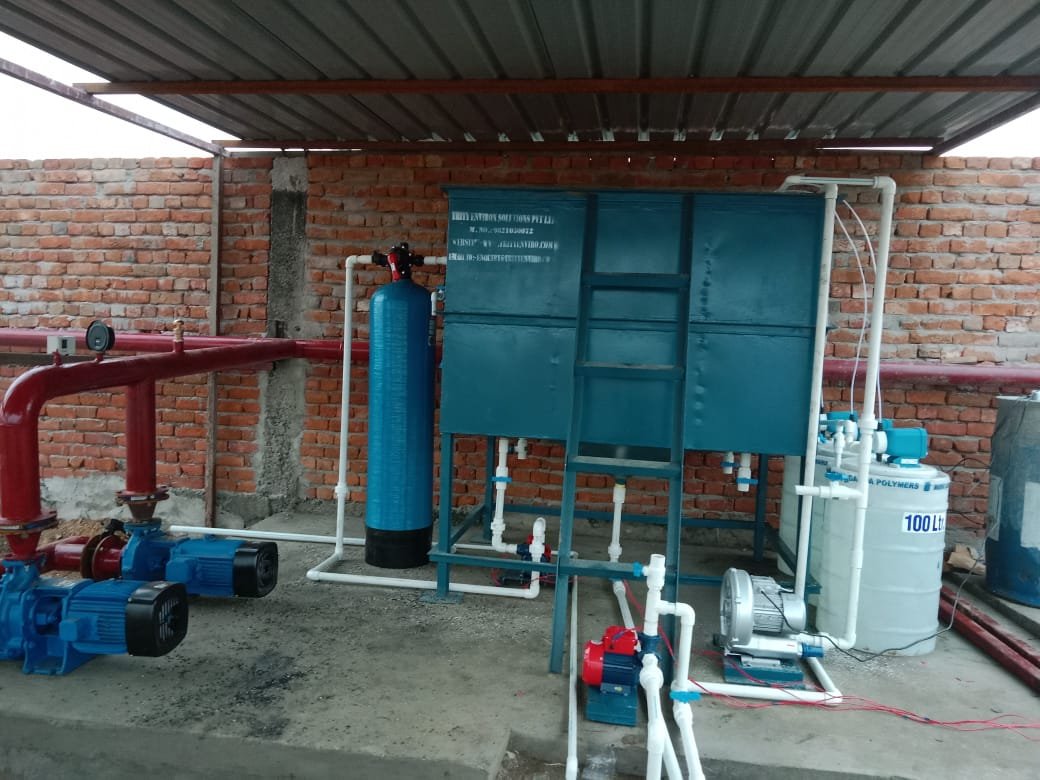
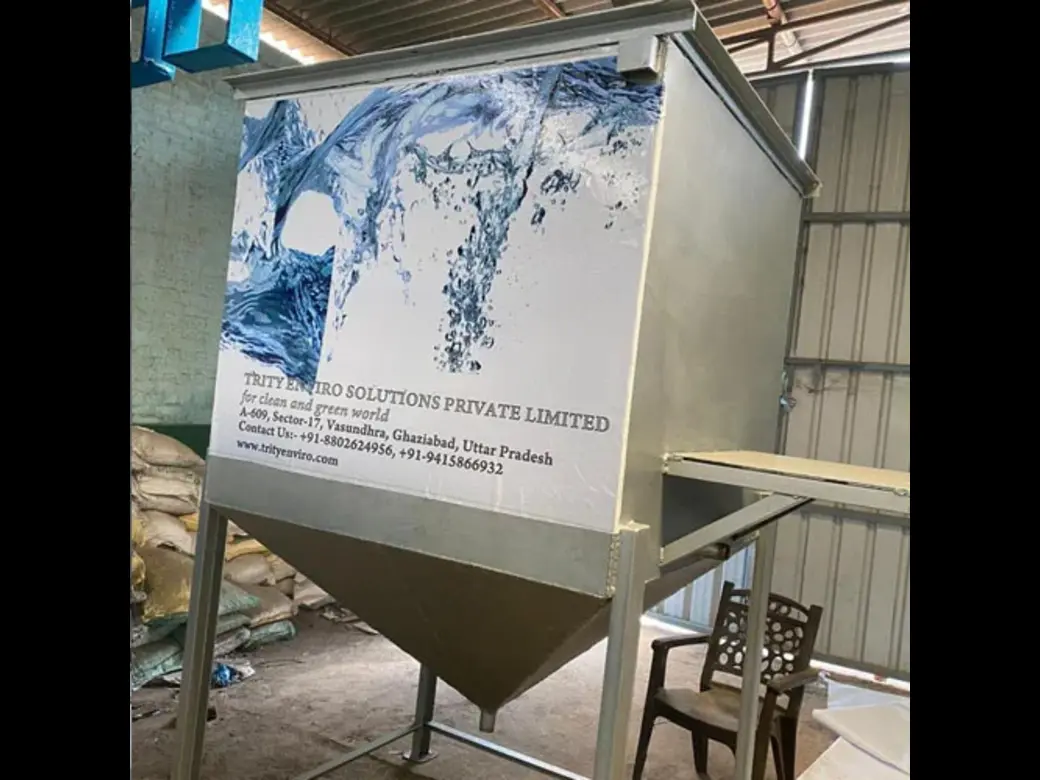
Trity Environ Solutions designs, manufactures, and installs STP and ETP systems for residential, commercial, and industrial clients across India, sized to actual influent load rather than a generic template, which you can explore on our products page.
Why Some River Stretches Are Worse Than Others
Pollution levels are not uniform along a river's length, and understanding why helps explain where intervention matters most.
Stretches near dense urban and industrial clusters bear the heaviest load: A river segment passing through a major industrial belt or a densely populated urban stretch receives far more sewage and effluent per kilometre than a rural stretch upstream, which is why CPCB's list of critically polluted river stretches concentrates heavily around cities and industrial estates.
Low flow during dry months reduces natural dilution: Rivers have some natural capacity to dilute and break down pollutants when flow is strong, but during summer months or drought years, reduced flow concentrates the same pollutant load into a smaller volume of water, making the same discharge far more damaging.
Tributaries often carry the real problem upstream: A river's main channel can look relatively clean while a smaller tributary joining it carries concentrated untreated sewage or industrial effluent from a town or industrial estate. Fixing the tributary's treatment infrastructure often does more for the main river's health than any downstream intervention.
Groundwater and river pollution are connected: In stretches where untreated effluent has been discharged for years, contamination does not stay confined to the river. It seeps into surrounding groundwater, which is one reason CPCB and SPCB monitoring increasingly tracks both together rather than treating river water quality in isolation.
Government Programs Driving River Cleanup in India
River pollution control in India runs through a mix of national programs and regulatory bodies, and awareness of these helps put individual or industrial action in context.
Namami Gange Programme: Launched to clean and rejuvenate the Ganga river basin, this flagship initiative funds sewage treatment infrastructure, riverfront development, and afforestation along the river's course, and has driven significant STP capacity addition in towns along the Ganga.
Central Pollution Control Board (CPCB) monitoring: CPCB tracks water quality across major Indian rivers and publishes data on Biochemical Oxygen Demand (BOD) and other pollution indicators, which forms the basis for identifying critically polluted river stretches that need priority intervention.
State Pollution Control Board (SPCB) enforcement: Discharge consents, inspection cycles, and penalties for non-compliant industrial units are enforced at the state level, and this is where most day-to-day accountability for industrial effluent actually happens.
National Green Tribunal (NGT) interventions: The NGT has repeatedly stepped in on specific river stretches where pollution control has lagged, ordering closure of non-compliant units or mandating CETP upgrades in industrial clusters.
How River Water Quality Is Actually Measured
Understanding the basic indicators used to track river health helps make sense of why certain stretches get flagged as critically polluted while others do not.
Biochemical Oxygen Demand (BOD): This measures how much oxygen microorganisms consume while breaking down organic matter in the water. High BOD means heavy organic pollution, typically from untreated sewage, and it directly correlates with how little oxygen is left for fish and other aquatic life.
Dissolved Oxygen (DO): Healthy rivers need sufficient dissolved oxygen to support aquatic ecosystems. As BOD rises from untreated discharge, dissolved oxygen falls, and stretches that drop below safe DO thresholds struggle to sustain fish populations even if the water looks visually clear.
Chemical Oxygen Demand (COD) and heavy metals: These indicators matter more for industrial pollution specifically, since they capture chemical contamination that biological oxygen demand alone does not fully reflect. Rivers near industrial clusters are monitored closely for both.
Faecal coliform count: This tracks the presence of sewage-related bacteria and is a direct indicator of untreated domestic waste entering the water, with implications for public health wherever river water is used downstream for irrigation, bathing, or drinking water sourcing.
CPCB and SPCB monitoring stations track these parameters at fixed points along major rivers, and consistent breaches against prescribed standards are what push a stretch onto the priority list for cleanup funding and enforcement action.
Technology Helping Close the Gap
Beyond conventional STP and ETP infrastructure, a few newer approaches are increasingly part of how Indian cities and industries are tackling river pollution at scale.
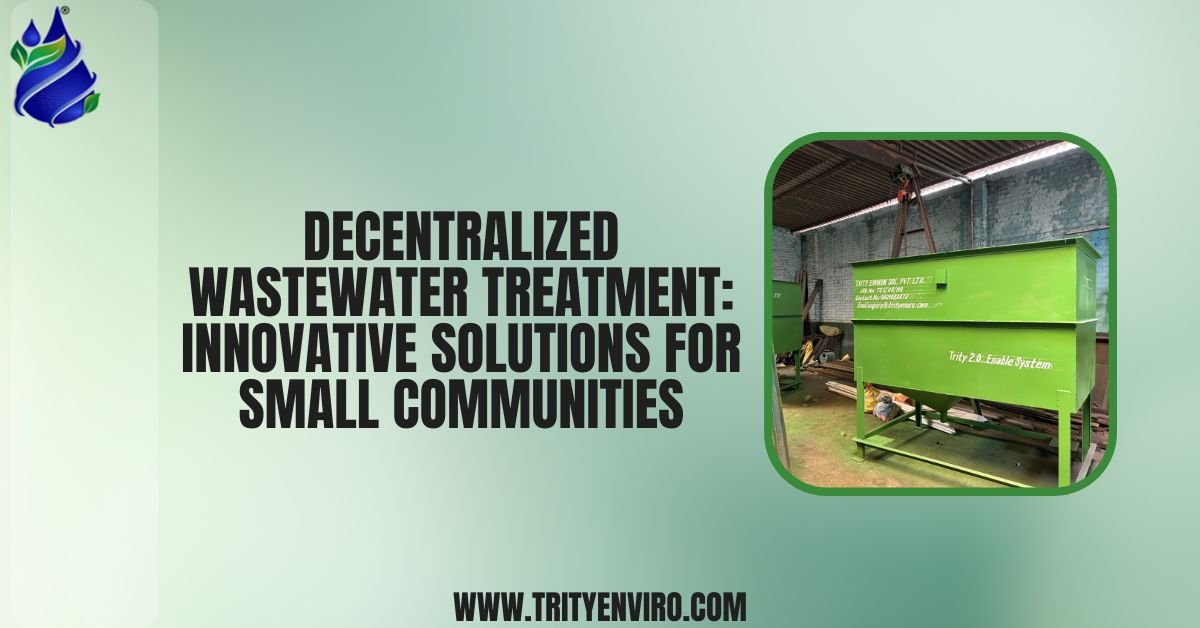
Decentralised treatment for smaller settlements: Building one large centralised STP for an entire city takes years and significant capital. Smaller, decentralised plants serving individual townships, colonies, or clusters of villages can be deployed faster and closer to the source, reducing the distance untreated sewage has to travel before treatment.
Real-time water quality monitoring: Sensor-based monitoring at key points along a river gives regulators faster visibility into pollution spikes, whether from an industrial discharge event or a sewage overflow, allowing quicker enforcement response than periodic manual sampling alone.
Constructed wetlands and natural treatment systems: For smaller flows, engineered wetlands using aquatic plants to absorb and break down pollutants offer a lower-cost, lower-energy alternative to full mechanical treatment plants, particularly suited to smaller towns with limited budgets.
Sludge-to-energy and resource recovery: Modern STPs increasingly treat sludge as a resource rather than pure waste, recovering biogas for energy or processing it into fertiliser, which improves the economics of running treatment plants and makes continuous operation more sustainable for smaller municipalities.
What Industries Can Do
Industrial units sitting on or near a river catchment carry a disproportionate share of responsibility, simply because their effluent is more concentrated than diffuse sources like runoff.
Install and properly maintain an ETP suited to your effluent profile: A generic system that does not match your actual wastewater characteristics, whether that is high COD from a dyeing unit or heavy metals from a metal finishing process, will underperform regardless of how well it is built. Effluent testing before plant design is non-negotiable.
Move toward water reuse rather than one-time discharge: Treating wastewater to a standard where it can be reused for cooling, gardening, or non-potable process needs reduces both freshwater withdrawal and the volume that ever needs to be discharged at all.
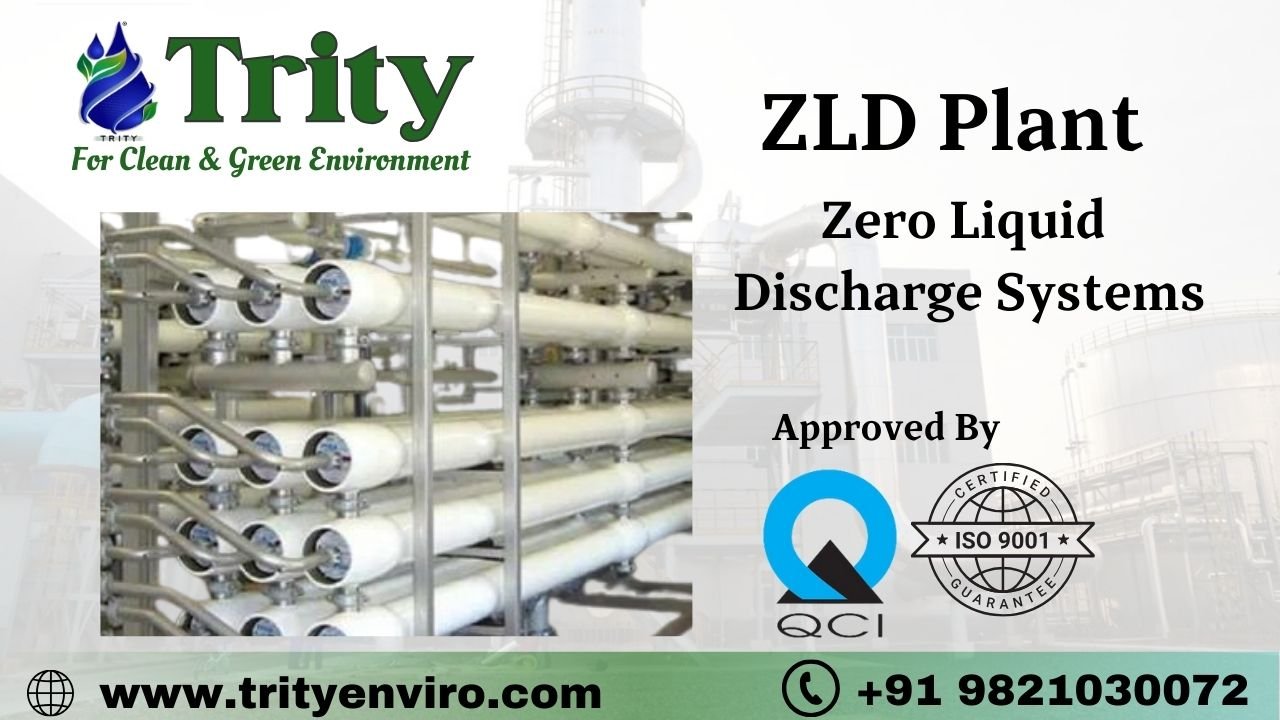
Commit to Zero Liquid Discharge where mandated: Several states now require Zero Liquid Discharge (ZLD) for high-pollution sectors like textile and dyeing, and units in these categories need to plan for evaporation and recovery systems rather than standard discharge-based treatment.
Keep discharge documentation and compliance current: A plant that met norms at commissioning but has never been re-tested against updated CPCB standards is a liability waiting to surface at the next inspection.
What Municipalities and Housing Societies Can Do
River pollution is not only an industrial problem. Urban sewage volume is the largest single contributor, and much of it originates from residential and commercial buildings rather than factories.
Install decentralised STPs for townships and housing complexes: Rather than relying entirely on overloaded municipal sewage networks, individual residential societies and commercial complexes can treat their own wastewater on-site and reuse treated water for landscaping and flushing, cutting their contribution to the river load directly.
Maintain and desilt existing drains and sewage networks: Sewage infrastructure that exists but is poorly maintained, blocked, or overflowing during monsoon defeats the purpose of the treatment plants downstream.
Segregate and manage solid waste before it reaches waterways: Organised collection systems for riverside markets and settlements reduce the volume of plastic and solid waste that ends up in the river simply because there was no alternative disposal route.
What Individuals Can Do
Individual action will not replace infrastructure, but it does reduce the load that treatment systems have to handle and closes gaps that regulation alone cannot reach.
Avoid dumping waste, chemicals, or religious offerings directly into rivers: Using designated collection points for idol immersion and floral waste during festivals, where available, keeps organic load away from the water body entirely.
Reduce single-use plastic near riverfronts and water bodies: Plastic waste that enters a river rarely gets removed again, and it persists as microplastics long after the visible debris has broken down.
Support and report non-compliant discharge: Reporting industrial units or drains discharging visibly untreated waste to the local SPCB helps close enforcement gaps that would otherwise go unnoticed.
Conserve water at the source: Lower freshwater demand reduces the volume of wastewater generated in the first place, which indirectly eases pressure on treatment infrastructure and discharge volumes.
The Bigger Picture
Reducing river pollution in India ultimately comes down to closing the gap between the wastewater a city or industry generates and the wastewater it actually treats before releasing it. Government programs like Namami Gange and CPCB monitoring set direction and enforce standards, but the real capacity has to be built at the level of individual STPs, ETPs, and CETPs installed and properly maintained by residential societies, industries, and municipalities. Every functioning treatment plant is one less source of untreated discharge, and that is the lever that actually moves the needle over time.
If your industrial unit, residential township, or commercial complex needs a sewage or effluent treatment system designed to actually meet CPCB and SPCB discharge norms, Trity Environ Solutions can help with site assessment, design, manufacturing, installation, and ongoing AMC support. Reach out through our services page or contact us at enquiry@trityenviro.com or +91-9821030072.
Frequently Asked Questions
What is the main cause of river pollution in India?
Untreated or partially treated domestic sewage is the largest single contributor, followed by industrial effluent, agricultural runoff, and solid waste dumping. Most of this traces back to a gap between wastewater generated and actual treatment capacity available.
How does an STP help reduce river pollution?
A Sewage Treatment Plant treats domestic wastewater from households, colonies, and commercial buildings through primary, secondary, and sometimes tertiary treatment stages before the water is discharged or reused, preventing raw sewage from reaching rivers and drains untreated.
What is the difference between an STP and an ETP in the context of river pollution?
An STP treats domestic-type sewage, while an ETP treats industrial process wastewater, which typically carries chemical, organic, or heavy metal contamination that domestic-grade treatment cannot handle. Rivers near industrial belts need both types of infrastructure functioning properly to stay within safe pollution limits.
Is river pollution only an industrial problem?
No. Urban domestic sewage is typically the largest contributor by volume, even though industrial effluent tends to be more toxic per litre. Effective river pollution control needs action from municipalities, housing societies, and individuals, not industries alone.
What can a housing society do to reduce its contribution to river pollution?
Installing a decentralised STP for the complex, treating wastewater on-site, and reusing treated water for landscaping or flushing reduces the untreated sewage load reaching municipal drains and, eventually, the river.
How is river water quality monitored in India?
CPCB and SPCB monitoring stations track indicators like Biochemical Oxygen Demand, Dissolved Oxygen, Chemical Oxygen Demand, and faecal coliform count at fixed points along major rivers. Consistent breaches of prescribed standards at any point are what get a stretch classified as critically polluted and flagged for priority intervention.