Introduction
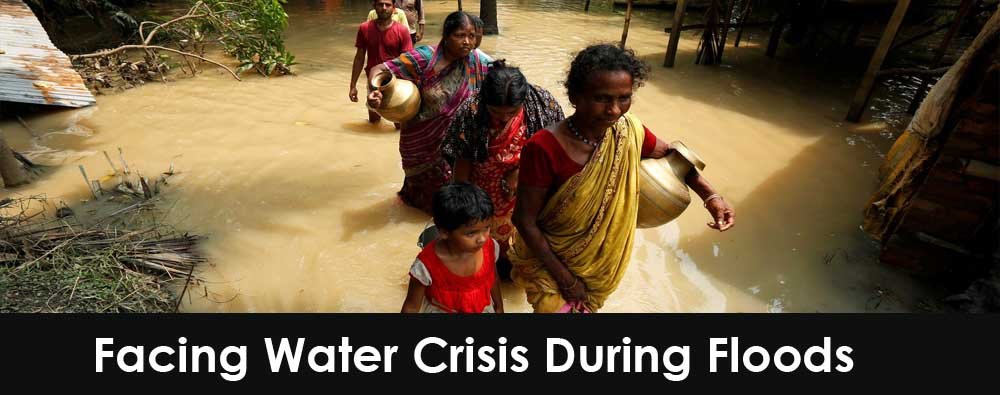
It sounds contradictory, but anyone who has lived through a flood in India knows it is true: the more water there is, the harder it becomes to find any that is actually safe to drink. Rivers overflow, drains back up, and sewage mixes freely with drinking water sources, turning what should be abundance into a genuine public health emergency. States like Bihar, Assam, Kerala, and parts of Uttar Pradesh see this cycle almost every monsoon, and cities like Mumbai and Chennai face their own version of it during heavy urban flooding. Understanding why flood water becomes unsafe, and what to actually do about it, matters far more than most people realise until they are standing in it, whether that means treating water safely inside a flooded home, managing supply for a relief camp, or restoring a treatment plant that has gone offline.
Why Flood Water Is So Dangerous
Flood water is not just rainwater. It is a mix of everything the flood has picked up on its way, and that mix is what makes it hazardous.
Sewage overflow is the biggest contamination source: When drains, septic tanks, and sewage treatment plants are submerged or overwhelmed beyond their design capacity, raw sewage mixes directly into floodwater. This is the single largest reason flood water carries such a high risk of disease.
Industrial and agricultural runoff adds chemical contamination: Floodwater passing through industrial areas, fields treated with fertiliser and pesticide, or waste dumping sites picks up chemical contaminants that plain settling or boiling cannot fully remove.
Groundwater and well contamination persists after the water recedes: Open wells and shallow borewells near flooded areas often remain contaminated with bacteria and organic matter for weeks after visible floodwater has drained away, which is why water sources need testing before being trusted again, not just visual clarity.
Debris and silt carry additional pathogens: Floating waste, dead animals, and disturbed soil all contribute organic material that fuels bacterial growth, adding to the biological load that any purification step needs to deal with. Even after visible debris settles or is removed, the biological contamination it left behind in the water often lingers well past the point where the water starts to look clean again.
Immediate Water Purification Methods During a Flood
When treated water supply is disrupted, the priority shifts to making available water safe enough to drink, even if it is not perfectly clean.
Boiling remains the most reliable emergency method: Bringing water to a rolling boil for at least one minute kills the bacteria, viruses, and parasites responsible for most waterborne disease. It does nothing for chemical contamination or suspended silt, so visibly dirty water should be filtered through a clean cloth before boiling.
Chlorination tablets or liquid chlorine work well for larger quantities: Halogen or chlorine-based purification tablets, widely distributed during flood relief operations in India, are effective against most pathogens and are far more practical than boiling when treating water for a household or relief camp over several days.
Portable filtration and UV units add a physical barrier: Where available, a portable water filter with a fine enough pore size, followed by UV disinfection, removes both particulate matter and microorganisms without needing fuel or electricity for boiling, which matters when power supply is also disrupted.
Reverse osmosis units provide the highest level of purification: For relief camps, hospitals, and community shelters, a compact RO unit can process larger volumes to a consistently safe standard, particularly useful where the water source also carries dissolved chemical contamination that boiling or chlorination alone cannot address.
Never rely on floodwater's visual clarity as a safety signal: Water that looks clear can still carry dangerous bacterial or viral load, and water that looks murky is not automatically more dangerous once properly filtered and treated. Appearance alone is not a reliable test.
Why Treatment Infrastructure Fails During Floods
Understanding why municipal and community water systems break down during a flood explains why individual-level purification becomes so critical in the first place.
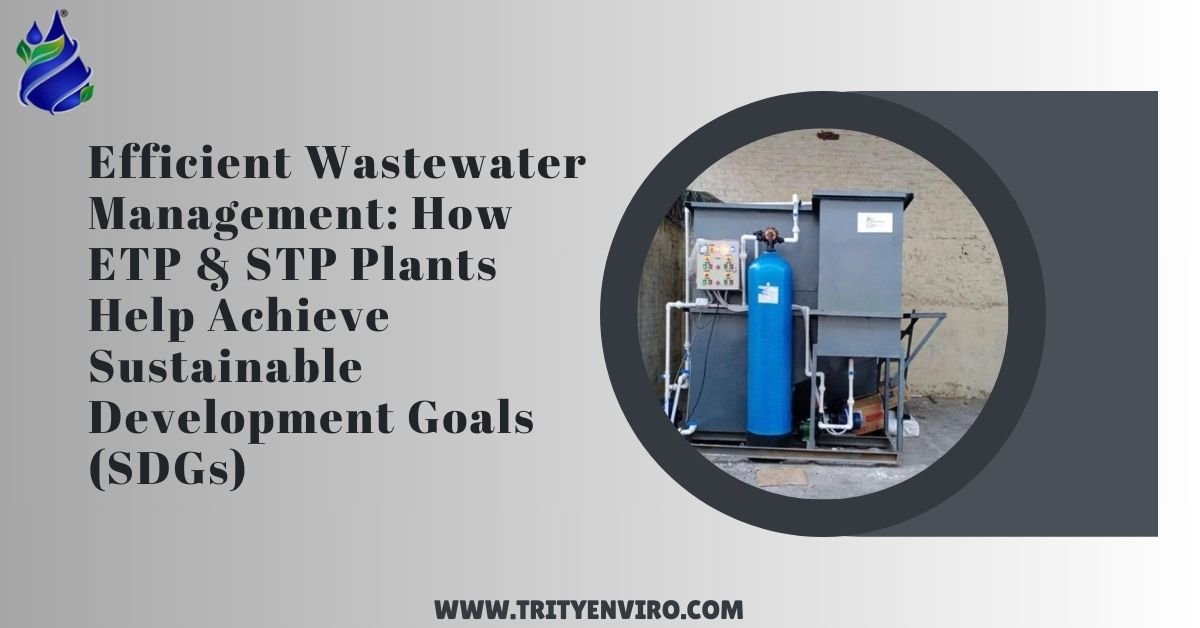
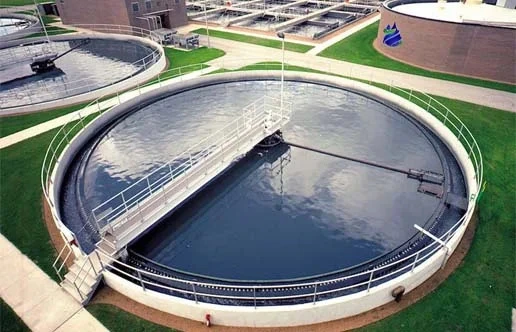
STPs and ETPs get overwhelmed beyond design capacity: A sewage or effluent treatment plant sized for normal daily flow cannot process the sudden surge in volume that a flood event brings, and the excess often bypasses treatment entirely, discharging partially or fully untreated water directly into the surrounding area.
Power outages disable treatment processes: Most biological and chemical treatment stages depend on continuous power for aeration, pumping, and dosing. A prolonged outage during a flood, which is common, stalls these processes exactly when they are needed most.
Physical submersion damages equipment: Pumps, blowers, and electrical panels at ground level or in low-lying pits are especially vulnerable to submersion damage, and a plant that goes offline during a flood can take weeks to fully restore even after the water recedes.
Cross-contamination between supply and sewage lines occurs at damaged junctions: Ageing or poorly maintained pipe networks can develop cross-connections during flood pressure changes, allowing sewage to enter drinking water supply lines directly, which is one of the more dangerous and harder-to-detect failure modes during major flood events. This is also why boiling or otherwise treating tap water remains a sensible precaution even after supply nominally resumes, since a cross-connection can persist quietly for days before it is identified and repaired.
Building Flood-Resilient Water Infrastructure
Cities and industrial estates in flood-prone regions increasingly need to design treatment systems with flood resilience in mind, not just standard capacity.
Elevated or flood-proofed electrical and control systems: Placing critical electrical panels and control systems above known flood levels prevents the kind of submersion damage that takes treatment plants offline for weeks at a time.
Backup power and manual bypass options: A treatment plant with backup generator capacity and a manual operating mode can continue functioning, even at reduced capacity, through a power outage rather than discharging untreated water entirely.
Decentralised treatment reduces single-point failure risk: A city relying on one large centralised STP is more vulnerable during a flood than one with several smaller, decentralised plants spread across different zones, since a single flood event is less likely to take out all of them simultaneously.
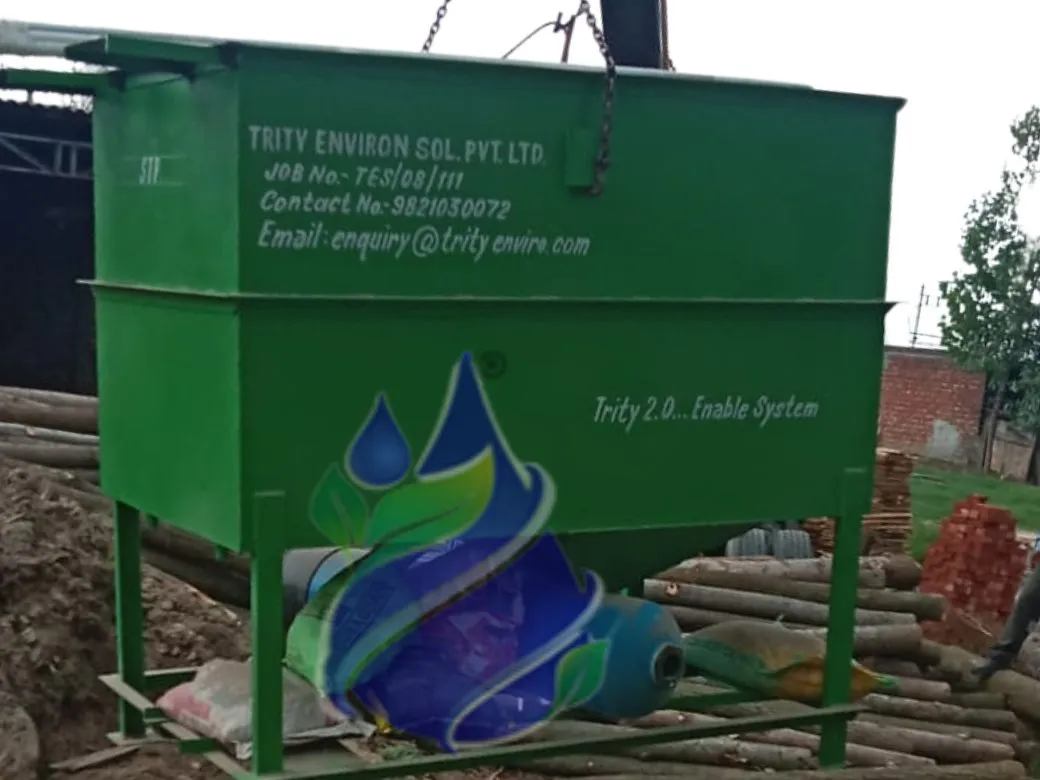
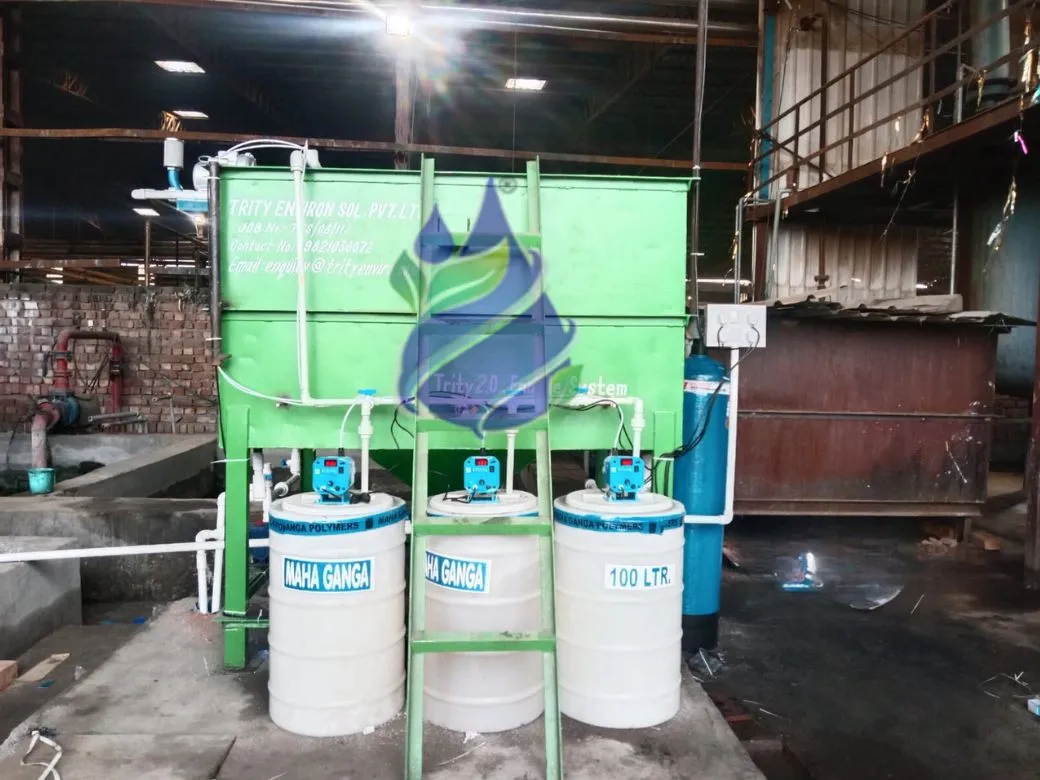
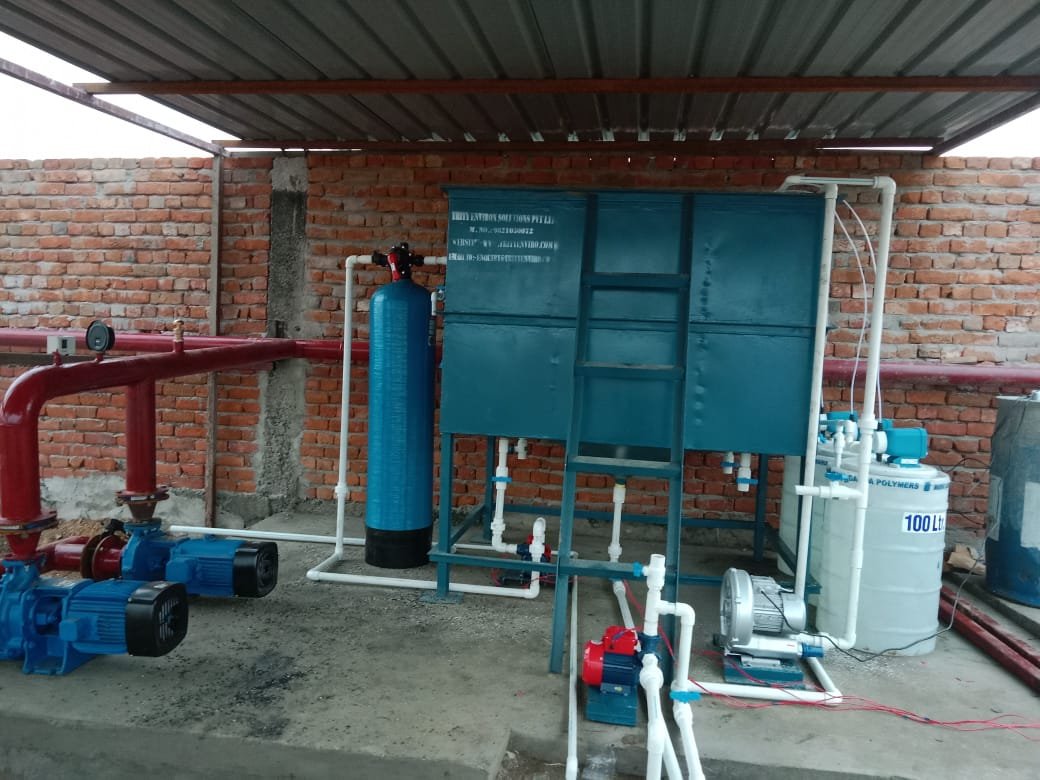
Elevated intake and overflow design for STPs and ETPs: Plants built with elevated intake points and properly designed overflow and bypass systems handle sudden volume surges more gracefully, reducing the volume of completely untreated discharge during peak flood events. Trity Environ Solutions designs STP and ETP systems with these site-specific resilience factors built in from the design stage, particularly for clients in flood-prone industrial belts.
Waterborne Diseases to Watch For After a Flood
The public health risk from a flood does not end when the water recedes. It often peaks in the days and weeks afterward.
Cholera and typhoid spread through contaminated drinking water: Both are bacterial infections linked directly to sewage-contaminated water sources, and outbreaks are common in flood-affected areas where safe drinking water access remains disrupted for extended periods.
Diarrhoeal disease is the most widespread flood-related illness: Even without a specific named outbreak, general gastrointestinal illness from contaminated water spikes sharply in flood-affected populations, disproportionately affecting children and the elderly.
Leptospirosis spreads through contact with contaminated water: Unlike the diseases above, this bacterial infection spreads through skin contact with water contaminated by animal urine, making it a real risk for anyone wading through floodwater rather than just those drinking it.
Hepatitis A risk rises with prolonged exposure to contaminated water: This viral infection spreads through the same faecal-oral contamination route as cholera and typhoid, and vaccination or careful water hygiene are the primary defences during extended flood exposure.
Safe Water Storage After Purification
Purifying water is only half the job. Improperly stored water can become contaminated again within hours.
Use clean, covered containers: Even properly boiled or chemically treated water can pick up new contamination if stored in an open or previously dirty container.
Avoid dipping hands or shared utensils directly into stored water: Using a tap, ladle, or pour spout instead of dipping reduces the chance of reintroducing bacteria into treated water.
Re-treat water stored for more than 24 hours where possible: Chlorine residual in treated water fades over time, and water stored for extended periods, particularly in warm conditions, benefits from a fresh dose of purification before use. This matters more in relief camp settings where water is often stored in bulk containers for several days at a stretch, since the risk of recontamination compounds with every hour it sits unprotected.
Regions in India Most Affected by This Cycle
Flood-related water crises are not evenly distributed across the country, and each region tends to face a slightly different version of the same underlying problem.
Bihar and the Kosi basin: Known as the "sorrow of Bihar," the Kosi river's annual flooding displaces large populations and regularly contaminates both surface water and shallow groundwater across the region, making this one of India's most recurring flood-related water crisis zones.
Assam and the Brahmaputra basin: Annual monsoon flooding along the Brahmaputra and its tributaries submerges large agricultural and residential areas, and the sheer scale of displacement each year puts significant strain on emergency water purification and relief camp infrastructure.
Kerala's periodic severe flooding: Major flood events in Kerala have repeatedly shown how quickly a state with otherwise strong water infrastructure can face acute safe drinking water shortages when treatment plants and distribution networks are submerged simultaneously.
Urban flooding in Mumbai and Chennai: Unlike river basin flooding, urban flooding here comes from drainage systems overwhelmed by intense rainfall in a short period, mixing stormwater with sewage in low-lying areas and creating localised but severe contamination even in cities with generally functional water infrastructure.
Eastern Uttar Pradesh: Districts along the Ghaghra, Rapti, and Gandak rivers see recurring flood cycles that follow a similar pattern to Bihar, straining both municipal supply and the many private wells and handpumps that rural households depend on.
Government and Disaster Management Response
India has built a structured response framework for flood-related water crises, and knowing how it works helps residents understand what support to expect.
National Disaster Management Authority (NDMA) guidelines: NDMA has published specific guidelines on safe drinking water during floods, covering everything from emergency purification methods to the safe reopening of wells and water sources after floodwater recedes.
State disaster response and relief camps: State disaster management authorities typically coordinate distribution of chlorination tablets, bottled water, and portable purification equipment at relief camps, though the scale and speed of this response varies significantly depending on the severity of the event and the region affected.
BIS drinking water standards guide restoration: Once municipal supply is restored, water quality is expected to meet IS 10500, the Bureau of Indian Standards specification for drinking water, before being declared safe for general use again.
Community-level early warning and preparedness: Increasingly, flood-prone districts are investing in early warning systems and pre-positioned purification supplies, since acting before the flood peaks rather than after it recedes measurably reduces the disease burden that follows.
What to Do Once Water Supply Is Restored
Restoration of municipal water supply after a flood does not automatically mean the water is safe again.
Wait for an official safety confirmation where available: Local municipal bodies typically test and confirm water safety before declaring supply restored, and this confirmation should be treated as the signal to resume normal use rather than the mere presence of water in the taps.
Flush pipes and fixtures before use: Stagnant water sitting in pipes during an outage can pick up contamination from the pipe interior itself, so running taps for a few minutes before use helps clear this out.
Test private wells and borewells before resuming use: Unlike municipal supply, private water sources are rarely tested centrally, and well owners in flood-affected areas should get water tested for bacterial contamination before trusting it again, even if it looks and smells normal.
Continue boiling or treating water for a precautionary period: Public health advisories in India commonly recommend continuing to boil or chemically treat drinking water for a period after official restoration, since distribution network contamination can take longer to fully clear than the treatment plant itself.
If your facility, township, or industrial site is in a flood-prone zone and needs a water or wastewater treatment system designed with flood resilience built in, Trity Environ Solutions can help with site assessment and system design. Reach out through our services page or contact us at enquiry@trityenviro.com or +91-9821030072.
Frequently Asked Questions
Is boiled floodwater completely safe to drink?
Boiling kills most bacteria, viruses, and parasites, but it does not remove chemical contamination or dissolved heavy metals that some floodwater carries, particularly near industrial areas. Visibly dirty water should also be filtered before boiling, since boiling alone does not remove suspended silt or debris.
How long after a flood is tap water usually safe again?
This varies by location and depends on official confirmation from the local municipal body, since treatment plant recovery and distribution network flushing both take time. It is common practice to continue boiling or chemically treating water for a period even after supply is officially restored.
Why do sewage treatment plants fail during floods?
STPs and ETPs are designed for a specific daily flow capacity, and flood-level volumes far exceed that design capacity. Power outages, physical submersion of equipment, and pipe cross-contamination all compound the problem, often taking plants fully or partially offline for the duration of the flood and sometimes weeks beyond it.
What is the safest emergency purification method if I have no equipment?
Boiling water for at least one minute is the most accessible and reliable method with no special equipment required, provided a heat source is available. Filtering through a clean cloth first removes visible debris and improves the effectiveness of boiling on genuinely dirty water.
Can floodwater contaminate a private borewell even if the well itself was not submerged?
Yes. Contaminated surface water can seep into shallow groundwater sources during a flood even without direct submersion of the well itself, which is why testing before resuming use is recommended regardless of whether the well appeared to be directly affected.
Does chlorination alone make floodwater completely safe?
Chlorination is effective against most bacteria and viruses when used at the correct concentration and given enough contact time, typically around 30 minutes, but it does not remove chemical contaminants, heavy metals, or suspended silt. Visibly turbid water should be filtered first, since heavy silt content can reduce chlorine's disinfection effectiveness significantly.