Trity Environ Solutions is a trusted Zero Liquid Discharge Plant Manufacturer in India offering custom-engineered ZLD systems, turnkey project execution, and PAN India installation support for pharmaceutical, chemical, textile, and other industrial sectors. Get a quote today.
Industrial wastewater regulations in India are tightening fast. Plants that fail to achieve zero discharge face shutdown notices, heavy financial penalties, and Consent to Operate revocations.
Trity Environ Solutions is a trusted ZLD plant manufacturer offering end-to-end design, supply, installation, and commissioning of industrial wastewater recovery systems across India.
With proven experience in treating high-TDS and complex industrial effluent, we help manufacturing units achieve full CPCB and SPCB compliance while recovering up to 95% of process water for internal reuse.
Our PAN India project execution capability means your facility gets expert engineering support from concept to commissioning, regardless of location or industrial sector.
Industrial operations generate large volumes of contaminated wastewater -- high in TDS, heavy metals, organic load, and hazardous compounds.
Discharging untreated or partially treated effluent violates the Environment Protection Act, CPCB norms, and State Pollution Control Board directives. Non-compliance leads to regulatory closures, consent cancellations, and production stoppages that cost far more than the plant itself.
A Zero Liquid Discharge system solves this at the source. Instead of releasing effluent, the system processes wastewater through multiple treatment stages -- recovering clean water for internal reuse while concentrating dissolved solids into manageable solid waste.
The result is zero liquid discharged to drains or water bodies, full regulatory compliance, and a meaningful reduction in freshwater procurement costs.
At Trity Environ Solutions, every industrial ZLD plant is engineered specifically for your effluent quality, daily flow volume, and site conditions. We conduct detailed effluent characterization before designing a system that fits your plant's actual operational parameters -- not a generic configuration.
A ZLD plant is an integrated wastewater treatment system that processes all industrial effluent, recovers water for reuse, and produces dry solid waste -- achieving zero liquid discharge to the environment. Industries install ZLD systems to meet CPCB and SPCB compliance mandates, reduce freshwater costs, and eliminate effluent disposal liabilities.
The CPCB and State Pollution Control Boards have mandated ZLD compliance for textile dyeing, pharmaceuticals, chemicals, tanneries, sugar, distilleries, and paper industries.
Non-compliant units face Consent to Establish (CTE) and Consent to Operate (CTO) revocations. Regulatory enforcement is intensifying as groundwater contamination becomes a national priority.
India is classified as a water-stressed country. Industrial units that depend on borewells face supply uncertainty and rapidly rising extraction costs.
A properly designed industrial ZLD system recovers 90 to 95% of process water and returns it to the production cycle. For plants consuming large water volumes, the savings in freshwater procurement run into crores annually.
Common Effluent Treatment Plants charge industries for effluent volume and TDS load. Tanker transport and liquid waste disposal add further recurring expenditure.
A zero discharge system eliminates these costs entirely by treating and recycling all wastewater on-site -- converting a recurring liability into a one-time capital investment.
Industries without a compliant wastewater recovery system face ongoing risk of production suspension and legal action.
A properly engineered ZLD plant protects your operational continuity, removes compliance risk, and strengthens your sustainability credentials with global buyers and institutional auditors.
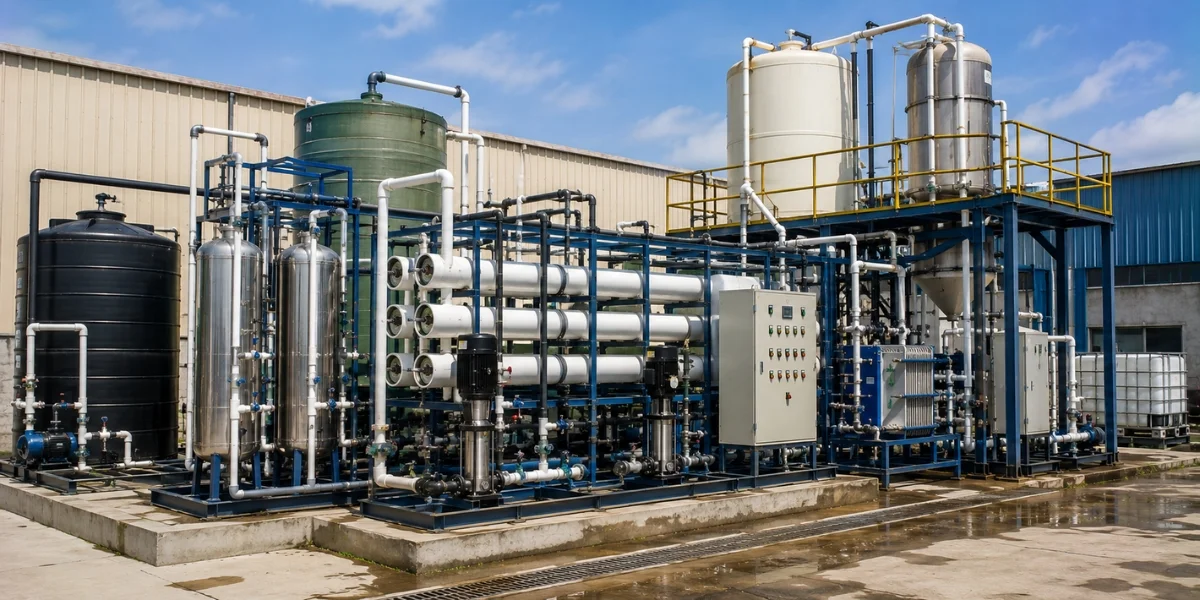
A zero discharge system integrates multiple treatment technologies in sequence to achieve near-total wastewater recovery. Here is how each stage contributes:
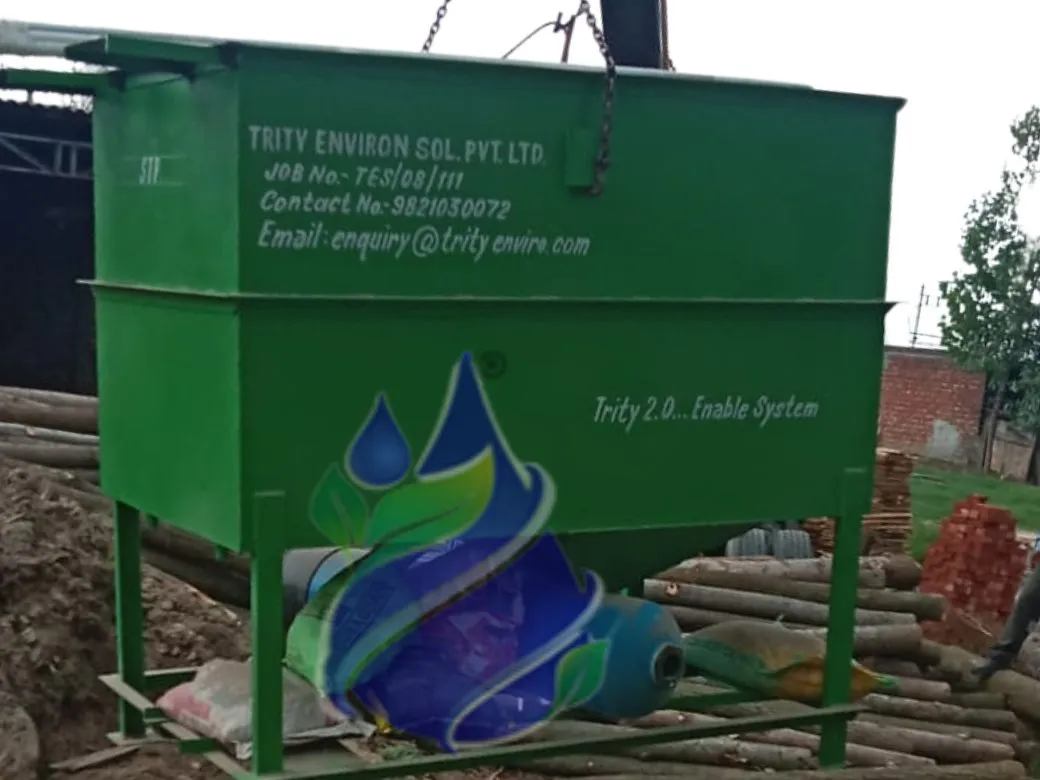
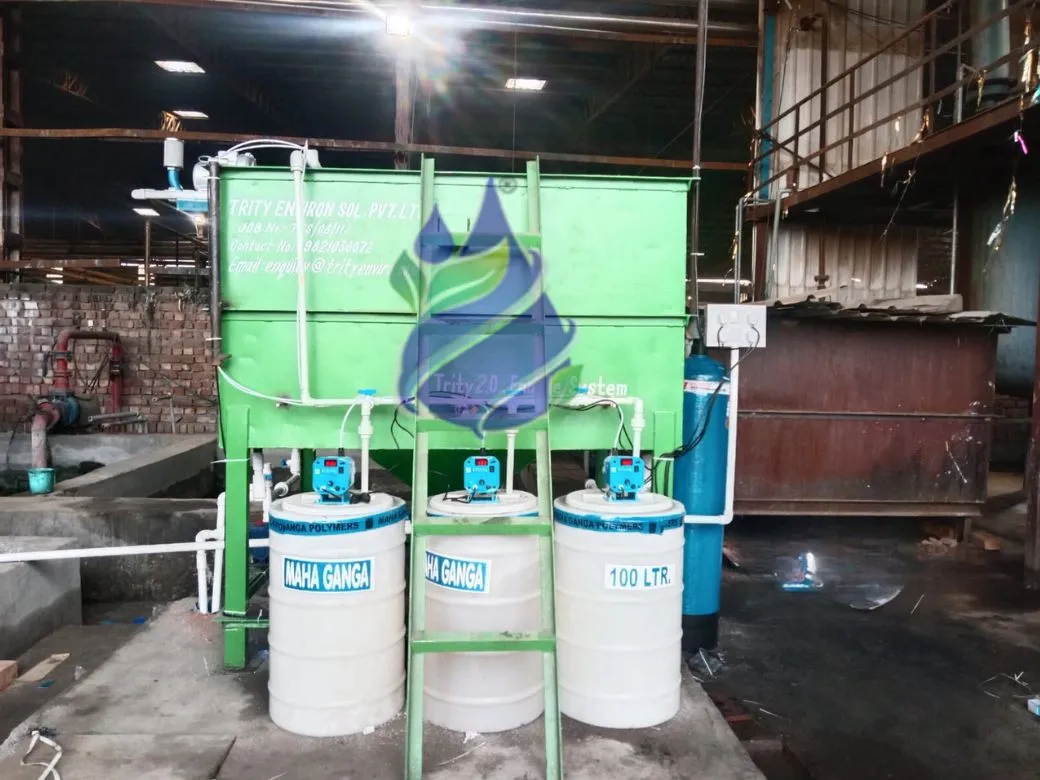
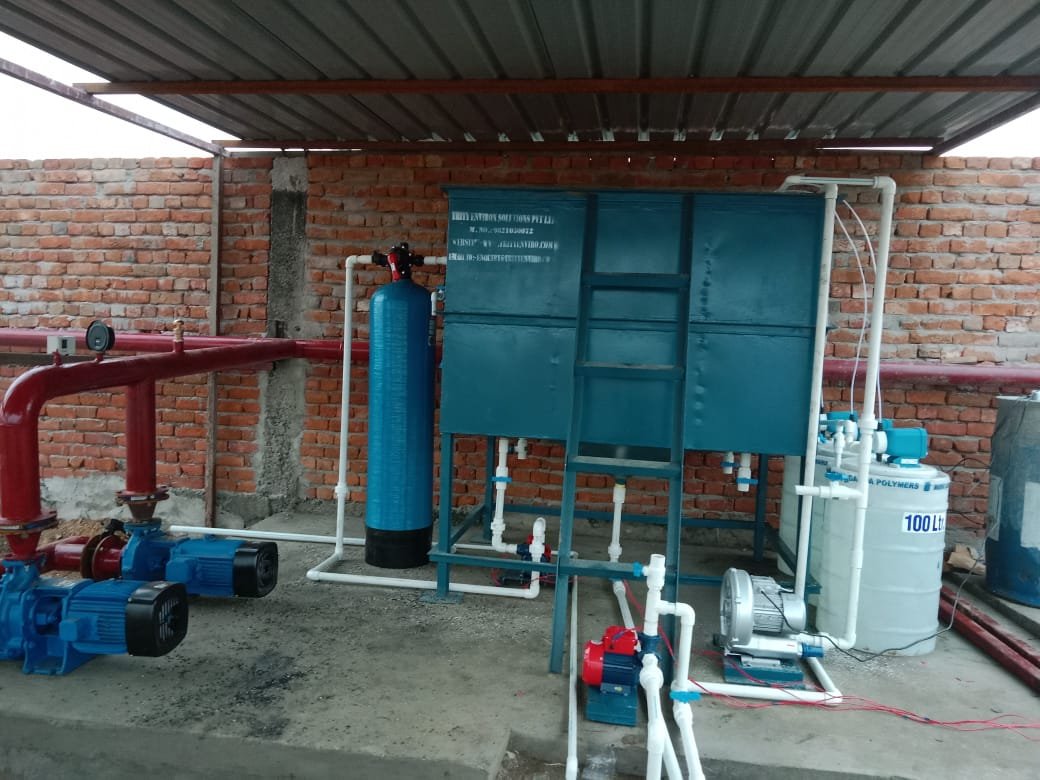
Pre-Treatment: Raw effluent passes through screening, equalization, and a Clarifier System to remove suspended solids, oil, grease, and coarse contaminants. Chemical dosing adjusts pH and precipitates heavy metals.
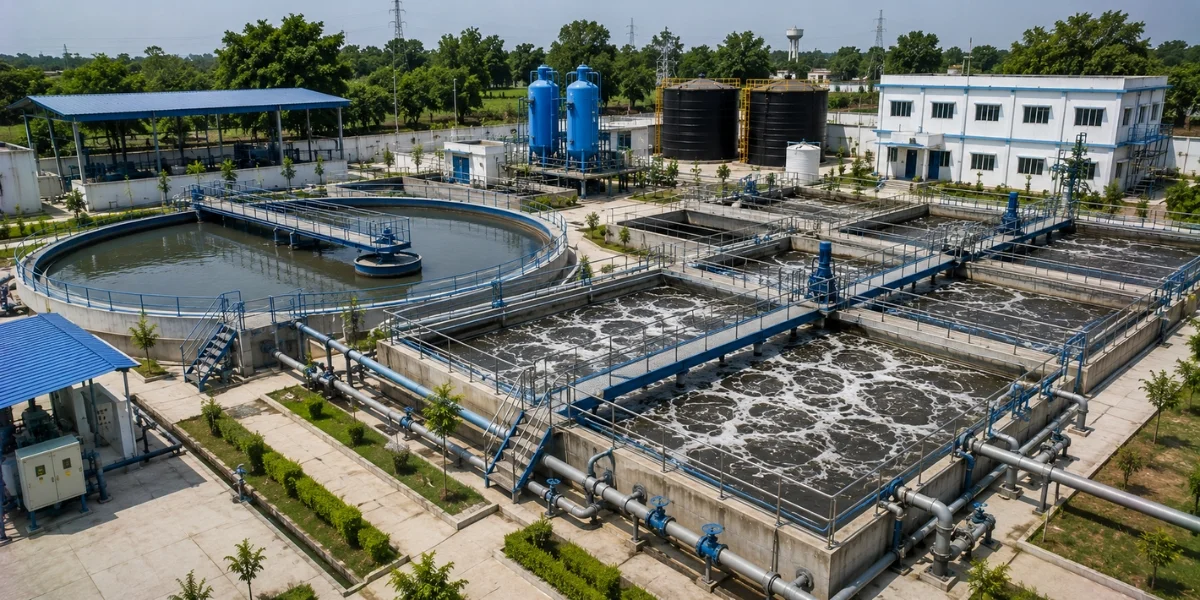
Primary and Secondary Treatment: The Effluent Treatment Plant stage manages BOD and COD through biological treatment, flocculation, and sedimentation. Effective ETP pre-treatment directly protects the downstream RO and evaporation systems from fouling and scaling.
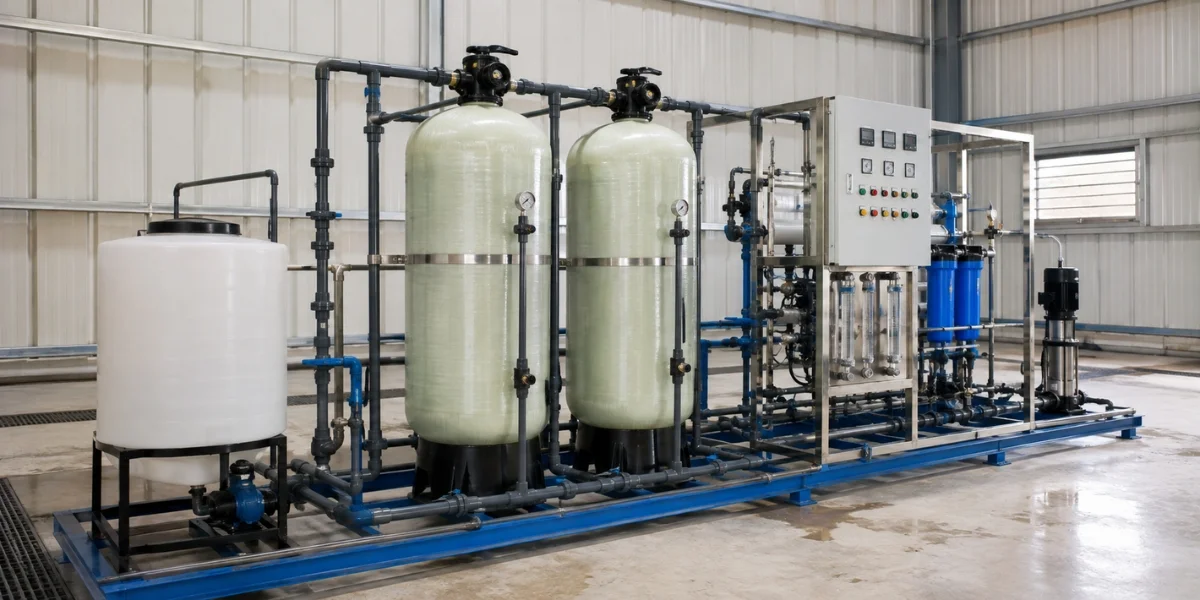
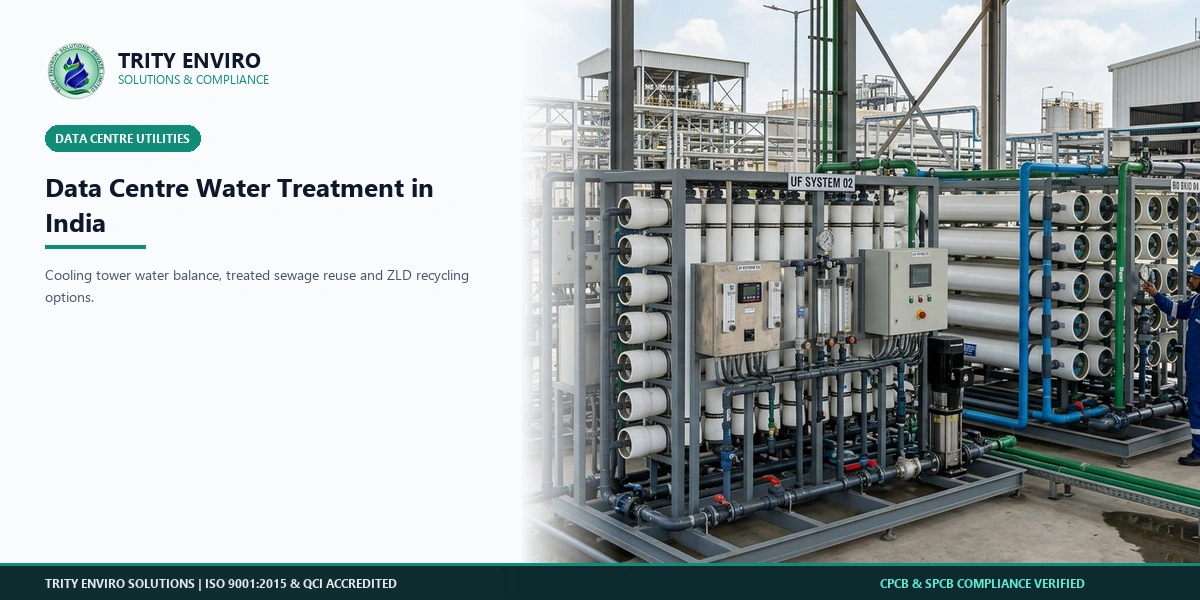
Ultrafiltration and RO: An Ultra Filtration System polishes the treated effluent before it enters the high-pressure Industrial RO Plant. The RO membranes reject dissolved salts, producing clean permeate for reuse and a concentrated reject stream for further treatment.
Multiple Effect Evaporation (MEE): RO concentrate enters the Multiple Effect Evaporator, where heat-driven evaporation removes water and concentrates dissolved solids into a slurry. MEE systems are engineered for energy efficiency using vapor recompression.
Crystallization (ATFD): An Agitated Thin Film Dryer processes the MEE slurry to produce a dry solid salt cake, completing the zero discharge cycle. The solid waste is sent for authorized disposal as per SPCB norms.
This integrated process achieves 95 to 99% water recovery depending on influent characteristics.
| Component | Function |
|---|---|
| Effluent Treatment Plant (ETP) | Primary and secondary treatment of raw industrial effluent |
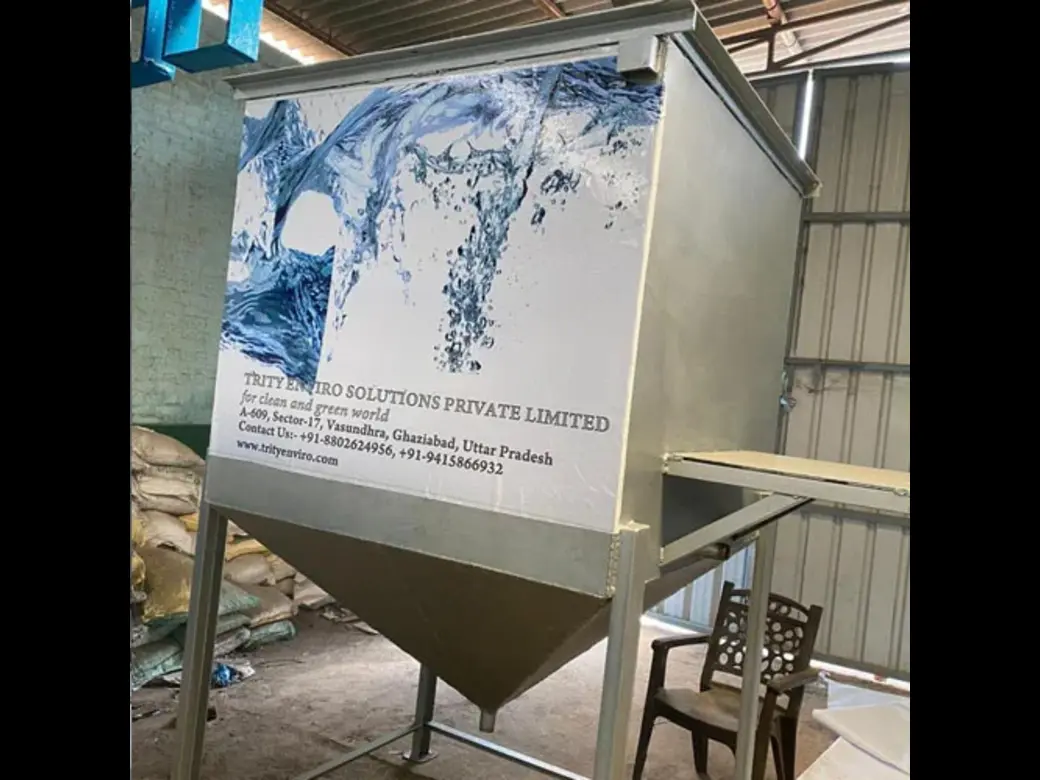
| Clarifier System | Removal of suspended solids through chemical precipitation and settling |
| Ultra Filtration System | Membrane filtration to reduce turbidity and protect RO membranes |
| Industrial RO Plant | High-pressure membrane separation to reject dissolved salts |
| Multiple Effect Evaporator (MEE) | Evaporative concentration of high-TDS RO reject streams |
| ATFD (Agitated Thin Film Dryer) | Final drying of MEE slurry to produce solid salt cake |
| Water Softener Plant | Hardness removal to protect RO membranes and MEE systems |
| DM Plant | Deionization of recovered water for high-purity process reuse |
| Sludge Handling System | Sludge dewatering and cake management for solid waste compliance |
Trity Environ Solutions has engineered and commissioned industrial ZLD plants across a broad range of sectors. Each system is custom-configured for the specific effluent profile and compliance requirement of that industry.
If your sector is not listed, contact our engineering team with your effluent characterization data and daily flow volume for a technical assessment.
A well-designed ZLD system recovers 90 to 95% of all process wastewater for internal reuse in cooling towers, boilers, scrubbers, and utility systems.
For a plant consuming 500 KLD of freshwater, this means recovering 450 to 475 KLD daily -- reducing your dependence on groundwater and municipal supply at scale.
A commissioned and operational ZLD plant demonstrates compliance with CPCB, SPCB, and Environment Protection Act requirements.
This ensures uninterrupted Consent to Operate renewal, smooth environmental clearance processes, and protection against regulatory action.
With zero liquid discharge, recurring CETP usage fees, effluent tanker contracts, and liquid waste transport costs are eliminated entirely.
The plant recovers its capital cost through operational savings -- while permanently removing an ongoing financial and legal liability.
Recovered and treated water re-enters the production cycle, reducing your plant's freshwater requirement significantly.
For water-intensive industries, this translates into measurable savings on water procurement, transport, and utility management across the financial year.
Environmental non-compliance penalties under Indian law can reach several lakhs per violation and escalate quickly with repeat offences.
A functional ZLD plant removes this financial and legal risk permanently and provides documented evidence of responsible water management during regulatory audits.
Global buyers, export customers, and institutional investors increasingly require suppliers to demonstrate responsible water use.
A certified zero discharge system strengthens your sustainability profile, supports ESG reporting, and opens supply chain opportunities that require documented environmental compliance.
Need a Customized ZLD Plant for Your Industry?
Trity Environ Solutions provides technical consultation, plant sizing, and detailed commercial proposals for industrial zero discharge projects across India.
Request a Project Quote | Get Technical Consultation | Discuss Your Effluent Requirement
Our engineering team responds within 24 business hours. PAN India project execution available.
We do not apply standard designs to non-standard problems.
Every ZLD plant begins with a detailed effluent characterization study that determines TDS levels, organic load, chemical composition, and flow variability. This data drives the system design, ensuring your plant is sized correctly and performs reliably from day one.
Trity Environ Solutions manages the full project lifecycle across all Indian states -- from engineering drawings and equipment procurement to civil coordination, mechanical erection, instrumentation, commissioning, and operator training.
You deal with one responsible project team throughout, regardless of your plant's location.
We have executed wastewater recovery projects for pharmaceutical manufacturers, chemical processors, textile dyeing units, food processing plants, and engineering industries.
This cross-sector experience allows us to anticipate industry-specific challenges and design systems that handle real-world effluent variability -- including seasonal load fluctuations and process upsets.
MEE and ATFD systems are engineered with vapor recompression, heat integration, and energy optimization features that reduce steam and power consumption compared to single-stage evaporation systems.
Lower energy cost per KLD of water recovered directly improves your plant's long-term operational economics.
ZLD plants from Trity Environ Solutions are equipped with PLC and SCADA-based automation panels.
Plant managers can track real-time TDS, flow, pH, pressure, and chemical dosing data remotely -- and receive automated alerts for out-of-range parameters without being on-site.
Our service support does not end at commissioning.
We provide structured Annual Maintenance Contracts (AMC) with scheduled preventive maintenance visits, spare parts supply, consumables management, and emergency call-out support -- keeping your plant at consistent uptime and performance.
We assist clients with process documentation, CTO application support, and technical reports required by State Pollution Control Boards during plant commissioning, compliance audits, and consent renewal processes.
| Parameter | Range |
|---|---|
| Plant Capacity | 5 KLD to 2000 KLD and above |
| Feed TDS Range | 2,000 mg/L to 1,50,000 mg/L |
| Water Recovery Rate | 90% to 99% |
| RO Operating Pressure | 15 to 80 bar (feed TDS dependent) |
| MEE Evaporation Capacity | 1 TPH to 50 TPH |
| ATFD Capacity | Configured to MEE slurry output |
| Automation Level | Semi-automatic / Fully automatic (SCADA) |
| Power Supply | 415V, 3-Phase, 50 Hz |
| Construction Standards | IS, ASME, and applicable Indian standards |
| Effluent Types Handled | Industrial, Pharmaceutical, Chemical, Textile, Food Processing |
| Installation Scope | Turnkey / Supply and Erection / Basic Engineering Support |
| Project Locations | PAN India |
Trity Environ Solutions supplies and installs the complete range of upstream and downstream treatment systems that integrate with ZLD infrastructure:
Meeting zero discharge norms is a legal requirement for hundreds of Indian industrial units -- and the cost of non-compliance consistently exceeds the cost of a properly designed system.
Trity Environ Solutions brings technical engineering depth, multi-industry project experience, and PAN India execution capability to deliver a ZLD plant that meets your plant's real requirements.
Whether you are setting up a new facility, upgrading an existing ETP to full ZLD compliance, or responding to a regulatory notice, our engineering team is ready to assess your situation and build a practical, compliant solution.
Do not wait for a show-cause notice or production shutdown to act. Reach out today and protect your plant's operational future.
Ready to start your ZLD plant project?
PAN India ZLD Plant Installation | Turnkey Project Execution | AMC and After-Sales Support
Share your effluent flow data, plant location, and compliance deadline with our team. We will respond within 24 business hours with a preliminary technical assessment and consultation schedule.
Trity Environ Solutions Website: https://trityenviro.com
Strict adherence to national and state pollution control board parameters for BOD, COD, TSS, and heavy metals discharge.
Optimized hydraulic design and energy-efficient aeration reduce kilowatt consumption per cubic meter of treated water.
Skid-mounted and modular civil layouts save valuable industrial floor space and allow seamless capacity expansion.
Real-time water quality monitoring, automated dosing systems, and remote telemetry for hassle-free plant operation.
Seamless integration with downstream RO and evaporator systems for maximum water recycling and recovery.
Heavy-gauge anti-corrosive construction ensures 15+ years of reliable, uninterrupted service life.
Raw effluent equalization, coarse bar screening, and pH neutralization to stabilize influent parameters.
Flash mixing of coagulants and flocculants followed by primary clarifier separation for heavy suspended solids.
Aerobic/anaerobic microbial digestion (MBBR / SBR / ASP) for drastic reduction of dissolved BOD & COD.
Dual media sand and activated carbon filtration with UV/ozonation for clean, reusable output water.
A ZLD plant is an integrated industrial wastewater treatment system that processes all effluent, recovers water for internal reuse, and produces dry solid waste -- achieving zero liquid discharge to the environment. It combines pre-treatment, reverse osmosis, evaporation, and crystallization into a closed-loop system. Industries use ZLD plants to meet CPCB compliance mandates and reduce freshwater dependency.
Cost depends on effluent volume (KLD), feed TDS, effluent complexity, site conditions, and automation level required. Smaller systems (5 to 50 KLD) and large industrial setups (500 KLD and above) have significantly different cost structures. Contact Trity Environ Solutions with your effluent data and daily flow volume to receive a detailed technical and commercial proposal specific to your plant.
CPCB and State Pollution Control Boards have mandated ZLD for textile dyeing and printing, pharmaceuticals, bulk drug manufacturing, chemical industries, tanneries, sugar mills, distilleries, and paper and pulp mills -- especially in water-stressed regions. The list is periodically updated. Our team can assess your compliance obligation if you are uncertain.
A properly engineered ZLD system recovers between 90% and 99% of feed water, depending on influent TDS and effluent complexity. In most industrial applications, recovery rates of 92 to 95% are achievable. The remaining fraction exits as a dry solid salt cake from the ATFD, disposed of through authorized solid waste channels.
A small-to-medium ZLD plant (up to 100 KLD) typically requires 4 to 6 months from order to commissioning, including civil work. Larger systems (200 KLD and above) may require 6 to 12 months. Trity Environ Solutions provides a detailed project schedule at the proposal stage so you can plan compliance timelines accurately.
Yes. Our engineering, procurement, and construction teams execute ZLD plant projects across all Indian states. Site mobilization, equipment supply, mechanical erection, instrumentation, commissioning, and operator training are all handled by our project teams at your location with no subcontracting of core engineering work.
In many cases, yes. An existing Effluent Treatment Plant can serve as the pre-treatment stage for a ZLD system if treated effluent quality is compatible with RO and MEE feed requirements. Trity Environ Solutions audits your existing infrastructure and recommends the most practical and cost-effective upgrade path.
ZLD systems require periodic RO membrane cleaning (CIP), chemical dosing monitoring, heat exchanger servicing, pump maintenance, and instrumentation calibration. Trity Environ Solutions offers Annual Maintenance Contracts (AMC) that include scheduled preventive visits, spare parts support, consumables management, and emergency call-out response to maintain consistent uptime.
Provide your effluent characterization report (or wastewater samples for lab analysis), daily flow volume, site layout, utility availability data, and any SPCB regulatory correspondence. If you do not have complete documentation ready, our team can guide you through the pre-project data collection process.
Yes. All ZLD systems we supply include PLC and SCADA-based control panels with remote monitoring capability. Plant managers can track real-time flow, TDS, conductivity, pH, pressure, and chemical dosing data -- and receive automated alerts -- without needing to be on-site continuously.
Our engineering team can help design the right system for your capacity, industry, and compliance requirements.