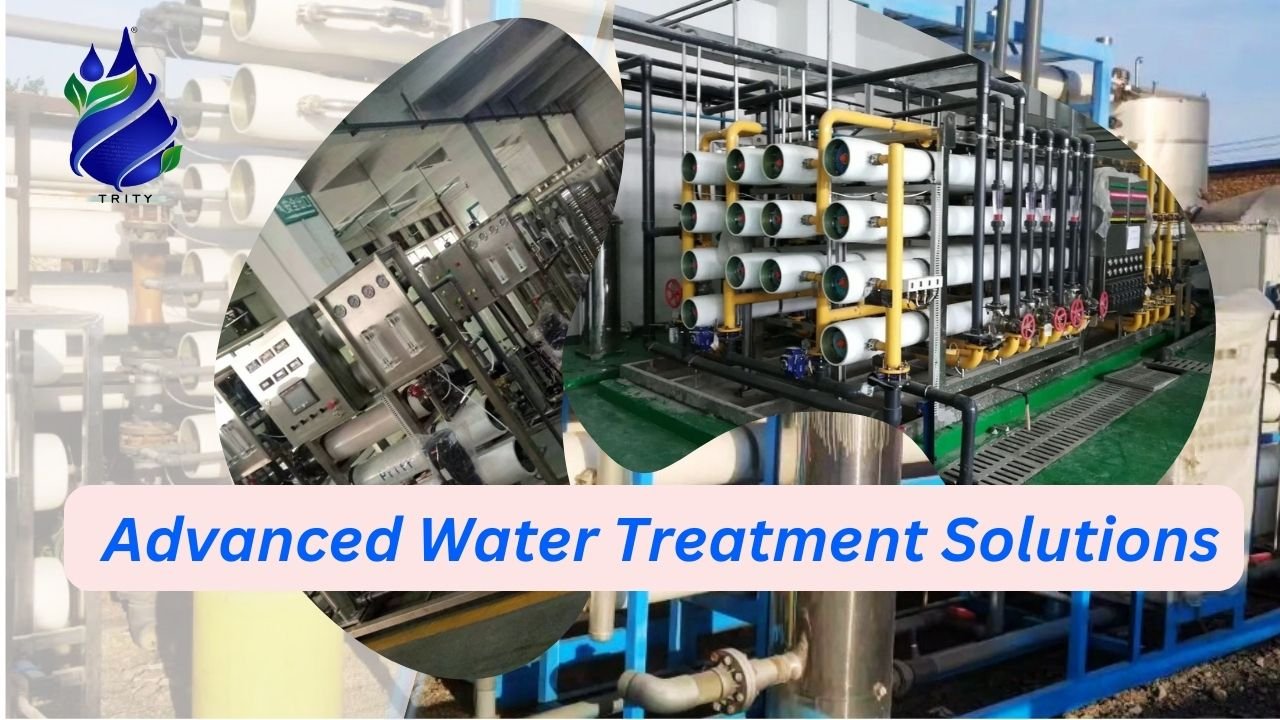
Choosing a Commercial RO Plant Manufacturer in Delhi: Who to Consider and What to Check
Top commercial RO plant manufacturers in Delhi NCR compared, plus the certifications, capacity range, and support to check before choosing one.

 ISO 9001:2015 & QCI Approved
Learn about solid waste management types, segregation, hazardous waste disposal, CPCB compliance, and industrial waste treatment. Expert guide by Trity Enviro Solutions.
Ask any plant manager or environmental officer at a mid-sized manufacturing unit, and they will tell you the same thing: solid waste has quietly become one of the most complicated compliance challenges they handle. It is not just about filling dustbins or arranging garbage trucks. Solid waste management today involves segregation protocols, treatment technologies, regulatory submissions, hazardous material tracking, and sludge disposal planning — all running simultaneously.
The scale of the problem across India is significant. Urban local bodies are struggling with overflowing landfills, industries are facing closure notices from Pollution Control Boards, and housing societies are penalised for non-compliance with the Solid Waste Management Rules, 2016. If you are responsible for waste management at any level, this guide is written specifically for you.
Solid waste management refers to the systematic process of collecting, segregating, treating, recycling, and disposing of solid waste generated from residential, commercial, industrial, and institutional sources. The objective is to minimise the environmental and health impact of waste while recovering usable materials wherever possible.
Solid waste is broadly defined as any discarded material that is not liquid or gaseous. This includes everything from kitchen scraps and packaging materials to industrial residues, construction debris, and biomedical waste.
The discipline of solid waste management covers:
Getting the classification right is the foundation of any effective waste management plan. Mixing waste categories is one of the most common errors that leads to compliance failures and contamination problems downstream.
Municipal solid waste covers the everyday discards from households, markets, offices, and commercial establishments. In Indian cities, MSW typically contains a high proportion of organic matter (kitchen waste, garden waste), mixed with plastics, paper, glass, metals, and textile waste.
Managing MSW at scale requires a combination of door-to-door collection, decentralised composting, material recovery facilities (MRFs), and sanitary landfills. One of the biggest gaps in MSW handling across Tier-2 and Tier-3 cities is the absence of wet-dry segregation at source, which makes downstream processing significantly more expensive and inefficient.
This category includes waste generated from manufacturing, processing, and industrial operations. Chemical residues, packaging waste, metal scrap, process by-products, and spent materials all fall here. Industrial solid waste management requires a tailored approach because the composition varies significantly from one sector to another.
For example, a pharmaceutical plant generates very different solid waste compared to a textile dyeing unit or a food processing facility. Industries must map their waste streams carefully and develop sector-specific treatment and disposal protocols. Pairing solid waste handling with properly designed wastewater treatment systems ensures that both liquid and solid streams are addressed together, which is particularly important for effluent-generating industries.
Hazardous waste requires special attention because of its toxicity, reactivity, corrosiveness, or ignitability. Under Schedule I of the Hazardous and Other Wastes (Management and Transboundary Movement) Rules, 2016, industries are required to maintain detailed records of hazardous waste generation, storage, and disposal.
Common hazardous waste streams include spent solvents, electroplating sludge, paint waste, oil-contaminated materials, and chemical process residues. Disposal must happen only through authorised Common Treatment, Storage and Disposal Facilities (TSDFs) or through approved recyclers.
Hospitals, clinics, laboratories, and pharmaceutical units generate biomedical waste that is regulated separately under the Biomedical Waste Management Rules, 2016. Proper colour-coded segregation, collection, and incineration or autoclaving are mandatory, and non-compliance carries significant penalties.
This is a rapidly growing category in urban India due to infrastructure development. Concrete debris, bricks, wood, steel, and tiles make up the bulk of C&D waste. Processing through crushing and recycling reduces the burden on landfills and allows reclaimed aggregates to be reused in construction.
Despite the Solid Waste Management Rules, 2016 mandating segregation, decentralised processing, and user charges, implementation across Indian cities remains inconsistent.
The numbers make this concrete. According to the Central Pollution Control Board (CPCB), India generates approximately 62 million tonnes of municipal solid waste every year, yet only around 20% of this volume reaches any form of treatment or processing facility. The remaining 80% is either dumped in open landfills, burned in the open, or remains unaccounted for entirely. (Source: CPCB Annual Report on Municipal Solid Waste Management, Government of India)
Key challenges include:
Bulk waste generators generating more than 100 kg of waste per day are required to manage their own waste at source, yet enforcement is patchy in most jurisdictions.
Segregation at source is not a formality. It is the single most important operational decision in solid waste management because once waste streams are mixed, separating them becomes cost-prohibitive and technically difficult.
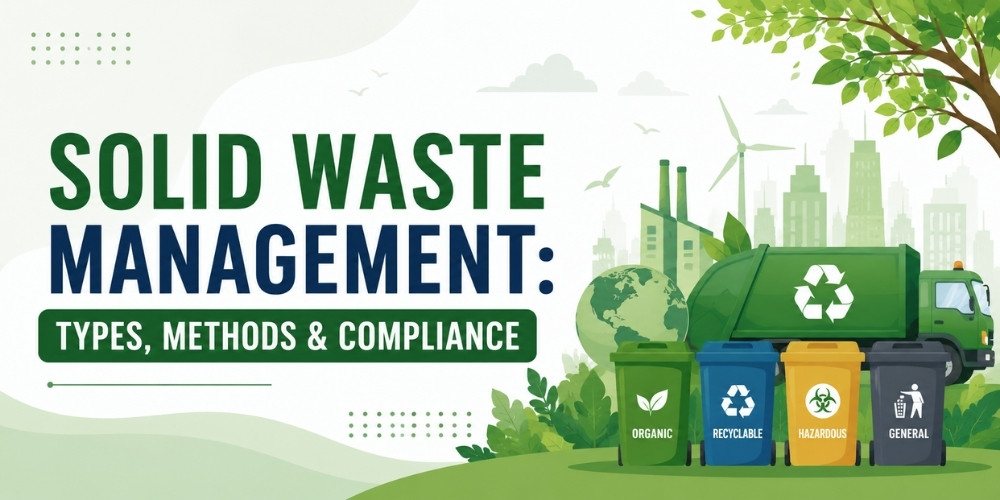
The standard colour-coding system in India follows CPCB guidelines:
At the industrial level, segregation goes further to separate hazardous from non-hazardous streams, recyclables from rejects, and sludge from dry solid waste.
Organic waste, when properly treated, is a resource rather than a problem. The right treatment method depends on your waste volume, site constraints, and what you want to do with the end product.
| Treatment Method | Best Suited For | End Product | Typical Scale | Relative Cost |
|---|---|---|---|---|
| Aerobic Composting | Food waste, garden waste, agri residue | Compost / soil amendment | Medium to large | Low to moderate |
| Anaerobic Digestion | High-moisture food and organic waste | Biogas + digestate slurry | Medium to large | Moderate to high |
| Vermicomposting | Institutional canteens, housing societies | Vermicompost | Small to medium | Low |
Each method has its place. Aerobic composting works well for municipalities and bulk generators with outdoor space. Anaerobic digestion makes financial sense when biogas can replace LPG or fuel generators. Vermicomposting is low-cost and low-infrastructure, making it practical for apartment complexes and school campuses.
Understanding how organic load in liquid form is treated is equally important in integrated facilities. Our blog on BOD and COD treatment systems in wastewater management explains how biological oxygen demand and chemical oxygen demand are reduced in associated liquid waste streams.
Industries dealing with hazardous waste in India must be registered with the relevant State Pollution Control Board (SPCB) and comply with reporting requirements under the Hazardous Waste Rules.
Annual returns, manifest tracking for off-site waste transportation, and record-keeping for inspections are all mandatory. These are not optional administrative steps — they are preconditions for maintaining your Consent to Operate.
Non-compliance is not a grey area. PCBs have the authority to shut down operations, revoke consents, and levy penalties under the Environment Protection Act, 1986.
Getting compliance right requires systematic waste audits, proper labelling and on-site storage in designated hazardous waste storage areas, and confirmed partnerships with authorised Treatment, Storage and Disposal Facilities (TSDFs).
Our environmental compliance and services team assists industries in mapping their waste streams, preparing documentation, and designing compliant disposal workflows tailored to their specific sector.
Sludge generated from Effluent Treatment Plants (ETPs) and Sewage Treatment Plants (STPs) is classified as solid waste once it is dewatered. Managing sludge correctly is one of the most technically demanding aspects of industrial waste handling.
The standard approach involves:
A filter press for sludge dewatering is one of the most effective equipment choices for industrial facilities generating large volumes of ETP or STP sludge. It significantly reduces the volume of solid waste requiring off-site disposal, which directly reduces disposal costs and compliance risk.
Field Example: Textile Processing Unit, Western Uttar Pradesh
A mid-sized textile dyeing and printing unit was generating approximately 4 to 5 tonnes of wet sludge per month from its Effluent Treatment Plant. The sludge was being transported in its wet state to an authorised TSDF, which was both expensive and logistically difficult given the high moisture content and weight.
After installing a plate-and-frame filter press unit and revising their on-site solid waste segregation protocol, the unit reduced sludge volume by close to 60% through dewatering. Dry sludge cake, which is significantly lighter and easier to handle, replaced wet sludge transportation.
The outcome: disposal costs dropped considerably, manifest documentation became cleaner and easier to verify during SPCB inspections, and the unit passed its annual environmental audit without any observations on solid waste handling for the first time in three years.
This is not an exceptional case. It reflects what happens when the right equipment is paired with a properly designed waste management protocol.
Recycling is central to sustainable waste management, both from an environmental and an economic standpoint. Key material streams suitable for recycling include:
Extended Producer Responsibility (EPR) is now a legal obligation for producers, importers, and brand owners of plastic packaging. EPR requires companies to collect and channel plastic waste back into recycling systems, and failure to meet annual targets attracts penalties.
For industries, integrating on-site material recovery before handing off to authorised recyclers reduces landfill dependence and can generate revenue from scrap sales.
When solid waste is not managed correctly, the consequences are well-documented and severe:
The environmental and regulatory pressure is only going to increase. The National Clean Air Programme (NCAP) and Mission LiFE are pushing both urban bodies and industries to adopt measurable waste reduction and recycling targets.
Technology is playing a growing role in making waste management more efficient, traceable, and compliant:
The shift towards smart waste management aligns with developments in the broader environmental technology space. For context on how technology is transforming related domains, our article on top wastewater treatment technologies in 2026 highlights several innovations that apply equally to integrated waste and water management systems.
Solid waste management cannot be handled in isolation.
It is deeply interconnected with water use, effluent generation, sludge production, air emissions, and energy consumption. A manufacturing unit that treats its solid waste as an afterthought will almost always find compliance failures compounding across multiple environmental parameters at once.
The fix is not more paperwork. It is a systematic approach that ties all your waste streams together into a single, manageable framework.
A system-level approach means:
The industries that handle this well are not necessarily larger or better funded. They are better organised, better informed, and better supported by capable environmental partners.
If your facility is facing an SPCB inspection, a closure notice, or simply the pressure of growing waste volumes with no clear treatment plan, this is the right moment to act.
Trity Enviro Solutions works with industries, housing societies, hospitals, builders, and municipal bodies across India to design and implement waste management systems that hold up under regulatory scrutiny and real operational conditions.
Here is what we bring to the table:
We do not offer generic packages. Every solution is scoped after understanding your waste generation volumes, regulatory obligations, and site conditions.
The first step costs nothing. Contact Trity Enviro Solutions to schedule a free consultation with our environmental engineering team. Whether you need a new system, an upgrade, or a compliance review, we will give you a straight assessment and a practical path forward.
Solid waste management is no longer a peripheral concern for industries, municipalities, or large establishments. With tightening CPCB and SPCB regulations, increasing public scrutiny, and the very real environmental costs of poor waste handling, getting this right is a core operational necessity.
The good news is that the tools, technologies, and expertise required to build an effective solid waste management system are accessible. The challenge is getting the planning, the right equipment, and the ongoing operational discipline aligned, which is precisely where a capable environmental solutions partner makes the difference.
Solid waste management refers to the collection, segregation, treatment, recycling, and disposal of solid waste generated from various sources. For industries, it matters because improper handling leads to regulatory penalties, groundwater contamination, and reputational damage. Under Indian law, industries must comply with the Hazardous Waste Rules and Solid Waste Management Rules, 2016.
The main types include municipal solid waste (household and commercial waste), industrial solid waste (manufacturing residues), hazardous waste (chemical, toxic, or reactive materials), biomedical waste (from healthcare facilities), and construction and demolition waste.
As per CPCB guidelines, green bins are for wet or biodegradable waste, blue bins are for dry recyclable waste, black bins are for domestic hazardous waste, and yellow bins are used for biomedical or sanitary waste in healthcare settings.
Hazardous waste is classified based on its toxicity, flammability, reactivity, or corrosiveness. It must be stored, transported, and disposed of through authorised agencies as per the Hazardous and Other Wastes (Management and Transboundary Movement) Rules, 2016. Regular industrial solid waste, while regulated, has less stringent disposal requirements.
Aerobic composting, anaerobic digestion (biogas production), and vermicomposting are the most common methods. The right choice depends on the volume, moisture content, and composition of the organic waste stream, as well as the end-use requirement for the treated output.
Sludge generated from ETPs and STPs is classified as solid waste once dewatered. Proper sludge management involves thickening, mechanical dewatering (using equipment like filter presses), and authorised disposal or reuse. It is a critical compliance area for industries operating wastewater treatment plants.
Trity Enviro Solutions provides integrated environmental solutions including ETP and STP design, filter press and sludge dewatering systems, operation and maintenance services, and environmental compliance support. Our team helps industries and large establishments manage both liquid and solid waste streams in a compliant and cost-effective manner.
Penalties under the Environment Protection Act, 1986 and associated rules can include financial fines, closure orders, cancellation of environmental clearances, and criminal liability for responsible persons. State Pollution Control Boards have the authority to take direct action against defaulting industries and establishments.
Top commercial RO plant manufacturers in Delhi NCR compared, plus the certifications, capacity range, and support to check before choosing one.

Both Deionization and Reverse osmosis is water purification methods and can be purchased through a wastewater treatment plant manufacturer so that the impurities can be removed from the water.
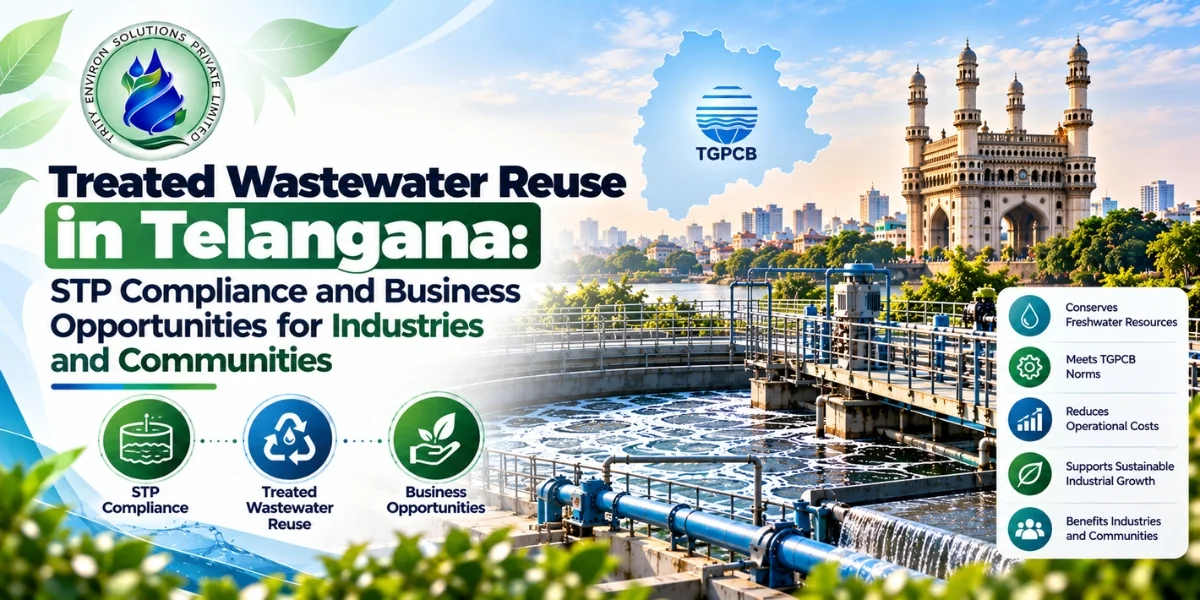
Telangana is building a treated wastewater reuse network. See how STP owners and industries can meet quality needs, supply reuse water and plan upgrades.

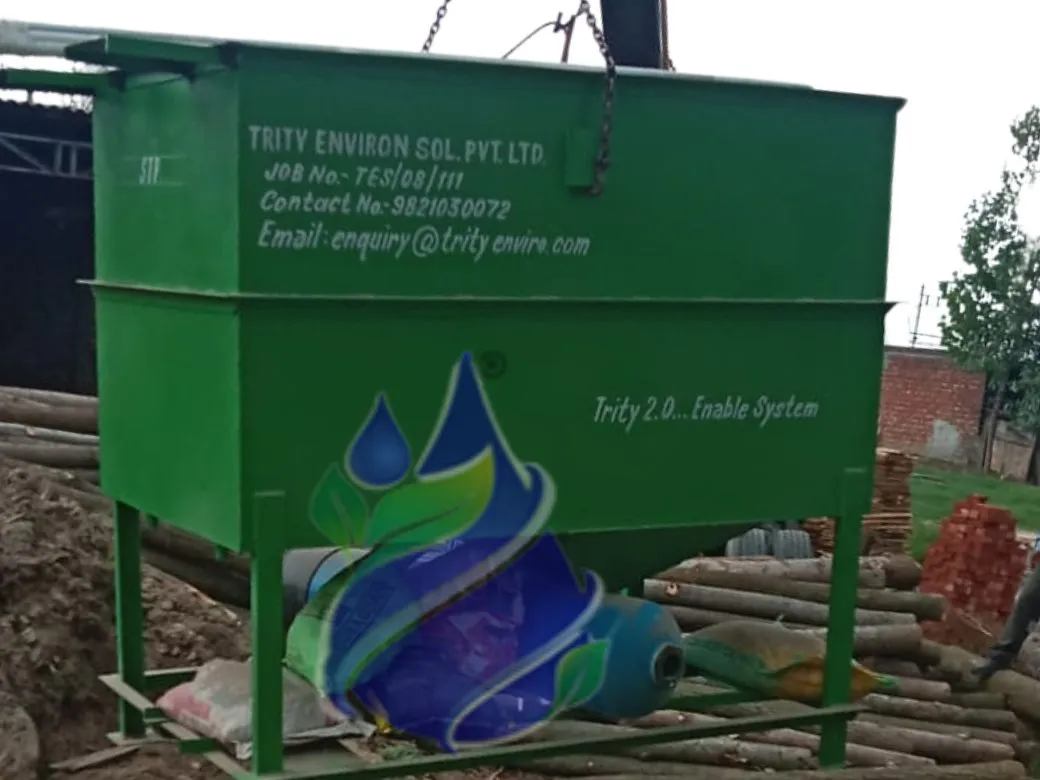



Discuss your requirements with our engineering team and get practical guidance for your project.