
 ISO 9001:2015 & QCI Approved
Equalization Tank Manufacturer in India
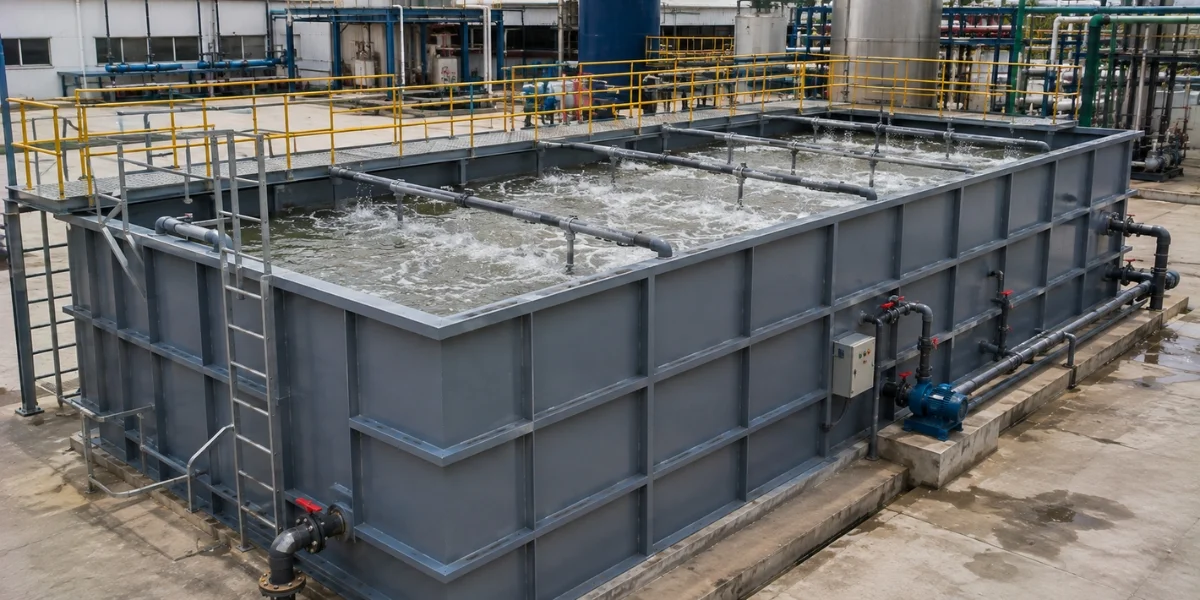
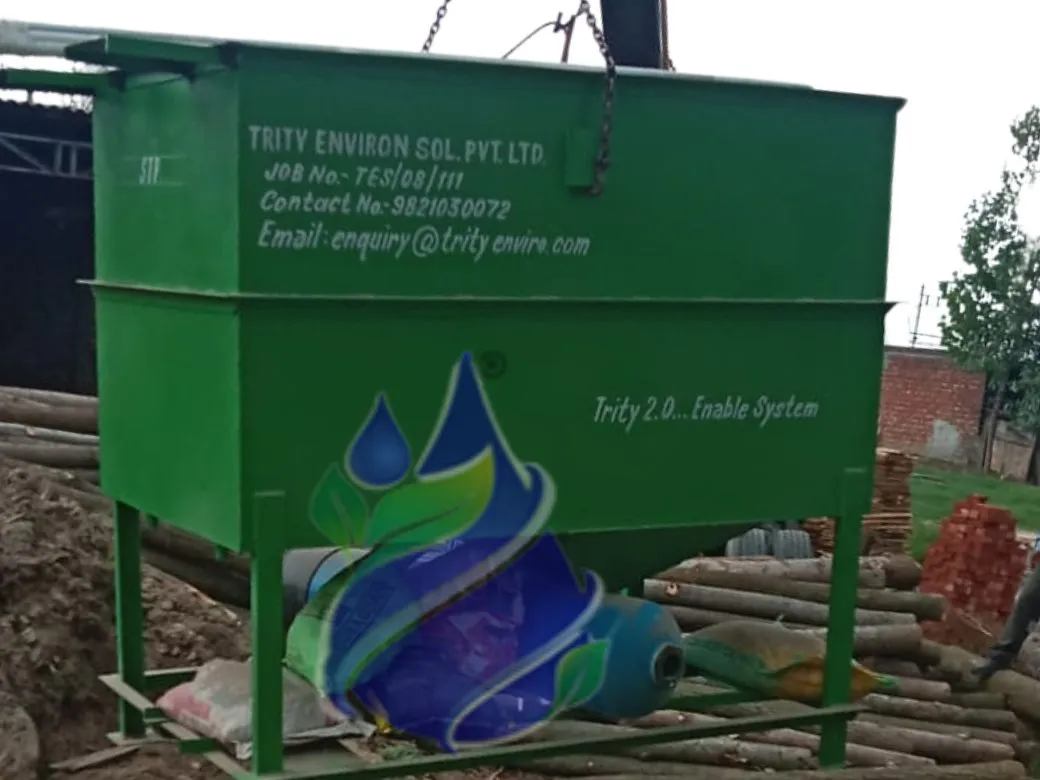
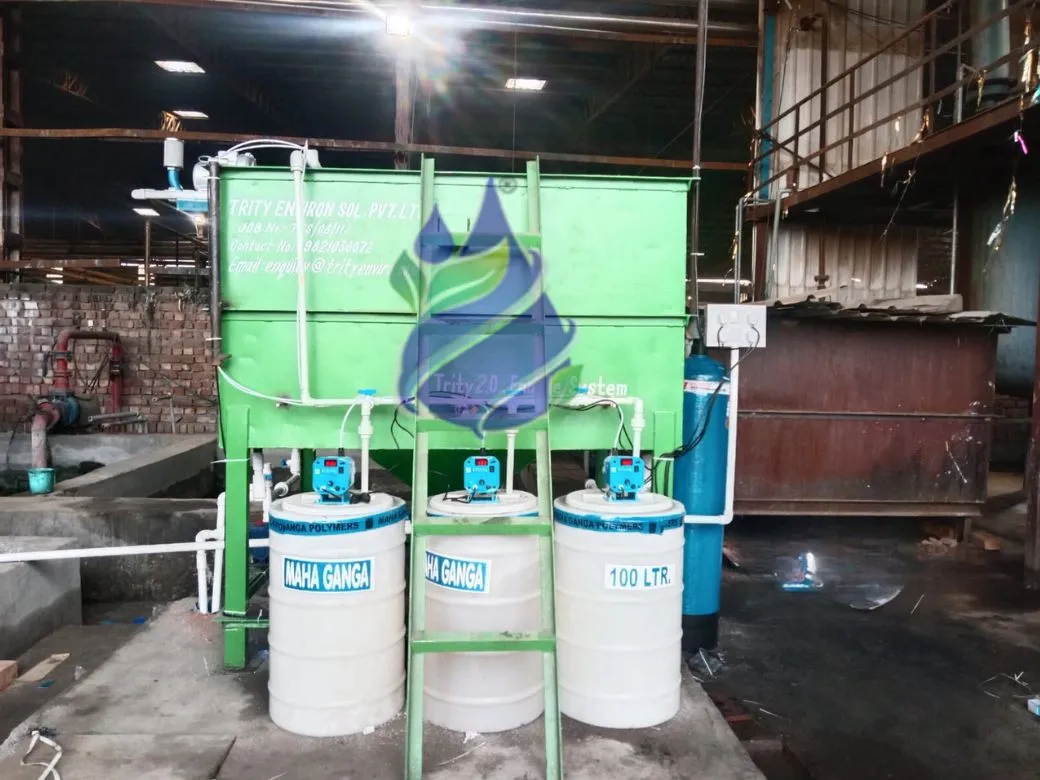
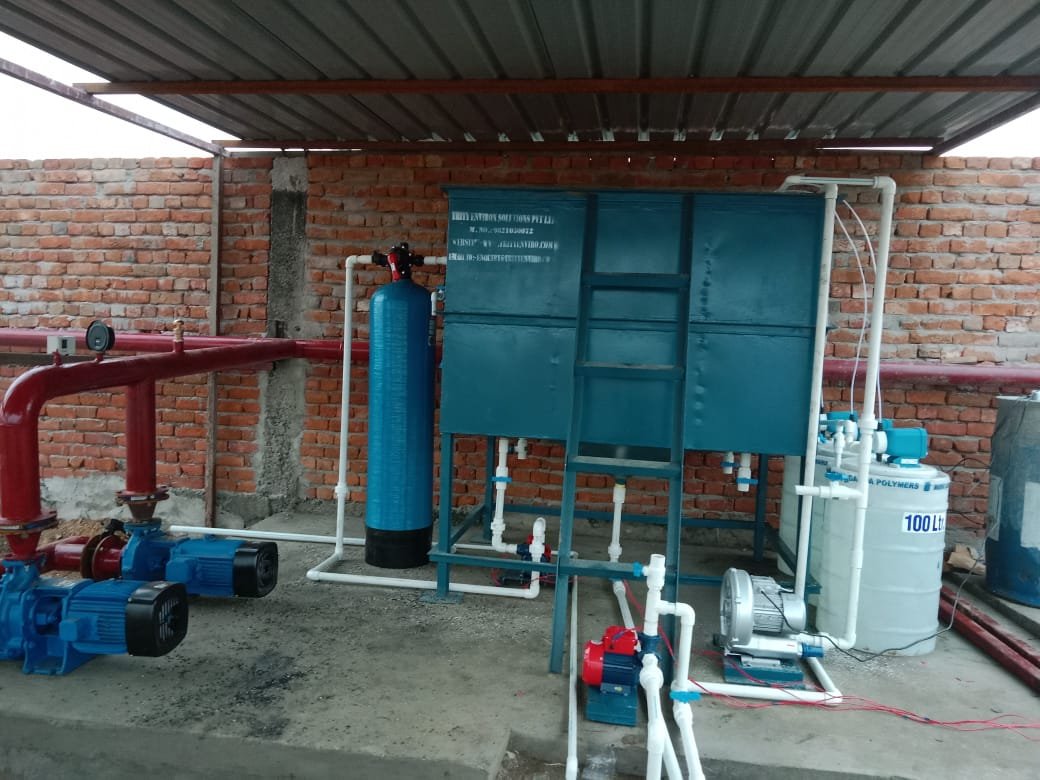
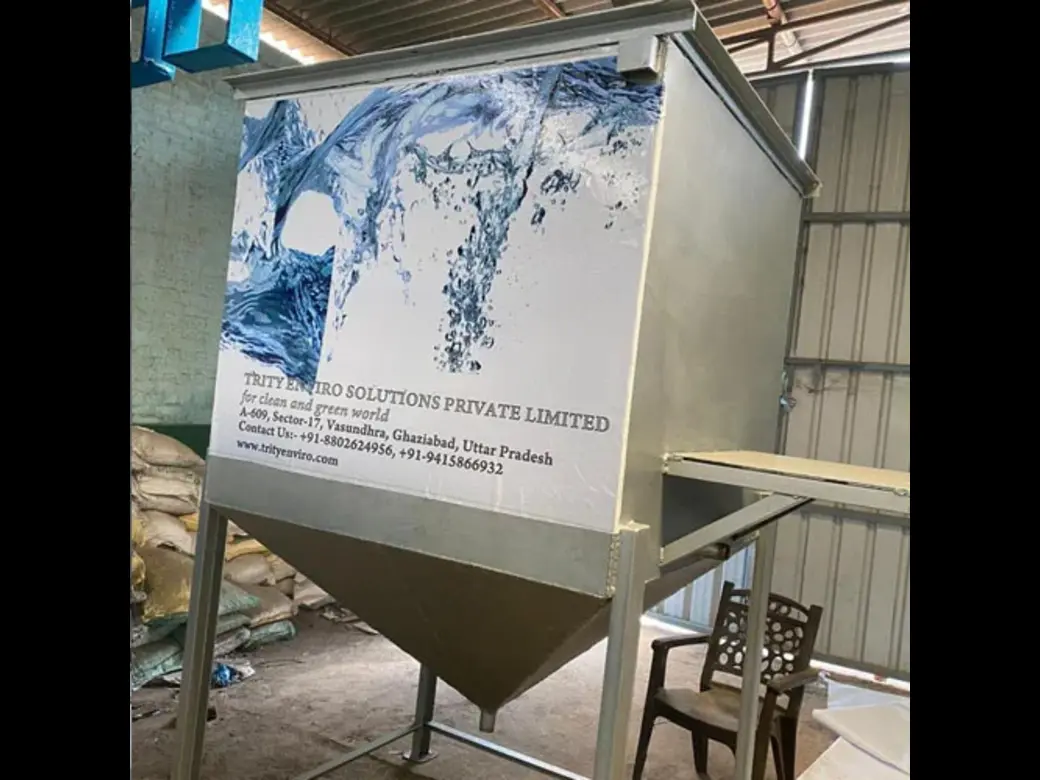
Trity Environ Solutions is a trusted equalization tank manufacturer in India, engineering tanks that absorb the flow surges and load spikes real industrial effluent throws at a treatment plant. Correctly sized and mixed, an equalization tank stops shift changes, CIP cycles, and batch discharges from overwhelming downstream biology, with pan India installation support.
SPCB / CPCB Norm Compliant
Heavy Fabrication
Why Most Equalization Tank Problems Are Mixing Problems, Not Sizing Problems
Undersized tanks get blamed for equalization failures, but field surveys across Indian plants have found something different: over 90 percent of equalization tanks use coarse bubble air mixers, chosen for lower upfront cost, and this creates localized vertical flow cells with almost no horizontal mixing. The result is a tank that looks like it's working while textile dye colour or batch chemical spikes pass straight through partially unblended. An equalization tank is only as good as its mixing system, and Trity Environ Solutions designs the aeration or mechanical mixing layout specifically to avoid this, not just the tank volume.
Seeing load spikes reach your biological stage despite having an equalization tank? Request a free technical assessment and our engineering team will diagnose whether it's a sizing or mixing problem.
WHY THIS SYSTEM?
Key Benefits of Equalization Tank Manufacturer in India
Engineered for reliable peak load smoothing, stable chemical dosing, and protection against septic conditions.
Smooths Peak-to-Average BOD Ratios
Reduces peak-to-average BOD loading ratios from over 10:1 down to roughly 1.3 to 1.5:1, sparing downstream aeration and clarification stages from repeated shock loading.
Absorbs Batch and CIP Surges
Absorbs sudden batch discharges and CIP cleaning cycles common in industrial production, preventing hydraulic surges that overwhelm downstream equipment capacity.
Stabilises Chemical Dosing
Reduces chemical dosing variability at the physico-chemical stage, since a stabilised influent stream lets coagulant and pH correction dosing stay consistent rather than reactive.
Corrosion-Resistant Construction
FRP or vinyl ester lined construction resists corrosive industrial effluent, avoiding the degradation coated steel or bare concrete face under aggressive chemical exposure.
Prevents Septic, Odorous Conditions
Correctly sized mixing prevents solids settlement and septic, odour-generating anaerobic pockets that develop in poorly agitated equalization basins over time.
Tank Geometry Determines Whether Short-Circuiting Happens
Long, narrow basins with inlet and outlet placed too close together create a direct hydraulic path that lets a portion of incoming flow exit almost unblended, defeating the entire purpose of equalization. Trity Environ Solutions favours rectangular or square basins with moderate aspect ratios and deliberately separated inlet and outlet zones, since geometry fixes what mixing power alone often can't compensate for.
HRT Isn't a Fixed Number, It Depends on What You're Actually Buffering
Municipal sewage with predictable daily patterns often needs only 2 to 8 hours of hydraulic retention time for hydraulic smoothing, while industrial effluent with unpredictable batch discharges and CIP cycles typically needs 6 to 12 hours, sometimes more, to genuinely dampen load variability. Trity Environ Solutions sizes HRT against your actual flow and load data using mass-balance analysis where records exist, backed by an Annual Maintenance Contract for ongoing performance monitoring. Talk to our team about AMC coverage for your tank.
Equalization Is a Stage, Not a Standalone Solution
A well-mixed equalization tank sets up everything downstream to work properly, but it doesn't treat anything by itself. Trity Environ Solutions typically pairs equalization with bubble air diffusers for aeration-based mixing, followed by multi grade filtration and activated carbon polishing further down the treatment train, depending on your discharge or reuse target.
SYSTEM CONFIGURATIONS
Types of Equalization Tank Manufacturer in India Configurations
Configurations selected to match your mixing requirements, effluent corrosivity, and capacity.
Aerated Equalization Tank
Diffused aeration keeps the tank aerobic while providing mixing energy, avoiding the septic conditions and odour that pure mechanical mixing alone can miss.
Mechanically Mixed Equalization Tank
Submersible or surface mechanical mixers agitate tank contents without introducing air, suited to sites where aeration is handled separately downstream.
FRP Equalization Tank
FRP construction for standard industrial effluent, offering good chemical resistance at a lower capital cost than stainless steel or glass-fused-to-steel options.
RCC Civil Equalization Tank
RCC civil tank construction for large volume municipal or industrial applications, typically specified when underground installation or very large capacity is required.
STEP-BY-STEP WORKFLOW
How the Equalization Tank Manufacturer in India Process Works
A buffering and blending process engineered for consistent flow and load smoothing.
01
Influent Collection
Raw wastewater from screening and grit removal enters the tank, arriving at whatever rate and concentration the source generates.
02
Continuous Mixing
Diffused aeration or mechanical mixers agitate tank contents continuously, blending concentration variation and preventing solids settlement.
03
Buffered Storage
The tank holds volume across its design HRT, absorbing peak flows and concentration spikes within its buffering capacity.
04
Controlled Discharge
A metering pump or level-controlled outlet releases blended wastewater downstream at a steady, predictable rate.
COMMON INQUIRIES
Frequently Asked Questions
Q1. Why do so many equalization tanks fail to smooth load variation properly?
Field observations across Indian plants show most tanks use coarse bubble air mixers chosen for lower cost, which creates localized vertical mixing cells with poor horizontal blending, letting concentrated slugs pass through partially unblended.
Q2. How is equalization tank HRT determined?
HRT depends on flow predictability: municipal sewage often needs 2 to 8 hours, while industrial effluent with batch discharges or CIP cycles typically needs 6 to 12 hours, ideally confirmed through actual flow data using mass-balance analysis.
Q3. Can an equalization tank be too large?
Yes, excessively long retention time without adequate mixing and aeration can create anaerobic conditions, odour generation, and unintended biochemical changes, so sizing needs to balance buffering capacity against these risks.
Q4. What construction material is best for an equalization tank?
FRP or vinyl ester lined FRP suits most corrosive industrial effluent at moderate cost, while RCC civil construction is typically chosen for very large capacity or underground installations.
Q5. Does an equalization tank need aeration, or is mixing enough?
Aeration is generally preferred over pure mechanical mixing since it keeps the tank aerobic, avoiding the septic, odour-generating conditions that can develop in agitated but non-aerated basins.
Q6. What is the most common design mistake in equalization tank installation?
Placing the inlet and outlet too close together is a frequent error, since it creates a short-circuit path that lets incoming flow exit with minimal blending, undermining the entire equalization effect.
CATALOGUE
Related Engineering Products
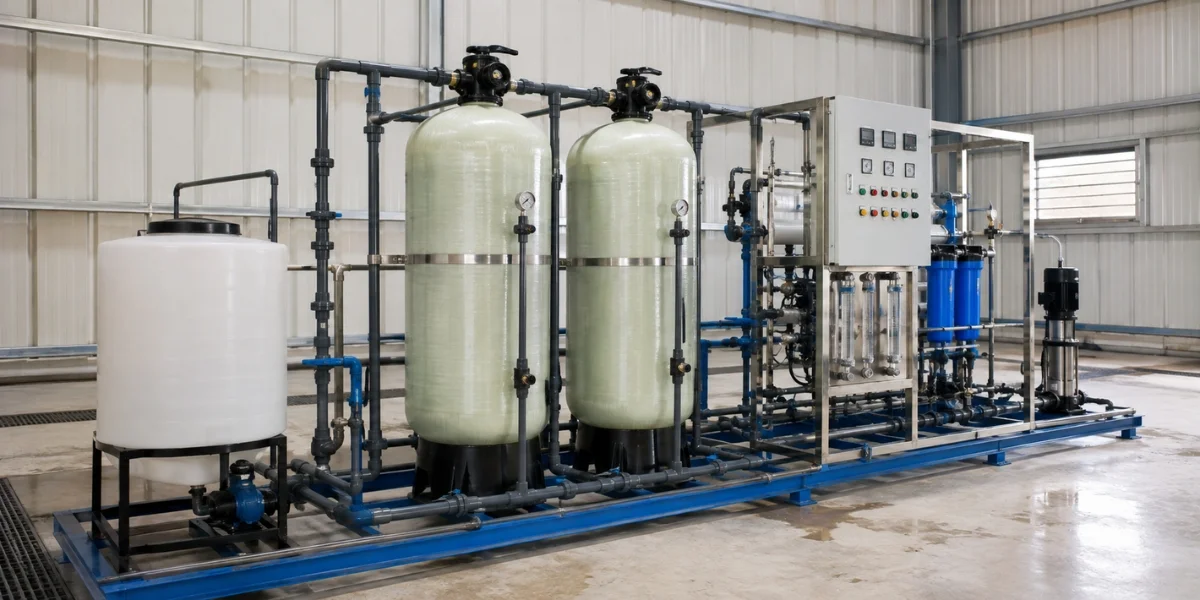
RO & Water Recycling Plant Manufacturer in India
Trity Environ Solutions manufactures RO and water recycling systems for industries and commercial facilities, engineered for reliable purity and reuse.
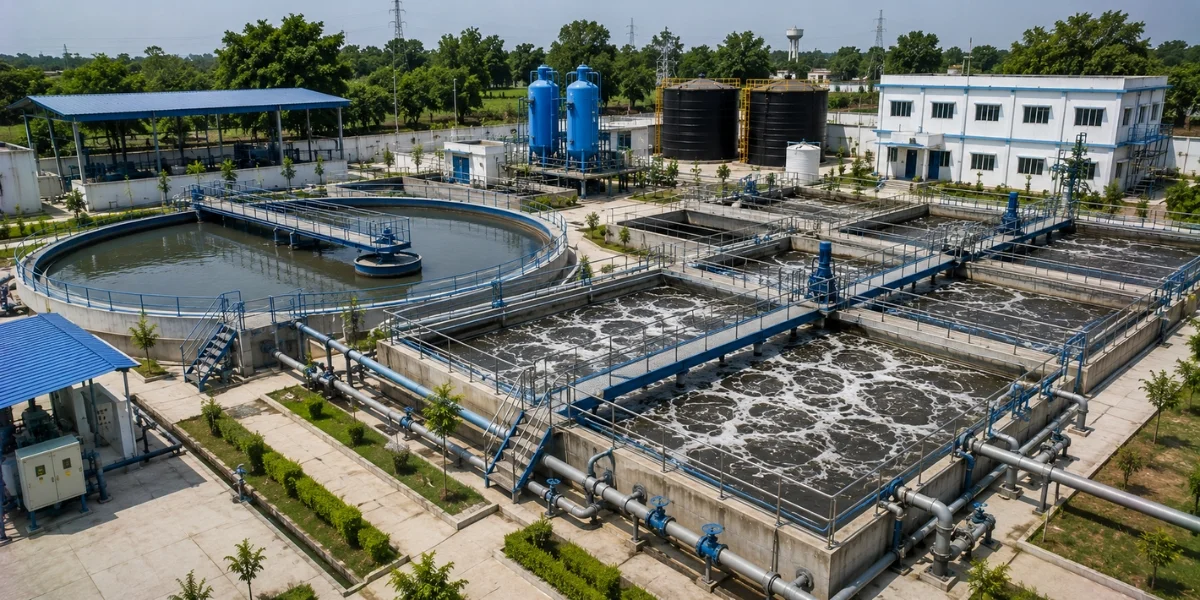
Tertiary Treatment Plant Manufacturer in India
Trity Environ Solutions manufactures tertiary treatment plants that polish treated water beyond secondary treatment, enabling genuine reuse and stricter discharge compliance.
Wastewater Recycling System Manufacturer in India
Trity Environ Solutions manufactures wastewater recycling systems using UF and RO technology, turning treated wastewater into reuse-grade water for cooling, flushing, and gardening.
PAN-INDIA CAPABILITIES
Regional Solutions & State Coverage
TECHNICAL KNOWLEDGE
Related Insights & Engineering Guides
PROVEN EXCELLENCE
Featured Turnkey Installations




Need a Custom Water or Wastewater Treatment Solution?
Our engineering team can help design the right system for your capacity, industry, and compliance requirements.