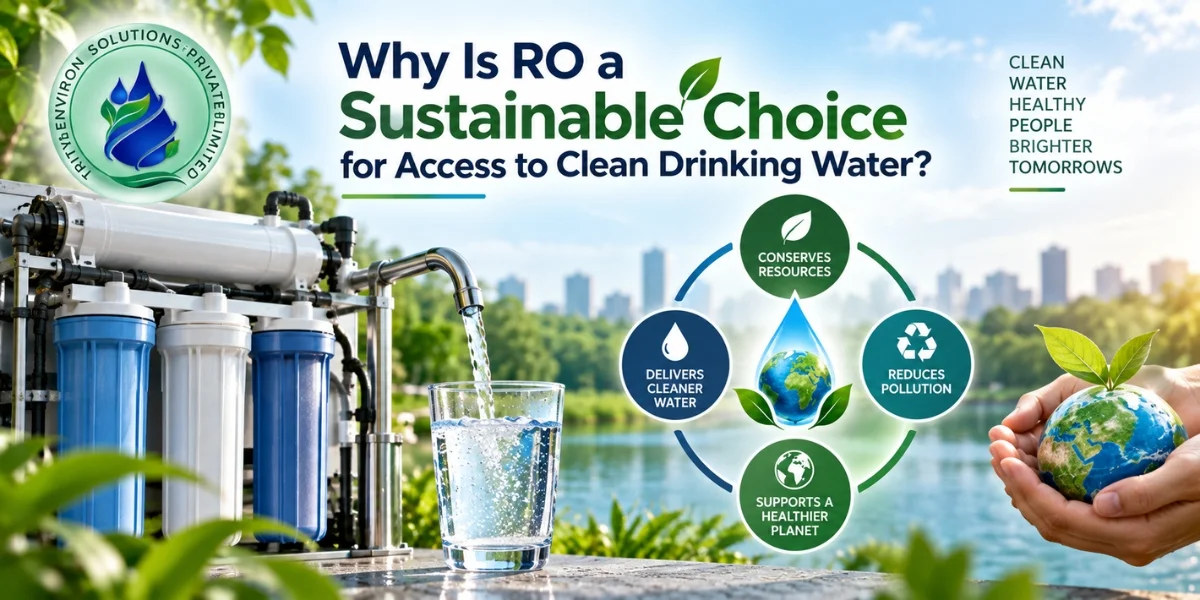
Why Is RO a Sustainable Choice for Access to Clean Drinking Water?
An honest look at why RO supports sustainable drinking water access, its real trade-offs, and how modern design addresses reject water and energy use.

 ISO 9001:2015 & QCI Approved
Discover how sludge and untreated sewage affect the environment, water bodies, and marine life. Learn about sludge management, wastewater treatment, and sustainable disposal practices in India.
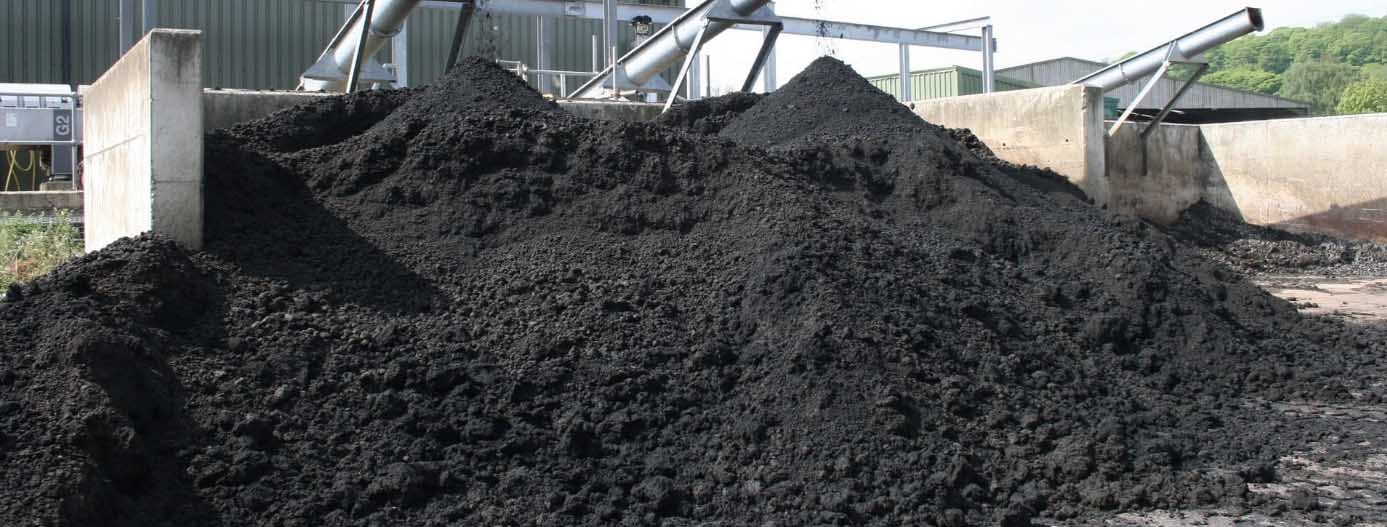
Sewage and sludge are unavoidable byproducts of modern human life. Whether it originates from residential toilets or large-scale industrial factories, sewage — waste carried by water — is generated by every community on the planet. But how does sludge affect the environment, and why should we care about how it's managed?
In this blog, we explore the environmental impact of sewage sludge, the dangers of improper disposal, and how advanced wastewater treatment plants (STPs and ETPs) play a critical role in protecting our water systems and ecosystems.
Sewage sludge is the semi-solid material that remains after wastewater has been treated at a sewage treatment plant (STP) or effluent treatment plant (ETP). It is a concentrated mix of water, organic matter, heavy metals, pathogens, and various chemical contaminants removed during the treatment process.
There are two primary forms of sludge:
Improper handling or disposal of sewage sludge can cause significant environmental damage.
One of the most serious environmental effects of sewage sludge is water pollution. When untreated or partially treated sewage is discharged into rivers, lakes, or oceans, it introduces harmful pathogens and chemicals into aquatic ecosystems.
A striking example occurred in Staffordshire, UK, where a sewage leak contaminated a large section of the River Trent, resulting in the death of over 15,000 fish. If the contamination had reached a public water supply, the consequences for human health would have been catastrophic.
Diseases commonly spread through sewage-contaminated water include:
The environmental impact of sludge extends beyond rivers into oceans and marine ecosystems. Even when sewage is treated, microscopic plastic fibres — released from synthetic clothing during washing — can pass through wastewater treatment plants and enter marine environments.
These microplastics accumulate in the bodies of fish and other marine organisms, disrupting the food chain and ultimately making their way to human consumers. This is an emerging area of concern in environmental science and wastewater management.
Sludge is sometimes applied to agricultural land as a fertiliser due to its nitrogen and phosphorus content. While this can benefit soil health when properly treated, unregulated sludge application introduces heavy metals, pharmaceutical residues, and persistent organic pollutants into the soil. These contaminants can leach into groundwater, affecting both ecosystems and human health over time.
The decomposition of sludge in open landfills or improperly managed treatment sites produces harmful greenhouse gases, including methane and hydrogen sulphide. These gases contribute to air pollution and climate change, making sludge management an important factor in India's broader environmental strategy.
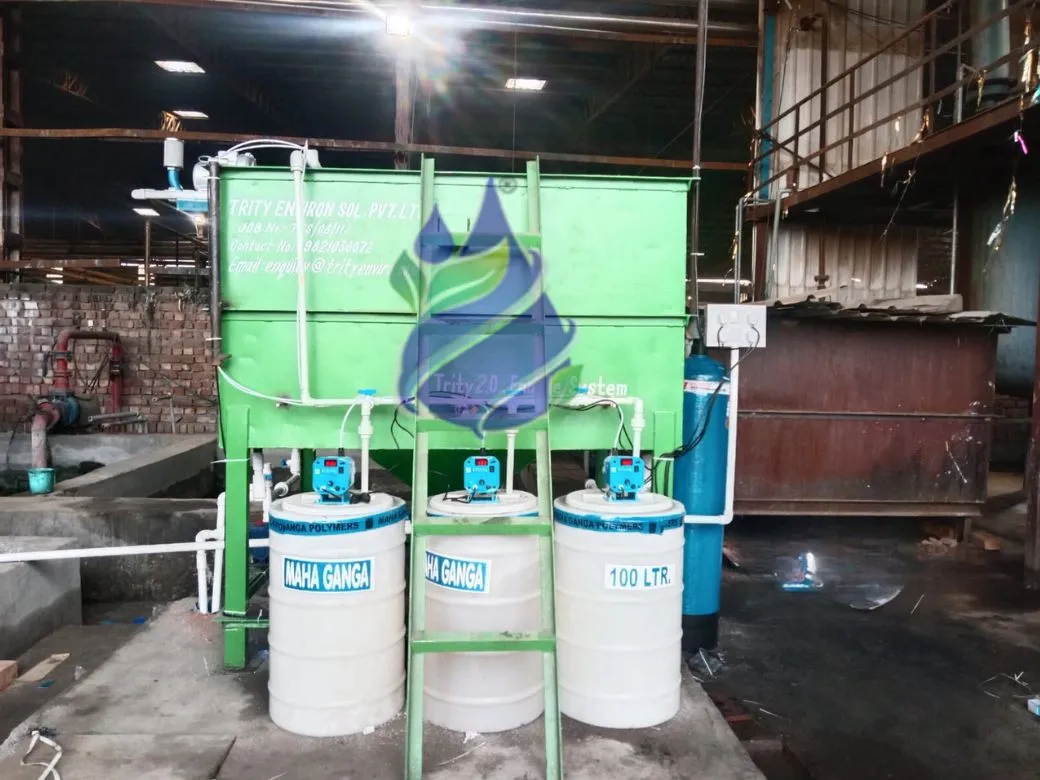
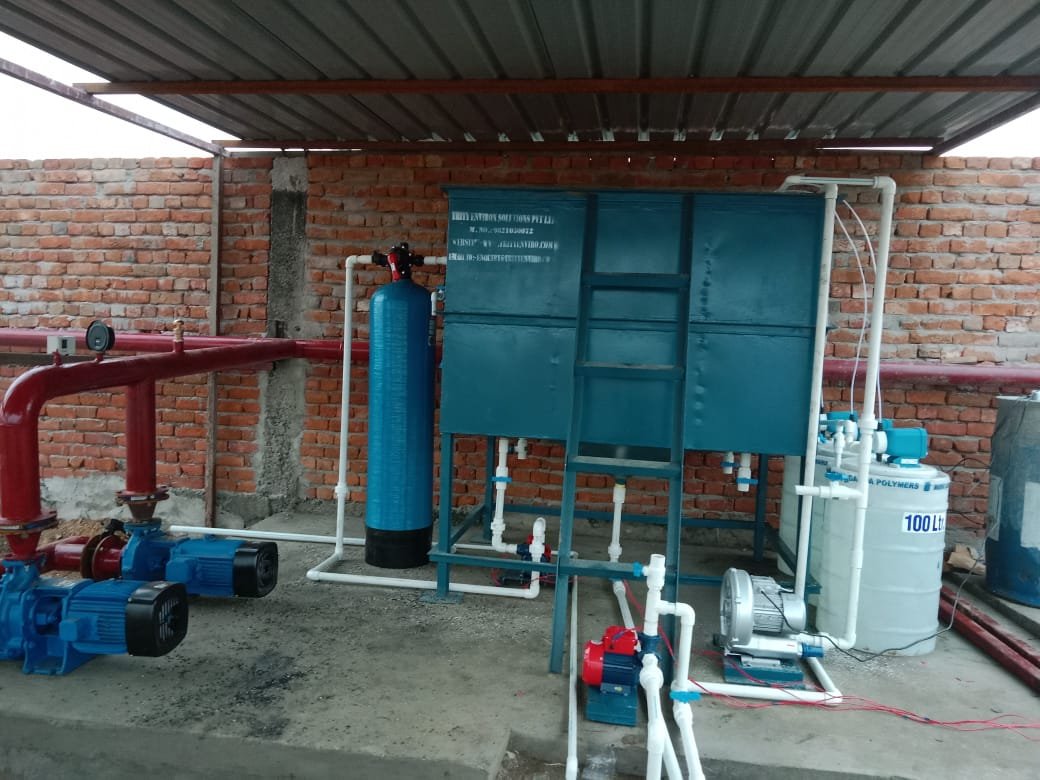
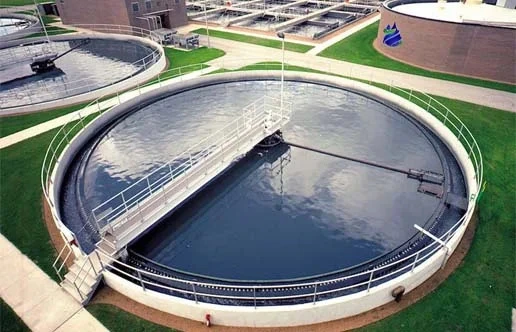
Effective wastewater treatment is the most important tool we have to reduce the environmental impact of sludge. Sewage Treatment Plants (STPs) and Effluent Treatment Plants (ETPs) are designed to remove contaminants from wastewater before it is released into water bodies.
Key stages of sludge treatment include:
At Trity Enviro Solutions, we design and manufacture advanced STPs and ETPs that meet India's regulatory standards, ensuring that industrial and municipal wastewater is treated safely before disposal.
While the dangers of sludge are significant, it also holds potential as a resource when properly managed. Researchers and environmental scientists are increasingly exploring how wastewater can provide valuable data and resources:
These applications are transforming how we view sludge — not merely as a waste problem, but as a recoverable resource in the circular economy.
So, how does sludge affect the environment? The answer is — profoundly, and in multiple ways. From contaminating rivers and killing aquatic life to introducing microplastics into the food chain and releasing greenhouse gases, improper sludge disposal poses serious risks to both ecosystems and human health.
However, with the right wastewater treatment infrastructure — including modern STPs and ETPs — these risks can be significantly reduced. Responsible sludge management not only protects our environment but also unlocks valuable resources from what was once considered purely waste.
Trity Enviro Solutions is committed to delivering world-class wastewater treatment solutions across India, helping industries and municipalities meet environmental compliance standards and safeguard our natural water resources.
Need a certified STP or ETP plant for your facility? Contact Trity Enviro Solutions today at +91-9821030072 or enquiry@trityenviro.com
An honest look at why RO supports sustainable drinking water access, its real trade-offs, and how modern design addresses reject water and energy use.
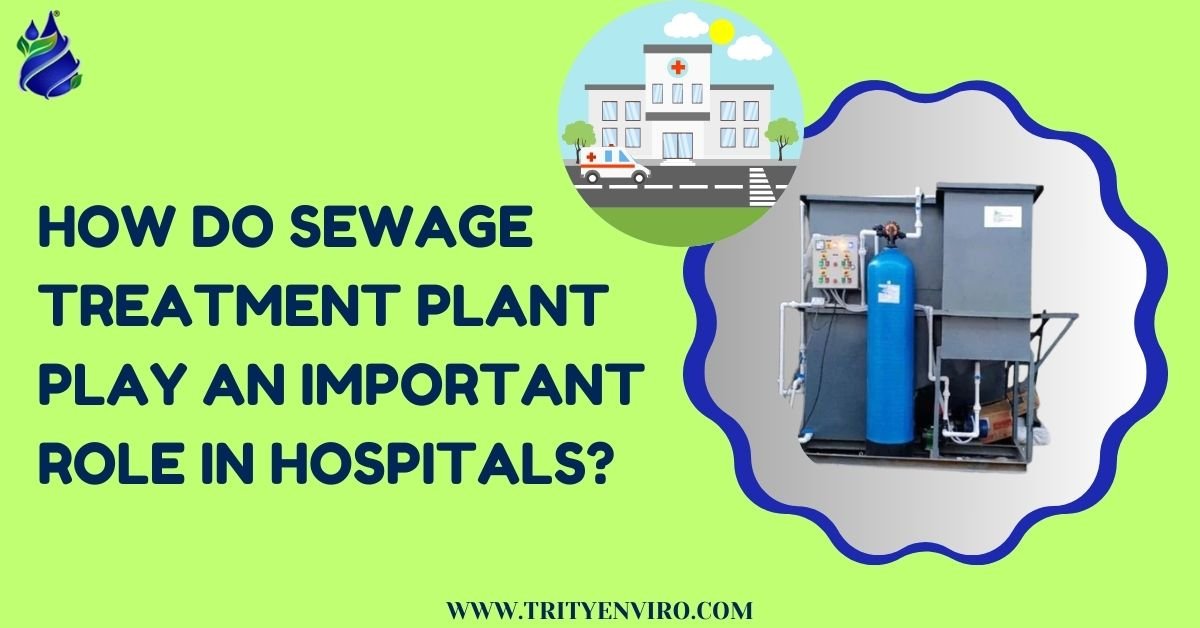
Learn how Sewage Treatment Plants in hospitals protect public health, ensure compliance with regulations, and contribute to water recycling and environmental sustainability.

AOPs revolutionize wastewater treatment by removing toxic pollutants efficiently, ensuring cleaner water, and supporting sustainable environmental practices.

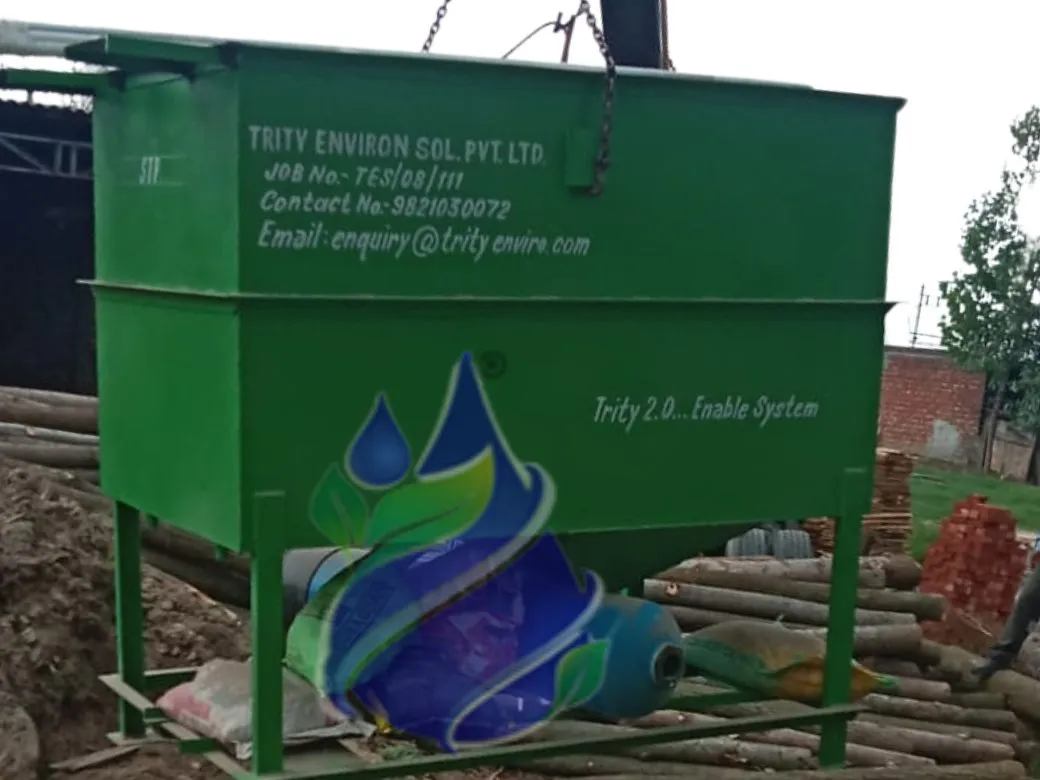



Discuss your requirements with our engineering team and get practical guidance for your project.