The Scale of India's Hazardous Waste Challenge
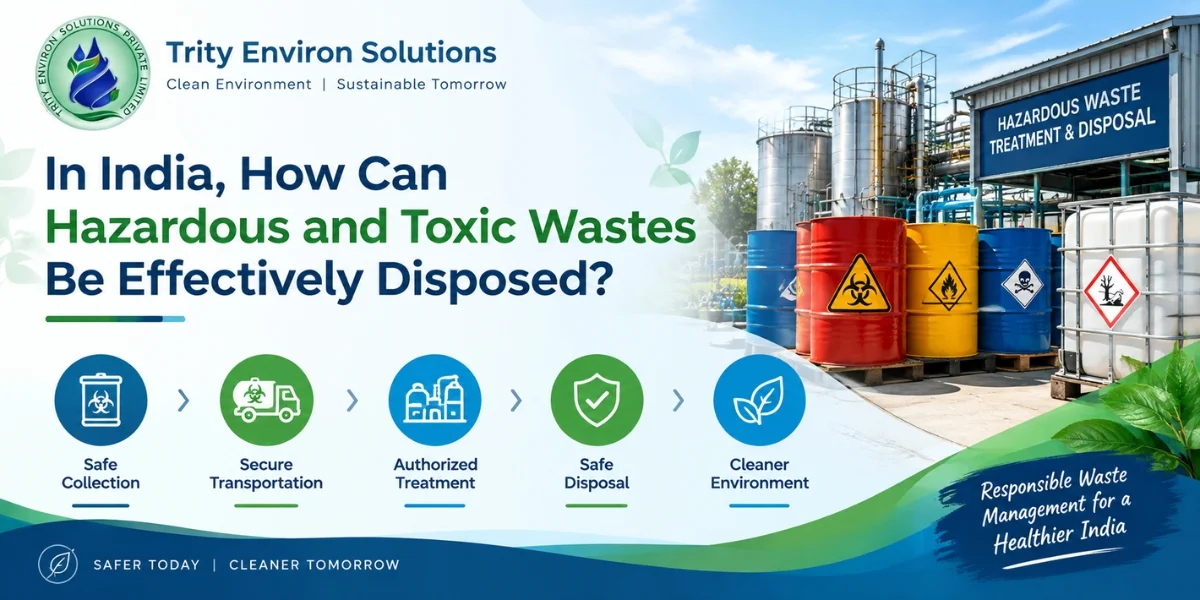
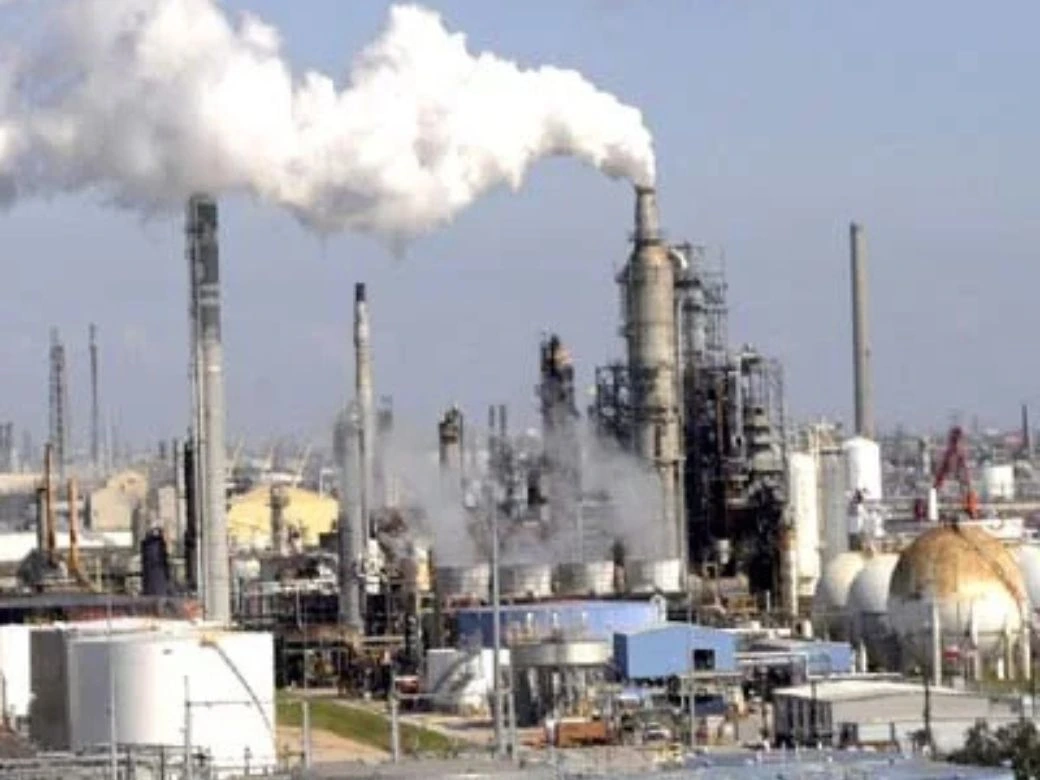
India generates approximately 7.46 million metric tonnes of hazardous waste every year, produced by roughly 44,000 industries ranging from chemical manufacturing and petroleum refining to pharmaceuticals, textile dyeing, and electronics production, with Gujarat consistently the largest single contributor. When hazardous waste is improperly stored, transported, or disposed of, the consequences are severe and often irreversible: contaminated soil that renders agricultural land unusable, poisoned groundwater, and direct health risks to anyone who comes into contact with it. Understanding exactly how hazardous waste disposal actually works in India, legally and practically, is the first step toward getting it right.
What Legally Counts as Hazardous Waste?
Hazardous waste is legally defined as any waste that, due to its physical, chemical, biological, reactive, toxic, flammable, explosive, or corrosive characteristics, poses a danger to human health or the environment. This is not a subjective judgment call left to individual facilities; it is governed by a specific classification system under Indian law.
How Waste Gets Classified Under Schedule I
Under the Hazardous and Other Wastes (Management and Transboundary Movement) Rules, 2016, Schedule I lists specific waste streams based on the industrial process that generates them. If your facility's manufacturing process appears on this schedule, the resulting waste is classified as hazardous by default, regardless of how it looks or how it is currently being handled on-site. Where a specific process is not clearly listed, an occupier can rely on documented process knowledge or send a sample to a certified laboratory for testing to determine hazardous status conclusively.
Common Examples Across Industries
Hazardous waste takes many forms depending on the generating industry: used oil and spent lubricants from machinery and generator sets, spent catalysts and solvents from chemical and pharmaceutical manufacturing, heavy metal sludge from electroplating and metal finishing, dye and chemical residues from textile processing, and expired or off-specification pharmaceutical products, among many others. The 2016 Rules also extended coverage to "other wastes" with genuine recycling value, including waste tyres, paper waste, metal scrap, and used electronics, distinguishing recoverable resource streams from waste that genuinely requires disposal.
The Legal Framework: Hazardous Waste Management Rules, 2016
India's hazardous waste regime is governed by the Hazardous and Other Wastes (Management and Transboundary Movement) Rules, 2016, notified by the Ministry of Environment, Forest and Climate Change and framed under the Environment (Protection) Act, 1986. These rules superseded the earlier 2008 regulations and give domestic effect to India's obligations under the Basel Convention on the Control of Transboundary Movements of Hazardous Wastes.
Authorization and the Occupier's Responsibility
Every "occupier," the legal term for the facility generating, storing, transporting, recycling, recovering, co-processing, or disposing of hazardous waste, must obtain authorization from the relevant State Pollution Control Board before engaging in any of these activities. This authorization requirement applies at every stage of the waste's lifecycle, not just at final disposal, making early compliance planning essential rather than something to address only once waste has already accumulated on-site.
Storage, Labelling, and the 90-Day Rule
Facilities generating hazardous waste generally cannot store it beyond 90 days without specific extension approval from the relevant Pollution Control Board. Storage containers must also carry standardized labels under Form 8 of the Rules, a fluorescent yellow background with "HAZARDOUS WASTES" and "HANDLE WITH CARE" printed in red, in Hindi, English, and the relevant local language, ensuring the hazard is immediately visible to anyone handling the container.
Import and Export Restrictions
The 2016 Rules prohibit importing hazardous waste into India for disposal outright. Import for legitimate recycling, recovery, reuse, or co-processing is permitted only with prior authorization from the Ministry and the Directorate General of Foreign Trade, following the prior informed consent procedure mandated under the Basel Convention.
The Waste Management Hierarchy: From Prevention to Disposal
The 2016 Rules establish a clear order of preference for managing hazardous waste, prioritizing approaches that avoid disposal entirely wherever feasible, rather than treating landfill or incineration as the default first option.
Prevention and Minimization at Source
The most effective and lowest-cost step in hazardous waste management is generating less of it in the first place, through process modifications, better raw material handling, and tighter operational controls that reduce waste generation before it ever needs treatment or disposal.
Reuse, Recycling, and Recovery
Where waste generation cannot be avoided entirely, the next priority is reuse, recycling, or material recovery. Practical examples include using fly ash as an alternative raw material in cement production, or recovering copper from cable residues, turning waste that would otherwise need disposal into a genuine input for another industrial process.
Co-Processing as Energy Recovery
Co-processing uses hazardous waste as an alternative fuel or raw material, most commonly in cement kilns, reducing dependence on virgin fuel while simultaneously reducing the volume of waste that would otherwise require landfilling. This approach is increasingly encouraged as part of India's broader push toward reduced landfill dependency.
Final Disposal Through TSDFs and Secure Landfill
Where none of the above options are feasible, hazardous waste moves to final disposal, either at a captive treatment facility built and operated by the individual waste generator, or at a Common Hazardous Waste Treatment, Storage and Disposal Facility (TSDF) shared across multiple industries. Roughly 40 such common TSDFs currently operate across 17 Indian states, offering smaller generators a compliant disposal route without the capital cost of building dedicated infrastructure of their own.
Industry-Specific Hazardous Waste Challenges
Hazardous waste generation and disposal needs look meaningfully different depending on the industry involved.
Chemical and dye-heavy sectors like textile processing generate significant sludge and chemical residue as part of their wastewater treatment process; our guide on textile industry wastewater treatment methods covers how proper effluent treatment reduces this downstream hazardous sludge burden. Pharmaceutical manufacturing generates its own distinct category of hazardous waste, spent solvents, expired products, and API residues, requiring the specialized treatment approach covered in our ETP for pharmaceutical industry guide. The oil and gas sector faces a genuinely unique hazardous waste category in the form of Naturally Occurring Radioactive Materials (NORM), discussed in detail in our guide on oil and gas wastewater treatment methods, which requires specialized handling entirely separate from standard treatment.
Any industry running a Zero Liquid Discharge system also generates a solid salt cake byproduct from the crystallization stage, which must itself be disposed of under Hazardous Waste Management Rules unless it qualifies for recovery and reuse as a saleable salt product. On the general solid waste side, our guide on wet and dry waste segregation explains how India's new SWM Rules 2026 introduced a dedicated black bin specifically for special care and hazardous household waste, batteries, expired medicines, and bulbs, distinct from the industrial hazardous waste framework covered in this guide but built on the same underlying principle of not mixing hazardous material with general waste streams.
Properly dewatering hazardous sludge before disposal, using a correctly specified filter press or sludge dewatering system, also significantly reduces the volume and transport cost of waste sent to a TSDF, since disposal fees are typically charged by volume or weight. Facilities generating used oil from machinery and generator sets should also ensure a proper oil water separator is in place, since used oil is explicitly classified as hazardous waste and must be routed through authorized recyclers rather than disposed of with general effluent.
Common Mistakes That Lead to Non-Compliance
A few recurring errors account for most hazardous waste compliance failures seen across Indian industry. Storing hazardous waste beyond the 90-day limit without seeking an extension is one of the most common, often happening simply because a facility loses track of storage dates rather than through deliberate non-compliance. Mixing hazardous waste with general solid or liquid waste streams is another frequent issue, since it contaminates otherwise manageable waste and complicates downstream treatment significantly. Skipping proper labelling under Form 8, or failing to renew SPCB authorization as operations scale up, are also common gaps that surface during inspections and can result in environmental compensation, calculated based on the duration and severity of non-compliance rather than a fixed penalty amount.
Industry Applications / Use Cases
| Industry |
Typical Hazardous Waste |
Recommended Approach |
| Textile and dyeing units |
Chemical sludge, dye residue |
Effluent treatment plus proper sludge dewatering before TSDF disposal |
| Pharmaceutical manufacturing |
Spent solvents, expired products, API residue |
Specialized ETP design plus authorized TSDF or incineration |
| Oil and gas operations |
Used oil, NORM-bearing waste |
Oil-water separation, specialized NORM handling protocols |
| Electroplating and metal finishing |
Heavy metal sludge |
Chemical precipitation plus filter press dewatering |
| Any ZLD-operating facility |
Dry salt cake from crystallization |
Hazardous waste disposal or resource recovery where feasible |
Why Choose Trity Enviro
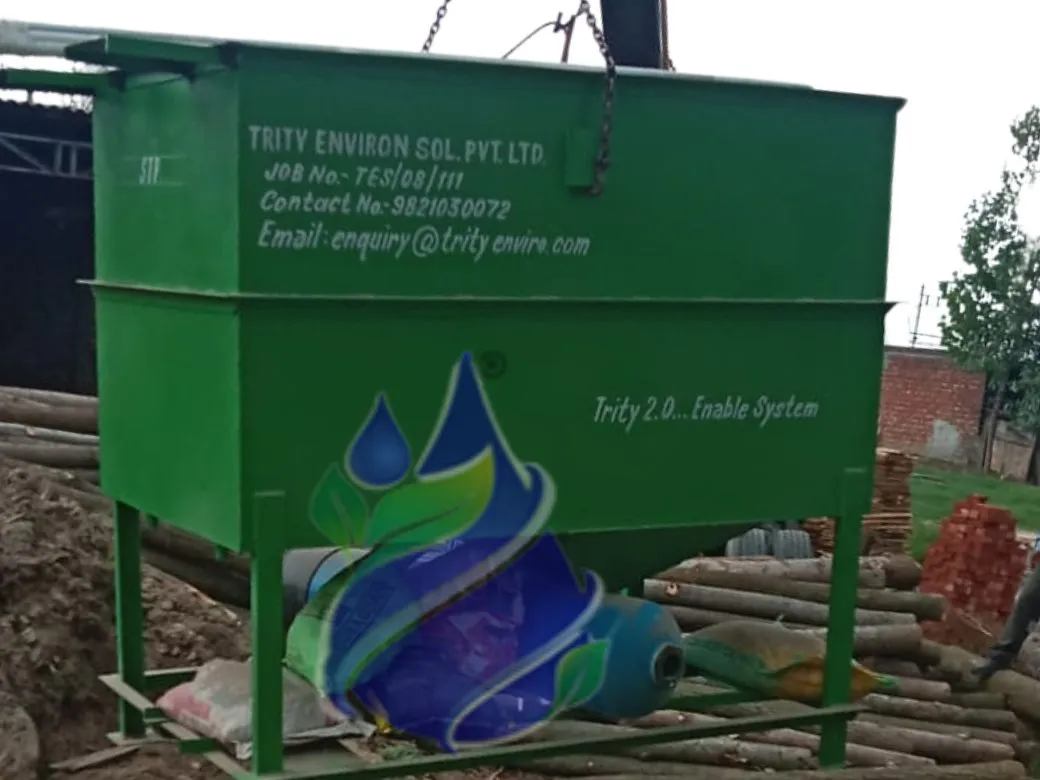
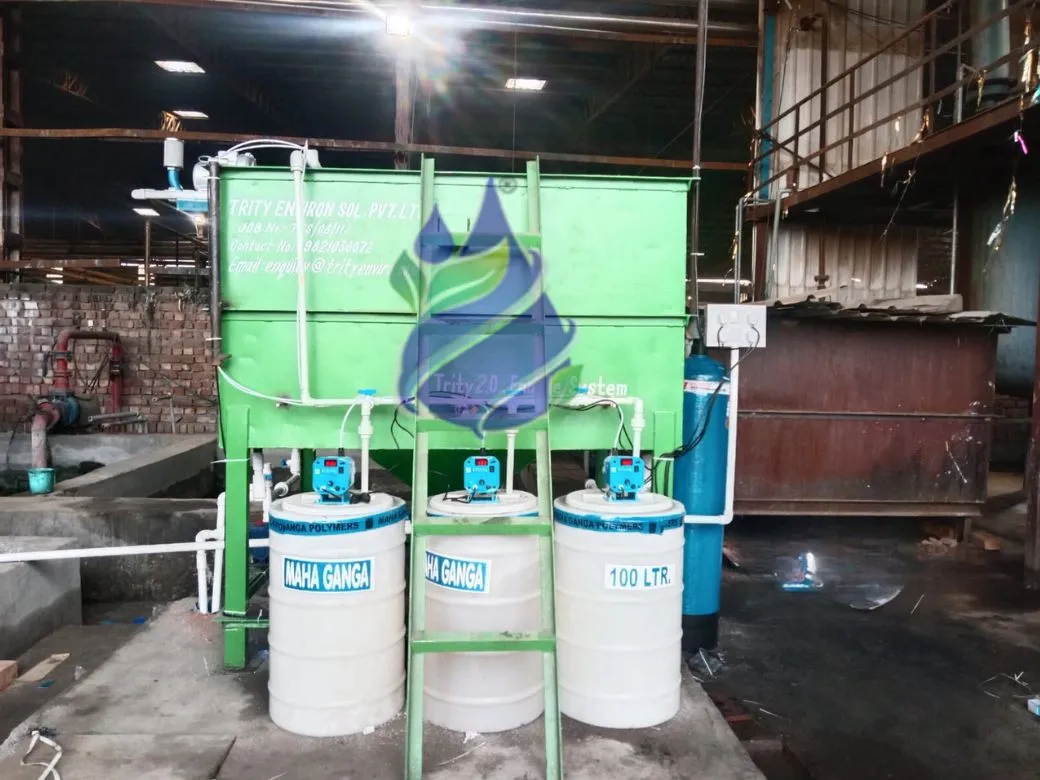
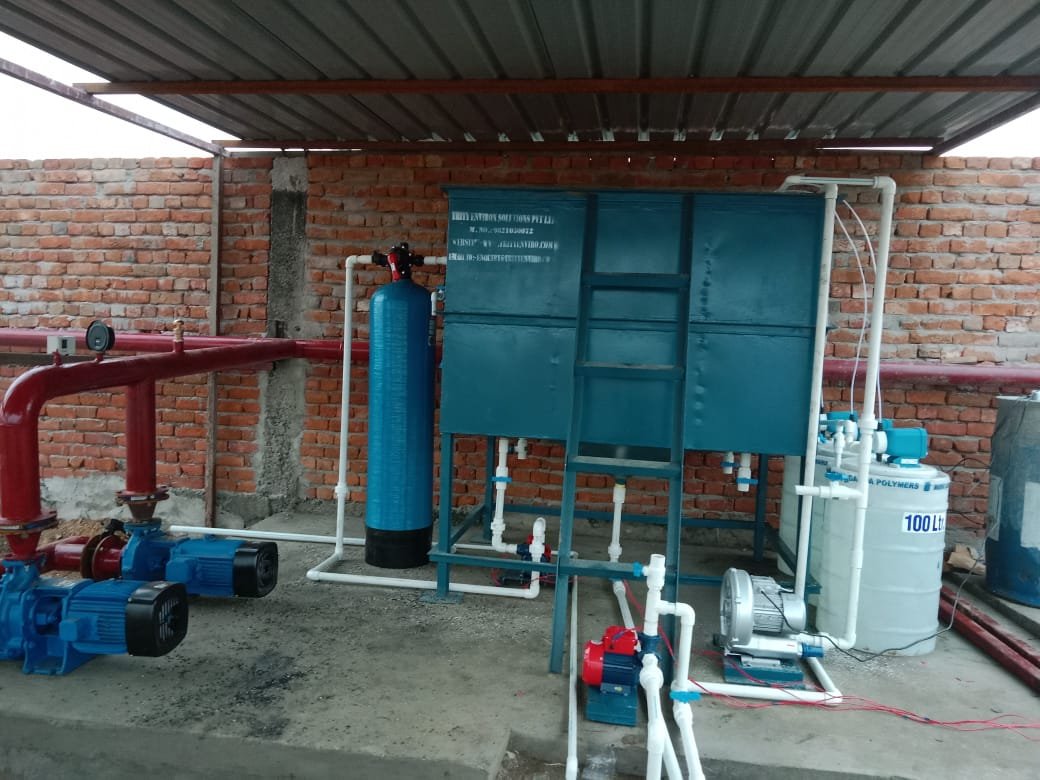
Trity Environ Solutions is a trusted effluent treatment plant manufacturer and wastewater treatment plant manufacturer in India, and our engineering team designs treatment systems that reduce the volume and complexity of hazardous waste your facility ultimately needs to dispose of, whether through proper sludge dewatering, oil-water separation, or effluent treatment sized to minimize downstream hazardous residue. As an experienced ETP and STP manufacturer and supplier, we help clients across textile, pharmaceutical, chemical, and industrial sectors build compliance into their treatment process from the design stage rather than addressing it reactively. Every installation is backed by pan-India Annual Maintenance Contract and operation and maintenance support. We are ISO 9001:2015 certified, QCI approved, and deliver CPCB-compliant engineering across industrial projects nationwide.
Need help reducing the hazardous sludge or effluent your facility generates, or ensuring your treatment process supports compliant disposal?
Call +91-9821030072 or email enquiry@trityenviro.com to speak with our compliance engineers.
Request a Free Site Assessment