Vertical Farming and Wastewater Reuse: A Hidden Partnership
Discover how vertical farming and wastewater reuse unite to boost food security, conserve water, and enable sustainable agriculture in urban areas.
A wastewater treatment plant does more than protect local water sources, it creates a genuine, lasting employment footprint across construction, skilled operations, laboratory work, and compliance, in the very community where it's built.
Wastewater treatment plants are widely recognized for keeping rivers, ponds, and groundwater free from industrial and domestic pollution, but their economic footprint on the local community is just as real, even if it gets discussed far less often. A single treatment plant generates employment across its entire lifecycle, from the initial construction phase through decades of operation, monitoring, and eventual upgrades, and this employment is genuinely local, since most of these roles cannot be outsourced or performed remotely.
Building a wastewater treatment plant is a substantial civil engineering undertaking, and it employs a wide range of local labor from the outset. Construction workers handle excavation, civil structure work, piping, and equipment installation, while civil engineers and construction contractors oversee the project, ensuring the facility is built to specification and on schedule. For larger municipal or industrial plants, this construction phase alone can employ dozens of local workers for months at a time.
Once commissioned, a treatment plant needs a permanent, on-site workforce to keep it running reliably for decades. Plant operators manage the day-to-day treatment process, monitoring flow rates, dosing, and system performance, while maintenance technicians handle the regular upkeep of pumps, blowers, and mechanical equipment that a plant depends on to function without interruption. Unlike construction jobs, which wind down once a project is complete, operations roles represent long-term, stable local employment for the entire working life of the plant, an interval that can span 20-30 years or more.
Every functioning treatment plant needs laboratory technicians who test influent and effluent quality, verify treatment performance, and generate the data needed to confirm the plant is meeting its discharge or reuse standards. This is a specialized, technical role that has become increasingly important as monitoring requirements and data reporting expectations have grown more sophisticated across the sector; our guide on the importance of data in modern wastewater treatment systems covers how this role is evolving alongside newer monitoring technology.
Treatment plants operate under a layered set of environmental regulations, and staying compliant creates its own category of employment. Legal consultants advise facilities on evolving environmental protection law, while regulatory compliance specialists manage the practical work of permits, discharge reporting, and inspection readiness, roles that are becoming more, not less, important as enforcement and digital monitoring requirements tighten across Indian states.
Water treatment remains a genuinely research-active field, and ongoing innovation in treatment technology, energy efficiency, and sludge management creates employment for researchers and technical specialists working to improve plant performance and sustainability over time, extending the employment impact of the sector well beyond any single facility.
Water and wastewater sector roles in India offer genuinely competitive compensation, particularly for engineering and technical positions. A water or wastewater engineer with project management responsibility in India earns an average base salary of around Rs 7.8 lakh per year, with total compensation ranging roughly from Rs 2.16 lakh at the entry level to over Rs 10 lakh for experienced professionals, reflecting a clear and realistic career growth path within the sector rather than a narrow band of low-paying roles.
An important trend shaping employment in this sector globally, and increasingly in India, is workforce aging. Industry analysis suggests up to 50% of the global water and wastewater workforce could retire within the next decade, creating a genuine talent replacement challenge across operations, engineering, compliance, and data-focused roles. This is not simply a headcount problem; it reflects a skills gap where education and training pipelines have struggled to keep pace with the specialized capabilities the sector now needs.
India has begun addressing this directly. The Water Management and Plumbing Skill Council (WMPSC) works specifically to bridge this skill gap, developing industry-validated training standards and vocational pathways aligned with the national push to build a skilled workforce for the water and plumbing sector. For local communities near treatment plant projects, this translates into a genuine, growing opportunity: vocational training and apprenticeship pathways into stable, well-paying technical careers that did not require a traditional four-year engineering degree to access.
The employment impact of a wastewater treatment plant extends beyond the roles working directly inside it. Local suppliers providing construction materials, equipment, and consumables like chemicals and spare parts see increased business tied to the plant's construction and ongoing operation. Ancillary service providers, transportation for sludge disposal, equipment servicing contractors, and local security and facility management, also see sustained demand generated by a plant's day-to-day operation. This ripple effect means the true local employment impact of a treatment plant is meaningfully larger than the headcount working on-site alone would suggest.
| Plant Phase | Primary Job Roles | Employment Duration |
|---|---|---|
| Construction | Construction workers, civil engineers, contractors | Months (project-based) |
| Operations | Plant operators, maintenance technicians | Ongoing, 20-30+ years |
| Quality control | Laboratory technicians | Ongoing |
| Compliance | Legal consultants, regulatory specialists | Ongoing, growing with enforcement |
| Research | Technical researchers, process specialists | Sector-wide, ongoing |
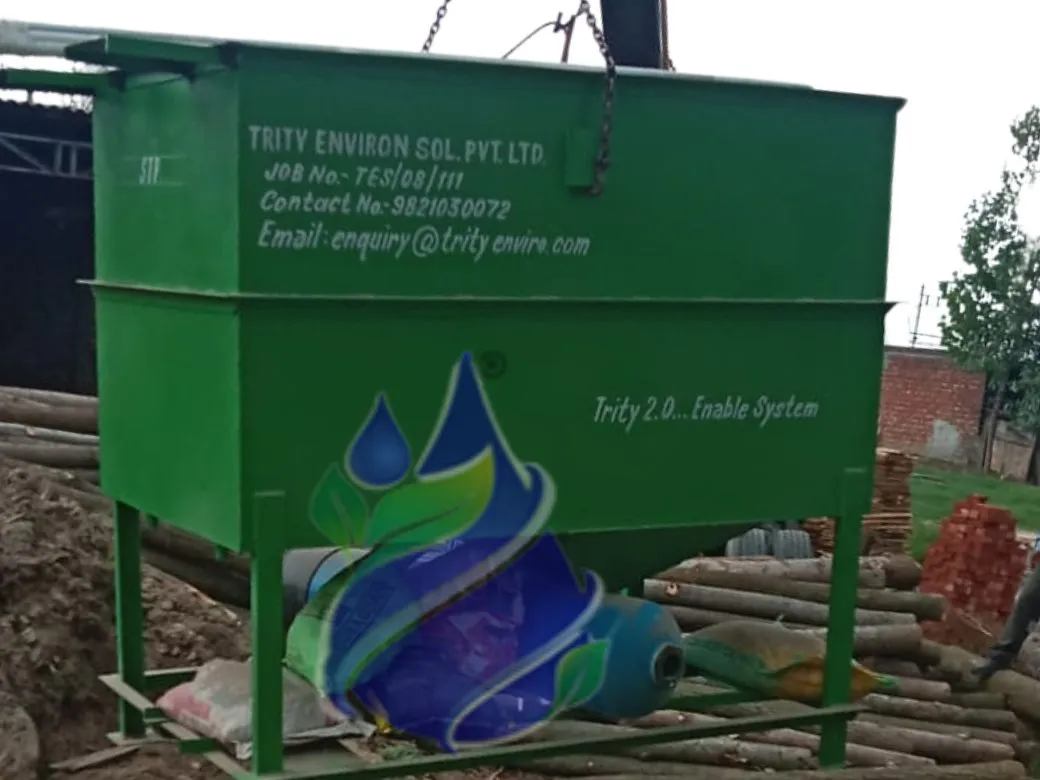
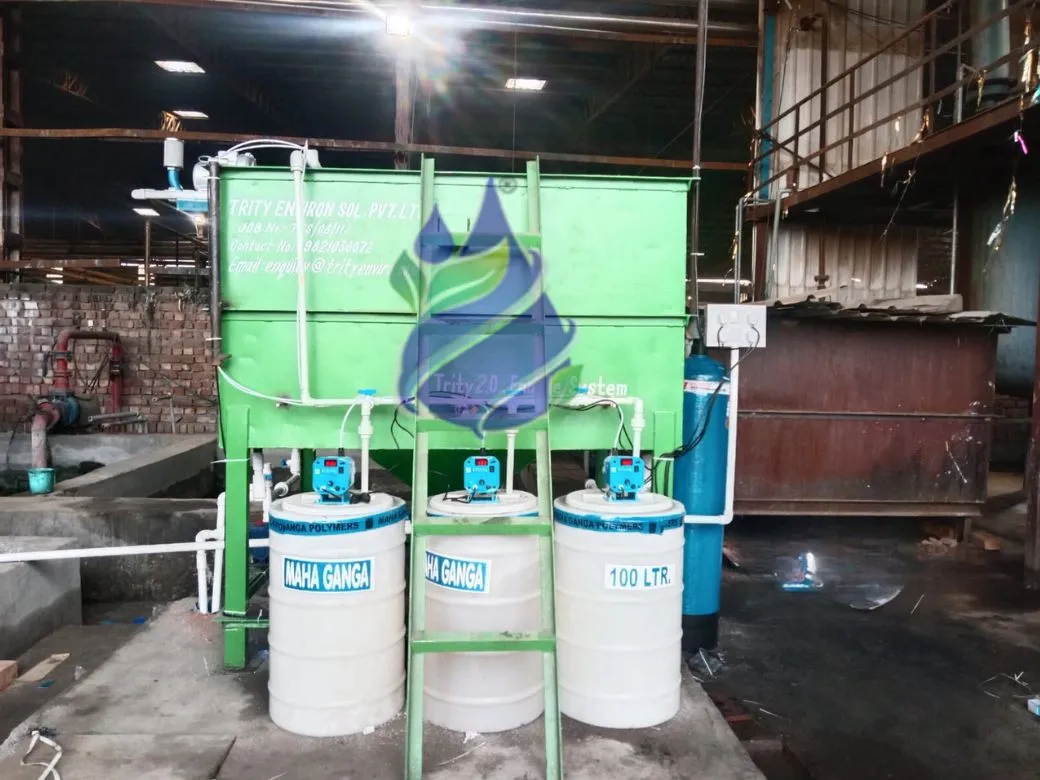
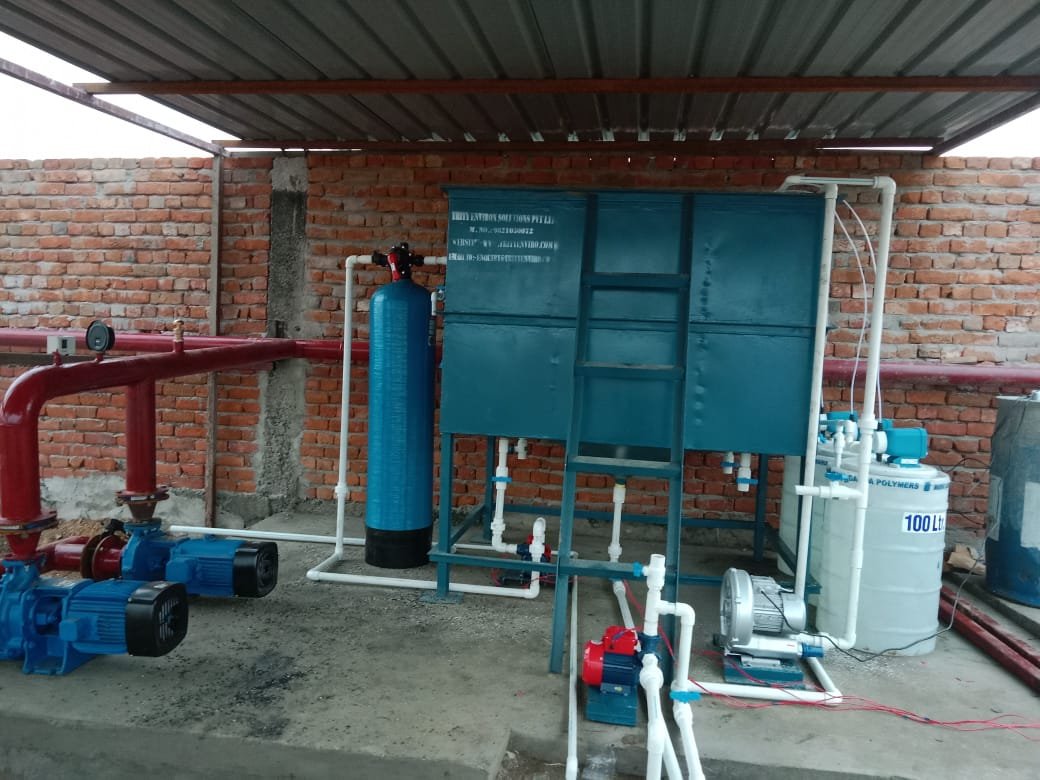
Trity Environ Solutions has spent years designing, building, and maintaining sewage treatment plants and effluent treatment plants across India, generating genuine local employment at every project site, from STP plant installation construction crews to the long-term operations and technical staff supporting our pan-India Annual Maintenance Contract and operation and maintenance services. As an experienced wastewater treatment plant manufacturer, we understand that a well-run facility is also a stable, long-term employer for the community around it. We are ISO 9001:2015 certified, QCI approved, and deliver CPCB-compliant engineering across municipal and industrial projects nationwide.
A treatment plant creates jobs across construction (labourers, civil engineers), operations (plant operators, maintenance technicians), laboratory testing, legal and regulatory compliance, and ongoing research and technical innovation, spanning both short-term construction employment and decades of stable operational roles.
A water or wastewater engineer with project management responsibility in India earns an average base salary of around Rs 7.8 lakh per year, with total compensation ranging from roughly Rs 2.16 lakh for entry-level roles to over Rs 10 lakh for experienced professionals.
Yes, globally up to 50% of the water and wastewater workforce could retire within the next decade, creating a genuine talent gap across operations, engineering, and compliance roles. India is addressing this through bodies like the Water Management and Plumbing Skill Council, which develops vocational training pathways for the sector.
Yes, treatment plants generate indirect employment through local suppliers of construction materials and consumables, and induced employment through ancillary services like transportation, equipment servicing, and facility support, extending the local economic impact well beyond on-site staff alone.
While construction employment is project-based and temporary, operations, maintenance, laboratory, and compliance roles are ongoing for the entire working life of the plant, often 20-30 years or more, making them a genuinely stable, long-term source of local employment.
Discover how vertical farming and wastewater reuse unite to boost food security, conserve water, and enable sustainable agriculture in urban areas.
Discover the root causes of sewage and embrace sustainable solutions. Explore how understanding sewage origins leads to a healthier environment.
Explore how constructed wetlands improve wastewater treatment, cut costs, and boost plant efficiency with eco-friendly, sustainable solutions.
Discuss your requirements with our engineering team and get practical guidance for your project.