
 ISO 9001:2015 & QCI Approved
Effluent Treatment Plant for Hospital
Trity Environ Solutions manufactures ETP plants for hospital laboratory, radiology, and pathology effluent, engineered to CPCB's healthcare waste guidelines. Get a free quote.
SPCB / CPCB Norm Compliant
Heavy Fabrication
ETP Plant for Hospital Laboratory, Radiology, and Pathology Effluent
A hospital doesn't generate one kind of wastewater. General ward and staff sewage is one stream, and that's what a standard hospital STP handles. But laboratories, radiology departments, and pathology sections generate a genuinely different stream, silver-laden X-ray film developing liquid, discarded formalin, infected laboratory secretions, and disinfectant-heavy floor washings from these departments. CPCB's own Healthcare Waste Management Guidelines are specific about this: silver X-ray film developing fluid must go to authorised recyclers for resource recovery rather than simply being discharged, and hospitals with large standalone labs are required to install a dedicated ETP to collect and disinfect infectious laboratory waste before it mixes with the rest of the hospital's wastewater. Smaller facilities without a separate ETP are still required to chemically disinfect this stream on-site before combining it with general sewage.
Trity Environ Solutions manufactures Effluent Treatment Plant for Hospital systems built specifically for this pre-treatment requirement, distinct from the general sewage handling a hospital STP covers. As a leading ETP Plant for Hospital manufacturer, we design around the specific chemical and biological hazards these departmental waste streams carry.
Which Hospital Departments Actually Need Dedicated ETP Treatment
- Radiology and imaging: X-ray film fixer solution contains recoverable silver, and CPCB guidelines require this be routed to authorised recyclers rather than discharged, alongside developer chemicals that need proper handling
- Pathology and clinical laboratories: discarded formalin, biological reagents, and infected specimens generate wastewater carrying both toxic chemicals and pathogens, requiring disinfection before it joins the general stream
- Central Sterile Supply Department (CSSD): high-concentration disinfectant discharge from sterilisation cycles
- Dialysis units: effluent carrying disinfectant residues and trace contaminants from the dialysis process
- Mortuary and autopsy sections: formalin-based preservation chemicals requiring dedicated chemical treatment, since formalin is toxic even in dilute concentrations and resists standard biological breakdown
A general hospital STP, built to handle domestic-strength sewage, isn't designed to safely process any of these streams on its own. That's precisely the gap a dedicated ETP closes.
How This Differs From a Hospital STP
It's worth being direct about the difference, since the two are often confused. A Sewage Treatment Plant for Hospital handles domestic-strength wastewater from toilets, kitchens, and general wards, and runs through standard preliminary, secondary, and tertiary stages. An ETP for Hospital specifically pre-treats the chemically and biologically hazardous streams from labs, radiology, and pathology before they're safe to combine with that general sewage stream at all. Most hospitals of meaningful size need both, working together rather than one substituting for the other.
How an Effluent Treatment Plant for Hospitals Works
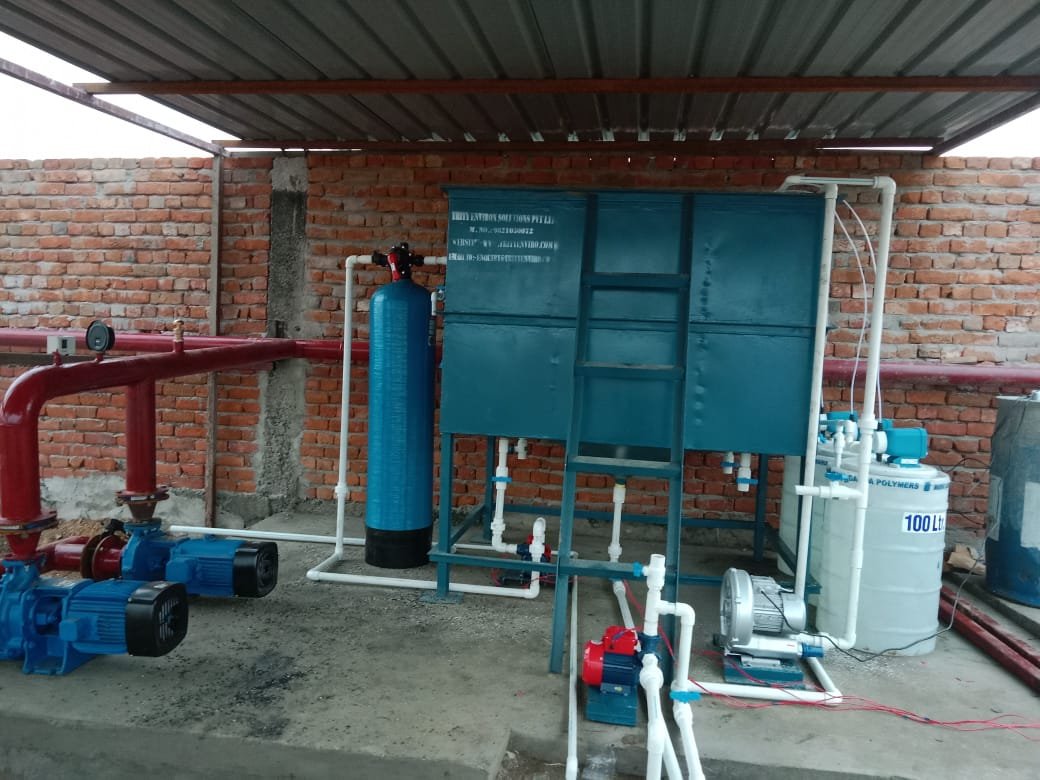
Our ETP systems run through collection and storage, gathering effluent from radiology, pathology, and lab sources into an equalisation tank to buffer the concentrated, irregular discharge these departments produce. Preliminary treatment removes coarse solids and debris through screens and grates. Primary treatment uses sedimentation to settle heavier suspended solids into sludge, skimming clarified water off the top for further treatment. Secondary treatment introduces a biological stage where microorganisms break down organic matter and dissolved pollutants, though this stage alone isn't sufficient for formalin or heavy metal content. Tertiary treatment, filtration and disinfection, brings the water to a standard safe for combining with general hospital sewage or, where a facility wants to reduce freshwater dependency, safe for non-potable reuse.
For formalin-heavy streams specifically, standard biological treatment needs to be paired with dedicated chemical oxidation, since formalin resists breakdown through biological processes alone.
Turnkey Execution: Design to Commissioning
Our scope on hospital ETP projects typically covers:
- Effluent characterisation across your specific departmental sources, radiology, pathology, CSSD, dialysis, and mortuary as applicable
- Process design that segregates and pre-treats hazardous streams before general sewage mixing
- Silver recovery system integration for radiology departments still using film-based X-ray processing
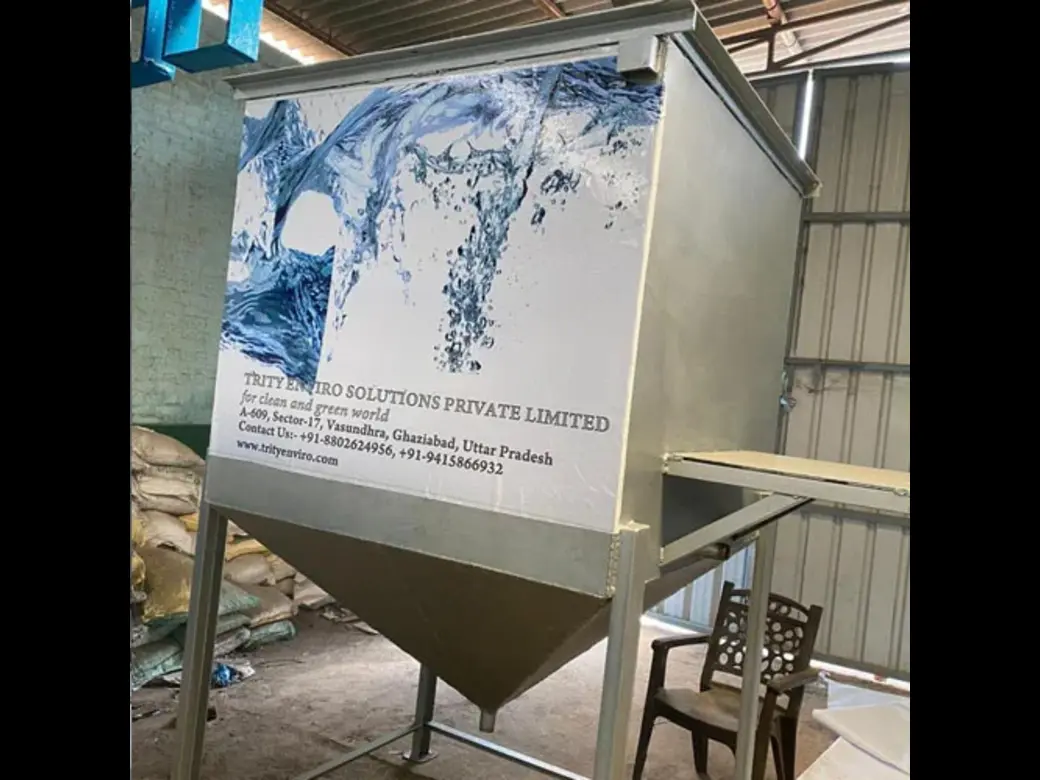
- Equipment manufacturing at our own facility
- Installation, piping, and electrical integration
- Trial runs, commissioning, and CPCB and SPCB documentation support
- Annual Maintenance Contracts (AMC) after commissioning
Given how CPCB guidelines specifically call out large standalone labs as requiring dedicated ETP infrastructure, we help facilities assess whether their lab and radiology volume crosses that threshold, rather than defaulting every hospital to the same configuration regardless of scale.
Capacity and Technology Specifications
| Specification | Detail |
|---|---|
| Application | Radiology, pathology, laboratory, CSSD, and mortuary effluent |
| Treatment technology | MBBR, with dedicated chemical treatment stages for formalin and silver recovery for X-ray fixer |
| Capacity range | 5 KLD to 1 MLD, depending on department scale and lab volume |
| Power source | Electronic, with automation options for continuous monitoring |
Why a Dedicated Hospital ETP Matters
Prevention of disease spread: pathogens in laboratory and pathology effluent, left untreated, pose a direct risk to both humans and the wider environment. Dedicated disinfection before this stream mixes with general sewage substantially lowers that risk.
Protection against pharmaceutical and chemical contamination: effluent from labs and pathology carries chemicals and compounds that don't belong in groundwater or surface water. Proper ETP treatment removes these before discharge.
Resource recovery, not just disposal: silver recovery from X-ray fixer solution isn't just an environmental requirement, it has genuine resale value, and CPCB guidelines specifically direct this material to authorised recyclers rather than treating it as waste.
Regulatory standing: hospitals with large standalone labs are specifically named in CPCB's healthcare waste guidelines as needing this infrastructure. Having it in place, and documented, matters during inspection.
Engineering Considerations for Hospital ETPs
Formalin needs dedicated chemical treatment, not just biological polishing. Standard activated sludge processes don't reliably break down formalin, so facilities handling meaningful pathology or mortuary volume need a chemical oxidation stage built in specifically.
Silver recovery is a design decision, not an afterthought. Facilities still using film-based radiology need fixer solution routed through a silver recovery system before the remaining effluent enters general treatment, both for compliance and because the recovered silver has resale value.
Segregation upstream saves treatment complexity downstream. Keeping hazardous departmental streams separate from general sewage until they've been properly pre-treated is significantly more manageable than trying to treat everything mixed together after the fact.
Volume from labs and radiology is genuinely irregular. Unlike general ward sewage, discharge from these departments comes in batches tied to specific testing or imaging cycles, which is why equalisation tank sizing matters more here than in a standard STP.
Retrofit projects need careful integration with existing plumbing. Many hospitals built their lab and radiology departments before dedicated ETP infrastructure was standard practice, which means retrofitting often involves rerouting drainage that was never designed for stream segregation. We assess existing plumbing layouts closely before finalising a retrofit design, since getting this wrong undermines the entire point of separating hazardous streams in the first place.
Why Hospitals Choose Trity Environ Solutions
Many suppliers market a single hospital wastewater product without distinguishing between general sewage and the specific hazards lab, radiology, and pathology effluent carry. We start from CPCB's actual healthcare waste guidance, which departments need dedicated pre-treatment, what silver recovery requires, why formalin needs chemical rather than purely biological treatment, and design accordingly.
We manufacture at our own facility, handle design through commissioning ourselves, and provide free site visits so our team can assess your actual departmental effluent sources before recommending a configuration, rather than defaulting to a standard package regardless of what your facility actually generates.
Quality, Certification, and After-Sales Support
Trity Environ Solutions is ISO 9001:2015 certified, and every plant we manufacture goes through in-house quality inspection before dispatch. After installation, we provide AMC support, spare parts availability, and remote troubleshooting. You can review our project history on our Achievement page, or explore our full product range.
Frequently Asked Questions
1. What's the difference between an ETP and an STP for a hospital?
An STP handles domestic-strength sewage from toilets, kitchens, and wards. An ETP specifically pre-treats the chemically and biologically hazardous effluent from labs, radiology, and pathology before it's safe to combine with general sewage. Most hospitals of meaningful size need both.
2. Do all hospitals need a dedicated ETP for lab and radiology waste?
CPCB guidelines specifically require hospitals with large standalone labs to install a dedicated ETP for this purpose. Smaller facilities without one are still required to chemically disinfect this waste stream on-site before mixing it with general sewage, so the requirement applies in some form regardless of scale.
3. What happens to silver recovered from X-ray fixer solution?
CPCB guidelines direct that silver X-ray film developing fluid be given or sold to authorised recyclers for resource recovery, rather than being discharged as waste. This also has genuine resale value for the facility.
4. Can standard biological treatment handle discarded formalin from pathology or mortuary use?
No. Formalin resists breakdown through standard biological treatment and needs a dedicated chemical treatment stage. Facilities with meaningful pathology or mortuary volume should plan for this specifically rather than assuming a standard ETP configuration will handle it.
5. How long does commissioning take for a hospital ETP?
Timelines depend on capacity and the number of departmental streams being integrated, but typically range from a few weeks for a smaller single-department system to a couple of months for a larger, multi-stream installation with silver recovery and formalin treatment integrated.
6. Can an existing hospital ETP be upgraded to add silver recovery or formalin treatment?
In many cases, yes. These can often be added as dedicated modules to an existing system without a full rebuild. We assess this during site evaluation.
7. Does a small clinic without a standalone lab need a separate ETP at all?
Not necessarily a full dedicated ETP, but CPCB guidance still requires on-site chemical disinfection of any laboratory or infectious liquid waste before it mixes with general sewage, even at smaller facilities. The scale of infrastructure needed depends on your actual lab and radiology volume, which we assess during site evaluation.
Ready to discuss your hospital's laboratory or radiology effluent treatment project? Get a free quote or explore our full product range for ETP, STP, and related water treatment systems.
WHY THIS SYSTEM?
Key Benefits of Effluent Treatment Plant for Hospital
Engineered for high biological efficiency, full environmental compliance, and low lifecycle operational costs.
100% CPCB / SPCB Compliance
Strict adherence to national and state pollution control board parameters for BOD, COD, TSS, and heavy metals discharge.
Low Power & Operational Cost
Optimized hydraulic design and energy-efficient aeration reduce kilowatt consumption per cubic meter of treated water.
Compact & Modular Footprint
Skid-mounted and modular civil layouts save valuable industrial floor space and allow seamless capacity expansion.
Automated PLC / SCADA Control
Real-time water quality monitoring, automated dosing systems, and remote telemetry for hassle-free plant operation.
Zero Liquid Discharge (ZLD) Ready
Seamless integration with downstream RO and evaporator systems for maximum water recycling and recovery.
Robust Engineering & Longevity
Heavy-gauge anti-corrosive construction ensures 15+ years of reliable, uninterrupted service life.
SYSTEM CONFIGURATIONS
Types of Effluent Treatment Plant for Hospital Configurations
Tailored industrial configurations matched to specific effluent composition, flow rates, and space constraints.
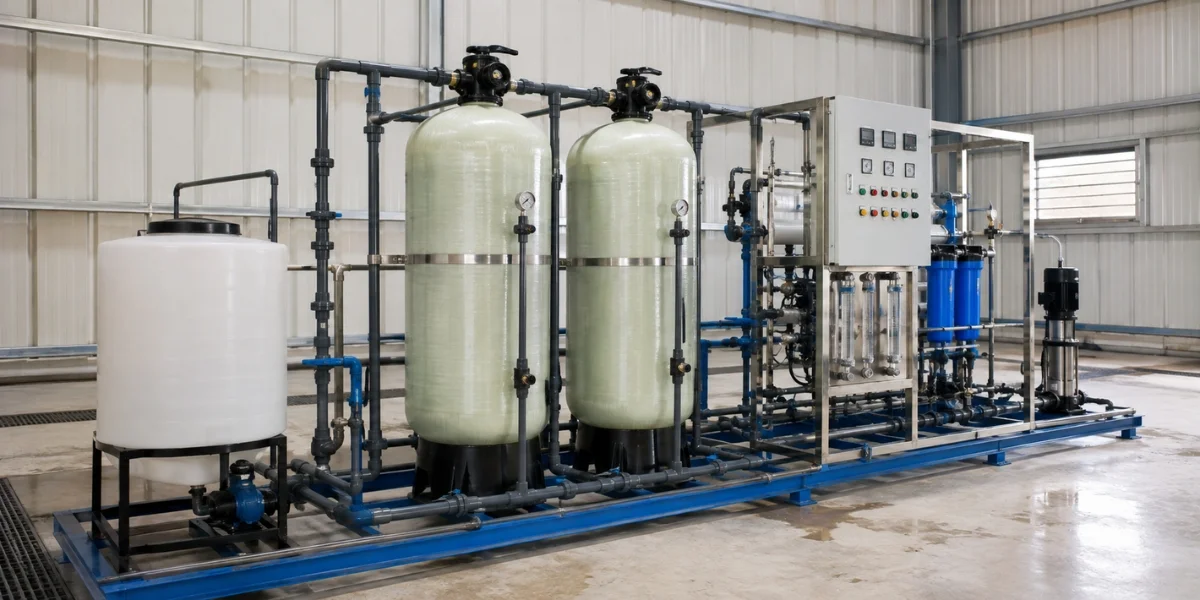
RO & Water Recycling Plant Manufacturer in India
Trity Environ Solutions manufactures RO and water recycling systems for industries and commercial facilities, engineered for reliable purity and reuse.
Explore Configuration
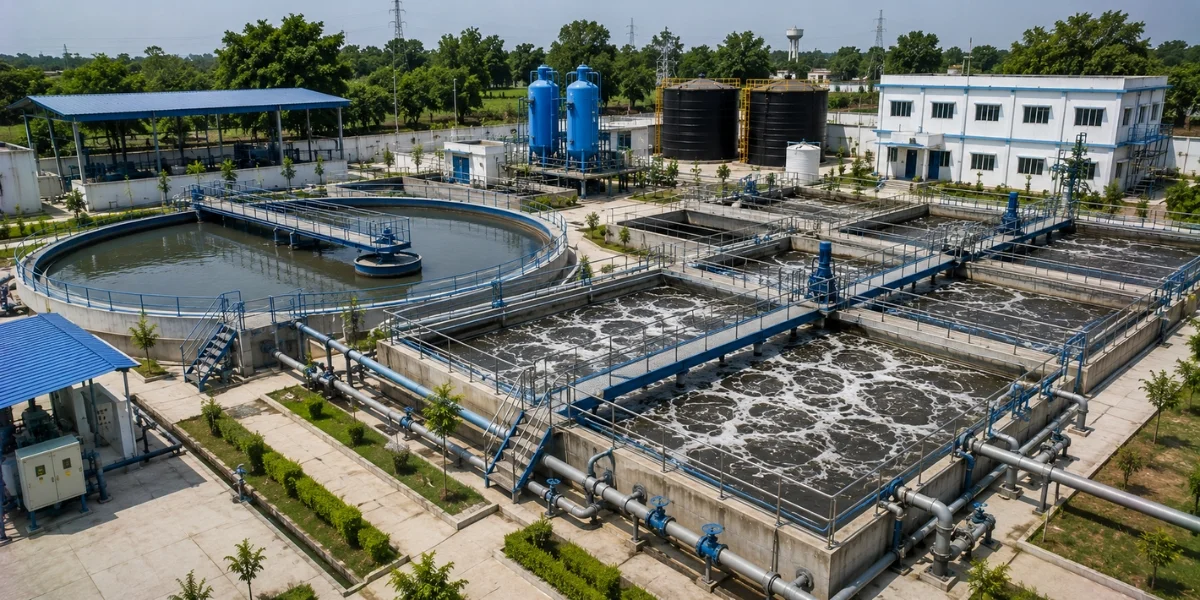
Tertiary Treatment Plant Manufacturer in India
Trity Environ Solutions manufactures tertiary treatment plants that polish treated water beyond secondary treatment, enabling genuine reuse and stricter discharge compliance.
Explore Configuration
Wastewater Recycling System Manufacturer in India
Trity Environ Solutions manufactures wastewater recycling systems using UF and RO technology, turning treated wastewater into reuse-grade water for cooling, flushing, and gardening.
Explore Configuration
STEP-BY-STEP WORKFLOW
How the Effluent Treatment Plant for Hospital Process Works
A sequential, multi-stage treatment methodology engineered for maximum contaminant removal and water recovery.
01
Primary Collection & Screening
Raw effluent equalization, coarse bar screening, and pH neutralization to stabilize influent parameters.
02
Physico-Chemical Coagulation
Flash mixing of coagulants and flocculants followed by primary clarifier separation for heavy suspended solids.
03
Advanced Biological Digestion
Aerobic/anaerobic microbial digestion (MBBR / SBR / ASP) for drastic reduction of dissolved BOD & COD.
04
Tertiary Polishing & Disinfection
Dual media sand and activated carbon filtration with UV/ozonation for clean, reusable output water.
CATALOGUE
Related Engineering Products
RO & Water Recycling Plant Manufacturer in India
Trity Environ Solutions manufactures RO and water recycling systems for industries and commercial facilities, engineered for reliable purity and reuse.
Tertiary Treatment Plant Manufacturer in India
Trity Environ Solutions manufactures tertiary treatment plants that polish treated water beyond secondary treatment, enabling genuine reuse and stricter discharge compliance.
Wastewater Recycling System Manufacturer in India
Trity Environ Solutions manufactures wastewater recycling systems using UF and RO technology, turning treated wastewater into reuse-grade water for cooling, flushing, and gardening.
PAN-INDIA CAPABILITIES
Regional Solutions & State Coverage
TECHNICAL KNOWLEDGE
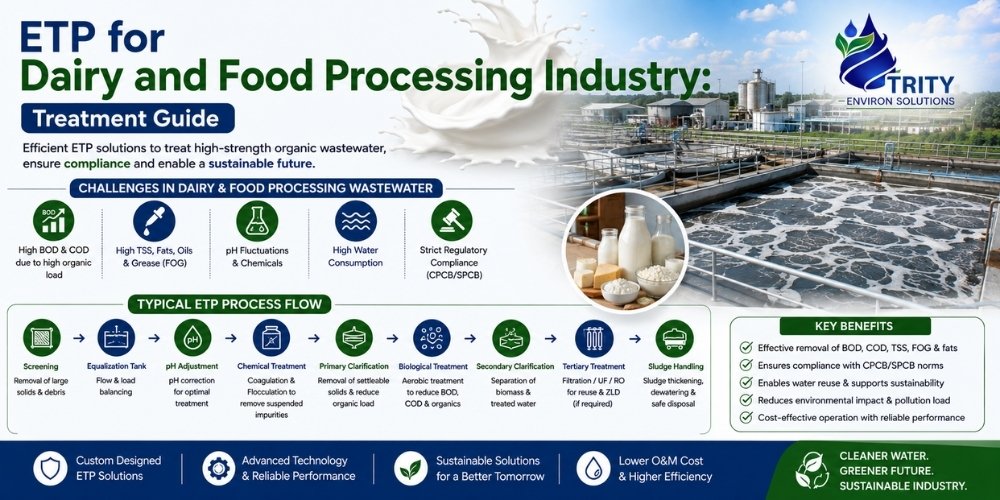
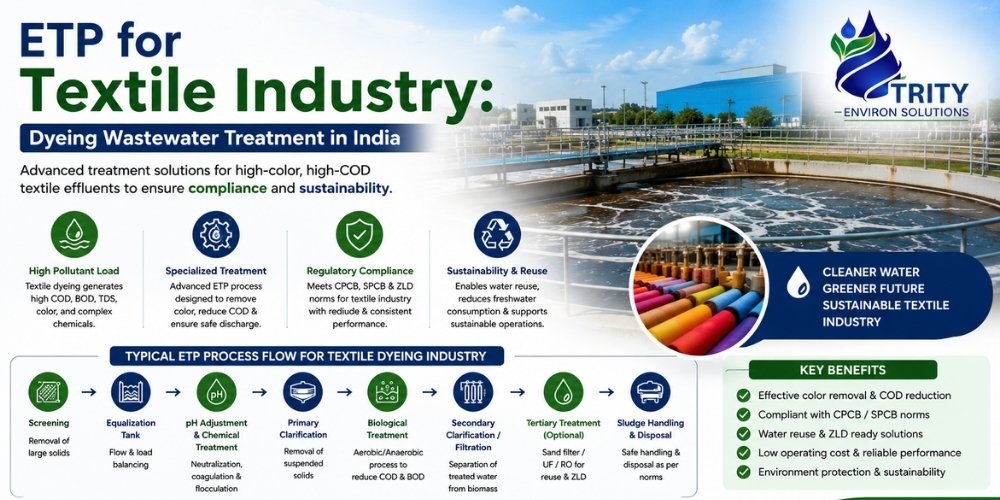
Related Insights & Engineering Guides
PROVEN EXCELLENCE
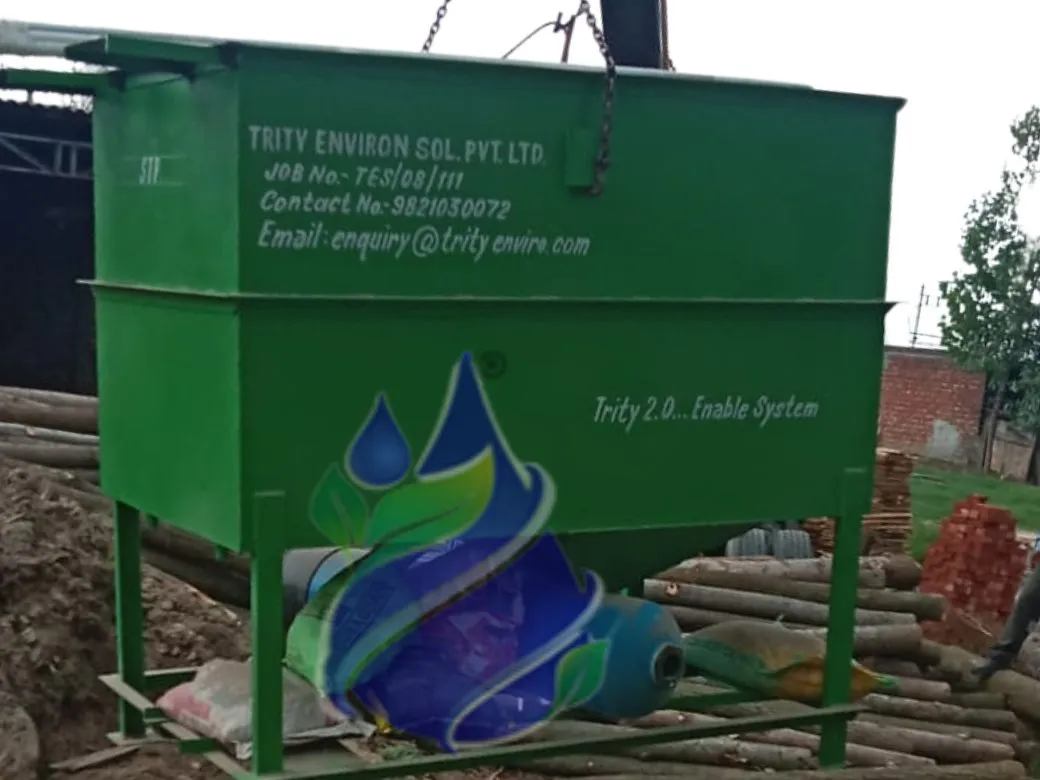
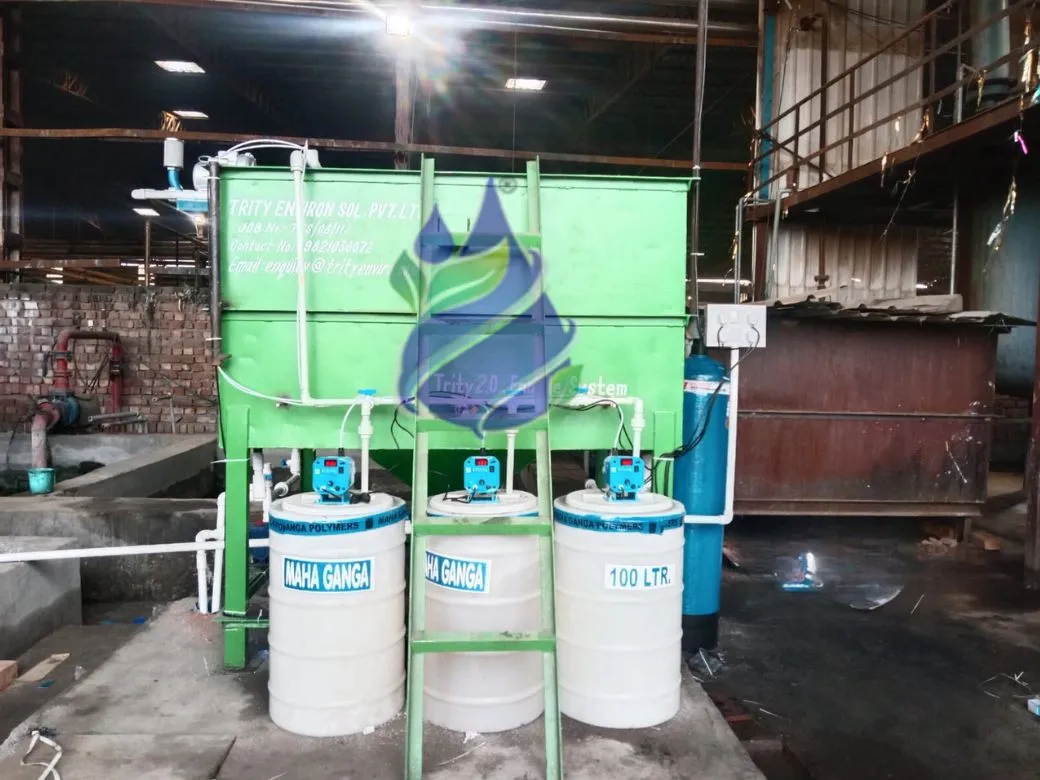
Featured Turnkey Installations




Need a Custom Water or Wastewater Treatment Solution?
Our engineering team can help design the right system for your capacity, industry, and compliance requirements.