Vertical Farming and Wastewater Reuse: A Hidden Partnership
Discover how vertical farming and wastewater reuse unite to boost food security, conserve water, and enable sustainable agriculture in urban areas.

 ISO 9001:2015 & QCI Approved
The textile industry is responsible for roughly a fifth of global clean water pollution, driven mainly by dye-heavy, chemically loaded wastewater from dyeing and finishing operations. This guide covers every major textile wastewater treatment method available today, and how to choose the right combination for your specific process.
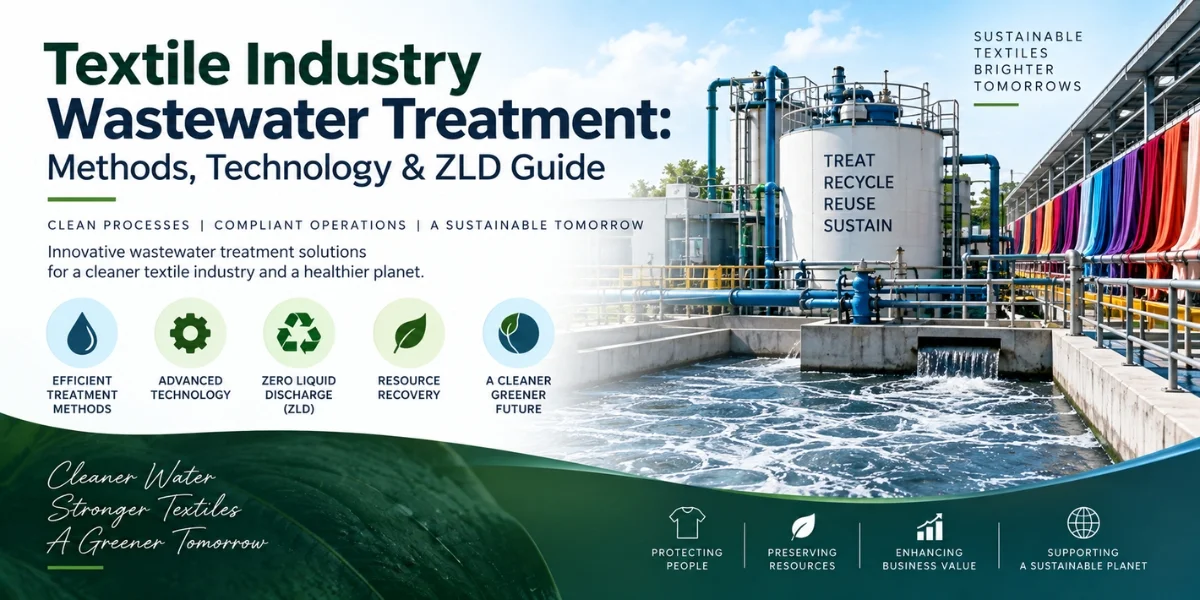
Textile wastewater treatment is as critical, and often as chemically demanding, as treating effluent from any heavy chemical manufacturing process. The textile industry consumes an estimated 200 litres of water for every kilogram of fabric processed, and dyeing and finishing operations alone generate 17-20% of all industrial wastewater discharged globally. In India specifically, where the textile sector accounts for a significant share of GDP and export earnings, the industry also uses roughly 80% of the country's total dyestuff production, and the resulting effluent, loaded with dyes, heavy metals, surfactants, and organic pollutants, is estimated to contribute close to a fifth of global clean water pollution if left untreated. This guide walks through every major category of textile wastewater treatment method available today, physical, biological, and advanced, along with practical guidance on combining them and where Zero Liquid Discharge fits into the picture.
Textile effluent is characterized by high Biochemical Oxygen Demand, typically in the range of 700-2,000 mg/L, along with high Chemical Oxygen Demand, suspended solids, residual dye, and in many cases heavy metals like chromium and mercury from certain dyeing processes. The dark colour of untreated textile wastewater blocks sunlight penetration in water bodies, directly harming aquatic plant life and the organisms that depend on it, while the chemical load poses separate risks to human health where this water enters the broader water cycle. Because textile effluent composition varies significantly depending on the fabric type, dyes used, and specific wet processing steps involved, a single treatment method rarely handles the full range of contaminants on its own, which is why most textile units combine multiple treatment stages rather than relying on one technology.
These methods form the first line of treatment for textile wastewater, removing physical and chemically bound contaminants before biological or advanced stages take over.
Biological treatment addresses the organic load in textile wastewater using microorganisms, and remains the backbone of secondary treatment for most textile effluent streams.
Where physical and biological treatment alone cannot achieve the required effluent quality, particularly for colour removal, dissolved salts, or water intended for reuse, advanced treatment technologies come into play.
One insight from recent research that most textile units still underuse is effluent stream segregation based on TDS level. In a typical dyeing unit, only around 10% of total effluent volume, the actual dye bath discharge, carries high TDS and heavy colour load, while the remaining 90%, general wash water from rinsing steps, carries comparatively low TDS. Treating both streams identically through the same full treatment train wastes capacity and cost on the 90% that needs far less intensive treatment. Segregating the high-TDS dye bath stream for targeted advanced treatment, while routing wash water through a lighter physical and biological sequence, can meaningfully reduce both treatment cost and the size of advanced treatment infrastructure like RO or AOP systems needed on site.
India's largest textile manufacturing clusters, Tiruppur in Tamil Nadu, Panipat in Haryana, and Surat in Gujarat, generate wastewater volumes that individual units generally cannot treat cost-effectively on their own. Most of these clusters rely on Common Effluent Treatment Plants (CETPs) that combine treatment from multiple units, often paired with ZLD systems to meet increasingly strict discharge norms in these water-stressed textile regions. Research institutions continue to pilot newer, more efficient treatment technologies at these CETPs, aimed at reducing the high cost and energy demand traditionally associated with achieving zero liquid discharge at scale.
No single method covers the full range of contaminants in textile wastewater, so the right combination depends on your specific process and effluent characteristics.
| Effluent Characteristic | Recommended Treatment Combination |
|---|---|
| High suspended solids, general wash water | Coagulation, flocculation, sedimentation |
| High dye load, dark colour | Electrocoagulation or AOP, following primary treatment |
| High organic load (BOD/COD) | Anaerobic pretreatment followed by activated sludge |
| Heavy metals present | Ion exchange or chemical precipitation |
| Water reuse required | RO or ZLD as a final polishing stage |
A basic effluent characterization test, covering BOD, COD, TDS, colour, and specific chemical content, should always precede final treatment design, since assuming a generic textile treatment train without this data frequently leads to under-treatment or unnecessary over-investment in advanced stages that are not needed.
| Unit Type | Typical Effluent Profile | Recommended Approach |
|---|---|---|
| Small-scale dyeing units | High colour, moderate volume | Coagulation-flocculation + adsorption, or CETP participation |
| Integrated textile mills | Mixed high BOD/COD and dye load | Combined physical, biological, and AOP treatment |
| Units within textile clusters (Tiruppur, Panipat, Surat) | Large combined volume | CETP with ZLD |
| Units targeting water reuse | Need for reuse-grade output | RO or membrane-based tertiary treatment |
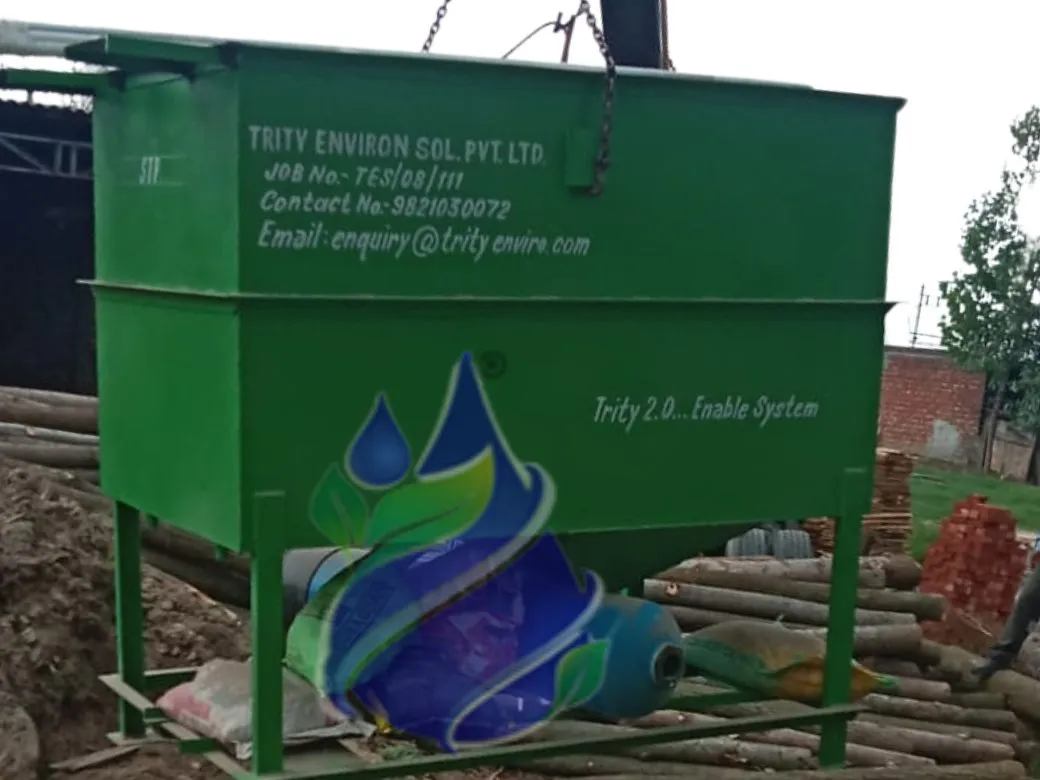
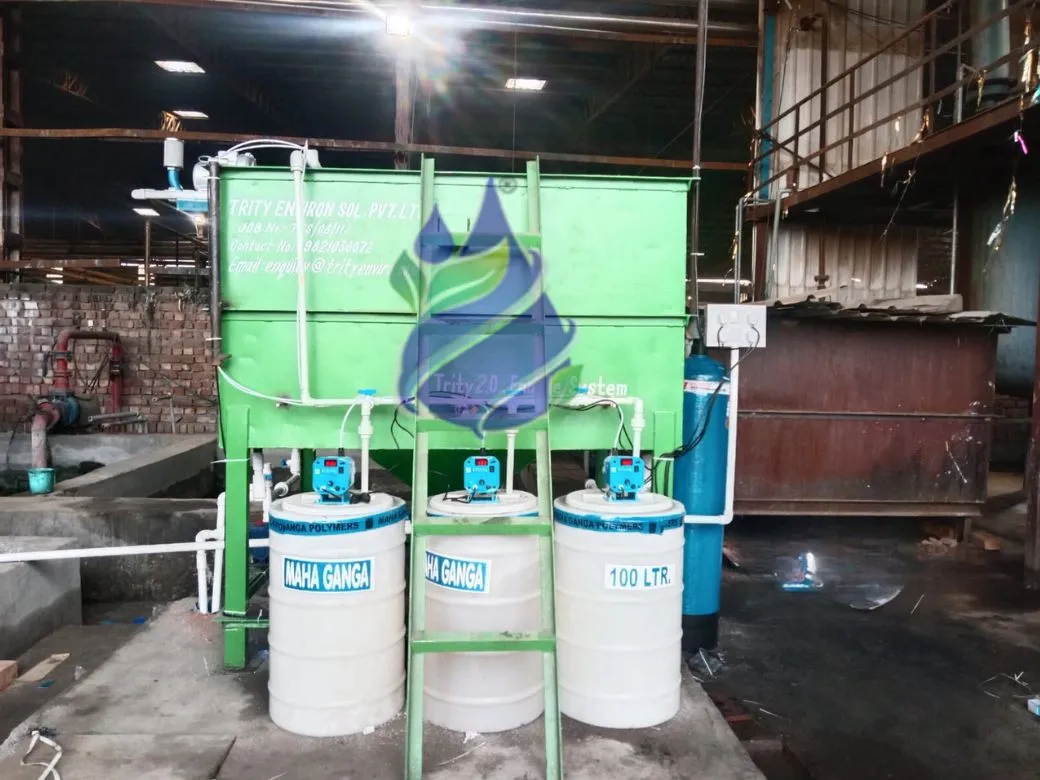
Trity Environ Solutions is a Noida-based wastewater treatment plant manufacturer with proven experience designing effluent treatment plants for chemically demanding industries, including textile and dyeing units. As an established ETP manufacturer and supplier, our engineering team starts with proper effluent characterization rather than a generic treatment template, so textile units only invest in the treatment stages their specific dye chemistry and process actually require. Every installation is backed by pan-India Annual Maintenance Contract and operation and maintenance support. We are ISO 9001:2015 certified, QCI approved, and deliver CPCB-compliant engineering across industrial projects nationwide.
Ans: Textile effluent combines high organic load (BOD typically 700-2,000 mg/L), suspended solids, residual dye, and in some cases heavy metals, all within the same wastewater stream, and its exact composition varies significantly by fabric type and process, making a single generic treatment method insufficient on its own.
Ans: Electrocoagulation and Advanced Oxidation Processes (AOP), such as ozonation and Fenton's process, are among the most effective methods for breaking down stable, complex dye molecules that resist conventional biological treatment, particularly for modern aromatic and heterocyclic dyes.
Ans: ZLD combines multiple treatment methods to recover and reuse nearly all wastewater, minimizing liquid discharge. It is increasingly mandated for textile clusters in water-stressed regions, though it carries meaningfully higher capital and energy cost than standard treatment.
Ans: Yes. In a typical dyeing unit, only around 10% of effluent volume (the dye bath) carries high TDS and colour load, while the remaining 90% is lower-TDS wash water. Segregating these streams and treating each appropriately, rather than running everything through the same full treatment train, can meaningfully reduce both cost and advanced treatment infrastructure size.
Ans: Most large Indian textile clusters rely on Common Effluent Treatment Plants (CETPs) that treat combined effluent from multiple units, frequently paired with Zero Liquid Discharge systems to meet strict regional discharge norms in these water-stressed textile hubs.
Discover how vertical farming and wastewater reuse unite to boost food security, conserve water, and enable sustainable agriculture in urban areas.

Explore how modern wastewater treatment plants contribute to urban sustainability, water reuse, pollution reduction, and climate change mitigation for greener cities.
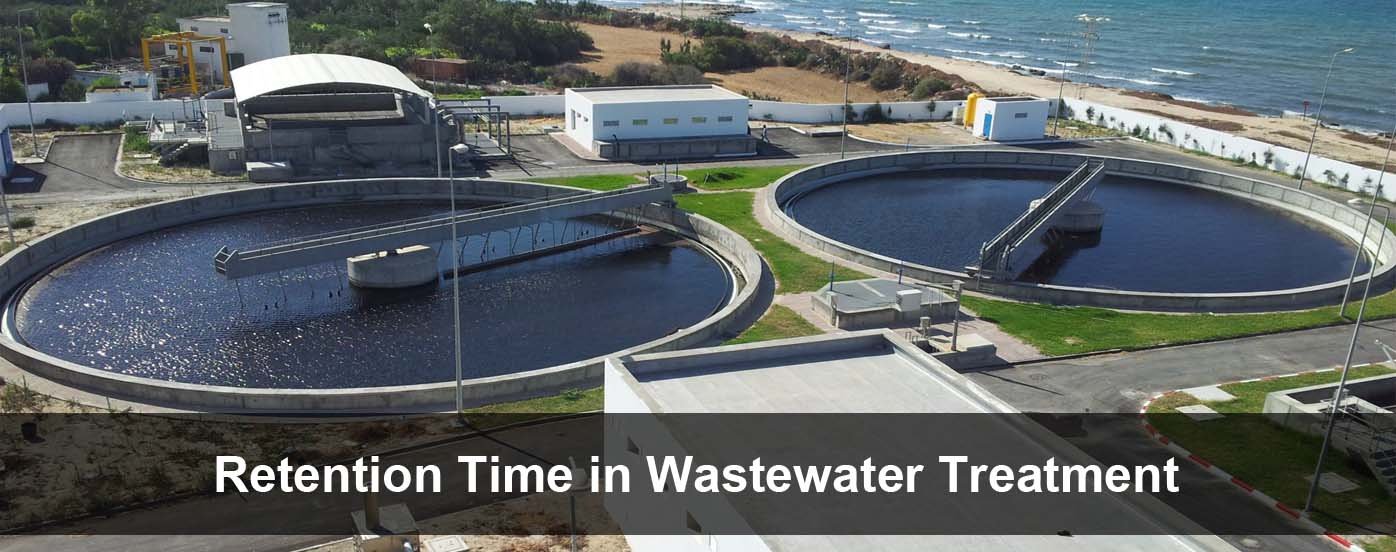
Learn what retention time in wastewater treatment means, how HRT and SRT are calculated, ideal values for STP and ETP, and how wrong retention time affects plant performance.




Discuss your requirements with our engineering team and get practical guidance for your project.