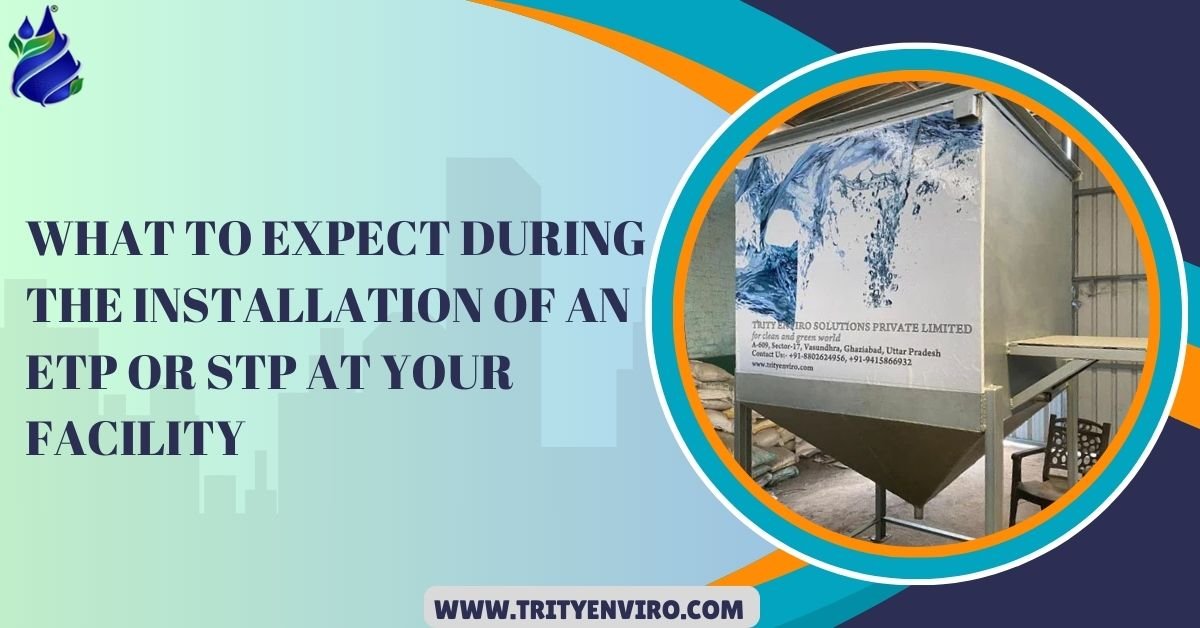
What to Expect During the Installation of an ETP or STP at Your Facility
Learn the step-by-step process of ETP and STP installation at your facility, from site preparation to training and ongoing maintenance for optimal wastewater management.

 ISO 9001:2015 & QCI Approved
You open the tap, fill a glass, and drink, but what you cannot see is a mix of dissolved minerals, salts, and compounds moving through every sip. Whether that water is genuinely safe often comes down to one measurement: TDS level. This guide breaks down what counts as normal, what BIS and WHO actually say, and what to do about it.

TDS, or Total Dissolved Solids, is one of the most basic indicators of drinking water quality, and also one of the most misunderstood. It measures the combined concentration of all dissolved inorganic and organic substances present in water, expressed in milligrams per litre (mg/L) or parts per million (ppm), which are numerically equivalent for practical purposes. A TDS reading tells you roughly how much mineral and salt content your water is carrying, but on its own, it does not tell you whether that content is safe, harmful, or simply a matter of taste. This guide covers what a normal TDS level actually looks like according to Indian and international standards, why the "right" number depends on which body you ask, how TDS varies by region across India, and what to actually do if your water tests too high or too low.
TDS (Total Dissolved Solids) refers to the combined weight of all minerals, salts, metals, and organic matter dissolved in a given volume of water. Common contributors include calcium, magnesium, sodium, potassium, bicarbonates, chlorides, and sulfates, along with trace amounts of other dissolved substances depending on the water source. Groundwater typically carries higher TDS than surface water because it picks up minerals as it moves through rock and soil, which is why TDS readings vary so widely across different parts of India depending on local geology and groundwater depth.
TDS is not, by itself, a direct measure of water safety. It says nothing about the presence of bacteria, viruses, or specific toxic contaminants like arsenic or fluoride, which are governed by separate limits under Indian drinking water standards. A TDS reading is best understood as an overall indicator of mineral content and palatability, useful for flagging when water might need treatment, but not a substitute for a full water quality test.
Different regulatory and health bodies define acceptable TDS ranges differently, and understanding why helps make sense of the range of numbers you will see quoted online.
| Standard Body | Acceptable Limit | Notes |
|---|---|---|
| BIS (IS 10500:2012), India | 500 mg/L desirable, 2000 mg/L permissible | Permissible limit applies only where no alternative water source is available |
| WHO | No strict health-based limit set | Focuses on palatability; water above roughly 600-1000 mg/L is generally considered to have poor taste acceptability |
| US EPA | 500 mg/L | Set as a secondary standard based on aesthetics and taste, not a direct health risk threshold |
| ICMR (Indian Council of Medical Research) | 100-500 mg/L recommended | General guidance for good health-oriented drinking water |
The key takeaway is that no single global body treats TDS as a strict, universal health limit in the way they do for contaminants like lead or arsenic. BIS's IS 10500:2012 standard is the one legally applicable to drinking water supply in India, setting 500 mg/L as the desirable limit and allowing relaxation up to 2000 mg/L only in areas where no better water source exists. WHO does not prescribe a fixed health-based ceiling, since the available evidence does not clearly link TDS itself to specific health outcomes, and instead focuses on taste and general acceptability.
Beyond the regulatory limits, water quality professionals commonly reference a palatability chart based on how TDS affects taste and overall drinking experience.
| TDS Range (mg/L) | Rating | What It Means |
|---|---|---|
| Below 50 | Not recommended | Water may taste flat and lacks beneficial minerals |
| 50-150 | Excellent | Ideal balance of taste and mineral content |
| 150-300 | Good | Widely considered the sweet spot for everyday drinking water |
| 300-500 | Fair / Acceptable | Within BIS desirable limit, may have a mild taste difference |
| 500-900 | Poor | Noticeable taste, generally needs treatment for better palatability |
| 900-1200 | Bad | Should not be consumed without treatment |
| Above 1200 | Unacceptable | Requires treatment before any drinking use |
This chart is a practical reference, not a strict pass/fail test. Water in the 300-500 mg/L range is technically within BIS's desirable limit and safe to drink, even though it may taste slightly different from water in the 150-300 mg/L range that most people find ideal.
India has one of the widest ranges of natural drinking water TDS levels in the world, driven by differences in geology, groundwater depth, and local industrial activity. Understanding this regional variation is useful context before assuming a single household's TDS reading is unusual.
| Region | Typical TDS Range | Why |
|---|---|---|
| Northern plains (Delhi, UP, Haryana) | 300-800 mg/L | Shallow groundwater with higher natural mineral content |
| Rajasthan and Gujarat | 500-2000 mg/L | Among the highest in India, often with salinity and fluoride concerns |
| Southern India (Karnataka, Kerala, Tamil Nadu) | 100-400 mg/L | Generally moderate groundwater mineral content |
| Himalayan foothills and hill stations | 50-200 mg/L | Naturally low TDS from mountain-fed water sources |
| Coastal cities (Mumbai, Chennai, Kochi) | 150-500 mg/L | Can be affected by seasonal salinity intrusion |
If your household's tap or borewell TDS reads on the higher end for your region, it is often a reflection of local groundwater conditions rather than a sign of contamination, though it still affects taste and may warrant treatment for comfort and long-term appliance protection.
Water with persistently high TDS, generally above 500-900 mg/L, is associated with a few practical concerns beyond taste. It commonly causes scaling in pipes, water heaters, and appliances due to dissolved calcium and magnesium, shortens the working life of RO membranes and filters if untreated water is fed directly into a purification system, and can cause mild digestive discomfort in some individuals when TDS is dominated by sulfates or specific salts. High TDS water is not automatically unsafe, since the specific dissolved substances matter more than the aggregate number, but consistently high readings are a reasonable trigger to test water for individual contaminants like fluoride, nitrate, or arsenic rather than relying on the TDS figure alone.
Water with very low TDS, generally below 50 mg/L, carries its own set of concerns, which is a detail many purifier owners overlook. Water stripped of nearly all dissolved minerals can taste flat and is considered "aggressive," meaning it has a tendency to leach minerals from pipes, containers, or even the body itself over long-term consumption, rather than supplying them. Over-purified water also lacks beneficial electrolytes like calcium and magnesium that contribute to daily mineral intake. This is why extremely low TDS, often seen when a home RO system's reject ratio and membrane are not properly balanced, is not actually the goal; the objective is water in a healthy, palatable range, not the lowest possible number.
A digital TDS meter is the simplest way to check your water's TDS level, and costs relatively little compared to the value of knowing your actual water quality. To use one accurately, dip the meter's probe into a glass of the water sample, wait for the reading to stabilize for about 10-15 seconds, and take the reading in ppm or mg/L. For a more complete picture, it is worth testing both the raw source water (tap or borewell) and the water coming out of any existing purifier, since a significant gap between the two often reveals whether a purification system is over-stripping minerals or under-treating the source.
A TDS meter alone does not confirm water is free of bacteria, viruses, or specific chemical contaminants, so for a comprehensive safety check, a lab-based water quality test is recommended periodically, particularly if TDS readings are unusually high or the water source has recently changed.
For water testing consistently above the comfortable range, reverse osmosis (RO) remains the most effective and widely used treatment method, since it physically filters out the majority of dissolved solids through a semi-permeable membrane. A properly configured commercial RO plant for offices, hotels, and institutional use, or a household RO purifier for residential needs, can bring high-TDS source water down into the ideal 150-300 mg/L range reliably. For water with significant hardness contributing to the high TDS reading, pairing RO with a water softener plant ahead of the system reduces scaling on the membrane and extends its working life significantly. Facilities dealing with high turbidity or organic load alongside high TDS often benefit from a multi grade filter and activated carbon filter stage ahead of the RO membrane, both to protect the membrane and to improve overall water clarity and taste before final purification.
If a TDS meter reading on purified water comes in consistently below 50 mg/L, the fix usually lies in the RO system's configuration rather than needing a different treatment method altogether. Modern RO systems commonly include a TDS controller or bypass valve that blends a small, controlled amount of untreated water back into the purified stream, restoring beneficial mineral content without compromising overall safety. Mineral cartridge or remineralization stages, now standard in many quality RO purifiers, add back calcium and magnesium after the membrane stage specifically to correct over-purified water. If you are sourcing a commercial system, it is worth confirming with your supplier whether TDS control or remineralization is built in, since not every RO configuration includes it by default.
Trity Environ Solutions designs and manufactures commercial RO plants, industrial RO plants, and complete pretreatment systems that bring water into the ideal TDS range for drinking, process, and reuse applications, rather than simply stripping TDS to zero. Our engineering team designs every system around your actual source water TDS and mineral profile, so the output stays within a healthy, palatable range rather than over-purified or under-treated water. Every installation is backed by pan-India Annual Maintenance Contract and operation and maintenance support, so your system's TDS output stays consistent for years, not just at commissioning. We are ISO 9001:2015 certified, QCI approved, and deliver CPCB-compliant engineering across residential, commercial, and industrial projects nationwide.
Under BIS IS 10500:2012, the desirable TDS limit for drinking water in India is 500 mg/L, with relaxation up to 2000 mg/L permitted only where no alternative water source is available. Most water quality experts recommend a narrower range of 150-300 mg/L for the best combination of taste and mineral balance.
Yes, 500 mg/L is within the BIS desirable limit for drinking water in India and is generally considered safe. It may have a slightly noticeable taste compared to water in the 150-300 mg/L range, but it does not indicate contamination on its own.
TDS below 50 mg/L is generally not recommended, since water at this level lacks beneficial minerals and can taste flat. It may also be classified as "aggressive" water, meaning it has a tendency to leach minerals rather than provide them.
TDS varies significantly across India based on local geology and groundwater depth. Regions like Rajasthan and Gujarat naturally have higher TDS groundwater, often in the 500-2000 mg/L range, while hill stations and Himalayan foothill areas naturally have very low TDS, often under 200 mg/L.
Reverse osmosis (RO) is the most effective and widely used method for reducing high TDS, since the membrane physically filters out the majority of dissolved solids. Pairing RO with appropriate pretreatment, such as a water softener for hard water or a multi grade filter for turbidity, protects the membrane and improves overall treatment consistency.
No. A TDS meter only measures the aggregate concentration of dissolved solids and cannot detect bacteria, viruses, or specific contaminants like arsenic or fluoride. For a complete safety assessment, periodic lab-based water quality testing is recommended alongside routine TDS checks.
Need help designing a water treatment system that keeps your TDS in the ideal range?
Call +91-9821030072 or email enquiry@trityenviro.com, or request a free water quality assessment and our engineering team will recommend the right treatment setup for your source water.
Learn the step-by-step process of ETP and STP installation at your facility, from site preparation to training and ongoing maintenance for optimal wastewater management.
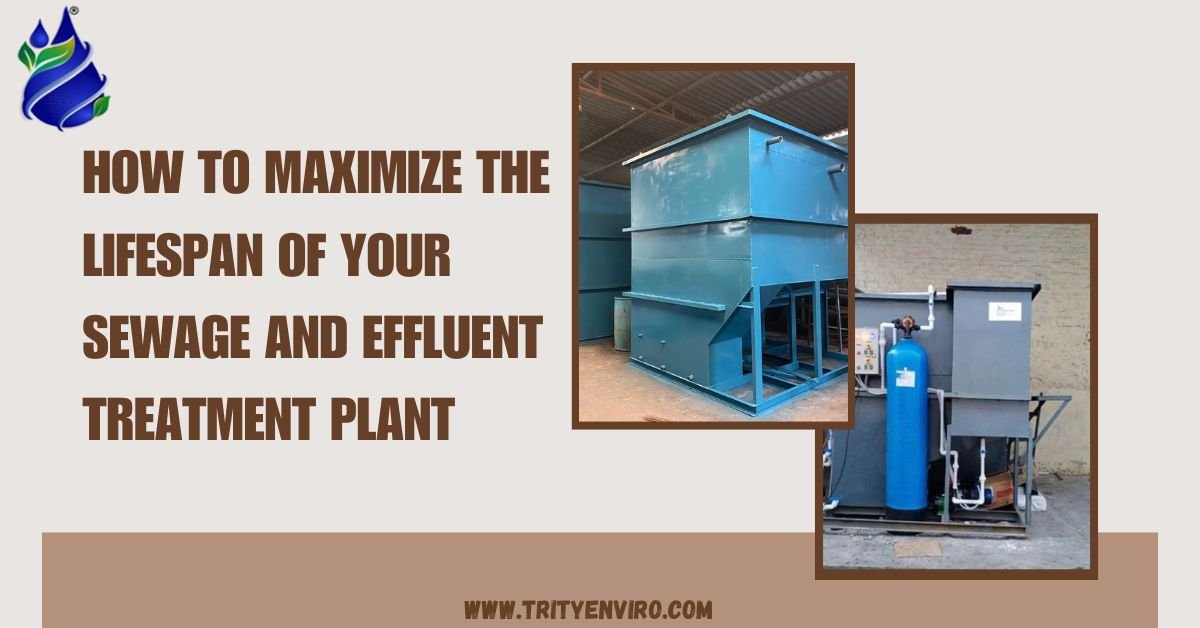
Learn how to extend the lifespan of your sewage and effluent treatment plant with regular maintenance, chemical optimization, and efficient staff training.

Explore pharmaceutical degradation in ETPs. Learn how persistent drugs, treatment tech, and microbial activity impact wastewater treatment efficiency.

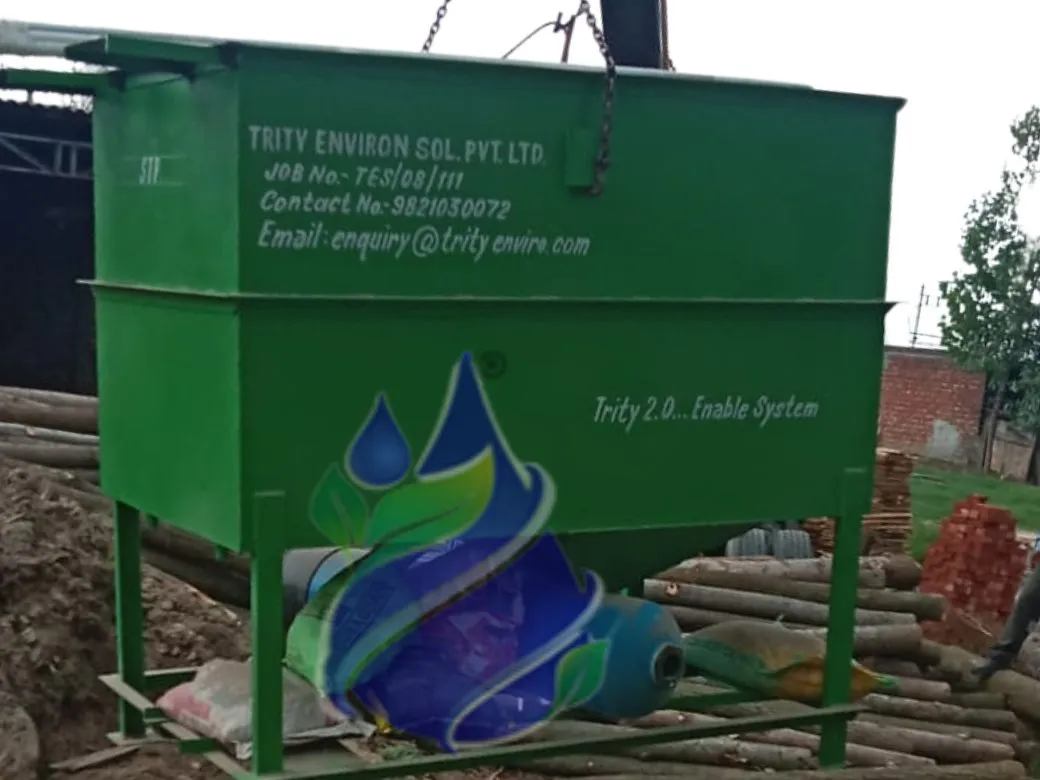
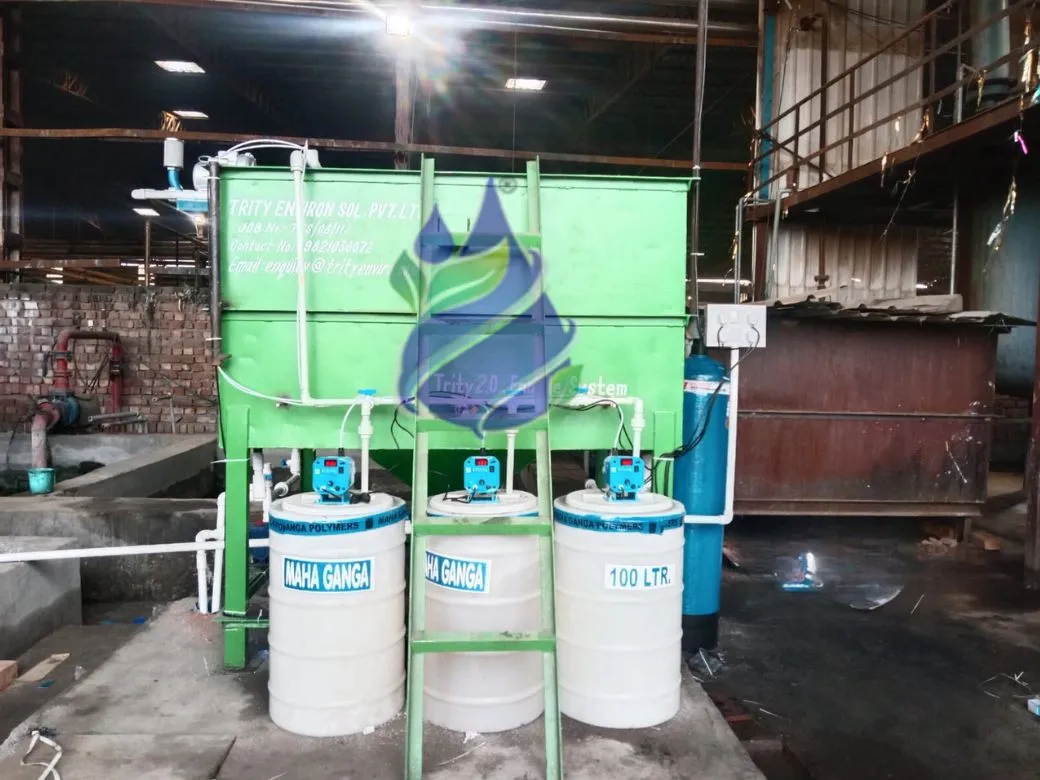



Discuss your requirements with our engineering team and get practical guidance for your project.